The Paradox of Painless Survival
Anyone who has accidentally touched a hot stove understands pain’s purpose. It is a universal, non-negotiable teacher, an alarm system honed by millions of years of evolution to scream, “Stop what you are doing!” For nearly all life, this signal is essential for survival, guiding organisms away from harm and signaling the need for rest and recovery. This reality presents a profound biological puzzle. If pain is so critical, why have some animals evolved the ability to simply switch it off?
The answer is not about being “tough.” It is a sophisticated, targeted adaptation. In certain extreme environments, the biological cost of experiencing constant pain outweighs its protective benefits. This is where we see how animals block pain not through sheer will, but through complex mechanisms that actively suppress the signals before they can cause distress. These remarkable abilities are just one example of the incredible adaptations found throughout the animal kingdom, a world filled with creatures that defy our expectations, many of which we explore across our collection of stories. Understanding this phenomenon requires looking deep into the genetic code and neurological wiring of these unique survivors.
The Genetic Blueprint for Pain Immunity
One of the most striking examples of pain suppression is found not in a large, imposing predator, but in a small, wrinkly rodent that lives its life underground. The secret to its resilience lies in stopping the pain signal at its very source, a feat achieved through specific genetic mutations for pain tolerance.
The Underground Life of the Naked Mole-Rat
Naked mole-rats live in crowded, subterranean burrows where oxygen is scarce and carbon dioxide levels are exceptionally high. This CO2 mixes with moisture in the air and on their skin to form carbonic acid. For any other mammal, this acidic environment would trigger a constant, painful burning sensation in their eyes and skin. Yet, the naked mole-rat seems completely unfazed, thriving in conditions that would be torturous for others. This incredible tolerance is not a learned behavior but a built-in feature of its biology.
A Genetic ‘Lock’ on the Pain Gate
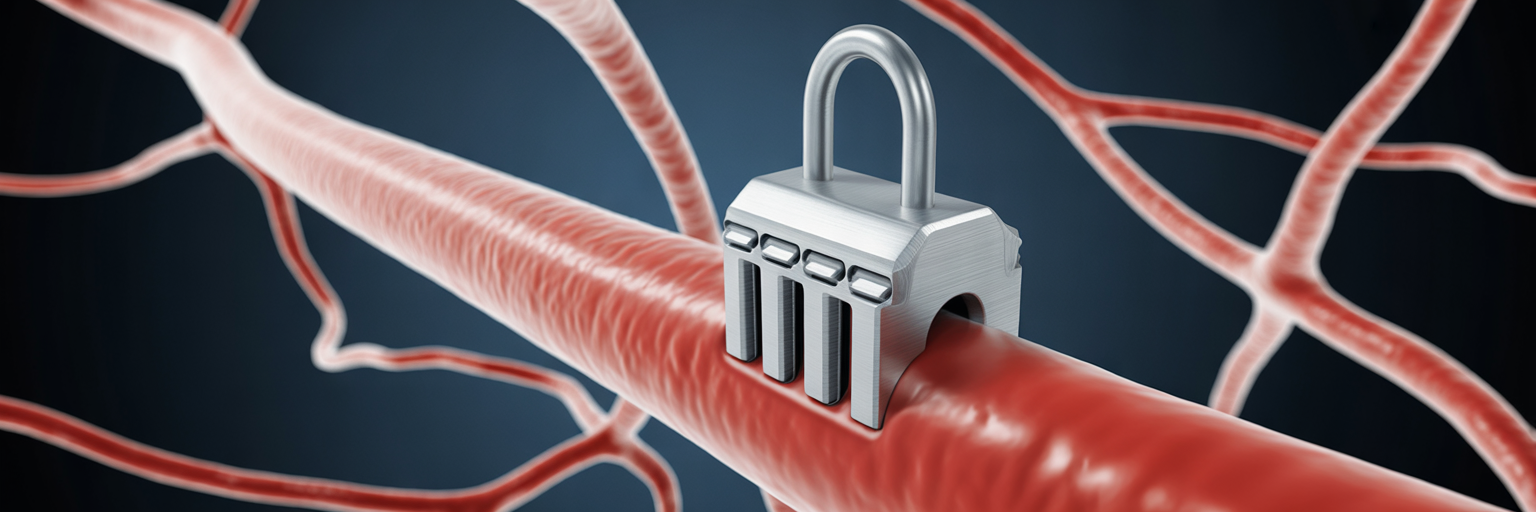
The science behind the naked mole rat pain immunity is a masterclass in evolutionary efficiency. Think of your nerve cells as having tiny “gates,” known as ion channels, that swing open to send a pain signal to the brain. In the naked mole-rat, a specific gene that controls a crucial pain gate, the NaV1.7 channel, is mutated. This mutation acts like a permanent lock, preventing the gate from opening in response to acid.
- An acidic compound makes contact with the skin.
- In a typical mammal, the NaV1.7 ion channel (the ‘pain gate’) opens, sending an electrical signal.
- In the naked mole-rat, a genetic mutation keeps the NaV1.7 gate ‘locked’ shut.
- Because the gate never opens, the pain signal is never sent to the brain.
This adaptation is so effective that it has appeared more than once; the related Highveld mole-rat shows a similar, independently evolved resistance. The naked mole-rat’s immunity is one of nature’s most fascinating quirks, much like the story of the parasite that turns snails into zombies, where biology takes a truly unexpected turn.
| Stimulus | Typical Mammal Response | Naked Mole-Rat Response | Underlying Reason |
|---|---|---|---|
| Acid Exposure | Strong pain, inflammation, avoidance | No pain response | Mutation in TRPA1 and NaV1.7 channels |
| Capsaicin (Chili Peppers) | Intense burning sensation | No pain response | Non-functional TRPA1 channel |
| Physical Pinch | Immediate pain, withdrawal reflex | Feels pressure, but reduced pain | Pain pathways for mechanical injury are still partially active |
Note: This table illustrates the highly specific nature of the naked mole-rat’s pain insensitivity, which is adapted to chemical irritants in its environment rather than all forms of pain.
Central Command’s Override Signal
While the naked mole-rat prevents pain signals from ever being sent, other animals use a different strategy. Their approach is not about having a broken doorbell, but about the homeowner choosing to ignore it. This method involves the central nervous system, where the brain acts as a “central command” to intercept and cancel incoming pain alerts. These remarkable animal nervous system adaptations demonstrate a top-down control system that is both elegant and powerful.
This process relies on what scientists call “descending inhibitory pathways,” which are essentially signals sent from the brain down the spinal cord to block pain messages. A clear example is seen in the humble fruit fly. During critical moments, like mating or escaping danger, the fly’s brain releases a neuropeptide called Drosulfakinin (DSK). This chemical acts as an override, actively suppressing pain signals so the fly can complete its vital task without distraction. This form of top-down control was detailed in research published in the journal eLife, which found that neuropeptides like Drosulfakinin are released by the brain to actively suppress pain signals being processed by the central nervous system.
What makes this even more compelling is that this system is not unique to insects. The fly’s DSK system is remarkably similar to the cholecystokinin (CCK) system found in mammals, including humans. This suggests that the ability for the brain to modulate pain is an ancient and highly conserved evolutionary tool, allowing animals to prioritize survival over comfort when the stakes are highest.
The Evolutionary Advantage of Numbness

The ability to ignore pain is not a flaw but a feature, finely tuned by the pressures of survival. For the naked mole-rat, its immunity to acid is the key that allows it to dominate an ecological niche no other mammal can. The high CO2 and ammonia from urine in its crowded tunnels would cause debilitating inflammation and pain for any other creature. By silencing this specific pain pathway, the mole-rat turned a hostile environment into a safe haven, free from most predators and competitors.
Beyond this specific case, temporary pain suppression is a vital tool for nearly all animals during fight-or-flight situations. A deer gored by a predator must be able to flee without being crippled by the pain. Two rams clashing for dominance must continue the fight despite the brutal impacts. In these moments, the brain’s ability to temporarily numb the body is the difference between life and death. However, this advantage comes with significant trade-offs. Evolution is a game of calculation, and pain insensitivity is a highly specialized tool, not a universal superpower.
- Advantage: Enables survival in otherwise uninhabitable environments (e.g., acidic burrows).
- Disadvantage: Minor injuries, like cuts or burns, may go unnoticed and lead to severe infection or further damage.
- Advantage: Allows an animal to continue fighting or fleeing despite injury, increasing immediate survival odds.
- Disadvantage: An animal might overuse an injured limb, preventing proper healing and causing long-term disability.
This evolutionary trade-off is a common theme in nature, where survival often requires extraordinary measures. It is similar to the case of the frog that freezes solid and thaws back to life, where an organism pushes its biology to the absolute limit to endure.
Lessons for Human Pain Management
Studying the natural pain relief in animals offers more than just a glimpse into the wonders of evolution; it provides a practical roadmap for developing new human therapies. The discovery of the naked mole-rat’s unique biology has ignited a race among scientists to create drugs that mimic its abilities. As highlighted in a PBS NOVA report, the mole-rat has become a focal point for researchers seeking a new class of non-addictive painkillers.
The primary target is the NaV1.7 ion channel, the very same “pain gate” that is locked shut in the mole-rat. The goal is to develop a compound that can selectively block this channel in humans, providing powerful relief for chronic pain conditions without the dangerous side effects and addictive potential of opioids. By observing how nature solved this problem, scientists can identify entirely new targets for drug development that were previously unknown.
The strange, seemingly obscure biology of a wrinkly rodent from Africa could one day lead to therapies that alleviate suffering for millions. It is a powerful reminder of the profound interconnectedness of life on Earth. The quest to understand these natural phenomena continues, with new discoveries revealing more of nature’s secrets every day. You can read more stories like this on our blog.