Meet the Toughest Animal on Earth
You might know them by their more charming names, the ‘water bear’ or ‘moss piglet.’ These microscopic creatures are found in the damp, unassuming environments of moss and lichen right in your backyard. But their humble appearance hides a set of biological superpowers that defy imagination. Tardigrades can withstand the vacuum of space, endure radiation doses that would be lethal to humans, and survive temperatures from near absolute zero to well above boiling.
So, what is a water bear? It is an eight-legged micro-animal whose resilience has fascinated scientists for centuries. While its general toughness is legendary, its most profound ability is surviving complete dehydration for decades, only to spring back to life with a single drop of water. This isn’t magic. It’s a product of sophisticated biology that we are only now beginning to fully comprehend, offering a masterclass in survival.
The Art of Extreme Dehydration
When a tardigrade’s watery home dries up, it performs an incredible feat of suspended animation known as anhydrobiosis, or ‘life without water.’ The process is a dramatic physical transformation. The creature retracts its head and eight tiny legs, curling its body into a shriveled, barrel-shaped capsule called a tun. In this tardigrade tun state, it becomes almost entirely lifeless. Its metabolism slows to less than 0.01% of its normal rate, a pause so profound it makes hibernation look like a brief nap.
This state of cryptobiosis in animals is a complete shutdown of biological function, allowing the tardigrade to wait out unfavorable conditions for years or even decades. It is a strategy of patience, where the animal essentially removes itself from the flow of time until its environment becomes hospitable again. This ability is not unique in the animal kingdom, as other creatures have found ways to pause their lives, like the frog that freezes solid and thaws back to life. The table below shows just how extreme this change is.
| Characteristic | Active State (Hydrated) | Tun State (Dehydrated) |
|---|---|---|
| Appearance | Plump, segmented, moving | Shriveled, inert, barrel-shaped |
| Water Content | ~85% of body mass | <3% of body mass |
| Metabolic Activity | 100% (Normal) | <0.01% of normal |
| Environmental Resistance | Vulnerable to extremes | Highly resistant to heat, cold, radiation |
Building a Cellular Glass Shield
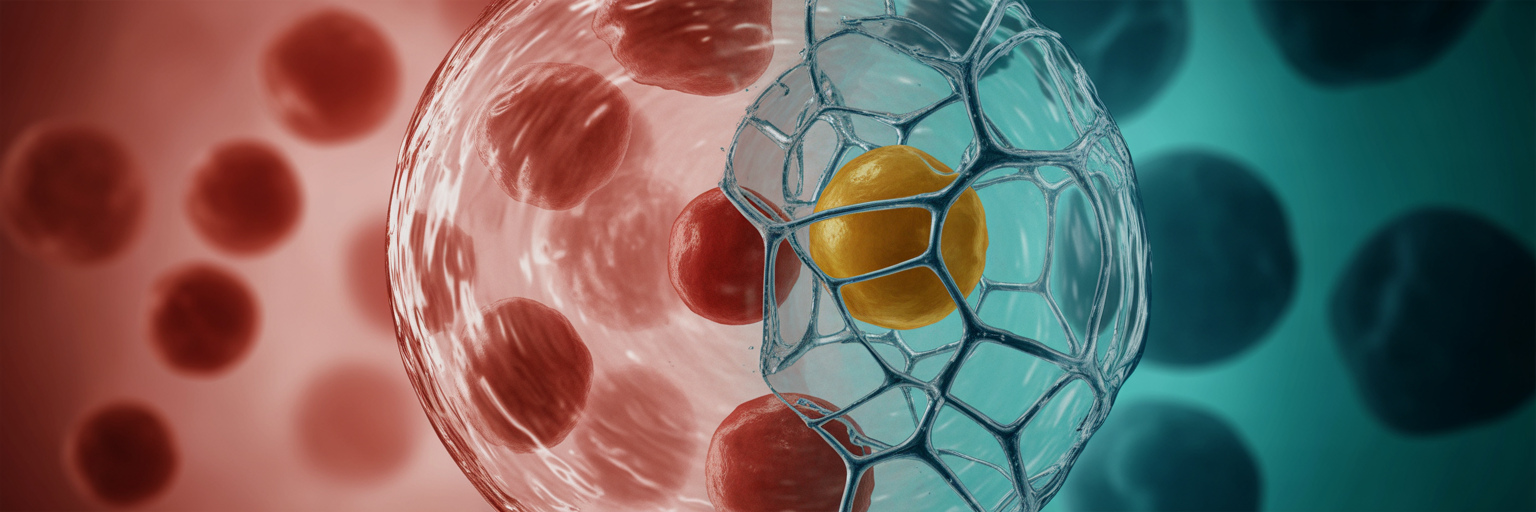
As water vanishes from a tardigrade’s body, a critical question arises: why don’t its cells just collapse and shred their internal machinery? The answer is a process called vitrification. Instead of simply drying out and breaking apart, the contents of the tardigrade’s cells transform into a stable, glass-like solid. This isn’t a metaphorical glass; it’s a literal, physical change in the state of matter inside the cell.
For a long time, scientists assumed tardigrades used a sugar called trehalose to achieve this, similar to brine shrimp. However, this assumption was challenged by new findings. As reported by Smithsonian Magazine, many tardigrade species lack detectable levels of this sugar, proving they evolved a different method. They rely on unique proteins to create this glassy state. This internal glass acts as a physical scaffold, locking delicate structures like DNA, proteins, and membranes in place. It prevents them from tearing, clumping, or denaturing during the long, dry wait. This solid state is the structural secret that preserves the animal’s cellular integrity against the immense physical stress of dehydration.
The Unique Proteins That Make It Possible
The question of how do tardigrades survive such extreme conditions comes down to a specialized set of proteins. These molecules are the architects and engineers of the tardigrade’s survival, each playing a distinct role in protecting the cell from collapse. This biochemical toolkit is what truly sets them apart.
- Tardigrade-Specific Intrinsically Disordered Proteins (TDPs): Think of these as the primary builders of the glass shield. In the presence of water, these proteins are floppy and unstructured. As the cell dries, they fold into a rigid, protective mesh, forming the vitrified matrix that holds everything together.
- Heat Shock Proteins (HSPs): These act as ‘molecular chaperones.’ Their job is to find other essential proteins that are vulnerable to the stress of dehydration. They bind to these proteins, stabilizing them and preventing them from misfolding or clumping into useless, damaging aggregates.
- DNA Repair Enzymes: This is a brilliant proactive strategy. The tardigrade doesn’t wait for damage to happen and then react. It produces these enzymes in advance, so they are ready to immediately begin fixing any genetic damage that occurs during dormancy or upon rehydration.
This multi-layered system of custom-built proteins creates a robust defense that makes the tardigrade’s resilience possible. It’s a fascinating example of biochemical adaptation, a theme seen across nature, such as in the parasite that turns snails into zombies through its own form of molecular manipulation.
Neutralizing the Threat of Rehydration

Surviving without water is only half the battle. The return of water, while essential for life, presents its own grave danger. The sudden rush of water and oxygen into the dormant cells triggers a massive burst of reactive oxygen species, also known as free radicals. This event, called oxidative stress, can shred cell membranes and corrupt DNA, killing the organism just as it’s about to wake up. This is a central piece of the tardigrade anhydrobiosis explained puzzle.
To counter this, the tardigrade deploys a powerful antioxidant defense system. It’s armed with an abundance of enzymes like catalases and superoxide dismutases. These act as an incredibly efficient ‘cleanup crew,’ instantly neutralizing the flood of free radicals before they can cause catastrophic damage. Research from NCBI confirms that these antioxidant defenses are crucial to the tardigrade’s extreme resistance. Genetic analysis shows they have an expanded set of genes for producing these antioxidants, giving them a supercharged ability to handle the shock of reawakening. This ability to manage life’s re-entry is another form of cheating death, a talent shared by other unique organisms, like the jellyfish that can reverse its aging process, which you can read about in our article on how one tiny jellyfish learned to reverse its own aging.
The Great Awakening and Its Lessons
When a dehydrated tardigrade is exposed to water, the awakening begins. The shriveled tun swells, and within minutes to hours, the creature unfurls its legs and slowly begins to move, resuming its life as if no time has passed. As it reanimates, its pre-stocked antioxidant and DNA repair systems get to work, cleaning up any damage and ensuring a seamless return to function. This incredible revival makes it one of the most fascinating animals that survive without water.
But what can we learn from this? The tardigrade’s biological secrets offer a blueprint for groundbreaking human technologies. The potential applications are profound:
- Creating shelf-stable vaccines and medicines that can be transported and stored without refrigeration, especially in remote areas.
- Developing methods to preserve human organs for longer periods, increasing the window for successful transplantation.
- Protecting biological materials, and perhaps one day even humans, from the damaging effects of radiation during long-duration spaceflight.
The humble water bear is more than just a curiosity; it is a master of resilience whose survival strategies could one day solve some of humanity’s greatest challenges. The tardigrade is just one of many incredible stories from the natural world, and to discover more, we encourage you to explore the full collection of articles on our blog.