Beyond Parasites: An Introduction to Symbiosis
Charles Darwin’s theory of evolution is often summarized as a relentless competition for survival. Yet, nature is filled with intricate alliances where success depends not on conflict, but on complex cooperation.
When we think of one organism living inside another, the word “parasite” usually comes to mind. But this view misses a huge part of the story. Nature’s cohabitation is a spectrum, and many of these relationships are not only harmless but essential. The broad term for these close interactions is symbiosis, which branches into three main forms. Parasitism is the one we know best, where one organism benefits at the host’s expense. The other two, mutualism and commensalism, involve harmless organisms in hosts.
These partnerships are the result of millions of years of co-evolution, not random chance. They are sophisticated strategies that prove nature is as much about cooperation as it is about competition. These symbiotic relationships in animals are just one example of the planet’s incredible biological ingenuity, a topic explored further in our blog. This article will focus on the peaceful arrangements that allow creatures to thrive together.
Mutualism: A Partnership of Shared Benefits
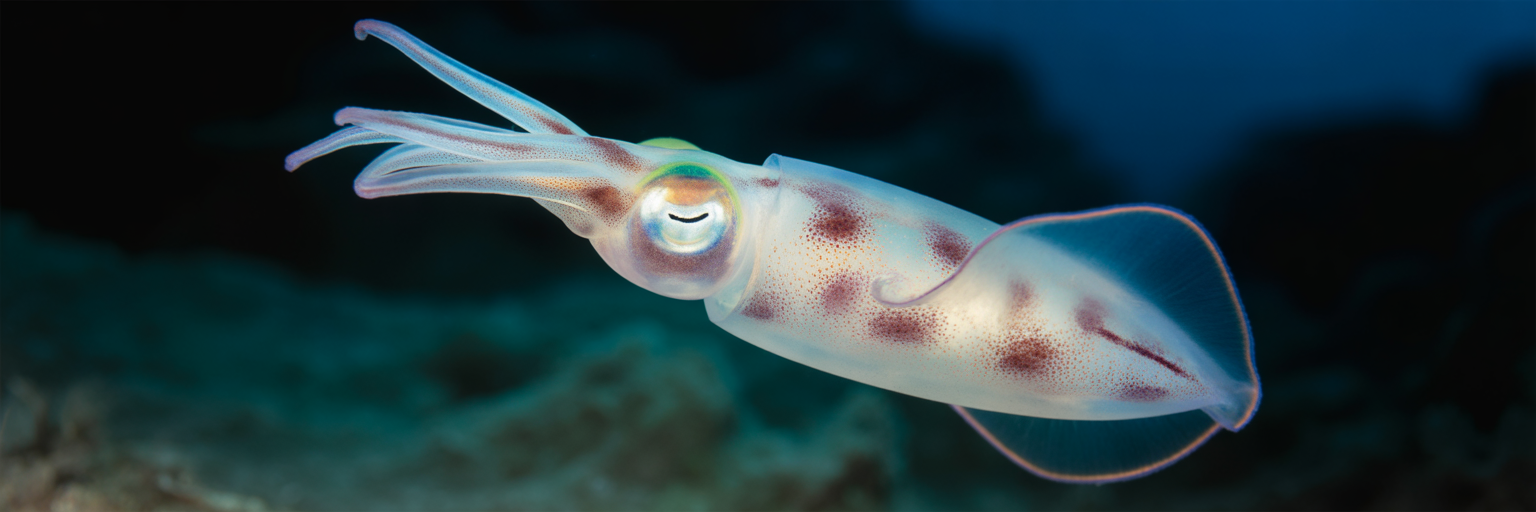
The most cooperative of these alliances is mutualism, a true “win-win” scenario. If you have ever seen a bee pollinating a flower, you have witnessed a simple form of it. The bee gets nectar, and the flower gets to reproduce. When we explore what is mutualism in biology, we find far more intricate examples happening inside other creatures.
Consider the Hawaiian bobtail squid, a small creature of the Pacific. It forms a lifelong partnership with a species of glowing bacteria called Vibrio fischeri. The bacteria find a safe, nutrient-rich home inside a special light organ in the squid’s mantle. In return, they pay their rent with light. This is where the bioluminescent bacteria squid relationship becomes remarkable. At night, the squid adjusts the intensity of the bacteria’s glow to match the moonlight filtering down from the surface. This counter-illumination erases the squid’s shadow, making it invisible to predators hunting from below.
This isn’t some exotic, faraway concept. A similar partnership is happening inside you right now. Trillions of bacteria in your gut help you digest food and produce essential vitamins. In exchange, they get a stable, warm place to live with a constant food supply. Mutualism is a powerful evolutionary strategy where cooperation directly enhances survival for both parties. This cooperative arrangement is a stark contrast to parasitic relationships, such as the one involving a parasite that turns snails into zombies.
Commensalism: Thriving Without Being a Burden
While mutualism is a two-way street of benefits, commensalism is more of a one-way arrangement that causes no trouble. In this “win-neutral” relationship, one organism benefits while the other is completely unaffected. The host essentially has a houseguest it doesn’t even notice.
One of the classic examples of commensalism is the remora fish and the shark. The remora has a modified dorsal fin that acts like a powerful suction cup, allowing it to attach to a shark’s body. It gets a free ride through the ocean and feeds on the scraps left over from the shark’s meals. The shark, for its part, is neither helped nor harmed by its little travel companion. According to NOAA Ocean Exploration, this is a classic case of commensalism, where the remora gains transportation and food without causing any harm to the larger fish. The remora’s sucker is a key physical adaptation that makes this lifestyle possible.
You might be surprised to learn that you are also a host in a commensal relationship. Tiny mites called Demodex live in the hair follicles of our eyelashes and eyebrows. They are completely harmless, feeding on dead skin cells and oils without our awareness. They benefit from the shelter and food, and we remain entirely indifferent to their presence.
| Feature | Mutualism | Commensalism |
|---|---|---|
| Outcome for Organism A | Benefit (+) | Benefit (+) |
| Outcome for Organism B (Host) | Benefit (+) | Neutral (0) |
| Relationship Dynamic | ‘Win-Win’ | ‘Win-Neutral’ |
| Example | Bioluminescent bacteria in a bobtail squid | Remora fish on a shark |
This table clarifies the fundamental difference between the two main types of harmless symbiotic relationships discussed. The key distinction lies in whether the host receives a benefit or is simply unaffected.
The Biological Toolkit for Peaceful Cohabitation

This brings us to the central question: how organisms live inside hosts without being identified and destroyed by the immune system. The answer lies in a sophisticated biological toolkit that allows for peaceful cohabitation through immune evasion and tolerance. The symbiont either hides from the immune system or actively communicates with it to be accepted as a friend, not a foe.
Let’s revisit the bioluminescent bacteria squid. This partnership is not a passive accident. It involves a complex molecular “dialogue” between the bacteria and the squid. As detailed in a study published in Nature Reviews Microbiology, this partnership relies on a precise molecular dialogue that regulates bacterial colonization and ensures the host’s immune system accepts its new residents. This is an active, highly regulated process. The key strategies in this biological toolkit include:
- Molecular Mimicry: The symbiont covers itself with proteins that look just like the host’s own cells, effectively wearing a disguise.
- Active Immune Suppression: The organism releases specific molecules that calm or redirect the host’s immune response in its immediate vicinity.
- Living in Immune-Privileged Sites: Some organisms colonize areas like the gut or specialized organs where the immune system is naturally less aggressive.
- Regulated Colonization: The host and symbiont work together to control the population size, ensuring it never grows large enough to be perceived as a threat.
This finely tuned biological toolkit is as remarkable as other survival strategies found in nature, such as the frog that freezes solid and thaws back to life. It is a testament to the intricate ways life adapts to thrive.
Why These Peaceful Alliances Matter
These harmless houseguests are more than just biological curiosities. The study of symbiotic relationships in animals reveals fundamental principles about life itself. These partnerships are critical to the health of entire ecosystems, contributing to biodiversity and the cycling of essential nutrients. For the host, a beneficial partnership can provide a significant competitive edge, driving evolution in new directions.
The importance of these alliances extends directly to human health. We are only beginning to understand the profound impact our own microbial partners have on everything from digestion to mental well-being. Studying these natural alliances inspires medical advancements, including the development of probiotics and microbiome therapies designed to support our beneficial bacteria.
Ultimately, these relationships challenge the simple narrative of nature as a constant battle. They show that survival is often not about being the strongest individual, but about forming the most effective team. The study of these alliances continues to reveal nature’s secrets, much like the discovery of how one tiny jellyfish learned to reverse its own aging.