Understanding Plant Rivalry Below the Surface
Beneath the quiet surface of your garden, a silent but intense battle is often underway. It’s a form of chemical warfare where plants compete for survival not just by reaching for sunlight or water, but by releasing biochemicals to suppress their neighbors. This fascinating natural process is known as allelopathy. So, what is allelopathy in plants? It’s a sophisticated biological strategy, not a disease or a simple case of one plant hogging all the nutrients. It is a plant’s ability to produce and release chemicals that affect the growth, survival, and reproduction of other nearby organisms.
Plants deploy these chemical weapons in several clever ways. Some release toxins directly from their roots into the soil, a method called root exudation. Others leach chemicals from their leaves, fruits, or decaying matter as it breaks down. A few even release volatile compounds into the air, which can be absorbed by neighboring plants. The goal is always the same: to create a competitive advantage.
The impact on neighboring plants can be dramatic. These allelochemicals can inhibit seed germination, stunt root development, and cause leaves to yellow and wilt, effectively creating a “no-grow” zone around the aggressor. This form of competition is just one of nature’s many strange survival tactics, much like the bizarre defense mechanisms seen in the animal kingdom, such as the parasite that turns snails into zombies to complete its life cycle. Understanding this hidden dynamic is the first step to mastering your garden’s ecosystem.
Common Culprits in American Gardens
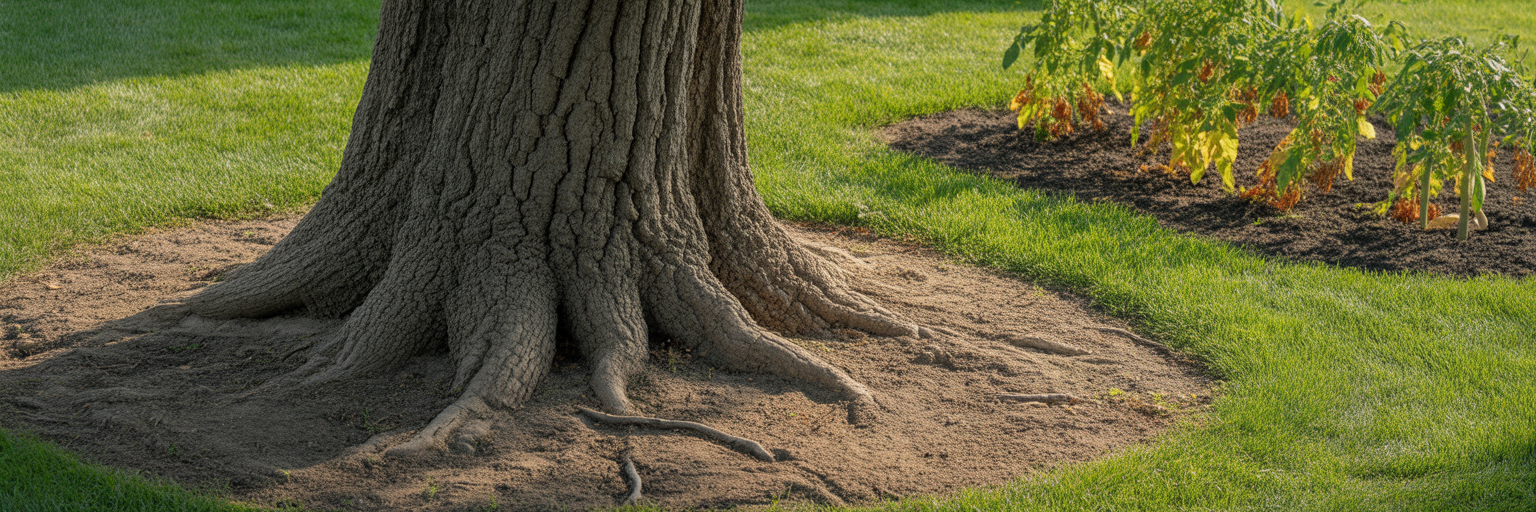
Now that we’ve explored the concept, let’s identify the specific plants that might be waging this war in your own backyard. Many common American garden plants are known for their allelopathic tendencies, but none are more famous than the Black Walnut tree. The issue of black walnut juglone toxicity is a frequent headache for gardeners. This tree produces a powerful chemical called juglone, which is present in its roots, leaves, and nut hulls. It’s so effective that it can kill sensitive plants like tomatoes, potatoes, and apple trees that dare to grow within its root zone.
But the Black Walnut isn’t the only offender. Sunflowers, while beautiful, are also potent plants that inhibit growth. Their decaying stalks and seeds release compounds that can hinder the growth of crops like corn and beans planted in the same spot the following season. Farmers have long known about sorghum, a type of grass often planted as a cover crop specifically for its ability to release sorgoleone from its roots, a natural herbicide that suppresses common weeds.
Even some native wildflowers and ferns are masters of this strategy. Certain species of Goldenrod and ferns can create dense, uniform stands by releasing chemicals that prevent other native plants from establishing, forming a monoculture. Recognizing these plants is crucial for successful garden planning.
| Plant Name | Primary Allelochemical | Method of Release | Commonly Affected Plants |
|---|---|---|---|
| Black Walnut (Juglans nigra) | Juglone | Roots, leaves, nuts, hulls | Tomatoes, potatoes, apples, azaleas |
| Sunflower (Helianthus annuus) | Heliannuols | Decaying stalks, seeds, pollen | Corn, beans, wheat |
| Goldenrod (Solidago spp.) | Various terpenes & phenolics | Root exudates, leaf litter | Native wildflowers, grasses |
| Sorghum (Sorghum bicolor) | Sorgoleone | Root exudates | Broadleaf weeds, some grasses |
Note: This table highlights some of the most well-known allelopathic plants in North America. The severity of effects can vary based on soil type, moisture, and the specific variety of the affected plant.
Diagnosing Allelopathy in Your Plot
Are you staring at a patch of your garden where nothing seems to thrive? Before you blame the soil or pests, consider allelopathy. Misdiagnosis is common, but a few key signs can point to chemical warfare as the root cause. Ask yourself if you see these patterns:
- A clear pattern of poor growth around a specific plant. Is there a distinct circle of struggling or dead plants surrounding a large tree or a dense patch of perennials?
- Unexplained wilting or yellowing. Do plants look thirsty or nutrient-deficient even though you’ve been watering and feeding them properly?
- Widespread seed germination failure. Have you tried sowing seeds in a particular area multiple times, only to have them fail to sprout for no apparent reason?
The most telling clue is the “zone of influence.” You’ll often see a gradient of damage, with plants closest to the allelopathic source showing the most severe symptoms, while those farther away appear healthier. This is different from a nutrient deficiency, which typically affects an entire bed more uniformly. According to Penn State Extension, recognizing this zone is a key step in identifying the problem. These mysterious failures are often at the heart of many companion planting problems, where seemingly compatible plants just refuse to grow together. If you’re curious about other natural phenomena and gardening insights, our blog is full of fascinating topics.
Harnessing Allelopathy for Natural Weed Control
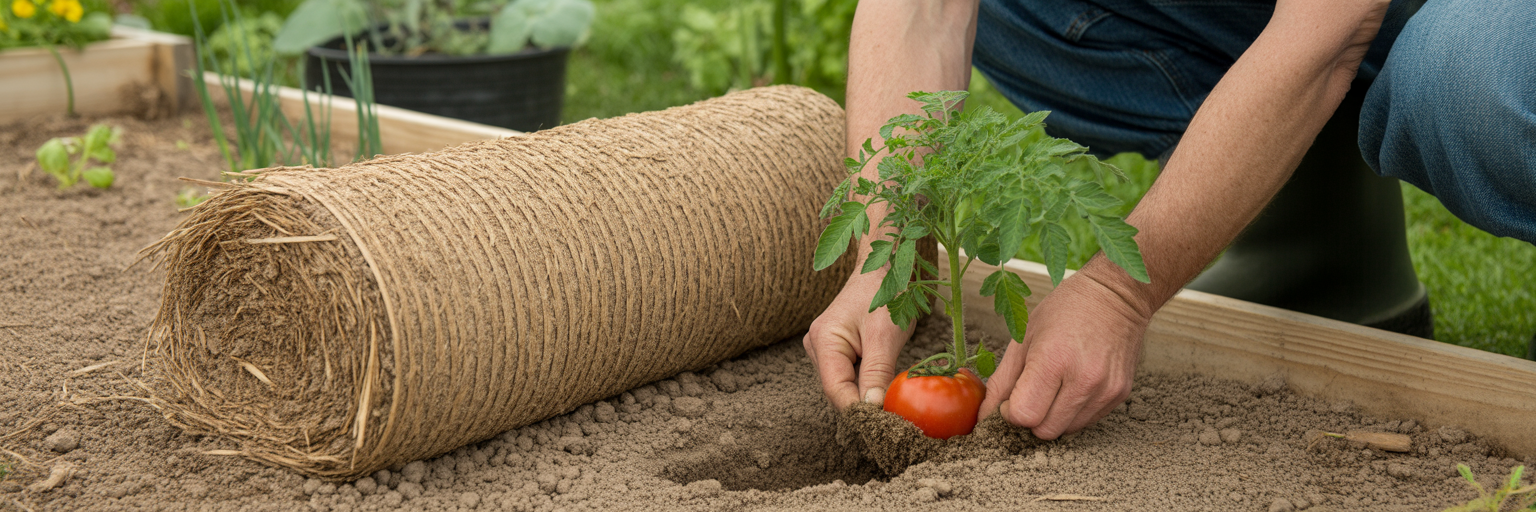
Instead of viewing allelopathy as just a problem, what if you could use it to your advantage? This natural phenomenon offers a powerful tool for sustainable gardening, providing effective natural weed suppression methods that reduce the need for manual weeding or chemical herbicides. By strategically planting certain species, you can let nature do the hard work of keeping weeds at bay. These are the allelopathic plants for weed control that every organic gardener should know.
Here are a few practical examples of how to put this science into action:
- Cereal Rye: Planted in the fall, this cover crop releases allelochemicals as it grows and continues to do so as its residue decomposes in the spring. The resulting mulch effectively suppresses the germination of many common spring weeds.
- Sorghum-Sudangrass Hybrids: This fast-growing summer cover crop is a powerhouse for clearing out weedy beds. Its roots exude large amounts of sorgoleone, which is highly effective against broadleaf weeds.
- Buckwheat: Known for its rapid growth, buckwheat can be planted to quickly shade out and outcompete weeds in a short window, making it perfect for preparing a bed between spring and fall plantings.
You can even use byproducts, like spreading pine needles from allelopathic pine trees as a mulch in pathways or around acid-loving plants like blueberries. However, a word of caution is essential. This method requires careful planning to avoid harming your desired crops. As research published in the journal Agronomy confirms, the strategic use of allelopathic cover crops is a well-documented practice in agriculture that home gardeners can successfully adopt with the right knowledge.
Creating Harmony in a Competitive Garden
What if you’ve inherited a garden with a massive Black Walnut or another established allelopathic plant? You don’t have to resort to cutting it down. With a few smart strategies, you can create a thriving garden by working with, not against, these powerful plants. The focus here is on mitigation and creating a balanced ecosystem where all your plants can coexist.
Here are some actionable steps to manage an allelopathic landscape:
- Physical Separation: The most direct solution is to create a barrier. Build raised garden beds with a landscape fabric liner at the bottom to prevent toxic roots from infiltrating the growing medium.
- Strategic Plant Selection: Don’t fight a losing battle. Instead, choose plants known to be tolerant of the specific allelochemicals. For example, onions, bee balm, hostas, and daylilies are known to grow quite happily near Black Walnut trees.
- Improve Soil Health: Healthy soil is your best ally. A soil rich in organic matter and teeming with microbial life can help break down allelochemicals more quickly, reducing their concentration and impact over time.
- Diligent Maintenance: Be vigilant about cleanup. Regularly rake up and remove fallen leaves, nuts, and other debris from the allelopathic plant to prevent the chemicals from leaching into the soil.
Understanding these complex interactions is the key to a successful garden. Nature’s resilience is remarkable, from plants that tolerate chemical attacks to creatures like the frog that can freeze solid and thaw back to life. By embracing these natural processes, you can cultivate a beautiful and balanced garden. For more incredible stories from the natural world, visit us at Nature is Crazy.