A Curious Deception in the Plant World
We often associate flowers with the sweet fragrance of a rose or the heady perfume of a gardenia. It’s a scent that signals life, beauty, and pollination. Yet, in some corners of the globe, certain plants have evolved to do the exact opposite. They smell not of life, but of death. These are the plants that mimic dead animals to attract pollinators, and their strategy is a masterclass in evolutionary trickery.
This isn’t a flaw or an accident. It’s a highly specialized form of mimicry designed to attract a very different kind of clientele. While most flowers cater to bees and butterflies with sugary nectar and bright colors, these plants have tailored their appeal to insects that are drawn to decay. They have effectively opted out of the mainstream pollinator market to corner a niche one.
But how do they create such a convincing stench? What specific insects are they trying to fool, and what is the evolutionary advantage of smelling like a carcass? The answers reveal a bizarre and fascinating side of the plant kingdom. This is just one of many strange and wonderful adaptations you can find in the natural world, and we share more insights on our blog about evolution’s creativity.
The Chemical Recipe for a Foul Odor
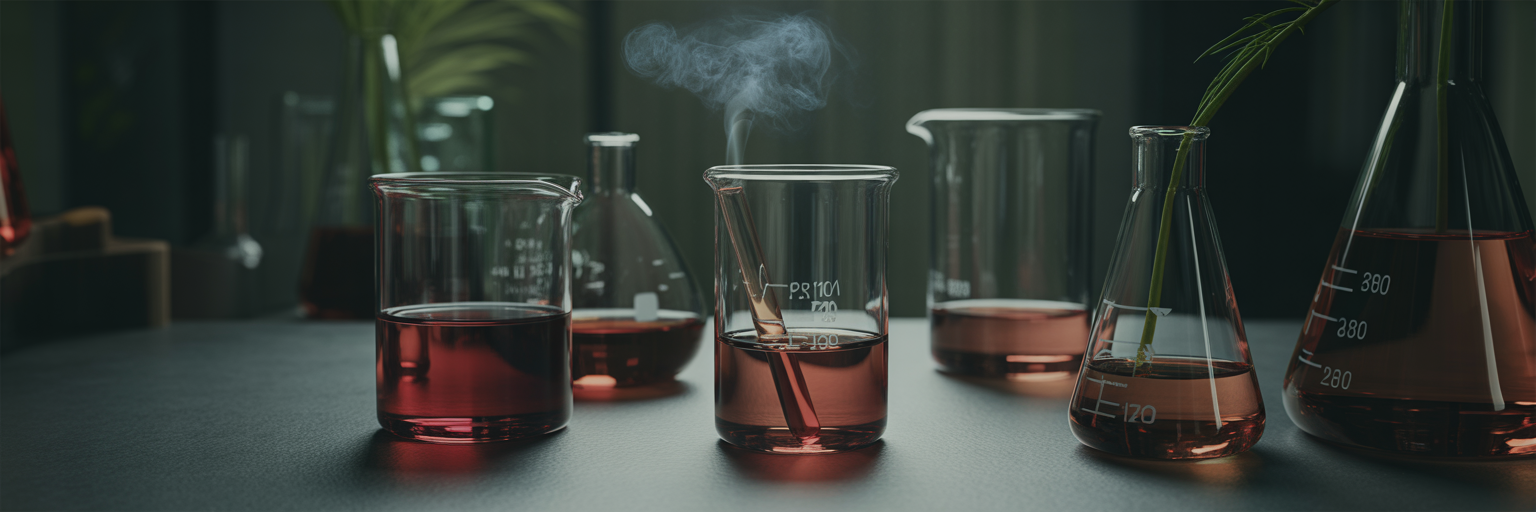
The repulsive smell of a carrion flower is no coincidence; it’s a precision-engineered chemical cocktail. Plants create this stench by releasing a specific blend of volatile organic compounds (VOCs) into the air. These compounds are identical to those produced by decaying organic matter, effectively hijacking the senses of certain insects.
Think of it as a recipe for rot. The plant combines different chemical ingredients to create a scent profile that is irresistible to its target audience. The primary components of this morbid perfume include:
- Dimethyl sulfides: These compounds are responsible for the pungent smell of rotting cabbage, garlic, and decomposing animal tissue.
- Putrescine and Cadaverine: As their names suggest, these amines are hallmarks of putrefaction and smell distinctly of decaying flesh.
- Trimethylamine: This is the chemical that gives rotting fish its notoriously strong and unpleasant odor.
By releasing this specific blend, the plant creates a powerful signal that travels through the air. The highly sensitive antennae of flies and beetles are biologically programmed to detect these molecules, which normally lead them to a meal or a place to lay their eggs. The plant exploits this instinct, luring the insects in for its own reproductive purposes. It is a stunning example of chemical engineering, perfected over millions of years to ensure its survival.
Notable Plants with a Morbid Perfume
This morbid strategy has been adopted by a surprisingly diverse group of plants, each with its own unique flair. One of the most visually striking is the Dead-Horse Arum, whose hairy, flesh-colored spathe looks unsettlingly like a decaying animal, perfectly complementing its foul smell to attract blowflies.
Other plants have developed even more intricate traps. A 2021 study published in Frontiers in Ecology and Evolution revealed that Aristolochia microstoma emits a scent mimicking invertebrate carrion to lure phorid flies into a temporary prison, ensuring they are covered in pollen before they can escape. This level of deception is not unique; other organisms have developed equally mind-bending survival mechanisms, like the parasite we wrote about that turns snails into zombies.
Of course, no discussion of these plants is complete without answering, what is a corpse flower? The most famous of all is the Titan Arum. This giant can grow over ten feet tall and produces one of the most powerful stenches in the plant world, attracting pollinators from over half a mile away. Its deep maroon interior even mimics the color of raw meat. This strategy of carrion mimicry has evolved independently across different plant families, from the star-shaped Stapelia to certain orchids, proving its remarkable success.
| Common Name | Scientific Name | Key Visuals | Primary Pollinator |
|---|---|---|---|
| Corpse Flower | Amorphophallus titanum | Massive single flower, deep maroon interior | Carrion beetles, flesh flies |
| Dead-Horse Arum | Helicodiceros muscivorus | Hairy, flesh-colored spathe resembling a carcass | Blowflies |
| Giant Stapelia | Stapelia gigantea | Large, star-shaped, leathery flower with fine hairs | Flesh flies |
| Dutchman’s Pipe | Aristolochia microstoma | Small, brown, tube-like flower emerging from the ground | Phorid flies (fungus gnats) |
Note: This table highlights the diversity in appearance and pollinator targets among plants that use carrion mimicry, demonstrating how different species have adapted the same core strategy to their unique environments.
The Duped Diners and Deceived Parents
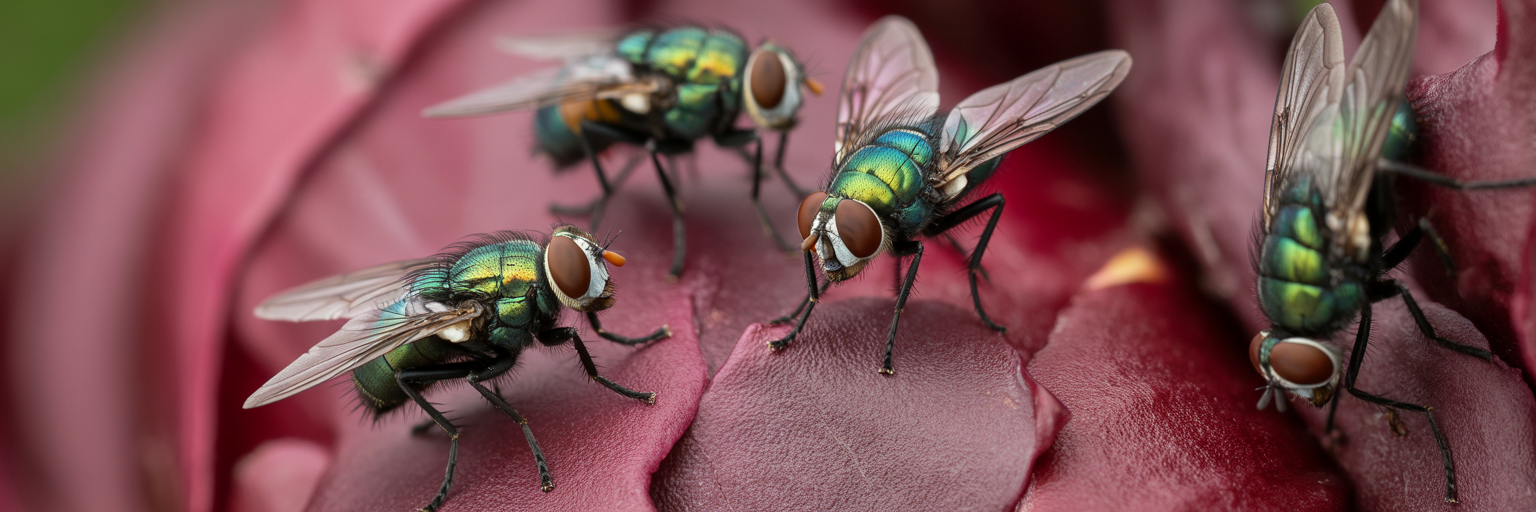
To truly understand this phenomenon, we have to look at it from the perspective of the victims: the insects that pollinate flowers through this trickery. The primary targets are carrion flies, like blowflies, and certain beetles, such as burying beetles. These insects are drawn to the scent of decay for two critical reasons: to find a meal for themselves or, more importantly, to find a suitable place to lay their eggs.
A female blowfly, for instance, is searching for a carcass to ensure her larvae will have a food source upon hatching. When she detects the carrion flower’s scent, she is convinced she has found the perfect nursery. She lands on the flower, crawling around to find just the right spot to deposit her eggs. As she moves, she inadvertently picks up pollen or transfers it from a previous flower she visited. The plant gets what it wants: pollination.
But for the insect, the interaction is a complete loss. This is a “no-reward” system, a core feature of many deceptive pollination strategies. Unlike a bee that receives nectar for its efforts, the fly gets nothing. It wastes precious time and energy on a false promise. Worse, any eggs it lays on the flower are doomed, as the larvae will hatch with no food source and starve. This form of deception is mirrored in the animal kingdom, where creatures like the Lyrebird have learned to mimic chainsaws and camera shutters, a topic we explored in our article on why Lyrebirds mimic man-made sounds.
The Evolutionary Logic Behind the Ruse
So why would a plant evolve such a complex and macabre strategy? The answer lies in the clear evolutionary advantages that carrion flower pollination provides. It is a calculated solution to the universal challenge of reproduction, especially in environments where typical pollinators are unreliable.
The logic behind this ruse is threefold:
- Attracting a Reliable Workforce: In many habitats, bees and butterflies can be scarce or seasonal. Flies and beetles, however, are almost universally abundant. By smelling like a carcass, the plant taps into a dedicated and ever-present group of pollinators that other flowers ignore.
- Energy Conservation: Producing sugary nectar is a metabolically expensive process. By forgoing this reward, the plant can redirect its energy toward other vital functions, such as producing its enormous, structurally complex flowers and the potent chemical signals needed to attract insects from afar.
- Ensuring Pollinator Fidelity: The highly specific scent acts like a private communication channel. A fly attracted to the smell of one corpse flower is highly likely to seek out another of the same species. This dramatically increases the chances of successful cross-pollination compared to a generalist pollinator that might visit dozens of different flower types.
This type of mimicry is one of several deceptive pollination strategies found in nature. As documented by the USDA Forest Service, some plants have become masters at tricking insects without offering any reward. It is a high-stakes game of deception that has proven incredibly effective.
Completing the Illusion with Sight and Touch
The deception does not end with smell. The most successful of these plants create a full multi-sensory illusion to make their mimicry almost perfect. The visual cues are often just as important as the chemical ones. Many of these flowers feature mottled brown, deep red, and purplish hues that look remarkably like bruised or decaying flesh. Some, like the Dead-Horse Arum, even have hairy or wrinkled textures that mimic the look and feel of skin or fur.
Perhaps the most astonishing part of the illusion is the use of heat. Some plants, including the famous Titan Arum, can generate their own heat through a process called thermogenesis. This has a twofold benefit. First, the warmth helps vaporize the smelly compounds, allowing the stench to travel farther and attract more insects. Second, it mimics the warmth of a recently deceased animal, providing a final, convincing cue for insects that use thermal signals to locate fresh carcasses.
This combination of scent, sight, texture, and even heat creates an irresistible lure. It is a powerful reminder of the extreme lengths life will go to survive, rivaling even the incredible ability of the wood frog, which we’ve covered in our story about the frog that freezes solid and thaws back to life. These plants showcase one of nature’s most sophisticated and bizarre solutions to the universal challenge of reproduction.