A Peek into Nature’s Most Twisted Parasite Life Cycles
If you thought your roommate who never does the dishes was a freeloader, wait until you meet these guys. They don’t just steal your food; they steal your free will. Welcome to the bizarre and frankly rude world of parasites, where survival is a heist movie written by a horror director. We’re about to explore some of the most complex parasite life cycles out there, and trust us, they are not for the faint of heart. These creatures are evolutionary geniuses with terrible manners and even worse intentions.
Forget simple pests. These organisms have developed strategies that include mind control, body-snatching, and other horrifyingly creative tactics just to get from one host to the next. Their entire existence is a multi-stage drama of manipulation and mayhem. They don’t just live in their hosts; they redecorate, rewire, and completely hijack them for their own twisted purposes. This isn’t just about finding a free meal. It’s about turning another living being into a taxi, a nursery, and a bodyguard, all without asking permission.
This article is your guided tour through a gallery of some of the weirdest parasites nature has to offer. We’ll meet puppeteers that turn snails into zombie disco balls and home invaders that chemically neuter their hosts before turning them into nannies. Each one has a life story so strange it makes science fiction look unimaginative. So, grab some popcorn, or maybe don’t, and brace yourselves. It’s about to get weird.
The Zombie Snail Maker: Leucochloridium Paradoxum
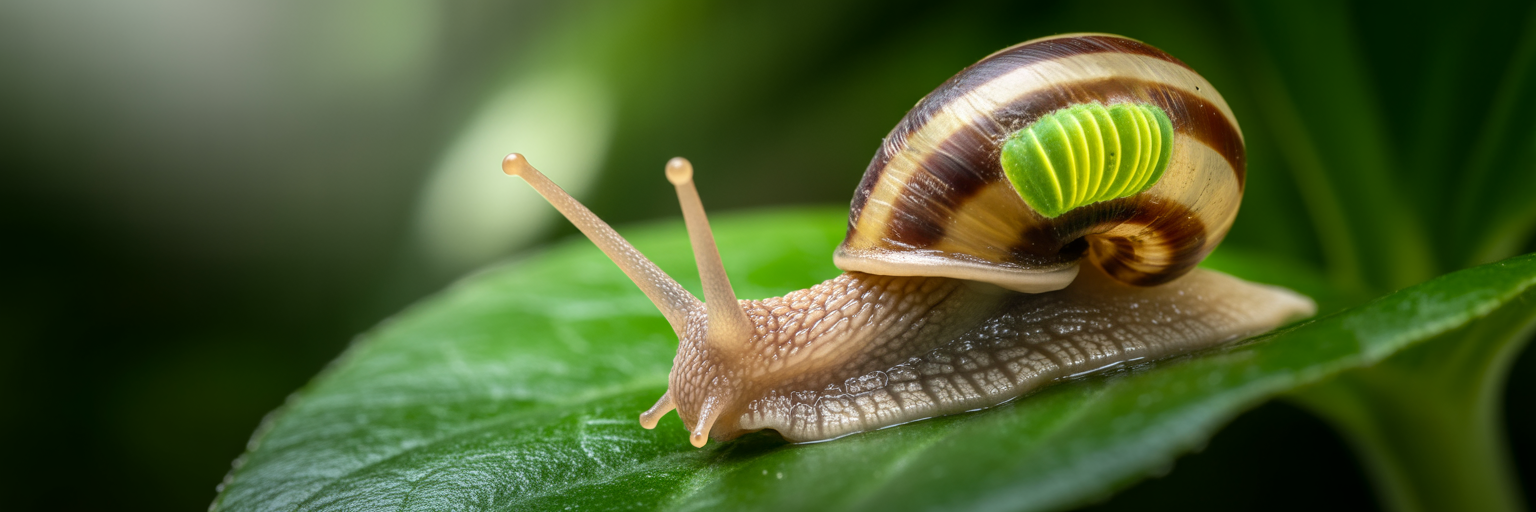
First up on our tour of tiny terrors is the green-banded broodsac, Leucochloridium paradoxum. This parasite is nature’s most flamboyant puppeteer, and its stage is a poor, unsuspecting snail. The whole ordeal begins when a snail accidentally eats bird droppings containing the parasite’s eggs. Bon appétit, little guy. Once inside, the parasite doesn’t just settle in. It becomes an interior decorator from hell, growing into long, pulsating sacs that invade the snail’s eyestalks.
This is where the real show begins, a textbook case of parasite host manipulation. The parasite makes the snail’s eyestalks swell up and throb with bright green and yellow bands. It essentially turns the snail’s antennae into a throbbing disco rave to attract its next ride. The snail, which normally hates light and prefers to hide in the shadows, is suddenly compelled to climb to the most exposed, well-lit part of a leaf. It has no choice in the matter. The parasite is now the DJ, and the snail is on the dance floor, whether it likes it or not.
The grand finale is as grim as it is brilliant. A passing bird sees the pulsating, caterpillar-like eyestalks and thinks it has found a juicy snack. It swoops down and pecks them off, consuming the parasite within. The zombie snail parasite has now reached its final destination, where it can mature and reproduce inside the bird. Its eggs will eventually be pooped out, ready for another snail to start the cycle all over again. The snail, meanwhile, is left eyeless and confused, a tragic victim of the world’s worst case of parasitic peer pressure.
The Crab Castrator: Sacculina Carcini
If you thought the zombie snail had it bad, allow us to introduce Sacculina carcini, a barnacle that redefines the term “toxic relationship.” This parasite isn’t content to just live with its host; it demands a full, hostile takeover that makes your clingiest ex look like a casual acquaintance. The story begins when a tiny female Sacculina larva finds an unsuspecting crab, latches on, and injects a small part of itself into the crab’s body. It’s the world’s most insidious home invasion, and the crab has no idea what’s coming.
Once inside, the parasite grows a network of root-like tendrils that spread throughout the crab’s entire body, wrapping around its organs and sucking up all its nutrients. But it doesn’t stop there. This is where it gets truly diabolical. The parasite chemically castrates the crab, completely destroying its reproductive organs. It’s the ultimate freeloader: it moves in, eats all your food, and makes sure you can never have kids. The crab’s life is no longer its own. It is now just a shell, a vehicle for the parasite’s own reproductive ambitions.
The final, bizarre stage of this takeover is when the parasite forms a large, fleshy sac on the outside of the crab, right where the crab would normally carry its own eggs. The crab, now hormonally tricked, is compelled to care for this parasitic sac as if it were its own precious brood. It cleans it, protects it, and helps it release a new generation of Sacculina larvae. Even if the host crab is male, the parasite feminizes its body and behavior, forcing it to perform the same maternal duties. The crab becomes a mindless “zombie nanny,” forever enslaved to the freeloader that stole its body, its future, and its very identity.
The Brain-Eating Menace: Naegleria Fowleri
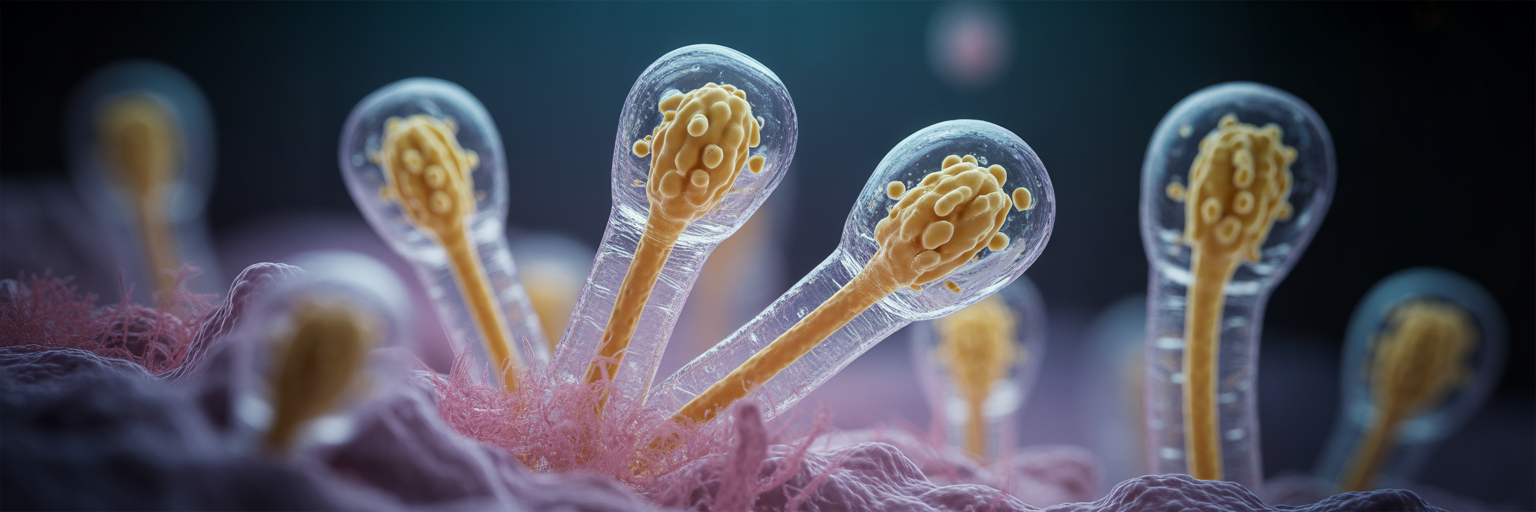
Alright, let’s shift gears for a moment. While the last two parasites were horrifying, they probably won’t affect your summer plans. This one, however, might. Meet Naegleria fowleri, the infamous “brain-eating amoeba.” This microscopic villain is, unfortunately, very real, and its life cycle is less a complex drama and more a direct, terrifying sprint to the finish line. It typically lives in warm freshwater like lakes, rivers, and hot springs, just minding its own business.
The extremely rare infection occurs when water containing the amoeba is forced up the nose, say, from jumping or diving into a lake. This is the number one reason you shouldn’t try to snort an entire lake. Among others, probably. Once inside your nasal passages, the amoeba doesn’t have a grand plan. In fact, it’s just lost. It latches onto the olfactory nerve and follows it, thinking it’s heading toward a tasty bacterial snack. The problem is, that nerve is a direct highway to your brain, which the amoeba tragically mistakes for an all-you-can-eat buffet.
The result is a devastating condition called primary amebic meningoencephalitis (PAM). The amoeba begins consuming brain tissue, but the real damage is caused by the body’s own massive and aggressive immune response, which leads to severe brain swelling. Now, before you swear off swimming forever, it’s important to know the facts. According to health organizations like the Centers for Disease Control and Prevention (CDC), infections are incredibly rare, with only a handful of cases reported in the United States over the last decade. While PAM is almost always fatal, your chances of ever meeting this menace are astronomically slim. So you can probably still enjoy your summer swim, just maybe avoid cannonballing headfirst into murky pond water.
The Shape-Shifting Sickness: Trypanosoma Brucei
Next on our list of nature’s nightmares is Trypanosoma brucei, the parasite responsible for African sleeping sickness. If the other parasites were specialists, this one is a master of disguise. This parasite has more costume changes than a pop star at an awards show, and each one is designed to ruin someone’s day. Its life cycle is a two-host affair, starting with an unsolicited parasite injection from its partner in crime, the tsetse fly.
When a tsetse fly bites a human, it passes the parasite into the bloodstream. From there, Trypanosoma begins its long and destructive journey. The key to its success is its incredible ability to change its form to survive in different environments. This shape-shifting makes it a nightmare for the host’s immune system. Its wardrobe includes:
- In the Tsetse Fly’s Gut: Here, it takes on a “procyclic form.” It’s focused on multiplying like crazy and getting ready for its big debut in a mammalian host.
- In the Human Bloodstream: It transforms into a sleek, mobile “trypomastigote.” This form is built for travel and, more importantly, for evasion.
This constant changing of its surface proteins is how it masterfully avoids being caught. Just as the immune system produces antibodies to recognize and attack one version of the parasite, Trypanosoma switches its coat, becoming invisible once again. This allows it to persist in the body for months or even years, eventually crossing the blood-brain barrier and causing the neurological symptoms that give sleeping sickness its name. It’s the ultimate escape artist, always one step ahead of the law, which in this case is your own army of confused immune cells.
The Pork Tapeworm’s Two-Faced Attack: Taenia Solium
Get ready for a parasite that offers a “choose your own adventure” of horror. Meet the pork tapeworm, Taenia solium. It’s like a terrible game show where every prize is a different kind of parasitic infection, and the outcome depends entirely on what you accidentally eat. The two paths are wildly different, ranging from “unpleasant roommate” to “full-scale body invasion.”
First, there’s the “standard” route, which leads to an infection called taeniasis. This happens when you eat undercooked pork containing the tapeworm’s larval cysts. Once in your intestine, a single larva grows into an adult tapeworm. And when we say “grows,” we mean it. These things can reach several meters in length. While having a giant worm living in your gut is incredibly gross and can cause some discomfort, it’s relatively contained. Think of it as the world’s worst and most disgusting diet plan.
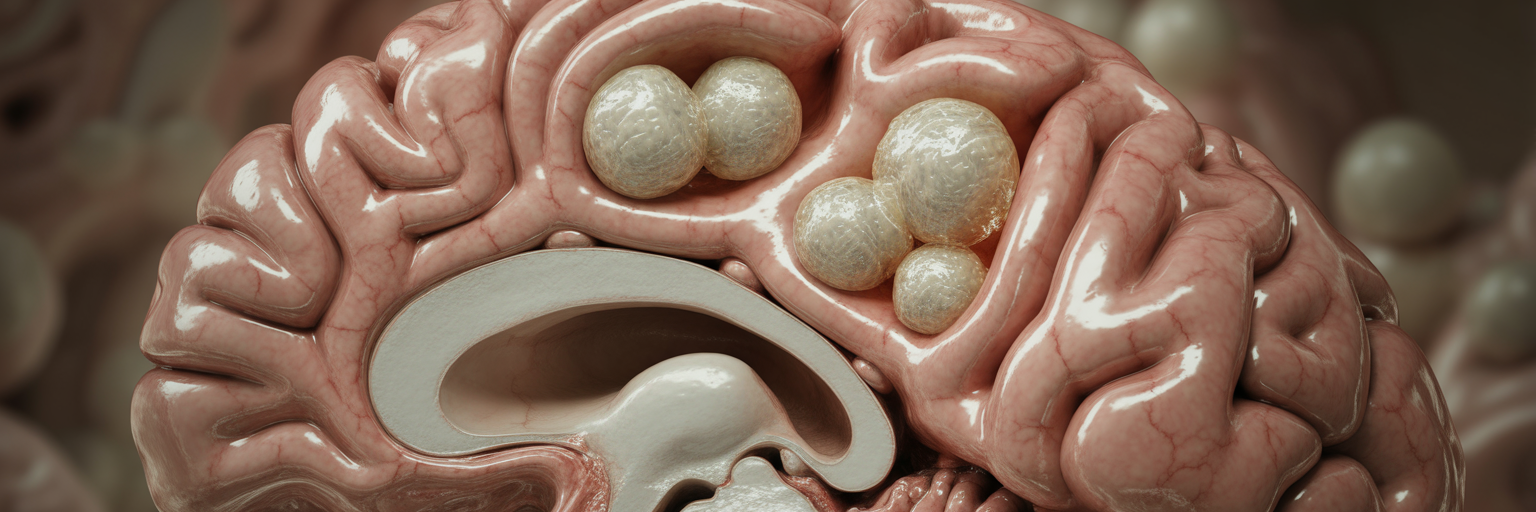
Then there’s the “nightmare” route: cysticercosis. This happens if a person ingests the microscopic tapeworm eggs, usually from food or water contaminated by someone who already has the adult tapeworm. In this scenario, the larvae hatch, burrow through the intestinal wall, and travel throughout the body. They form cysts in muscles, eyes, and, most terrifyingly, the brain (a condition called neurocysticercosis), which can cause seizures and severe neurological damage. The difference is stark, as this table shows.
| Infection Type | How You Get It | What Happens Inside | The Unfortunate Outcome |
|---|---|---|---|
| Taeniasis (The Roommate) | Eating undercooked pork with larval cysts | A single adult tapeworm grows in your intestine | Abdominal pain, nausea, and the horror of having a multi-meter worm inside you |
| Cysticercosis (The Invasion) | Ingesting microscopic eggs (from contaminated food/water) | Larvae hatch and travel throughout the body, forming cysts | Cysts in muscles, eyes, and the brain (neurocysticercosis), which can cause seizures and neurological damage |
So, to recap: cook your pork, wash your hands, and try not to eat things that came out of someone who already has a giant worm roommate. Sound advice for any day, really.
Why We Can’t Help But Stare at These Freaks of Nature
After that delightful journey, you might be wondering why on earth we’re so captivated by these disturbing life cycles. It’s not just about the “gross-out” factor, though that’s certainly part of the fun. It’s about witnessing the absolute extremes of evolution. Parasites are nature’s most brutal but brilliant innovators. Their survival depends on solving problems with horrifyingly clever solutions.
The strategies we’ve seen, from mind control and physiological hijacking to shape-shifting and chemical warfare, are a testament to life’s relentless drive to continue. These are some of the weirdest parasites on Earth, and their stories challenge our ideas of what it means to be a living organism. They remind us that the natural world is full of tiny horrors that are a vital part of the ecosystem and a testament to nature’s wild, unapologetic creativity. So next time you see a snail, give it a little nod of respect. It might be having a very, very bad day, all in the name of science.