Animals
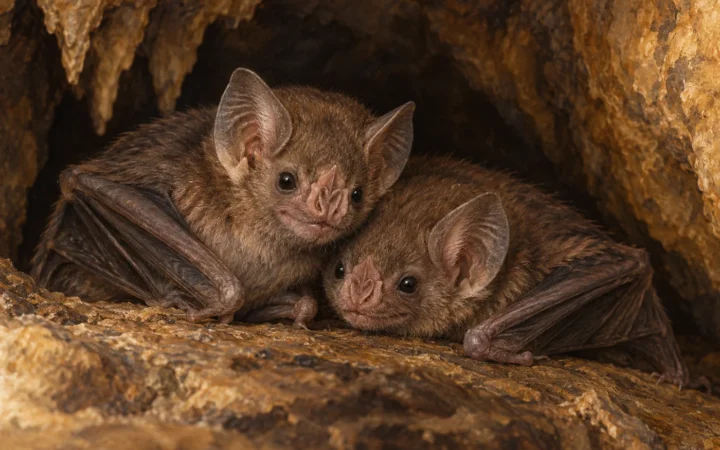
Why Vampire Bats Share Blood Meals
Discover why vampire bats share blood meals, how grooming builds cooperative bonds, and what experiments reveal about reciprocal help.
Filed in the Field Guide
Discover why vampire bats share blood meals, how grooming builds cooperative bonds, and what experiments reveal about reciprocal help.
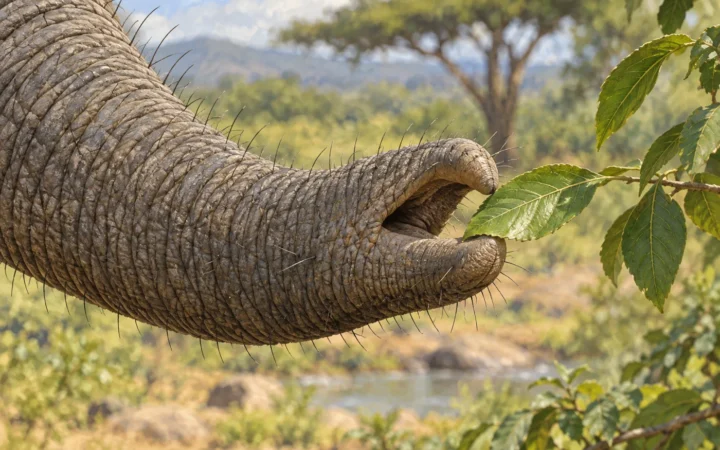
Explore how elephant trunk whiskers turn contact into sensory signals through their placement, nerves and changing material properties.
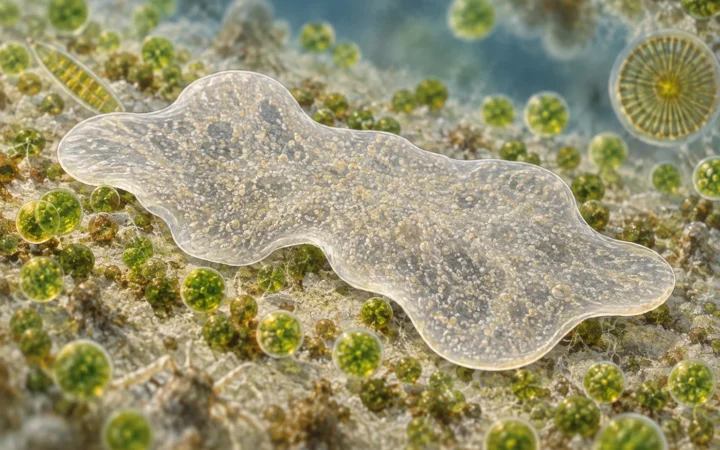
See how Trichoplax digests algae beneath its body and coordinates feeding without a mouth, internal gut or conventional nervous…
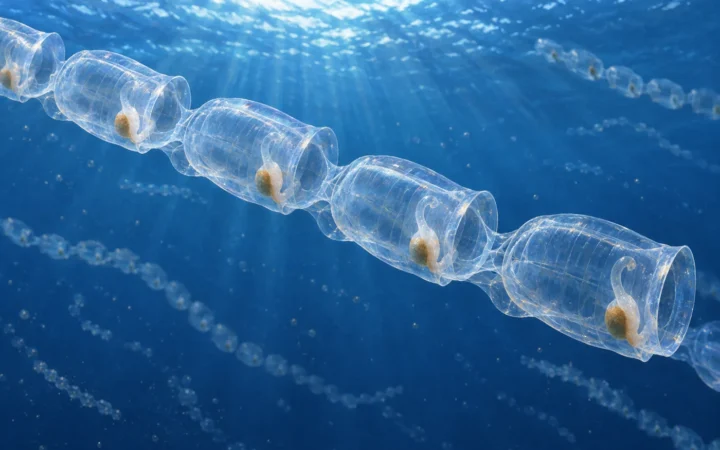
Learn how connected salps swim with multiple water jets, why asynchronous pulses help, and how chain geometry shapes their…
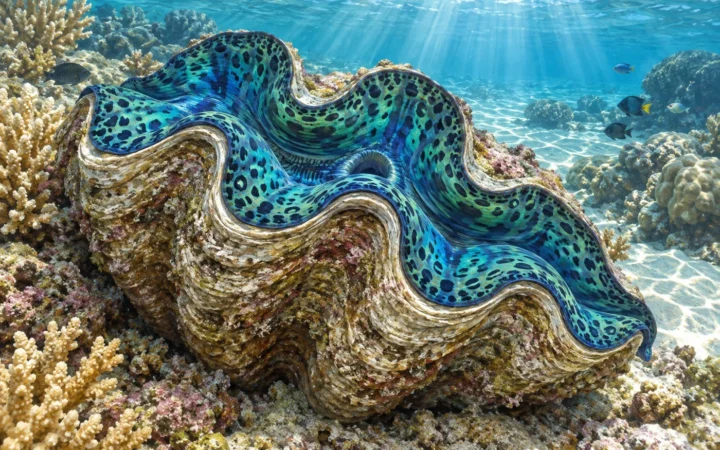
Discover how giant clams scatter sunlight through their mantle to illuminate the photosynthetic algae living inside their tissue.
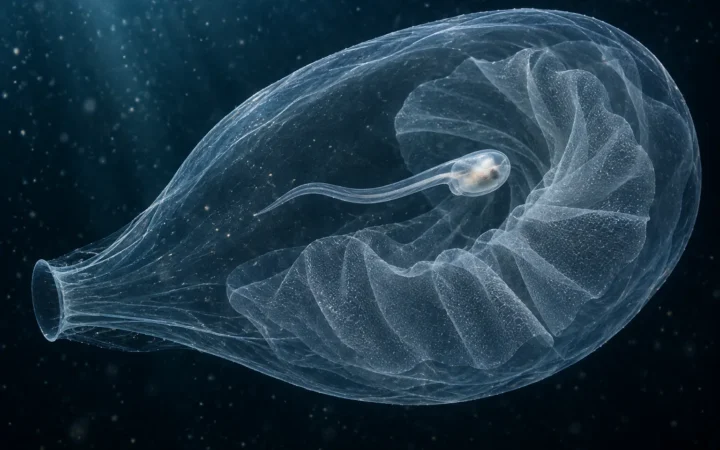
Giant larvaceans filter food through elaborate mucus houses. Learn how they build, abandon, and send these structures into the…
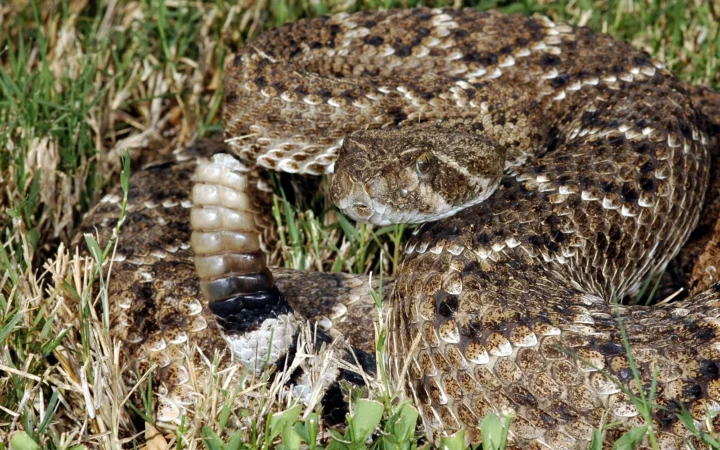
Rattlesnakes can abruptly speed up their rattles, making human listeners judge them as closer. Explore the experiment behind the…
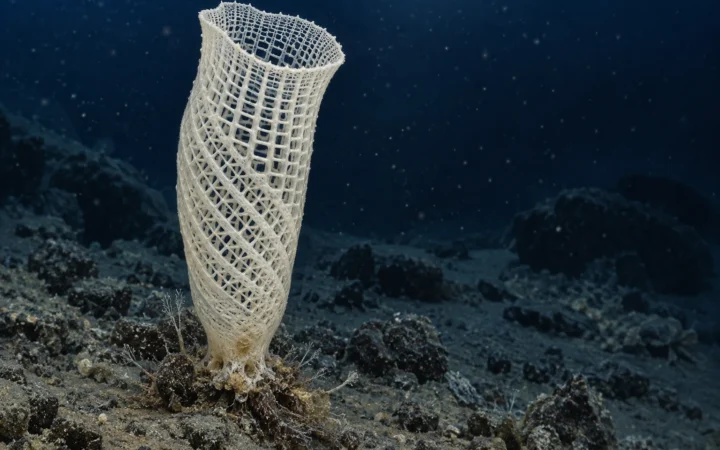
Glass sponges build intricate skeletons from silica. Discover their spicules, lattice structure, and the limits of the fiber-optic comparison.
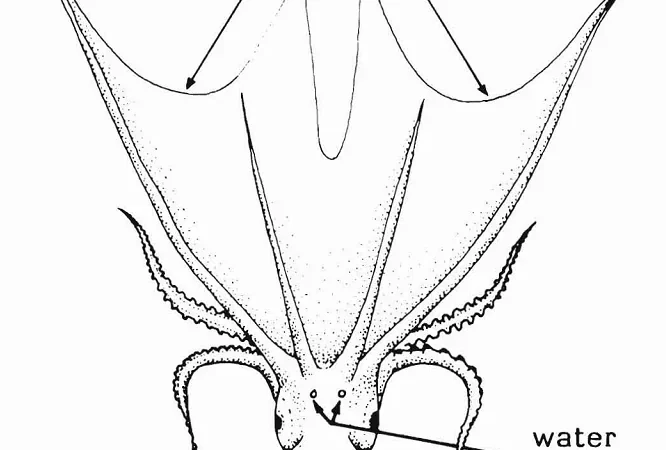
Female blanket octopuses can reach roughly two meters while males stay tiny. Explore the size difference and their unusual…
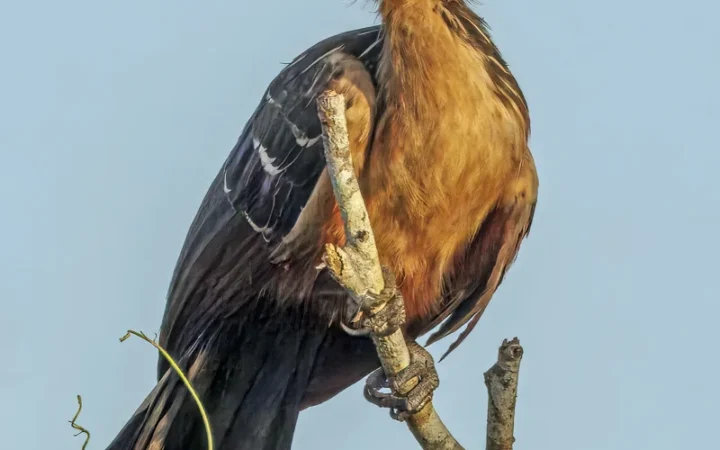
Meet the hoatzin, a leaf-eating bird whose enlarged crop houses microbes that ferment plant material before it reaches the…
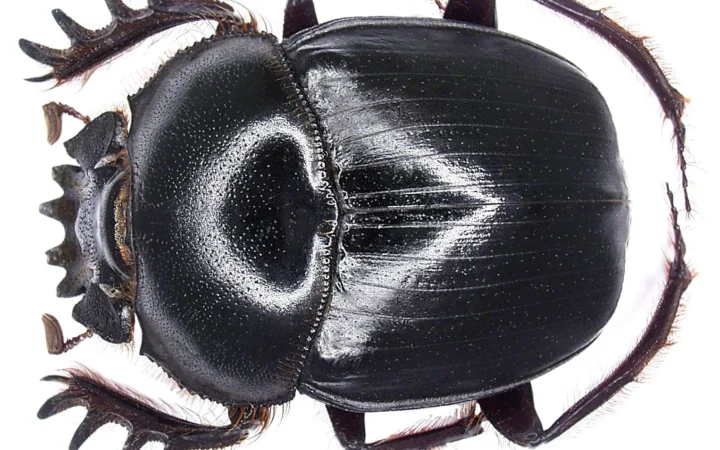
Discover how nocturnal dung beetles use the Milky Way to roll straight, how scientists tested it, and why artificial…
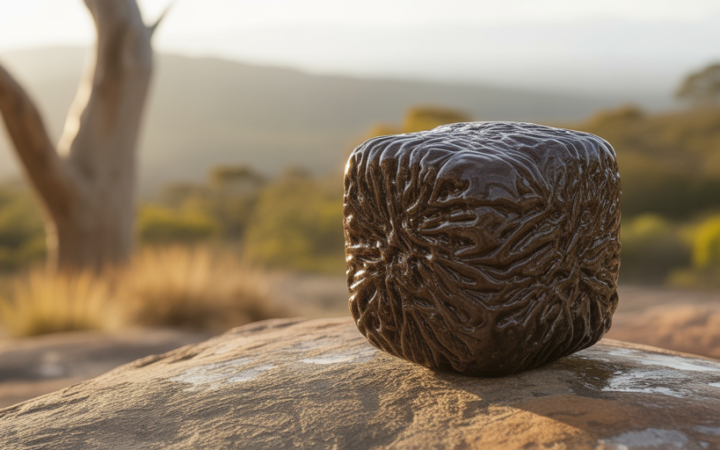
Explore the fascinating biological mechanics that allow wombats to produce their uniquely geometric, six-sided droppings.
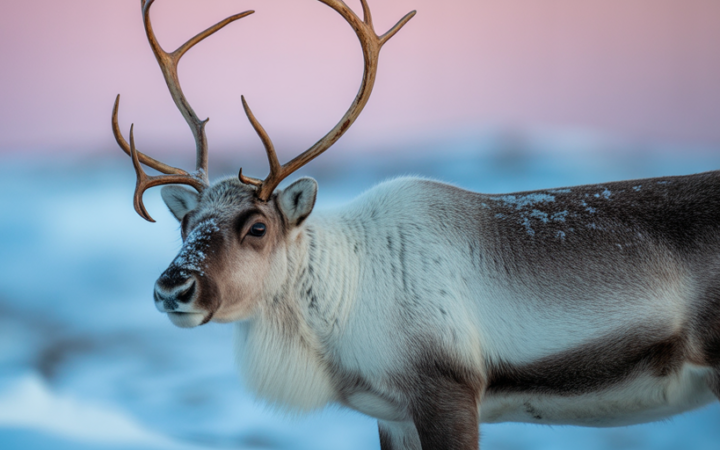
Discover the unique biological process that allows an Arctic reindeer's eyes to shift from gold to blue, providing a…
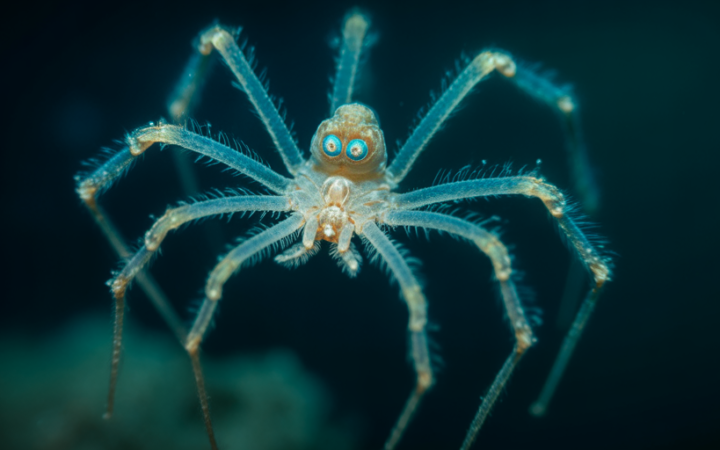
Learn how a peculiar marine creature developed a digestive system that doubles as a circulatory pump for its extremities.
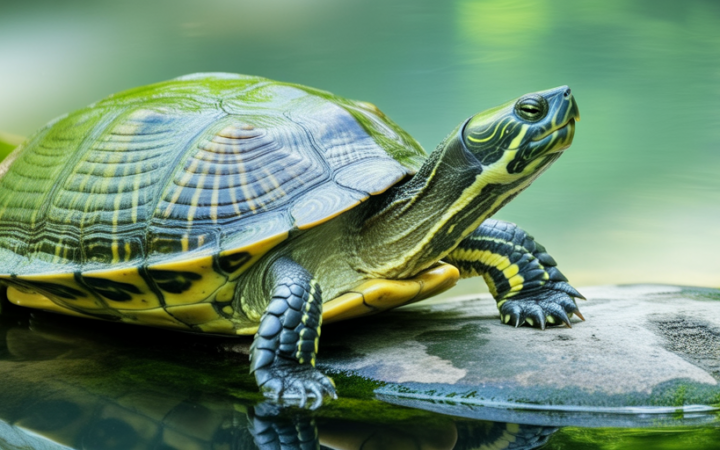
Explore the fascinating biological process that allows certain freshwater turtles to absorb oxygen from water using their rear end.
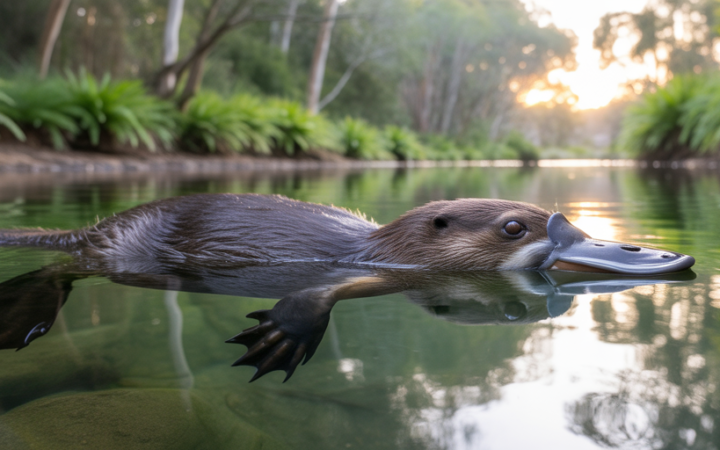
Learn about the fascinating and ancient way this unique egg-laying mammal produces milk and nourishes its young without the…
Explore how a small marine snail's microscopic teeth, the strongest known biological material, are shaping the future of materials…
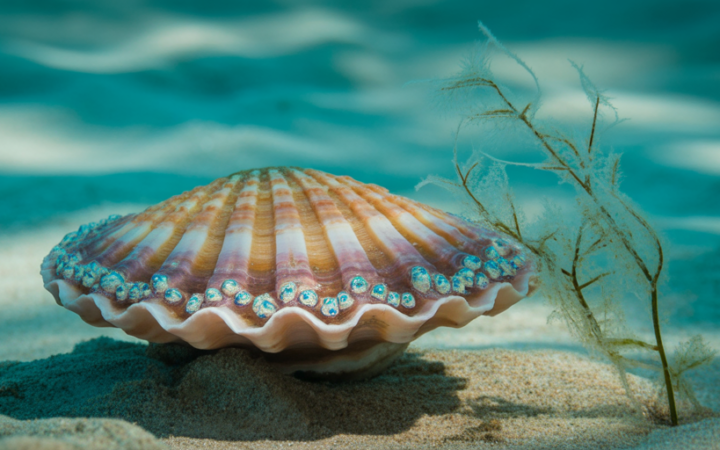
Discover the intricate optical system of a marine mollusk that uses hundreds of tiny, mirrored telescopes to perceive its…
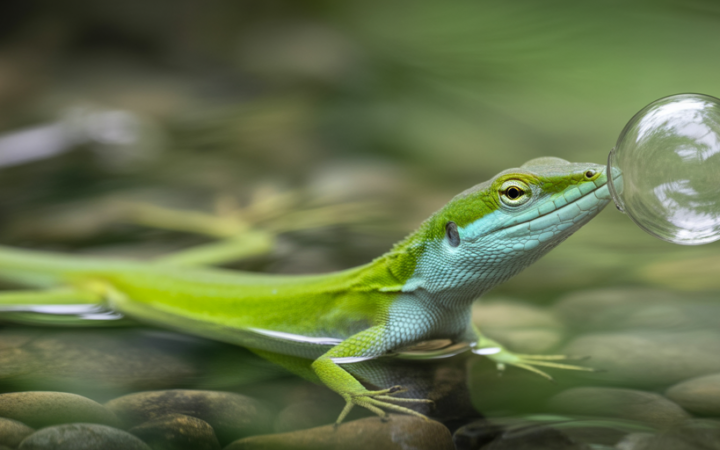
Learn the fascinating science of how a unique lizard uses a bubble to breathe underwater for extended periods.
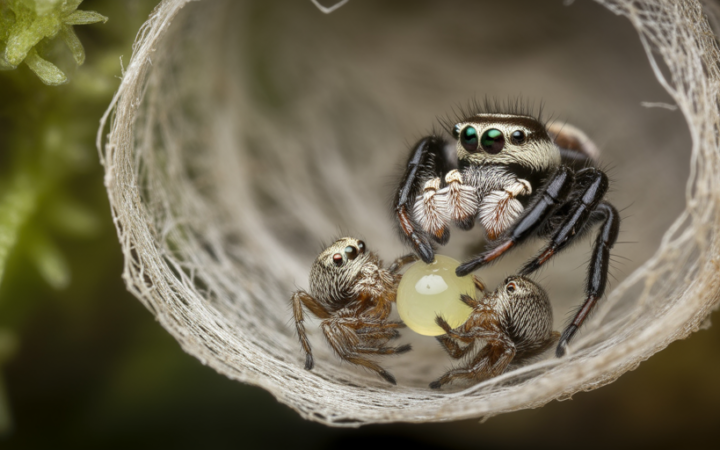
Learn about a remarkable jumping spider that nourishes its young with a nutrient-rich, milk-like secretion, challenging our understanding of…
Learn about the unique hunting method of a spider that transforms its silk home into a powerful, high-speed weapon.