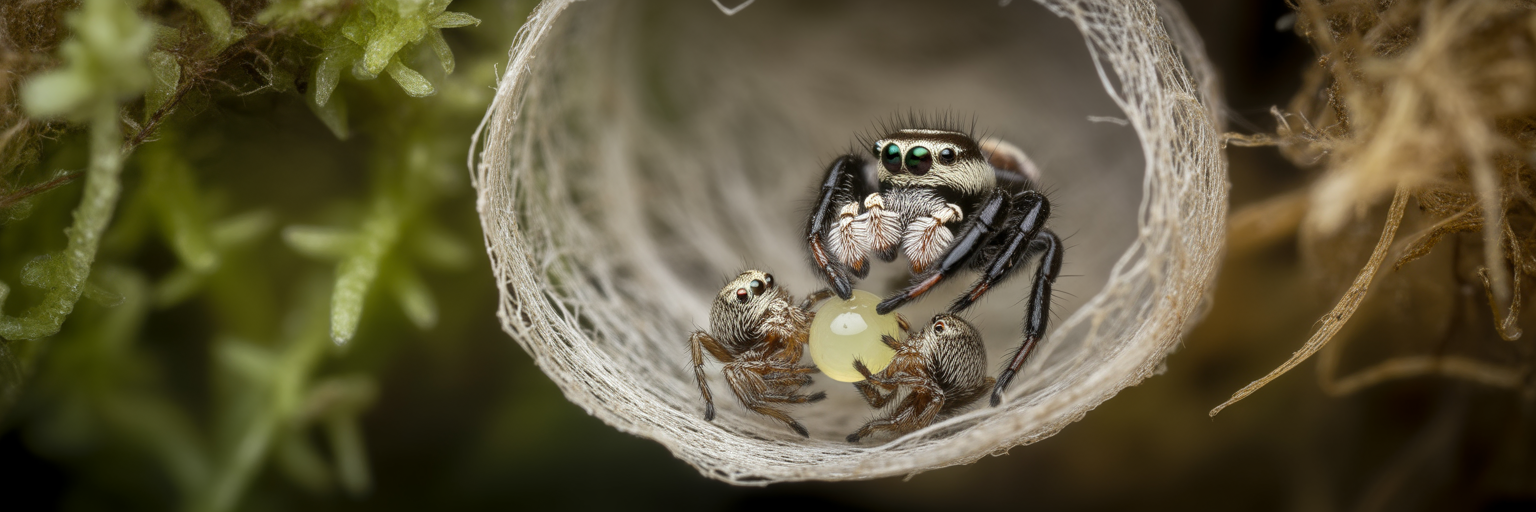
Of the nearly 50,000 known spider species, most live and hunt alone, their lives defined by solitude. This makes the discovery of a spider that feeds its babies milk a remarkable scientific event, challenging our fundamental understanding of arachnid behavior.
Discovering the Spider That Feeds Its Babies Milk
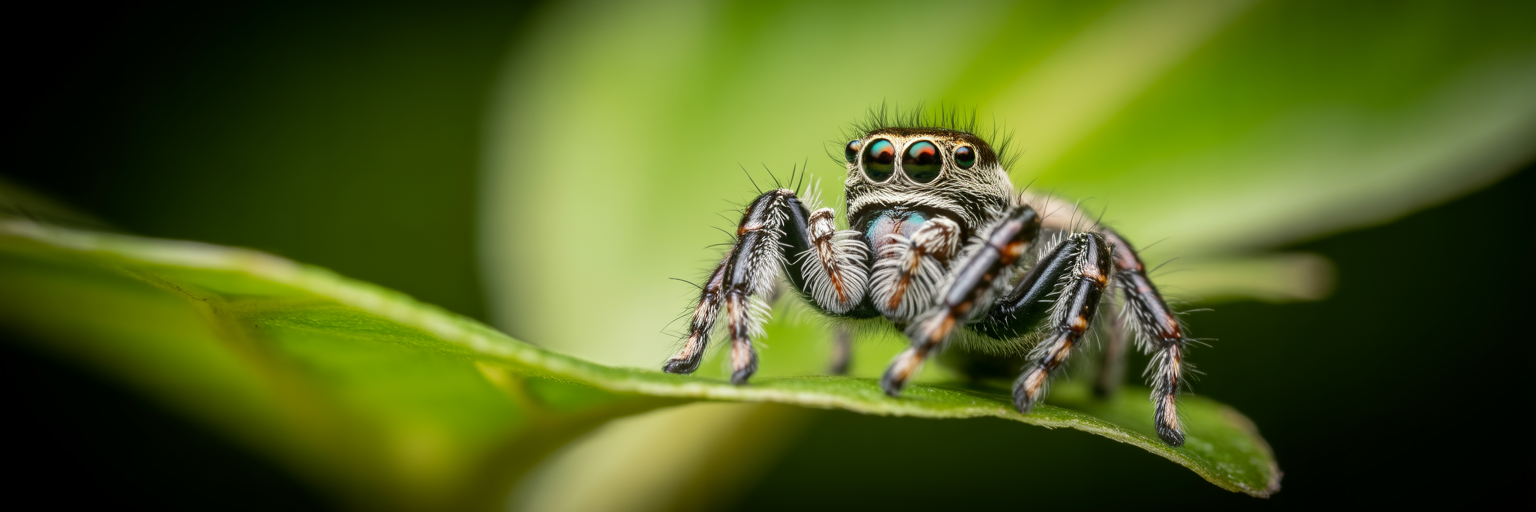
The story begins with a species of jumping spider, Toxeus magnus, native to Southeast Asia. Researchers were initially drawn to this spider because of its unusual living arrangements. Unlike their solitary relatives, these spiders were found living in communal nests, a behavior that immediately signaled something was different. This observation prompted a deeper investigation into their social lives and parental habits.
Scientists brought the spiders into the lab to observe them more closely. They noticed that the mother spider remained with her offspring long after they hatched, a first sign of extended jumping spider maternal care. The real breakthrough, however, came under the microscope. A researcher watched as a mother spider secreted a white, nutrient-rich fluid from her epigastric furrow. This anatomical feature, located on the underside of the abdomen, is primarily used for laying eggs. Seeing it produce a liquid food source was an astonishing moment.
The location of the secretion hinted at a reproductive function, but its purpose was not immediately clear. Were the spiderlings consuming it? Was it essential for their survival? This single observation opened a floodgate of questions. It suggested a form of parental provisioning far more complex than anything previously documented in spiders, setting the stage for a series of experiments to understand the nature of this mysterious substance and its role in the life of Toxeus magnus.
A Closer Look at the Nutrient-Rich Secretion
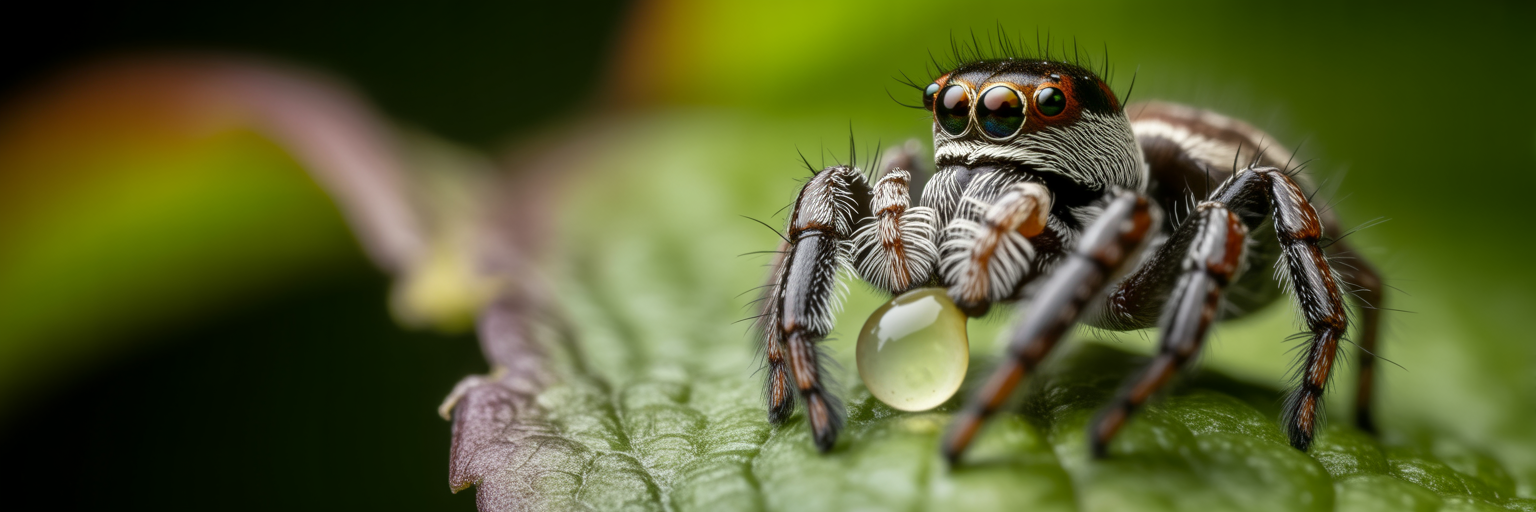
The white fluid produced by the mother Toxeus magnus is not just a simple liquid. Detailed analysis revealed a composition strikingly similar to mammalian milk, containing fats, sugars, and a high concentration of protein. A study published in Science revealed that the fluid contains a protein concentration approximately four times higher than that of cow’s milk. This makes the Toxeus magnus milk an incredibly potent food source, perfectly designed for rapidly growing offspring.
This spider milk secretion originates from the mother’s epigastric furrow. It is crucial to clarify that this is not a mammary gland, and the spider is not a mammal. The comparison to milk is a functional one, not an anatomical one. Scientists use the term “milk-like secretion” because it serves the exact same biological purpose as mammalian milk: it is a nutrient-dense liquid food provided by a mother to sustain her young during their earliest and most vulnerable stages of life.
The leading hypothesis for how the spider produces this substance suggests it may be derived from unfertilized eggs. The mother might internally process and re-liquefy these trophic eggs, converting them into a digestible fluid she can secrete on demand. This process represents a remarkable evolutionary adaptation, allowing the mother to provide continuous nourishment without needing to hunt and bring back prey for her tiny, helpless spiderlings.
| Nutrient | Toxeus Magnus ‘Milk’ | Cow’s Milk (Whole) | Significance for Spiderlings |
|---|---|---|---|
| Protein | ~12% (approx. 4x cow’s milk) | ~3.2% | Essential for rapid growth and development. |
| Fat | Present | ~3.5% | Provides a dense source of energy. |
| Sugar | Present | ~5% (Lactose) | Offers readily available fuel for activity. |
| Source | Epigastric Furrow | Mammary Gland | Highlights convergent evolution of function. |
Nursing and Early Development in the Nest
For the first 20 days of their lives, Toxeus magnus spiderlings are completely dependent on their mother’s milk. Confined to the safety of the silken nest, they have no other source of food. During this critical period, the young spiders obtain the milk in two distinct ways. They will huddle together and drink the secretion directly from their mother’s epigastric furrow, or they will consume droplets that the mother deposits on the inner surface of the nest.
The indispensability of this milk was proven through a stark experiment. When researchers blocked the mother’s epigastric furrow with a correcting fluid, preventing her from secreting the milk, the consequences were absolute. Every single spiderling in the nest perished within 10 days. This result demonstrated that the milk is not merely a helpful supplement but a biological necessity for survival. Without it, the spiderlings simply cannot live.
This nutritional lifeline fuels their incredibly rapid growth and development. The high-protein fluid provides all the building blocks they need to mature, strengthen their exoskeletons, and prepare for life outside the nest. This complete dependence highlights the harsh realities of survival for young animals, a challenge seen across the animal kingdom, including in extreme cases where some animals hatch inside their mother and must compete from the moment of birth.
Beyond Milk: A Mother’s Ongoing Protection
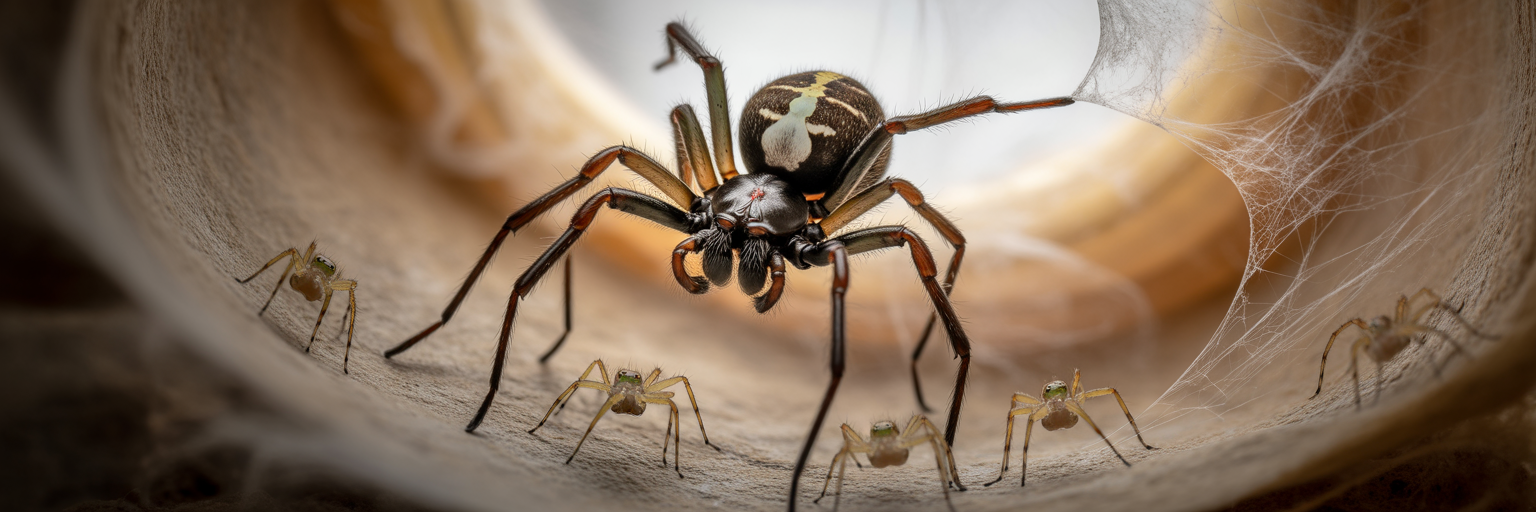
The mother’s duties do not end once her offspring can start to find their own food. After the initial 20-day period of total dependence, the spiderlings enter a transitional phase. From approximately day 20 to day 40, they begin to leave the nest to forage for small prey, such as fruit flies. However, they continue to return to the nest to supplement their diet with their mother’s milk, which she continues to provide.
This period showcases the full scope of the mother’s role, which extends far beyond providing food. She is a dedicated caretaker, actively maintaining the nest by cleaning it, repairing the silk structure, and removing any parasites or debris. She also acts as a vigilant guardian, defending the nest and her offspring from predators. This level of personal investment is a form of unusual animal parenting that is exceptionally rare among spiders.
This protected upbringing dramatically increases the offspring’s survival rate. In contrast, the young of most other spider species face a world of high mortality, left to fend for themselves from the moment they hatch. The dedicated protection provided by the Toxeus magnus mother is an extraordinary parental strategy, much like the fascinating story of the caterpillar that tricks ant colonies into raising it, demonstrating the diverse ways nature ensures the survival of the next generation.
An Unusually Long Mother-Offspring Bond
The maternal care of Toxeus magnus extends well beyond infancy, creating a long-term social dynamic that is extraordinary for an arachnid. The mother continues to care for her offspring until they reach sexual maturity, a period lasting around 40 days. Even after this point, the family bond persists, but it changes in a very specific way. Researchers observed that adult daughters are permitted to remain in the maternal nest, and can even return after leaving. Adult sons, however, are not afforded the same welcome.
Once her sons reach maturity, the mother actively attacks them and drives them away from the nest. This seemingly harsh behavior is believed to serve a critical evolutionary purpose: inbreeding avoidance. By expelling her sons, the mother prevents them from mating with their sisters, which preserves the genetic fitness and diversity of future generations. This is a sophisticated behavioral mechanism to ensure the long-term health of the lineage.
The result is a complex social structure where the nest can become a multi-generational home inhabited by the mother, her juvenile offspring, and her adult daughters. This arrangement is more commonly associated with social vertebrates than with spiders. The initial provision of Toxeus magnus milk lays the foundation for a lasting social unit, a behavior that echoes other forms of biological manipulation for reproductive success, such as when parasites hijack animal behavior to complete their own life cycles.
Rethinking Arachnid Parental Investment
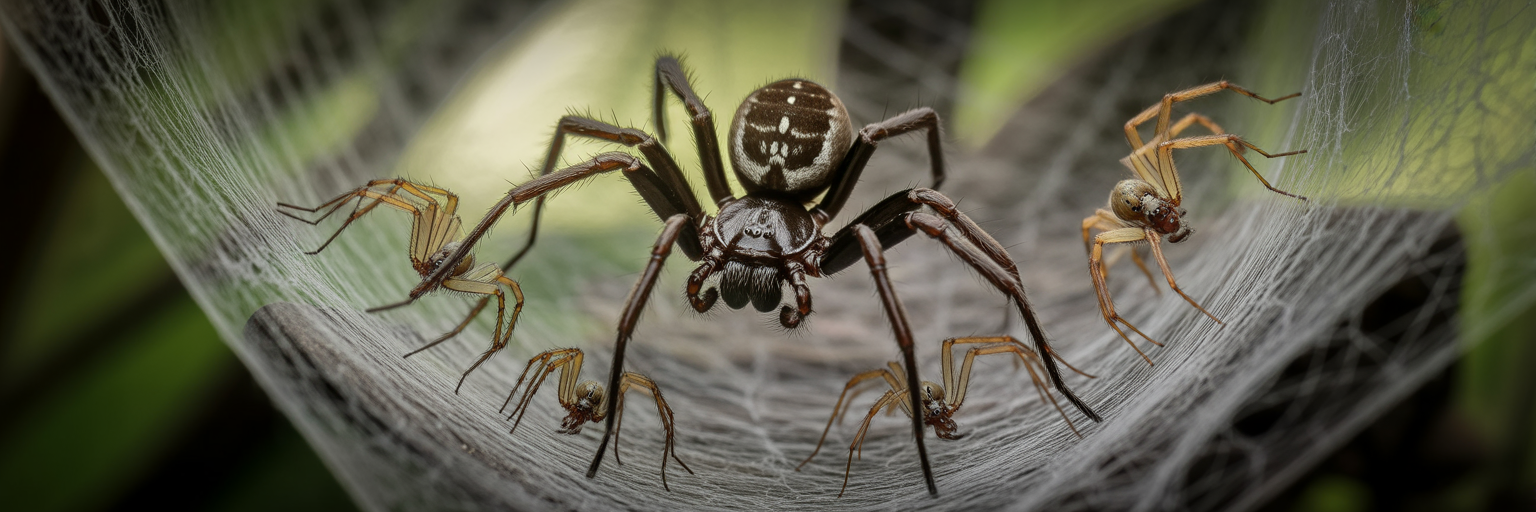
The discovery of this milk-feeding spider fundamentally challenges the long-held stereotype of spiders as solitary, neglectful parents with a “lay eggs and abandon” strategy. Toxeus magnus demonstrates that under the right evolutionary pressures, even an invertebrate can develop a parenting strategy that is functionally similar to one of the defining traits of mammals. This is a powerful example of convergent evolution, where unrelated species independently evolve similar solutions to common problems, in this case, the problem of nourishing and protecting vulnerable young.
This behavior, a form of invertebrate lactation, likely evolved in response to specific environmental challenges. A high-predation environment where tiny, defenseless spiderlings are easy targets could favor a strategy where the young remain hidden and protected. Similarly, if food sources for newly hatched spiders are scarce or unreliable, a mother’s ability to produce her own food source would provide a significant survival advantage. This pressure to find safe, resource-rich niches is a fundamental driver of behavior across the animal kingdom, shaping everything from the nesting choices of a spider to the migratory patterns of large marine predators found in premier offshore fishing destinations for marlin, tuna, and wahoo.
Ultimately, the behavior of Toxeus magnus encourages scientists to look for complex social behaviors in unexpected corners of the animal kingdom. It serves as a reminder that invertebrates are capable of far more sophisticated strategies than we often assume, prompting a re-evaluation of the boundaries we draw between different classes of animals.
Common Questions About the Milk-Feeding Spider
- Is it really milk?
No, not in the mammalian sense. It is a “milk-like secretion” because it serves the same function: nourishing offspring. However, it is produced from the spider’s epigastric furrow, not a mammary gland, and its chemical makeup is different from mammalian milk.
- Do any other spiders do this?
Based on current scientific knowledge, this lactation-like behavior is unique to Toxeus magnus. It is the only known spider species to provide its young with a secreted nutritional fluid.
- How big is this spider?
Toxeus magnus is a small jumping spider, with adults typically measuring less than a centimeter in length. Their small size makes their complex maternal care and social behavior even more remarkable, much like other small creatures with incredible abilities, such as the star-nosed mole that eats faster than you can blink.
- Why does the mother attack her sons?
The leading hypothesis is that this behavior is a form of inbreeding avoidance. By driving her mature sons away from the nest, she prevents them from mating with their sisters, which helps maintain genetic diversity and the long-term health of the population.
- Where does this spider live?
Toxeus magnus is native to Southeast Asia. They are typically found in subtropical forests, where they build their silken nests on the leaves of plants.
- Is the milk safe for humans?
This question is purely hypothetical. The quantity of milk produced is microscopic, and its composition is specifically tailored for the nutritional needs of growing spiderlings. It has never been studied for human consumption and would not be considered safe or practical to harvest.