
An Insect With Working Mechanical Gears in Its Legs
For centuries, engineers have perfected the gear as a cornerstone of machinery. Nature, it turns out, developed its own version in the legs of a common garden insect, challenging our assumptions about the boundaries between biology and mechanics.
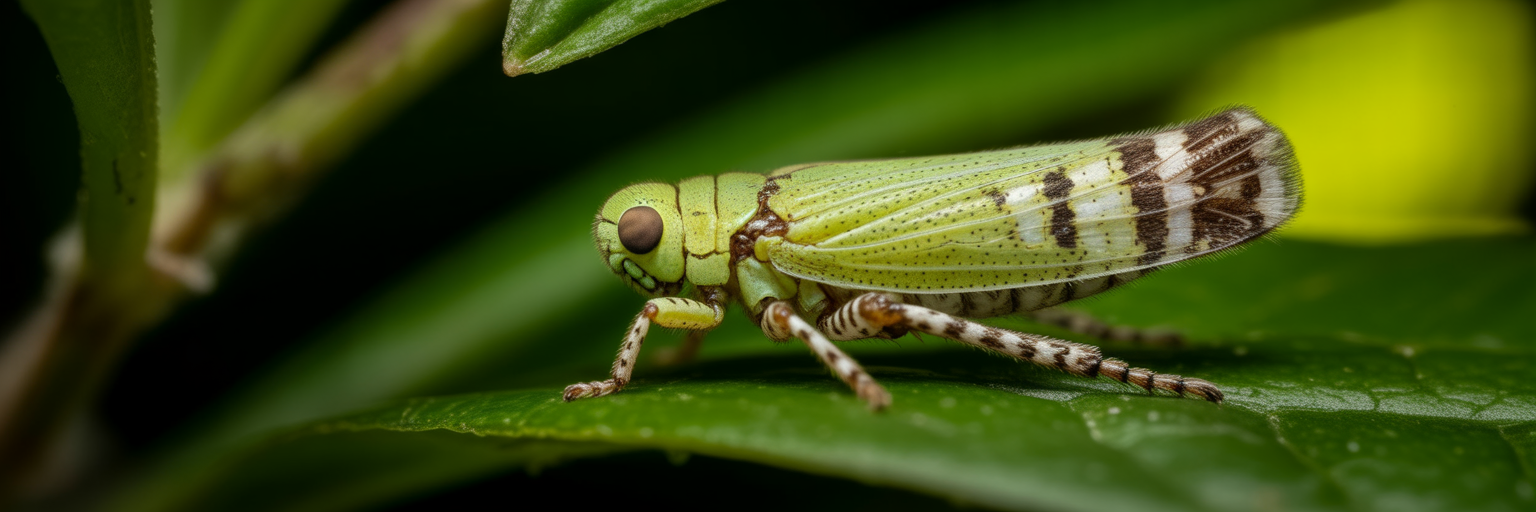
The creature at the center of this discovery is the juvenile Issus planthopper, a tiny insect found across Europe. This is not a species from a remote, unexplored jungle but a common resident of backyard gardens, a fact that highlights how many biological marvels remain hidden in plain sight. The primary function of the Issus planthopper gears is to achieve near-perfect synchronization of its hind legs. This precision allows it to execute a powerful and controlled jump to escape predators.
This remarkable adaptation raises several questions. Why does this tiny insect require such a sophisticated mechanical system for a simple jump? And why is this incredible feature exclusive to its youth, disappearing once it reaches adulthood? The discovery of this insect with mechanical gears opens a window into the elegant solutions produced by evolution.
This article explores the detailed anatomy of these biological gears and the physics that govern their function. We will examine why they are a temporary feature of the planthopper’s life and their unique place in the story of evolution, revealing how a living organism developed a solution that mirrors human engineering.
The Anatomy of a Biological Machine
The planthopper’s mechanical system is a masterpiece of natural engineering, hidden from view until revealed by powerful microscopy. Its design is both simple in concept and incredibly refined in its execution, showing features that human engineers would recognize.
Microscopic Precision: Locating the Gears
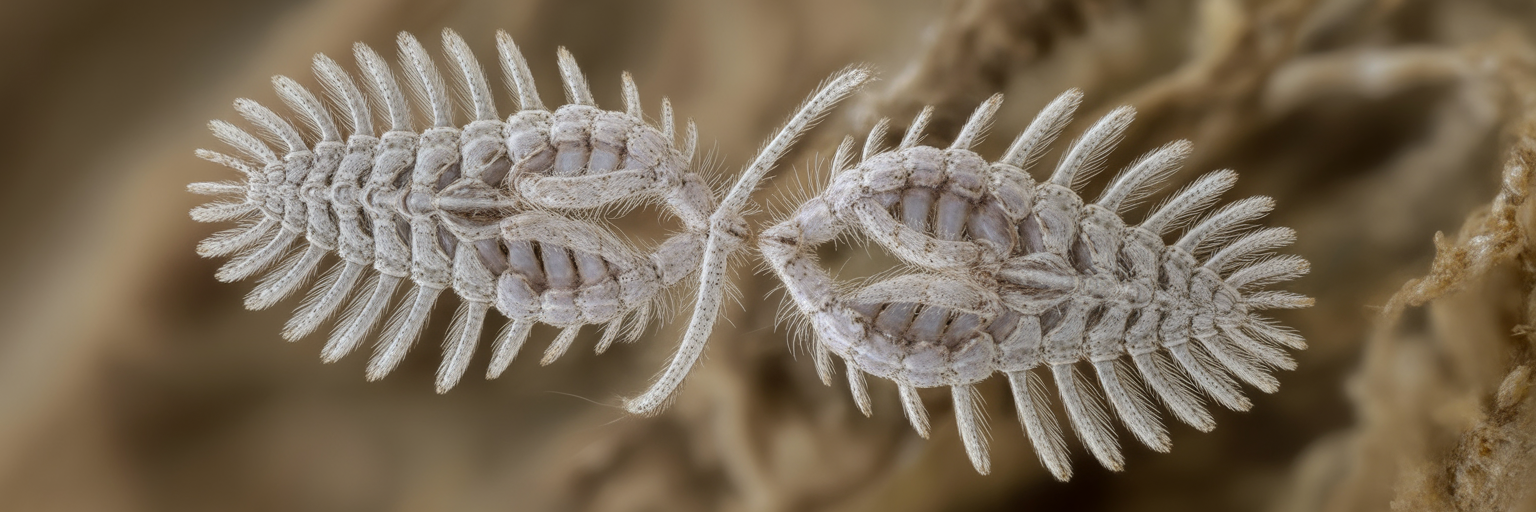
The gears are not external, prominent structures. Instead, they are located on the curved inner surfaces of the hind trochantera, which is the second segment of the insect’s leg, close to where it joins the body. These structures are microscopic and completely invisible to the naked eye. Their existence was only confirmed through the use of scanning electron microscopy, which allowed researchers to see the fine details of the leg’s surface at extreme magnification.
The Structure of the Teeth
Each leg has a strip of gear teeth that interlocks with the strip on the opposing leg. Each gear strip contains between 10 and 12 teeth, with each tooth measuring only about 20 micrometers high. The teeth have an asymmetrical, curved shape, often compared to shark fins. As the planthopper prepares to jump, it brings its legs together, and the teeth from the left and right legs mesh perfectly. This interlocking ensures that as one leg begins to move, the other is mechanically forced to move in perfect unison, explaining how planthopper legs work to achieve synchronized motion.
An Engineering Masterpiece in Miniature
Perhaps the most astonishing feature is the design of the teeth themselves. At the base of each gear tooth is a filleted curve, a rounded profile that gradually blends the tooth into the main structure of the leg. This is a well-known technique in human engineering used to reduce stress concentration at sharp corners and prevent material from shearing under high force. In the planthopper, this design is crucial for preventing the delicate teeth from breaking under the extreme forces generated during a powerful jump. It is a clear example of evolution arriving at an optimal mechanical design.
- Location: Inner surface of the hind trochantera.
- Tooth Count: 10 to 12 teeth per gear strip.
- Tooth Shape: Asymmetrical, resembling shark fins.
- Key Feature: Filleted curves at the base for stress reduction.
The Physics of a Perfectly Synchronized Jump
The planthopper’s gears are not a biological novelty for their own sake. They solve a critical physics problem that the insect faces every time it needs to make a rapid escape. Without them, its primary defense mechanism would be useless.
The Problem of Yaw Rotation
When an object pushes off a surface to jump, any imbalance in the propulsive force will cause it to rotate in the air. For the planthopper, if one hind leg pushed even a fraction of a second before the other, the insect would spin uncontrollably sideways. This uncontrolled spin is known as yaw rotation. An insect tumbling through the air is an easy target for a predator, so a straight, controlled trajectory is essential for survival. The gears eliminate this problem by mechanically coupling the legs, ensuring the propulsive force is applied symmetrically.
Synchronization Beyond the Speed of Nerves
The gears achieve a level of precision that the insect’s nervous system alone cannot match. High-speed analysis revealed that the legs move within 30 microseconds, or 30 millionths of a second, of each other. A neural impulse, which is how the brain communicates with muscles, is simply too slow and variable to guarantee this level of synchronization for such a rapid and powerful movement. The mechanical interlock of the gears provides a faster, more reliable solution. While the planthopper uses gears, other creatures have evolved different solutions for high-speed actions. For example, as Nature is Crazy explains, the star-nosed mole that eats faster than you can blink relies on an incredibly fast nervous system for feeding, but this is for a different type of movement.
Capturing the Action: High-Speed Analysis
The discovery and understanding of this mechanism were made possible by the work of researchers like Malcolm Burrows and Gregory Sutton. As detailed in research from the University of Cambridge, the team used high-speed video cameras filming at thousands of frames per second to capture the jump in slow motion. This, combined with electron microscopy to study the anatomy, allowed them to piece together the entire process. Their analysis of the biomechanics of insect jumping revealed that the legs rotate at extreme angular velocities, putting immense mechanical stress on the gear teeth and highlighting the importance of their specialized design.
From Nymph to Adult: The Disappearing Gears
One of the most intriguing aspects of the planthopper’s gears is that they are a temporary adaptation. The sophisticated mechanical system that defines the insect’s youth vanishes when it reaches maturity, raising questions about the evolutionary trade-offs at play.
A Temporary Adaptation
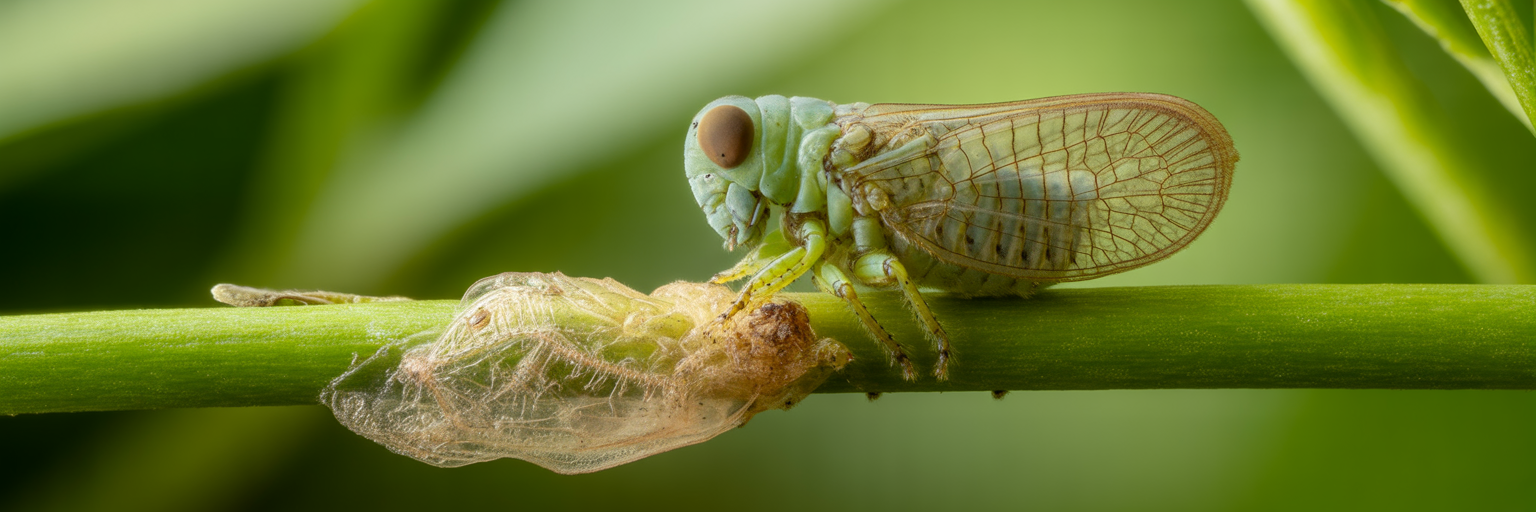
The gears are only present in the juvenile, or nymph, stages of the planthopper’s life. As the nymph grows, it molts several times, shedding its exoskeleton to accommodate its larger size. With each molt, it grows a new, perfect set of gears. However, during its final molt into adulthood, the gears are shed one last time and are not replaced. The adult planthopper emerges with a different system for jumping.
The High Cost of a Broken Tooth
The leading scientific hypothesis for why the gears disappear centers on the problem of wear and tear. A single broken gear tooth would be catastrophic, destroying the synchronization mechanism and rendering the jump ineffective. For a nymph, this is a manageable risk. If a tooth breaks, the insect can simply grow a new, flawless set of gears during its next molt. This process of shedding an old form is a common strategy in the insect world, seen in creatures like the caterpillar that tricks ant colonies into raising it as it transitions through life stages. An adult planthopper, however, does not molt. Any damage it sustains to its exoskeleton is permanent. A broken gear tooth would be an unrepairable, lifelong disability.
The Trade-Off: Performance vs. Durability
The disappearance of the gears represents an evolutionary trade-off. For the smaller, more vulnerable nymphs, the high-precision performance of the gears provides a critical survival advantage that outweighs the risk of damage, since repair is possible through molting. For the larger, longer-living adult, the risk of a single point of failure with no possibility of repair is too high. Evolution has favored a more durable, albeit less precise, solution for the final stage of its life.
The Adult Planthopper’s Alternative Solution
Upon reaching adulthood, the Issus planthopper abandons its high-tech gear system for a simpler, more robust mechanism. This switch reflects a change in priorities from absolute precision to long-term durability. The adult solution relies on a fundamental physical force: friction.
Instead of interlocking teeth, adult planthoppers press their legs firmly together before a jump. The static friction between the surfaces of the legs provides the synchronization. As long as the legs are held together with sufficient force, they will tend to fire at roughly the same time when the muscles contract. While not as precise as the gear system, it is effective enough to prevent the uncontrolled spinning that would otherwise occur. The table below outlines the key differences between the two systems.
| Feature | Nymph (Gear System) | Adult (Friction System) |
|---|---|---|
| Mechanism | Mechanical interlocking of gear teeth | Static friction between leg surfaces |
| Synchronization Precision | Extremely high (within 30 microseconds) | Lower, but sufficient for controlled jump |
| Reliability | Vulnerable to single-point failure (broken tooth) | Robust and resilient to minor wear |
| Repairability | Repairable through molting | Not repairable; damage is permanent |
| Suitability | Ideal for smaller, softer bodies needing absolute precision | Ideal for larger, rigid bodies prioritizing durability |
This table summarizes the key differences between the jumping mechanisms of juvenile and adult planthoppers, highlighting the evolutionary trade-off between precision and long-term reliability. The friction-based system is likely suitable for adults because their larger, more rigid bodies can generate the necessary force to create sufficient friction. The smaller, softer bodies of nymphs may not be able to achieve this reliably, making the gear system a more effective solution for them. The planthopper’s life cycle is a remarkable example of using two distinct engineering solutions for the same problem at different stages of life.
An Evolutionary Marvel, Not a Conscious Invention
The discovery of gears in an insect leg forces us to reconsider the relationship between biology and mechanics. However, it is crucial to place this finding in its proper evolutionary context to avoid misconceptions about intent or design.
Convergent Evolution in Action
The planthopper’s gears are a prime example of convergent evolution. This is a process where unrelated organisms independently evolve similar traits to solve similar problems. In this case, natural selection in the planthopper arrived at a solution for motion synchronization that is functionally identical to the gears invented by human engineers. This does not imply foresight or conscious design on the part of the insect. Instead, the evolution of biological mechanisms happens through random mutations over millions of years. Individuals with mutations that slightly improved leg synchronization were more likely to survive and reproduce, gradually refining the structure into the sophisticated gear we see today.
A Unique Discovery in the Animal Kingdom
What makes the Issus planthopper so significant is that it remains the only known instance of true, functional, interlocking biological gears in animals used for power transmission. This uniqueness is what made the discovery so groundbreaking. While nature is full of complex structures, a mechanism that directly mirrors a foundational component of human machinery is exceptionally rare.
Distinguishing True Gears from Look-Alikes
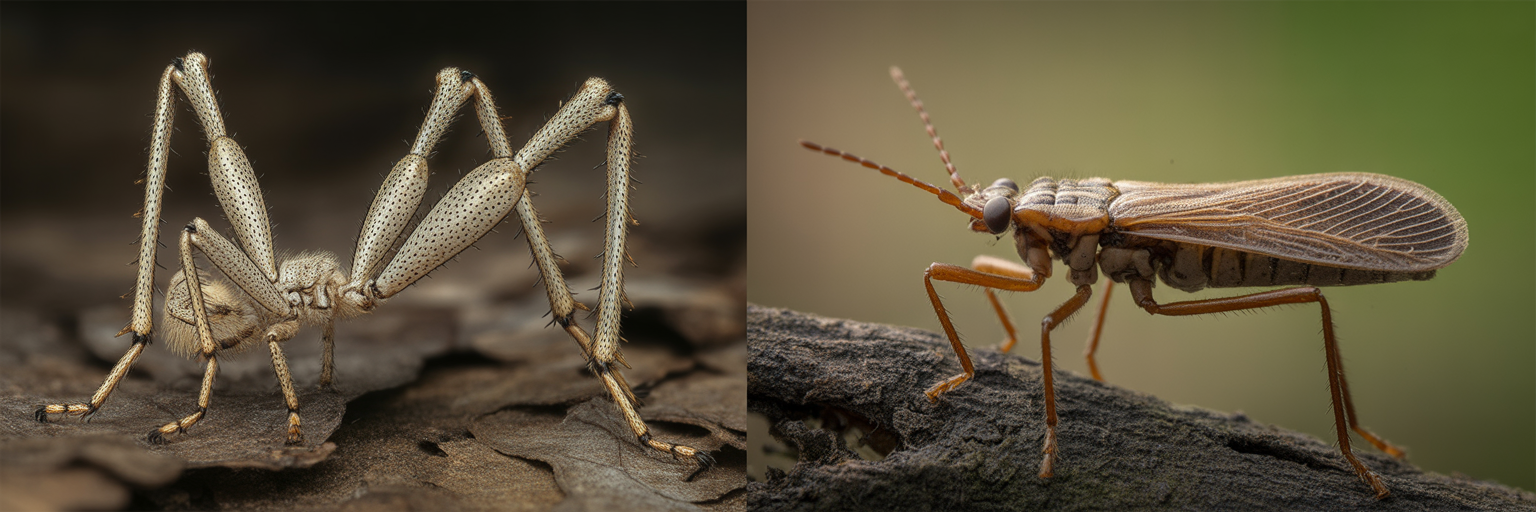
It is important to distinguish the planthopper’s gears from other toothed or ridged structures found in nature. Many animals have features that may resemble gears but do not function as such. These other structures do not transmit rotational motion and power between two separate parts.
- The “cogwheel” protrusions on the leg of a wheel bug are used for grip or defense, not synchronization.
- The ridged shells of some turtles provide structural reinforcement, not power transmission.
- The serrated claws of a praying mantis are for grasping prey.
These are all specialized tools for specific tasks, much like the archerfish that shoots bugs out of the air with water has a highly specialized mouth for hunting. The planthopper’s gears, in contrast, function exactly as mechanical gears do: they engage and rotate together to synchronize movement. This discovery shows that the principles of mechanics are universal, and evolution is capable of producing incredibly sophisticated solutions to physical challenges.
Frequently Asked Questions About Planthopper Gears
Are these gears visible to the naked eye?
No, they are not. The gears are microscopic, with teeth measuring only a few micrometers high. They are part of the insect’s exoskeleton on the inner surface of its hind legs and can only be seen with a powerful scanning electron microscope.
Why can’t the adult planthopper just regrow a broken gear tooth?
Adult insects, known as imagos, do not molt. The molting process is how juvenile insects grow and repair their exoskeletons. Since the gears are an integral part of the exoskeleton, an adult has no biological mechanism to repair or replace a broken tooth after its final molt into maturity.
Did the planthopper ‘invent’ gears?
This is a common misconception. The gears are a product of natural selection acting over millions of years, not a conscious invention. Random genetic mutations that resulted in structures that improved leg synchronization gave those individuals a survival advantage. Over countless generations, these advantageous traits were refined into the functional gears seen today.
Are there any other animals with working gears?
As of current scientific knowledge, the Issus planthopper is the only known animal with a true, interlocking gear mechanism used for power transmission. While other animals have structures that look like gears, they serve different functions, such as grip, defense, or structural support. The discovery of this insect with mechanical gears remains a unique finding in the animal kingdom.