
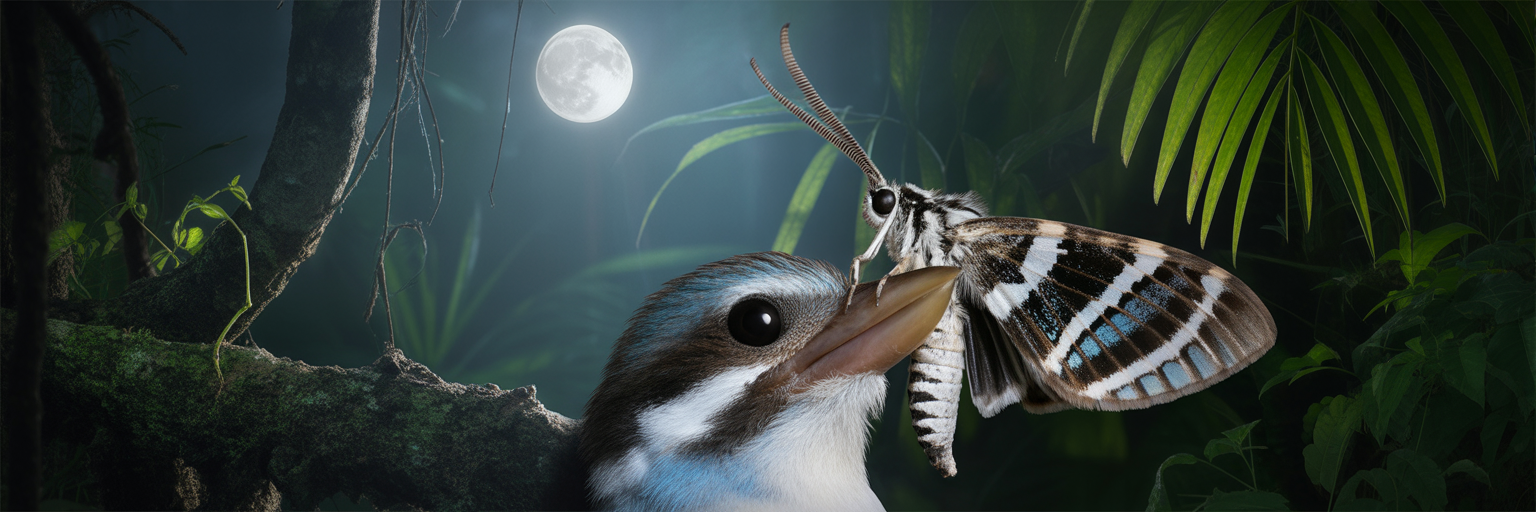
A Madagascan Moth That Drinks Tears
In the dense, humid forests of Madagascar, a world of strange and singular life awakens after sunset. This island, often called a laboratory of evolution, has been isolated for millions of years, allowing nature to conduct experiments that have resulted in creatures found nowhere else on Earth. When darkness falls, the air fills with the sounds of unseen animals, and the forest floor teems with life forms that have developed extraordinary tactics for survival. It is in this nocturnal realm that one of the most haunting and delicate interactions in the natural world unfolds.
Here lives a creature that defies our usual perception of its kind. We picture moths as dusty visitors to our porch lights or gentle pollinators fluttering among night-blooming flowers. But one species, Hemiceratoides hieroglyphica, has a more intimate and unsettling purpose. This is a moth that drinks tears, seeking out sleeping birds to harvest the salty fluid from their eyes. This unusual moth behavior is not a myth or a tall tale from a remote village. It is a scientifically documented phenomenon, a startling example of how far an organism will go to secure the resources it needs to live.
The behavior is known as lachryphagy, from the Latin for “tear” and the Greek for “to eat.” While other insects are known to feed on the tears of animals, the target of this particular moth makes its strategy exceptionally daring. It is not feeding from a slow-moving crocodile or a placid cow but from a small, light-sleeping bird. The story of this tear drinking moth is not one of villainy but of profound biological need, a quiet drama of survival played out in the dead of night, hidden from the world’s view.
The Delicate Art of the Nocturnal Visit
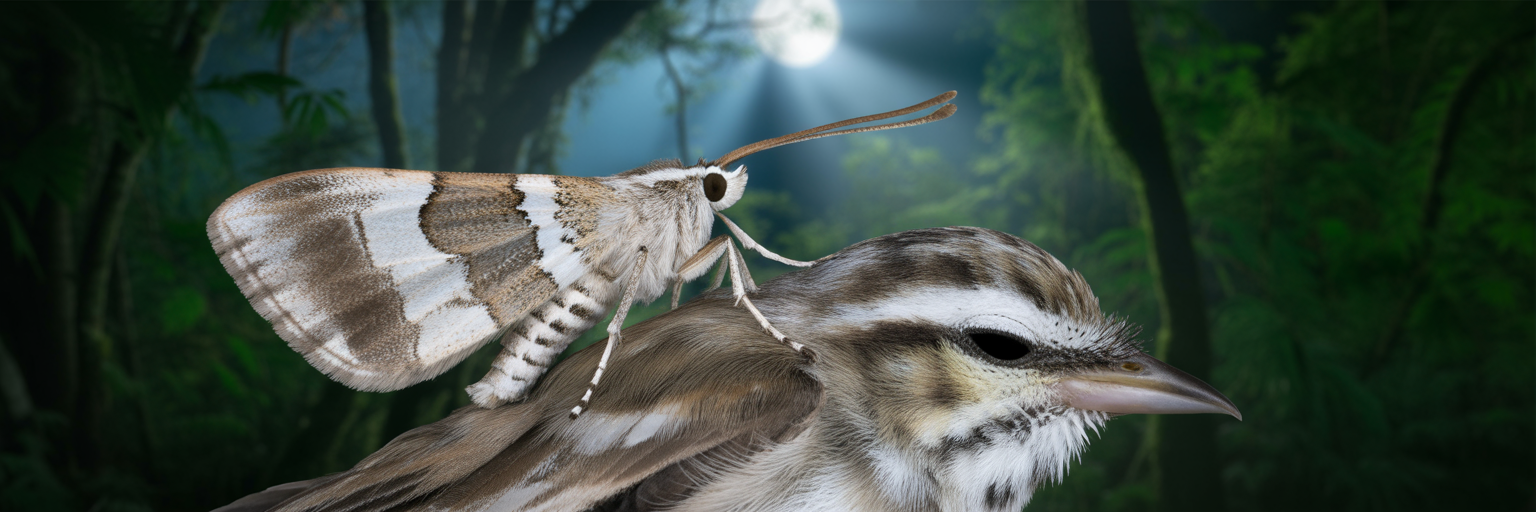
The encounter begins in total darkness. Guided by senses we can barely comprehend, the moth navigates the complex architecture of the forest. It is likely drawn by the faint chemical signature of a sleeping bird, perhaps the scent of its breath or the subtle odors emanating from its feathers. Its target is often the common newtonia, a small songbird resting motionlessly on a branch. The moth’s approach is a masterclass in stealth. It lands with ghost-like softness, often on the bird’s neck or head, a place where its light touch is least likely to be noticed.
What follows is a journey fraught with peril. The moth must crawl across a landscape of feathers, each step a calculated risk. A single clumsy movement, a vibration too strong, could startle the bird from its slumber, ending the attempt and possibly the moth’s life. The stakes are immense. The moth moves with painstaking slowness, a tiny shadow creeping toward the bird’s eye. The final moments are the most critical. Positioned beside the bird’s head, the moth carefully unfurls its specialized feeding tube, the proboscis, and aims it toward the thin slit where the eyelids meet.
Once the proboscis is in place, the feeding begins. This is not a quick sip but a long, patient process. The moth remains perfectly still, sometimes for more than half an hour, siphoning the tear fluid that naturally accumulates in the sleeping bird’s eye. It is a portrait of extreme focus and vulnerability. The moth is completely exposed, its own survival hanging by a thread while it engages in this intimate act. The moth’s precise and risky hunting technique is a fascinating example of specialized predation. While its method is unique, nature is filled with creatures that have evolved incredible methods for capturing food, such as the archerfish that has learned to shoot bugs out of the air with water.
A Proboscis Unlike Any Other
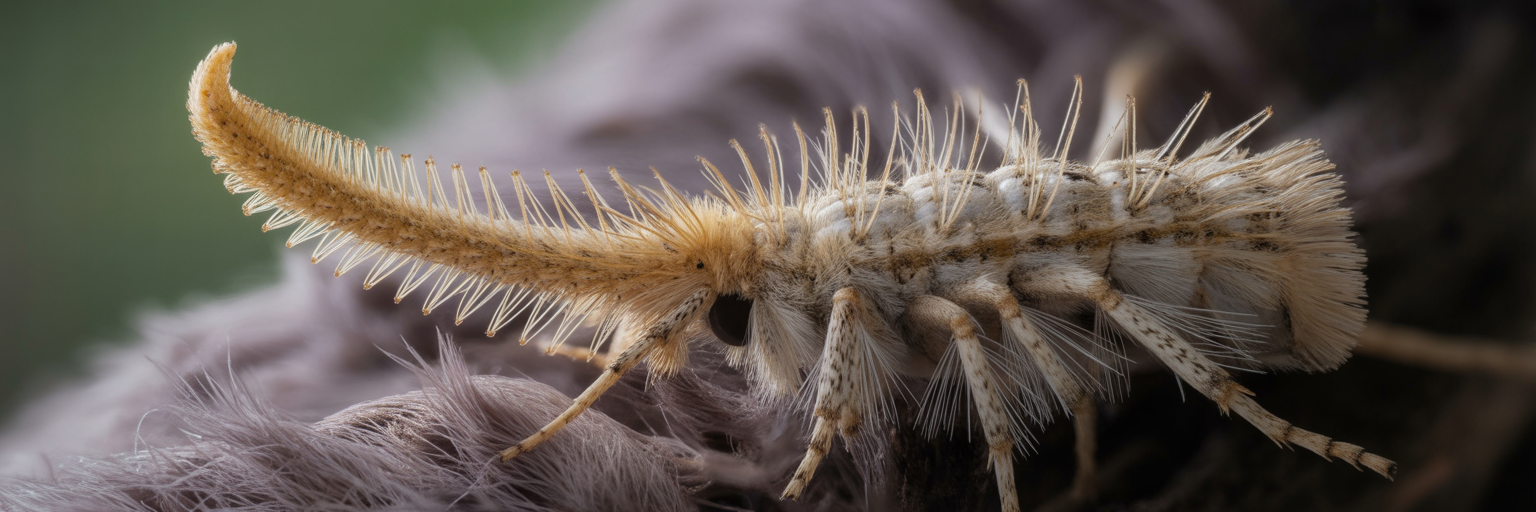
The key to the moth’s success is its most critical tool: a proboscis that is a marvel of evolutionary engineering. Unlike the soft, flexible straw of a typical nectar-feeding moth, the proboscis of Hemiceratoides hieroglyphica is a formidable instrument. It is stiff, sharp, and armed with an array of hooks, spines, and barbs, giving it a harpoon-like appearance. This structure is not designed for violence but for stability. The spines are not for piercing skin but for anchoring the proboscis securely once it is in position.
The moth carefully wedges the tip of this apparatus between the bird’s upper and lower eyelids. The barbs catch on the soft tissue, providing a firm grip that prevents the proboscis from being dislodged if the bird stirs in its sleep. This anatomical specialization is a recurring theme in nature, where animals develop incredible tools for survival. A parallel can be seen in the star-nosed mole, whose nose has evolved into a highly sensitive sensory organ that allows it to eat faster than you can blink.
Interestingly, this reinforced proboscis bears a striking resemblance to that of a completely different group of moths, the blood-feeding moths of the genus Calyptra. While the structures look similar, their functions are critically different. The Calyptra moth uses its hardened proboscis to puncture the skin of mammals to drink blood. The tear-drinking moth, however, uses its barbs only to hold on. This is a classic example of convergent evolution, where two unrelated species independently develop similar traits to solve different problems. According to a review in the Journal of the Lepidopterists’ Society, the proboscis of H. hieroglyphica is armored with large barbs and spines that function as an anchor, a structure that resembles that of skin-piercing moths but is adapted for a non-invasive purpose. This specialized tool is what allows the moth to access the precious tear fluid without causing the sharp pain of a puncture, which would instantly wake its host.
Lachryphagy: The Quest for Salty Tears
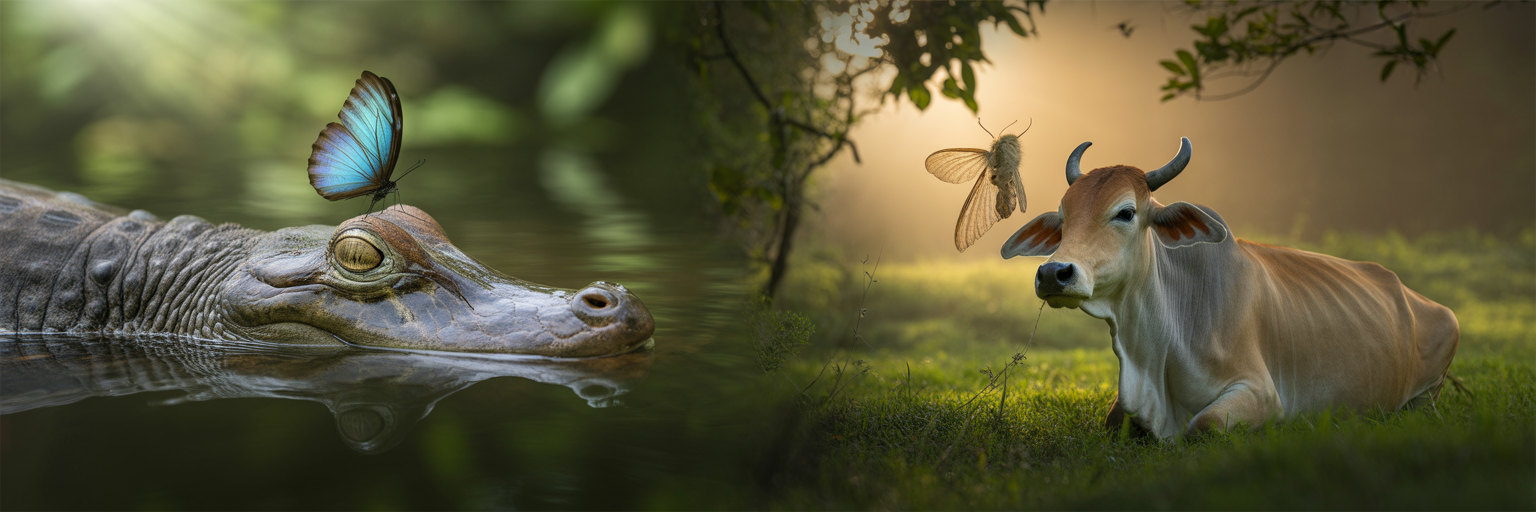
This strange behavior, formally known as lachryphagy in insects, is a specific form of zoophily, the phenomenon of insects feeding on living animals. But why go to such extraordinary lengths for a drop of fluid? The answer lies in nutritional science. Plant nectar, the typical diet for many moths, is rich in sugars but poor in essential minerals. Tears, on the other hand, are a concentrated source of sodium and other mineral salts. These nutrients are vital for an insect’s metabolic functions, powering everything from flight to reproduction. In an environment where salt can be scarce, tears represent a rich and valuable resource.
Beyond salts, tears also contain proteins like albumin. For an insect living on a diet of sugar water, this protein boost can be a significant nutritional supplement, potentially increasing its fertility and lifespan. This drive for essential nutrients explains the evolution of such a risky feeding strategy. To put this into context, it is helpful to compare the tear drinking moth of Madagascar with other lachryphagous insects around the world. In Asia and the Americas, certain moths and butterflies are known to drink the tears of large, slow-moving animals like crocodiles, turtles, and cattle. These hosts are often placid or so large that they are unaware of the tiny insect at their eye.
This comparison highlights what makes the strategy of Hemiceratoides hieroglyphica so daring. Its target is small, a light sleeper, and easily startled. Exploiting this resource required the evolution of a far more specialized and stealthy approach. The challenges and adaptations are profoundly different, underscoring the extreme evolutionary pressures at play.
| Factor | Feeding on Birds (e.g., Hemiceratoides) | Feeding on Large Animals (e.g., Crocodiles, Cattle) |
|---|---|---|
| Host Temperament | Easily startled, light sleepers | Placid, deep sleepers, or slow to react |
| Risk of Detection | Extremely high; requires immense stealth | Low; host is often tolerant or unaware |
| Physical Access | Difficult; requires navigating feathers and delicate eyelids | Easy; large, exposed eye area |
| Proboscis Adaptation | Highly specialized with anchoring barbs for stability | Often less specialized; simple suction is sufficient |
| Evolutionary Pressure | Driven by lack of large hosts, forcing adaptation to abundant but risky targets | Driven by opportunity and access to easy, low-risk nutrient sources |
This table highlights the different strategic challenges and evolutionary adaptations required for lachryphagy depending on the host animal. It underscores why the behavior of Hemiceratoides hieroglyphica is considered an extreme and high-risk survival strategy.
Why Do the Birds Tolerate Their Visitor?
The central mystery of this interaction is not just what the moth is doing, but what the bird is not. Why does it remain asleep while a barbed instrument is lodged in its eye? This question has fascinated researchers, and while there is no definitive answer, several compelling hypotheses offer potential explanations. The most straightforward theory is that the moth’s actions are simply too gentle to be noticed. During deep sleep, an animal’s sensory threshold is raised. The moth’s feather-light touch and the slow, non-invasive insertion of its proboscis may fall below the level of stimulus needed to wake the bird.
Another possibility is that the physical sensation is not perceived as a threat. The proboscis slides between the eyelids rather than piercing them, so there is no sharp pain. The feeling might be more akin to a piece of dust or a stray eyelash, an annoyance the bird’s sleeping brain chooses to ignore. This is a world away from the sting of a mosquito, which is designed to provoke as little immediate reaction as possible but is still a puncture wound.
A more speculative but intriguing idea is that the moth may be chemically manipulating its host. It is possible that the moth’s saliva contains mild anesthetic or anti-inflammatory compounds that soothe the area and numb any sensation of irritation. This would be a remarkable adaptation, effectively lulling the host into continued sleep. The idea that an insect might chemically influence its host is not without precedent in the natural world. While the moth’s method is subtle, other creatures engage in far more direct manipulation, as seen in cases where parasites hijack animal behavior to complete their life cycles. However, it is crucial to state that the existence of a lulling agent in the moth’s saliva is an unproven theory. For now, the bird’s quiet tolerance remains one of the most enigmatic aspects of this unusual relationship.
Assessing the Harm to the Avian Host
The image of a moth drinking tears from a sleeping bird naturally raises the question of harm. Is this a parasitic relationship, or is it merely a case of low-level annoyance? The most probable answer is that the interaction causes little to no lasting damage. The moth’s entire strategy is built on stealth and minimizing disturbance. A behavior that caused significant pain or injury would be evolutionarily self-defeating, as it would wake the host and end the meal.
However, the absence of immediate harm does not mean the interaction is entirely benign. Even without a puncture, the barbed proboscis could cause minor physical irritation. During prolonged feeding sessions, the hooks and spines might create microscopic abrasions on the sensitive inner surface of the eyelid, known as the conjunctiva. This could lead to minor inflammation or discomfort for the bird after it awakens. Another concern is the theoretical risk of disease transmission. The moth could act as a vector, carrying pathogens like bacteria or viruses from one bird to another. As noted in a 2007 study in Biology Letters on Malagasy eye-frequenting moths, while the primary impact seems to be annoyance, the possibility of these insects acting as vectors for eye diseases cannot be dismissed, though it remains unproven.
It is essential to clarify that this behavior is fundamentally different from blood-feeding. This is not a “vampire” moth. It does not have the ability to pierce skin, and it shows no interest in blood. The term lachryphagy specifically describes tear-feeding, a quest for salt and protein, not a hunt for blood. The relationship is best understood as a nuanced one, likely causing a degree of annoyance and carrying a small, unquantified risk, but falling well short of the overt harm caused by true parasites.
An Extreme Solution to an Island Problem
This unusual moth behavior did not evolve in a vacuum. It is an ingenious, if unsettling, solution to a specific ecological problem presented by its island home. The leading hypothesis for why this behavior evolved is rooted in Madagascar’s unique ecology. Unlike continents such as Africa or Asia, Madagascar lacks large, slow-moving mammals like cattle, elephants, or antelope. These animals serve as easy and abundant sources of tears for lachryphagous insects in other parts of the world. On an island where sodium and other minerals can be hard to come by, the moths of Madagascar were faced with an evolutionary challenge: find a new source or perish.
Birds, being abundant and widespread, presented a tantalizing alternative. They were a mobile, self-replenishing source of the very nutrients the moths needed. However, they were also a far riskier target. This evolutionary pressure likely drove the development of the moth’s highly specialized set of tools and behaviors. It is a brilliant example of niche partitioning, where a species evolves to exploit a resource that no one else is using, no matter how difficult it is to access. This moth’s strategy is a testament to how evolution finds a way, even when it leads to bizarre outcomes. The animal kingdom is filled with such examples, from parasites that force their hosts into self-sacrifice to caterpillars that trick ant colonies into raising them as their own.
The story of the moth that drinks tears is more than just a biological curiosity. It is a profound reminder of the relentless creativity of natural selection. It shows that survival can drive organisms to develop astonishingly complex and intimate relationships with other species. And it proves that even in the 21st century, the deep forests of our world still hold wonders and mysteries that challenge our understanding of life itself.
Frequently Asked Questions
Is the tear-drinking moth dangerous to humans?
No, the tear-drinking moth, Hemiceratoides hieroglyphica, is not dangerous to humans. Its anatomy and behavior are highly specialized for feeding on sleeping birds. Its proboscis is not strong enough to pierce human skin, and it has no interest in humans as a host.
Does the moth drink blood as well?
No, this moth does not drink blood. The behavior is strictly lachryphagy (tear-feeding), not hematophagy (blood-feeding). Its proboscis is designed to anchor between a bird’s eyelids to siphon tears, not to puncture skin to access blood.
Does it hurt the bird?
It is unlikely to cause significant pain, as the moth’s survival depends on the bird remaining asleep. However, the barbed proboscis may cause minor physical irritation or inflammation on the inner eyelid. There is also a theoretical, but unproven, risk that the moth could transmit pathogens between birds.
Why do moths need to drink tears?
Moths drink tears to obtain essential nutrients that are scarce in their typical diet of plant nectar. Tears are a rich source of sodium and other mineral salts, as well as proteins, which are vital for the moth’s metabolism, flight, and reproduction.
Are there other animals that drink tears?
Yes, other insects, including different species of moths and butterflies, are known to drink the tears of animals. However, they typically feed on large, slow-moving hosts like crocodiles, turtles, and cattle. The case of Hemiceratoides hieroglyphica is exceptionally rare because its chosen host is a small, easily startled bird, which requires a much more specialized and risky strategy.