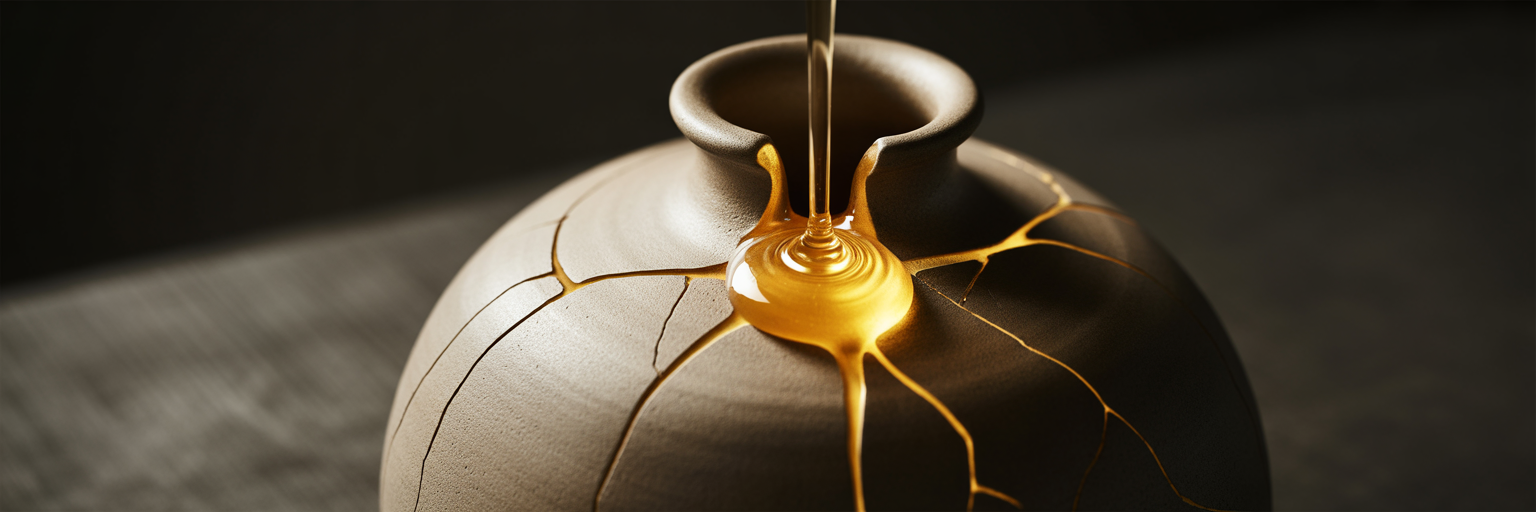
The Survival Imperative of Rapid Wound Sealing
In the wild, a severe injury is not just a setback; it is a countdown. Every second a wound remains open, the risk of death multiplies. An animal faces the immediate danger of losing vital fluids like blood or hemolymph, leading to a rapid drop in pressure and the onset of dehydration. At the same time, the breach in its defenses becomes an open invitation for bacteria, fungi, and other pathogens to invade.
Humans and other mammals rely on a complex cascade of chemical reactions to form a clot, a process that can take several minutes to complete. For a small creature like an insect or a reptile, that timeframe is an unaffordable luxury. The proportional fluid loss would be catastrophic long before a clot could form. Their survival depends on something much faster and more efficient than conventional animal blood clotting mechanisms.
This is where gelation comes in. It is a remarkable evolutionary adaptation that functions as a biological emergency brake. Instead of a slow chemical process, it is a near-instantaneous physical transformation of liquid into a solid plug. This ability to create an instant seal is a profound advantage, and it is the core problem that nature has solved in multiple ingenious ways. Scientists are now studying these natural phenomena to engineer advanced medical solutions for human trauma care, looking to nature for answers to our most critical medical challenges.
The Insect Solution to Catastrophic Leaks
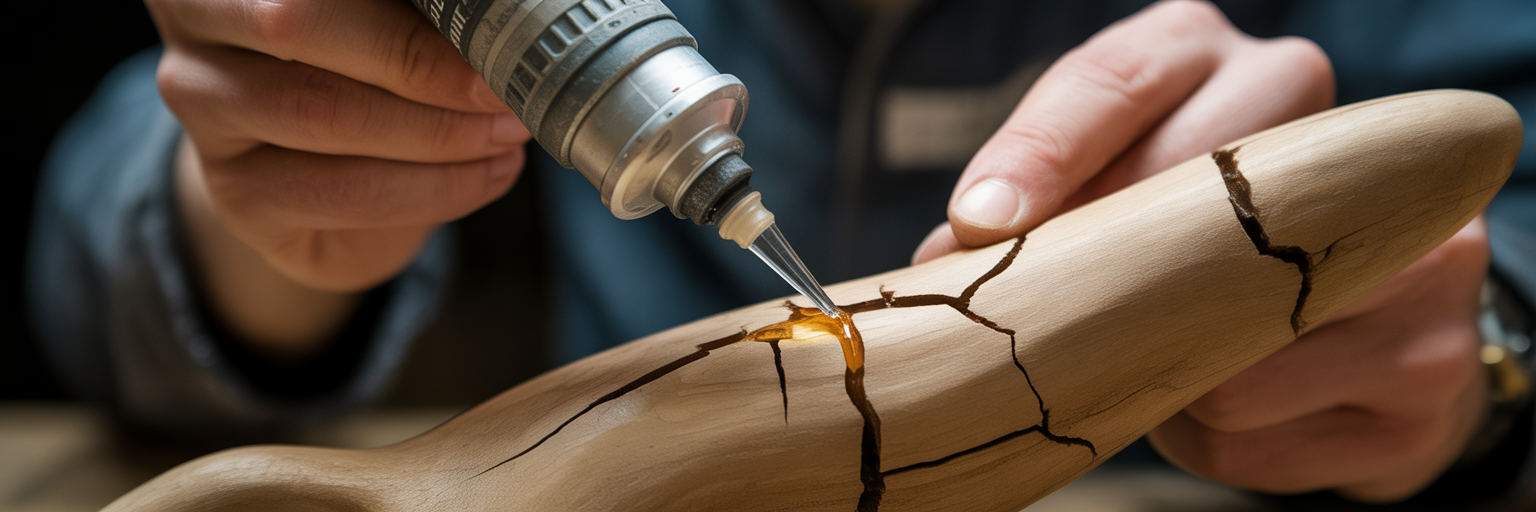
Insects do not have blood in the same way we do. They rely on a fluid called hemolymph, which is more like a watery soup that transports nutrients, hormones, and immune cells throughout the body. Unlike our blood, it does not carry oxygen. When a cockroach or caterpillar sustains a major injury, this fluid system is put at immediate risk. The solution is a stunning display of biophysics known as insect hemolymph gelation.
Within seconds of being exposed to air, the hemolymph transforms from a liquid into a solid gel. This is not a slow chemical reaction but a rapid physical state change. According to a 2024 report in Ars Technica, this process creates a strong, scaffold-like plug that provides immediate structural integrity, much like a fast-setting epoxy. This instant bandage offers several critical advantages for survival:
- Immediate Seal: The gel physically blocks the wound almost instantly, preventing further leakage before significant fluid is lost.
- Fluid Retention: By minimizing hemolymph loss, the insect avoids dehydration, a crucial benefit especially for species living in arid environments.
- Pathogen Barrier: The solid plug forms a robust physical shield, blocking bacteria and fungi from entering the body cavity and causing a deadly infection.
This unique survival strategy is just one of many incredible adaptations found in nature. For instance, some creatures have evolved to withstand extreme temperatures, showcasing another form of biological resilience you can read about in our story on the frog that freezes solid and thaws back to life.
Venom and Adhesives as Potent Hemostatics
Beyond the insect world, other animals provide powerful inspiration for controlling bleeding. Two particularly promising strategies come from unlikely sources: the fangs of a snake and the glue of a barnacle. Each offers a distinct approach to stopping a life-threatening hemorrhage.
Harnessing Venom to Accelerate Clotting
It is a striking paradox that venom, a substance known for its destructive power, contains compounds perfect for saving lives. Researchers have isolated specific enzymes from the venom of pit vipers that interact with the body’s clotting factors. When integrated into a medical gel, these enzymes act as powerful accelerators, supercharging the natural clotting cascade. This is one of the most promising areas of snake venom medical uses, turning a biological weapon into a healing tool that helps form a stable fibrin clot much faster than the body could on its own.
Mimicking Marine Adhesion for a Mechanical Seal
A completely different strategy comes from the sea. Barnacles produce a protein-based glue that allows them to adhere firmly to wet, irregular surfaces like ship hulls and rocks. Inspired by this, scientists have created a barnacle inspired bioadhesive. As detailed in a study published by Nature, this synthetic material can be applied directly to a bleeding wound, where it rapidly forms a strong mechanical seal. It works independently of the body’s own clotting ability, making it a vital tool for patients with bleeding disorders. The complexity of nature’s biochemical tools is also seen in other organisms, such as the fascinating case of the parasite that turns snails into zombies.
| Factor | Venom-Inspired Gels | Barnacle-Inspired Adhesives |
|---|---|---|
| Mechanism of Action | Biochemical: Accelerates natural fibrin clot formation. | Mechanical: Creates a physical, adhesive barrier. |
| Biological Dependency | Relies on the patient’s existing clotting factors. | Works independently of the blood’s clotting ability. |
| Ideal Use Case | General surgery, patients with normal clotting function. | Non-compressible wounds, patients with coagulopathies. |
| Primary Inspiration | Pit viper snake venom | Barnacle underwater glue |
This table contrasts two major biomimetic strategies for hemorrhage control. The data highlights how one approach augments the body’s natural processes, while the other provides a purely mechanical solution, expanding the toolkit for medical professionals.
From Animal Biology to the Operating Room
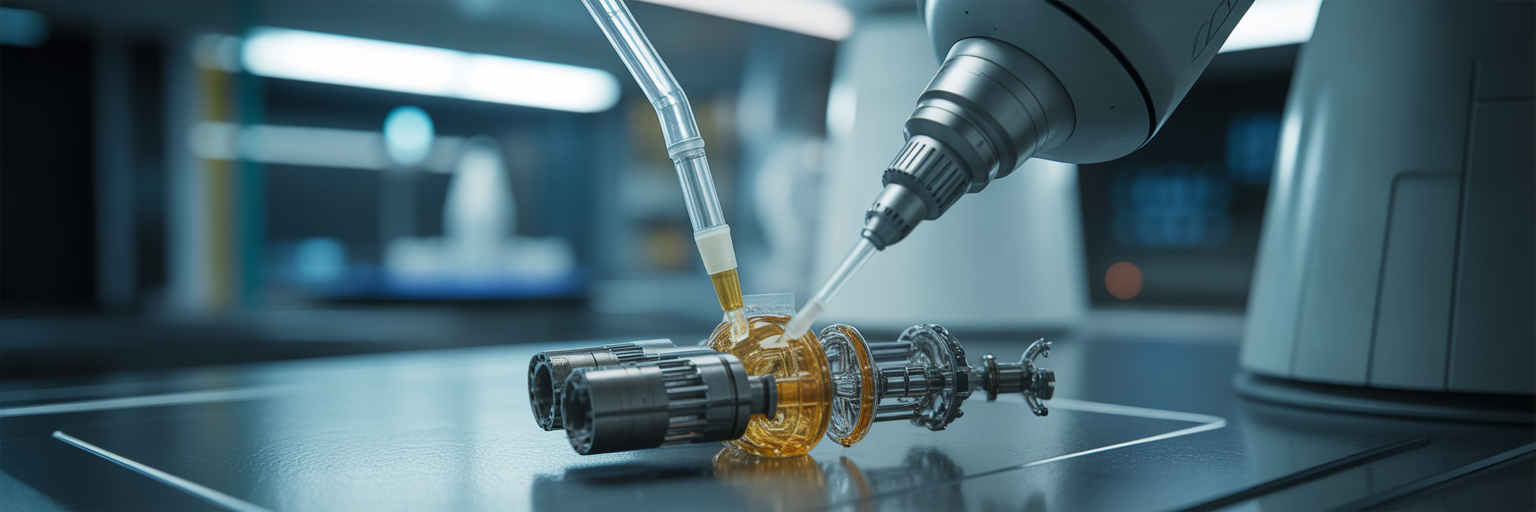
Scientists are not simply trying to copy these animal adaptations. Instead, through a process called biomimicry, they are deconstructing the underlying principles to create sophisticated bioinspired hemostatic agents. By understanding the “how” and “why” behind nature’s solutions, researchers can design technologies that are tailored for human physiology. The result is a new generation of advanced hydrogels and tissue adhesives that are changing how we manage bleeding.
Imagine a gel that, upon contact with blood, instantly polymerizes into a stable, solid clot, sealing a wound from the inside out. Or an adhesive patch that can be pressed onto a profusely bleeding organ, stopping the hemorrhage in seconds. These are no longer concepts from science fiction. These tools are proving invaluable in situations where traditional methods fall short, such as controlling non-compressible bleeding in trauma victims, sealing delicate tissues during cardiac surgery, and providing life-saving hemorrhage control on the battlefield.
Unlike sutures or staples, which puncture tissue and can be slow to apply, these bio-adhesives create a faster, more complete seal that reduces blood loss and can promote better healing. This work directly addresses the question of how animals stop bleeding and translates nature’s elegant answers into life-saving human technology. For more stories on nature’s incredible solutions, explore our blog.
The Future of Wound Care Inspired by Nature
Evolution has equipped the animal kingdom with a diverse and highly effective toolkit for sealing wounds, often far surpassing our own biological capabilities. From insects to snakes to barnacles, nature has repeatedly solved the problem of catastrophic injury with breathtaking efficiency. As we have seen, these strategies generally fall into three categories:
- The rapid physical gelation of insect hemolymph.
- The biochemically accelerated clotting from snake venom.
- The direct mechanical adhesion inspired by barnacles.
These bio-inspired technologies are poised to transform emergency medicine, improve surgical outcomes, and offer new hope for controlling previously untreatable bleeding. The future of wound care may be found not in a sterile lab, but in the quiet genius of the natural world. To continue exploring these wonders, visit us at NatureIsCrazy.com.