When a Leaf Becomes a Battlefield
Any gardener in the US has felt that familiar sting of frustration. You spot a plump, green hornworm methodically chewing through a prized tomato leaf. The damage is obvious: jagged edges where there was once a smooth surface and severed veins that stop the flow of life. It’s easy to see the plant as a passive victim in this miniature war. But what if the plant is actually fighting back?
That physical damage is not just an injury; it’s a trigger. The moment the caterpillar’s jaws tear into the leaf, a sophisticated internal alarm system kicks into gear. This isn’t a silent surrender. It’s the beginning of a calculated counter-offensive, a complex biological response that turns the plant into an active participant in its own survival. The real question is not whether the plant is being attacked, but how plants defend themselves when they cannot run or hide.
Sending an Airborne Distress Signal
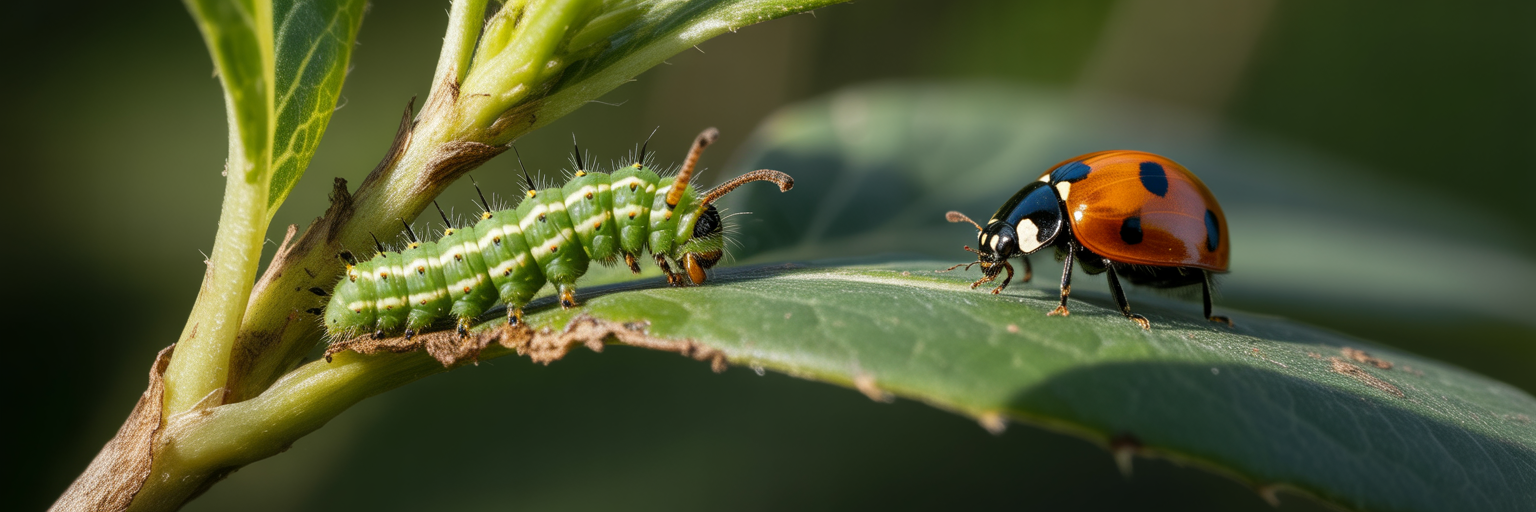
When a plant is under attack, it doesn’t just sit there and take it. It releases a specific blend of airborne chemical messages known as Volatile Organic Compounds (VOCs). Think of it as a scent-based Morse code, a distress signal sent out on the breeze. Scientists have a specific name for this SOS call: herbivore induced plant volatiles (HIPVs). This chemical cocktail is unique; it’s different from the scent a plant releases when damaged by wind, hail, or a lawnmower. It’s a highly specific alert that says, “I am being eaten.”
The system is even more precise than a general alarm. As a recent article in Scientific American highlights, chemicals in the herbivore’s saliva give the plant detailed information about its attacker. This allows the plant to tailor its chemical cry for help, essentially describing the intruder to any potential allies in the area. It’s like a home security system that doesn’t just sound a siren but sends a specific alert identifying the culprit. This level of specificity is a remarkable evolutionary tool, though nature has produced even stranger survival strategies, like the parasite that turns snails into zombies to complete its life cycle.
Recruiting Nature’s Bodyguards
So, who answers this airborne distress signal? The plant’s chemical call for help is a form of plant predator recruitment, summoning a team of natural bodyguards to deal with the pest. These allies have evolved to recognize specific HIPV blends as a dinner bell, guiding them directly to their next meal. The primary recruits include:
- Predatory Insects: Allies like ladybugs, lacewings, and predatory mites arrive on the scene. They aren’t interested in the plant itself but are eager to feast on the soft-bodied herbivores like aphids and caterpillars that are causing the damage.
- Parasitoid Wasps: These bodyguards are far more sinister. A tiny parasitoid wasp will follow the chemical trail to the caterpillar, but it doesn’t eat it. Instead, it lays its eggs inside the pest. The caterpillar becomes a living nursery, consumed from the inside out by the wasp larvae.
This fascinating relationship between the plant, the herbivore, and the predator is known as a tritrophic interaction. Some plants even sweeten the deal by producing sugary nectar on their leaves or stems. This snack encourages the bodyguards to stick around, patrolling the plant for any future threats. It’s an incredible survival adaptation, on par with other wonders of the natural world, such as the frog that freezes solid and thaws back to life.
An Internal and Neighborhood Watch System
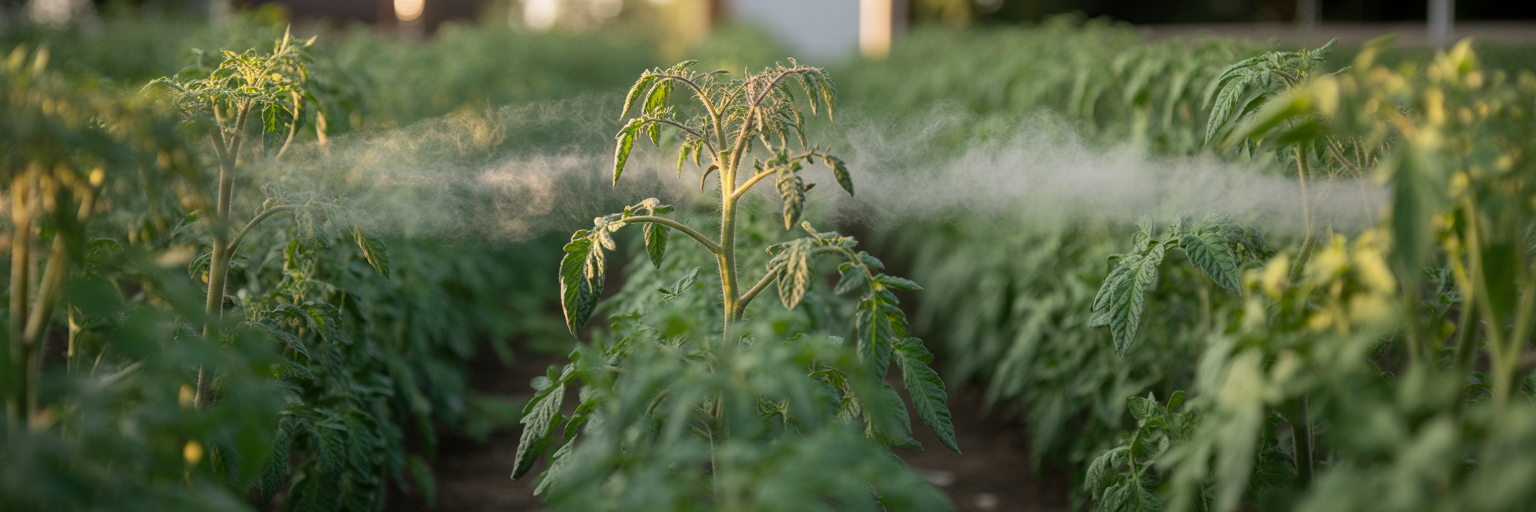
The power of plant chemical signaling extends beyond just calling for outside help. These airborne messages also serve as an internal communication network. When one leaf is attacked, the VOCs it releases travel through the air to other, undamaged leaves on the very same plant. This process, known as ‘priming,’ prepares the rest of the plant for a potential attack. The warned leaves can mount a much faster and stronger defense if the herbivore moves on to them.
But the conversation doesn’t stop there. Nearby plants can ‘eavesdrop’ on these chemical warnings. A neighboring tomato plant that detects the distress signals from its attacked peer can preemptively activate its own defenses. It might start producing bitter-tasting toxins in its leaves to make itself less appealing to hungry caterpillars. This creates a more resilient plant community, functioning like a neighborhood watch system where one home’s alarm alerts everyone on the block to a potential threat. If you find these hidden natural phenomena fascinating, you can discover more stories on our blog.
Decoding the Chemical Vocabulary
The plant’s chemical language is remarkably complex. The general “smell of cut grass” is caused by a class of compounds called green leaf volatiles (GLVs). These act as an immediate, broad signal of physical damage. However, the truly specific messages are found in the mix. The precise ratio of different chemicals is what attracts the right kind of help and warns neighbors effectively.
This chemical vocabulary allows for highly targeted communication. As research published in Functional Ecology shows, certain compounds can prime a plant’s internal defenses by triggering key hormones like jasmonic acid. The plant isn’t just screaming; it’s sending a detailed report.
| Chemical Class | Signal Type | Example Compound | Primary Function |
|---|---|---|---|
| Green Leaf Volatiles (GLVs) | General Damage Alert | (Z)-3-hexenal | Immediate, broad signal of injury; primes nearby leaves. |
| Terpenoids | Specific Herbivore ID | Caryophyllene | Attracts specific predators/parasitoids; can distinguish between different caterpillar species. |
| Benzenoids | Pollinator & Predator Signal | Methyl Salicylate | Signals attack by certain pathogens; can attract beneficial mites. |
| Indoles | Defense & Growth Regulation | Indole-3-acetic acid (Auxin) | Signals severe stress and can deter herbivores directly. |
This table outlines major classes of Volatile Organic Compounds (VOCs) and their roles. The specific blend and concentration of these chemicals create a precise message tailored to the threat.
Harnessing Plant Signals for Sustainable Farming
Understanding this complex chemical dialogue opens up exciting possibilities for agriculture. By learning from nature’s own playbook, we can develop smarter and more sustainable ways to protect our crops. This knowledge is leading to innovative strategies that represent the future of farming.
These approaches include:
- Smarter Crop Breeding: Scientists can develop new plant varieties that are naturally better ‘callers,’ making them more effective at recruiting their own bodyguards when attacked.
- Synthetic Lures: We can deploy artificial VOC blends in fields to attract beneficial insects, bringing them to crops exactly when and where they are needed most.
- Companion Planting 2.0: This involves scientifically pairing plants that are good ‘talkers’ with those that need extra protection, creating a self-defending garden ecosystem.
These innovations are powerful natural pest control methods. They offer a path toward reducing our reliance on chemical pesticides by working with nature, not against it. To explore more amazing stories from the natural world, visit our homepage.