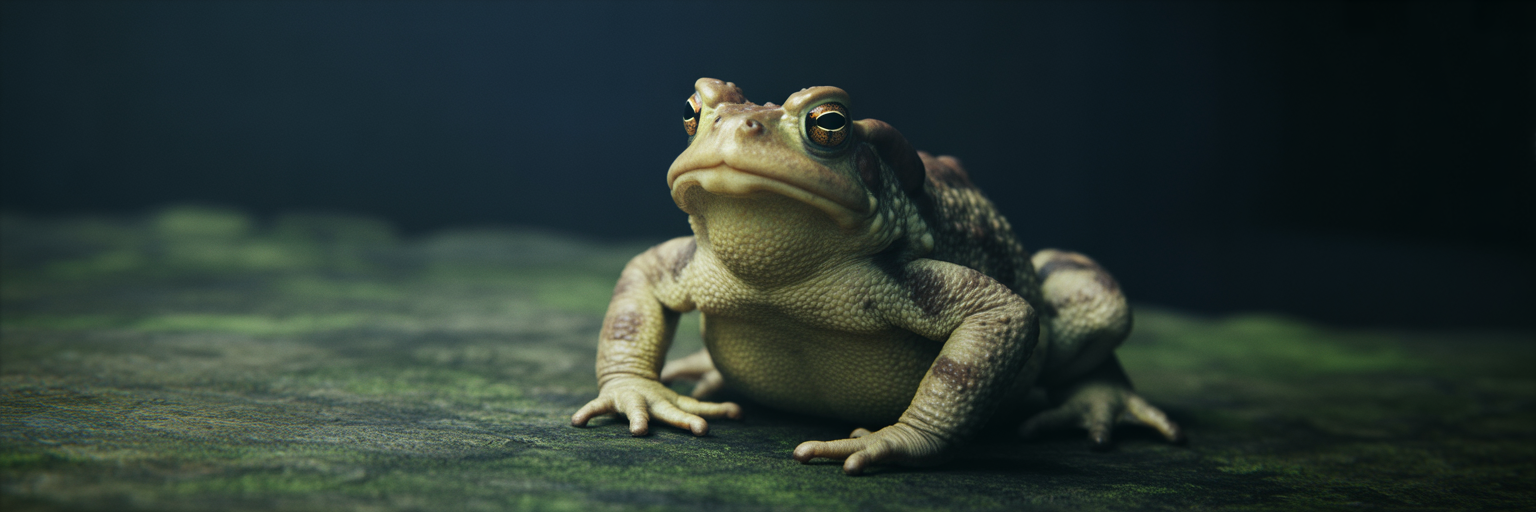
The Ultimate Point of No Return
For any prey, being swallowed by a predator is the absolute end. It is the final, irreversible moment in a life-or-death struggle. But what if it wasn’t? A select few creatures have evolved to challenge this finality, turning the predator’s stomach into an escape room. This is not a story of passive survival or sheer luck. It is a tale of calculated, active breakouts from the most hostile environment imaginable.
This phenomenon represents a fascinating chapter in the evolutionary arms race, where prey develop astonishing countermeasures against seemingly certain death. These escapes are not random occurrences but highly specialized strategies honed over millennia. Some creatures rely on incredible physical endurance and clever navigation to find an exit. Others deploy a form of internal chemical warfare, forcing their captor to reverse the swallowing process entirely.
These stories push the boundaries of what we thought was possible in the natural world. They demonstrate that even after being consumed, the fight for survival is not always over. For these remarkable animals, being swallowed is just the beginning of their escape plan.
The Backdoor Escape Artists
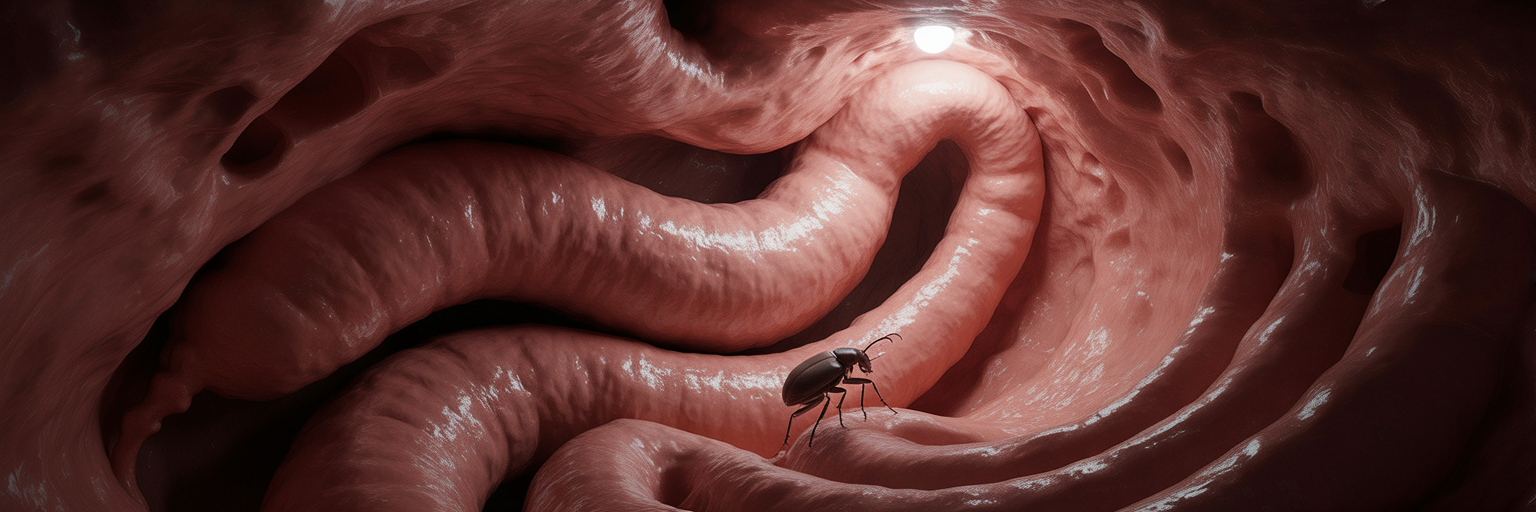
Some escapes are not about brute force but about a determined, strategic journey. These creatures navigate the internal labyrinth of a predator’s body to find an unconventional exit, proving that the digestive tract is not always a one-way street.
The Beetle’s Journey Through the Gut
The water beetle Regimbartia attenuata has perfected the art of the “backdoor” escape. When swallowed by a frog, this tiny insect doesn’t panic. Instead, it begins a remarkable journey. As reported by Scientific American, the beetle’s escape is a multi-step process:
- It first withstands the stomach’s acidic environment, protected by its tough exoskeleton.
- It then actively moves through the dark, oxygen-deprived intestines.
- Upon reaching the end of the line, it stimulates the frog’s cloacal sphincter, essentially tickling the exit until the frog is forced to defecate.
- Finally, it emerges, often in just a few hours, unharmed and ready to swim away.
This bizarre survival tactic is a testament to specialized evolution. Some of nature’s strategies are truly mind-bending, much like how certain parasites can manipulate their hosts. For a fascinating parallel, you can explore the story of the parasite that turns snails into zombies.
The Eel’s Reverse Navigation
While the beetle’s escape is subtle, the Japanese eel’s method is anything but. When swallowed by a larger fish, this creature takes a much more direct route out. Instead of traveling through the digestive system, the eel escapes through gills by burrowing directly through the predator’s internal tissues. It uses its muscular body and sharp tail to tear through the stomach or esophagus wall, navigating through the predator’s body cavity until it finds an opening at the gills. This incredible feat of strength and navigation highlights a completely different, more forceful approach to escaping from the inside.
Fighting Back with Chemical Warfare
While some animals escape through physical maneuvering, the bombardier beetle turns its body into a chemical weapon. Its defense is most shocking because it is often deployed after it has been swallowed, forcing a predator to violently regret its meal. This is not just a defense mechanism; it is a post-capture ejection system.
The beetle’s secret lies in a sophisticated internal chemistry set. When threatened, it triggers a powerful reaction:
- Two separate chambers inside its abdomen store different chemicals: one holds hydroquinones, and the other contains hydrogen peroxide.
- When the beetle is in danger, it mixes these substances in a third, reinforced reaction chamber.
- The result is a near-boiling, noxious spray ejected with an audible pop, aimed directly at its captor.
When this happens inside a toad’s stomach, the effect is immediate and dramatic. The predator is forced to vomit, expelling the beetle in a cascade of digestive fluids. The beetle emerges covered in mucus but very much alive. This is not a rare occurrence. A 2018 study published in PubMed confirmed just how bombardier beetles survive being eaten, showing that a high percentage of them successfully induce vomiting and walk away from the ordeal. This chemical counterattack is one of nature’s most explosive examples of turning the tables on a predator.
The Biology of an Impossible Feat

These escapes are more than just compelling stories; they are masterclasses in evolutionary biology. Surviving inside a predator requires overcoming a series of lethal challenges, from corrosive acids to suffocation. The specific animal survival adaptations these creatures possess are precisely tailored to counter these threats.
The internal environment of a predator is designed for one purpose: to break down organic matter. Any creature hoping to escape must be equipped to handle this hostile setting. The table below connects the internal dangers with the specialized tools that make these impossible feats achievable.
| Internal Threat | Required Adaptation | Example Creature |
|---|---|---|
| Corrosive Stomach Acid | Tough, acid-resistant exoskeleton or cuticle | Water Beetle (Regimbartia) |
| Suffocation (Low Oxygen) | Ability to hold breath or store air under wing casings | Water Beetle (Regimbartia) |
| Digestive Enzymes | Rapid transit through the digestive system | Water Beetle (Regimbartia) |
| Physical Entrapment | Internal chemical weapon to induce vomiting | Bombardier Beetle |
| Anatomical Barriers | Muscular body and sharp tail for burrowing through tissue | Japanese Eel |
These traits are not random mutations. They are the product of millions of years of an evolutionary arms race, where the slightest advantage can mean the difference between being digested and walking away. This level of specialization is seen elsewhere in nature, such as in the frog that freezes solid and thaws back to life, showcasing how life adapts to even the most extreme conditions.
A Highly Specialized Survival Skill
Given these incredible escapes, a logical question arises: why isn’t this ability more common? The answer lies in specialization. These remarkable prey escape mechanisms are not universal solutions but are instead hyper-specialized for specific predator-prey dynamics. The water beetle’s strategy, for instance, is effective against certain species of frogs but may fail against predators with different digestive systems.
Furthermore, developing and maintaining these adaptations is energetically expensive. A bombardier beetle must produce and store volatile chemicals, while an eel needs the muscular power to tear through flesh. Evolution favors efficiency, and such costly defenses only arise when the threat is consistent and specific enough to justify the investment. It is a high-stakes game where the solution must be as specialized as the problem.
Ultimately, the fact that there are animals that survive being eaten in such dramatic ways is a powerful reminder of life’s tenacity. These stories reveal the sheer creativity of the natural world, where the line between predator and prey is sometimes surprisingly blurry. To discover more strange and amazing stories, we invite you to explore our blog.