Sensing Without Nerves
The rapid snap of a Venus flytrap or the delicate folding of a Mimosa leaf are familiar sights. Yet, they present a profound biological puzzle. In animals, such reactions are coordinated by a brain and a complex network of nerves. Plants, however, have neither. Instead of a central command center, they distribute sensory duties across their entire structure, turning every cell into a potential sensor. This decentralized approach is a fundamentally different strategy for perceiving the world.
The venus flytrap touch mechanism is a dramatic example of this distributed intelligence, reacting with incredible speed without a single neuron. Its lobes snap shut in a fraction of a second, a feat of biological engineering that has long fascinated scientists. This raises a fundamental question: If plants lack nerves, what biological tools allow them to perceive, process, and respond to physical contact? The answer lies not in a centralized system, but in a symphony of cellular communication.
| Feature | Animal Nervous System | Plant Sensory System |
|---|---|---|
| Sensory Structures | Specialized organs (eyes, ears, skin receptors) | Mechanoreceptor proteins in cell walls/membranes |
| Signal Type | Fast electrical nerve impulses (action potentials) | Slower electrochemical signals (ion fluxes, variation potentials) |
| Processing Center | Centralized (brain and spinal cord) | Decentralized (cell-to-cell communication) |
| Response Speed | Milliseconds to seconds | Seconds to minutes (with some exceptions) |
This table highlights the fundamental architectural differences between how animals and plants perceive their environment. While animals rely on a centralized, high-speed network, plants use a distributed, localized system to achieve similar outcomes.
The Cellular Mechanics of Touch
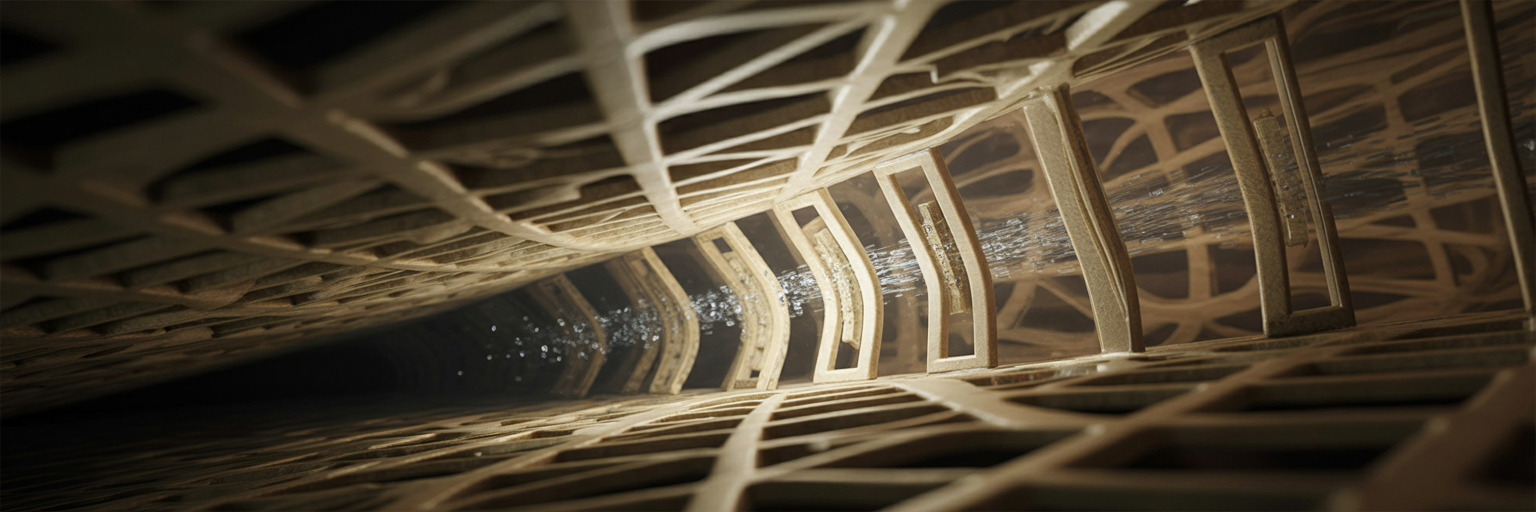
The answer to how plants feel begins at the microscopic level, within the walls of each individual cell. Plants are covered in what scientists call mechanoreceptors in plants, but these are not tiny organs like the receptors in our skin. Instead, they are specialized proteins woven directly into the cell walls and membranes, poised to detect physical force. When an insect’s leg, a gust of wind, or even a single raindrop applies pressure, the cell itself is physically deformed. This stretching is the initial trigger.
This mechanical stress pulls open microscopic gates known as mechanosensitive ion channels. Think of them as pressure-activated doorways in the cell membrane. The process is a simple yet elegant sequence:
- An external force applies pressure to a plant cell.
- The cell wall and membrane are physically stretched or compressed.
- This stretching forces open the mechanosensitive ion channels.
- Ions, primarily calcium, rush into the cell from the outside.
This sequence is a beautiful piece of biological engineering. It effectively converts physical energy, the pressure of touch, into an electrochemical signal, which is the universal language of cellular life. This initial spark is the first word in a complex conversation happening inside the plant. Nature has evolved many such ingenious solutions. As an article on the frog that freezes solid and thaws back to life shows, incredible resilience often begins with remarkable adaptations at the cellular level.
Calcium Waves as Primary Messengers
Once that initial rush of ions breaches the cell, the message of contact begins to travel. The key player in this communication network is the calcium ion (Ca2+). This process, known as calcium signaling in plants, functions as the plant’s internal information network. The first influx of calcium at the point of contact triggers a chain reaction, prompting neighboring cells to release their own calcium stores. This creates a “calcium wave” that ripples outward from the stimulated area, spreading the news of the touch from one cell to the next.
This system is far from simple. As a 2023 study highlighted in Nature Plants demonstrated, plants can interpret these signals with surprising nuance. Researchers found that applying pressure to a cell generates slow-moving calcium waves, while releasing that pressure creates faster ones. What does this mean for the plant? It can distinguish between a gentle, passing breeze and the persistent, threatening crawl of an insect. This ability to interpret the duration and nature of contact allows for more adaptive and precise responses, proving the system is more sophisticated than once thought. This discovery is just one of many surprising findings in the plant world, and you can explore more insights like this on our blog.
Long-Distance Communication Pathways
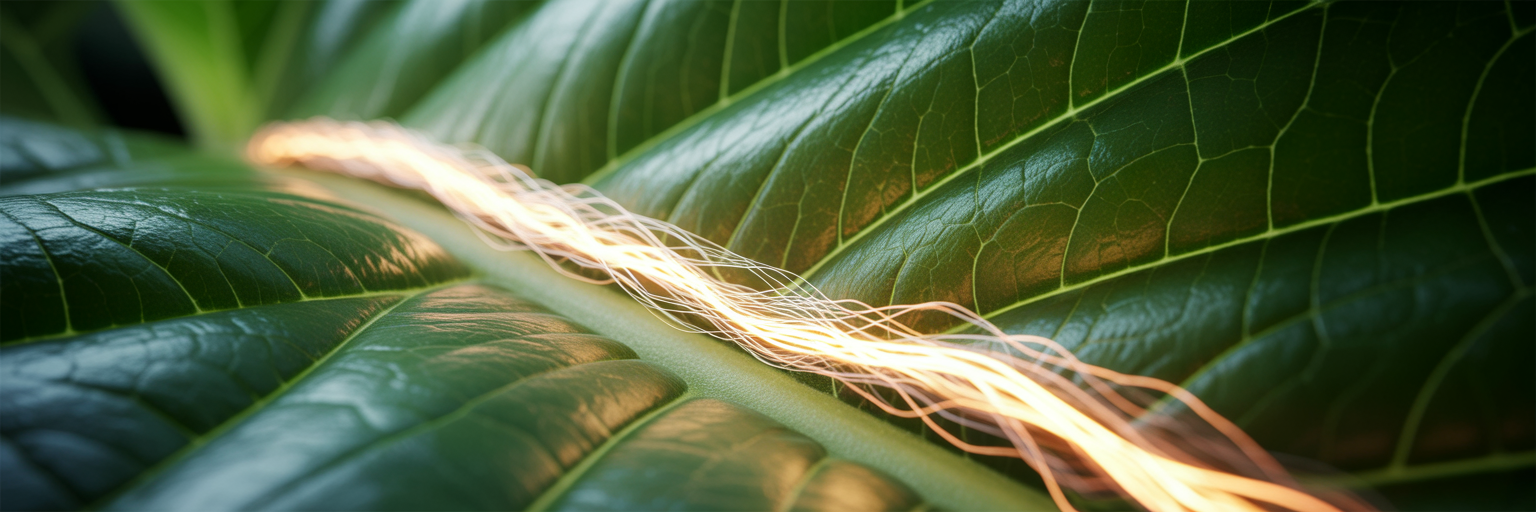
While calcium waves are effective for handling local neighborhood alerts, plants also need a way to send messages across long distances, from a touched leaf tip all the way down to the roots. For this, they repurpose their own internal plumbing: the vascular tissues known as xylem and phloem. These bundles of tubes, which are primarily responsible for transporting water and nutrients, also double as a long-distance signaling highway for the entire plant sensory system.
A strong or persistent stimulus can generate slow-moving electrical signals, sometimes called variation potentials, that travel through this vascular network. It is important to clarify that while these signals are electrical, they are much slower and operate differently than the rapid-fire nerve impulses in animals. This long-distance communication allows for whole-plant responses. For example, an insect chewing on a single leaf can trigger the production of defensive chemical compounds in other, untouched leaves, preparing the entire organism for a potential threat. This kind of complex biological control is seen elsewhere in nature, such as with the parasite that turns snails into zombies, where one organism effectively hijacks another’s internal systems to serve its own purpose.
The Survival Advantage of Sensitivity
These intricate mechanisms are not just biological curiosities; they are essential tools for survival. The ability to sense and respond to touch gives plants a distinct evolutionary advantage, helping them thrive in a world where they are rooted in place. Understanding how plants detect touch reveals a suite of clever adaptations.
- Finding Support: Climbing plants, like vines, use their sense of touch to locate and wrap around structures such as trees or trellises. This behavior, called thigmotropism, helps them compete for sunlight in crowded environments.
- Herbivore Defense: Plants like the Mimosa pudica fold their leaves inward when touched, making them appear smaller and less appealing to grazing animals.
- Structural Integrity: Plants growing in consistently windy environments develop shorter, sturdier stems in a process known as thigmomorphogenesis, which prevents them from breaking under constant stress.
Ultimately, plants prove that a brain and nerves are not the only way to build a sophisticated sensory system. They have evolved their own elegant solution to perceive and interact with the world around them. The natural world is filled with such incredible adaptations, and you can discover more of them at Nature Is Crazy.