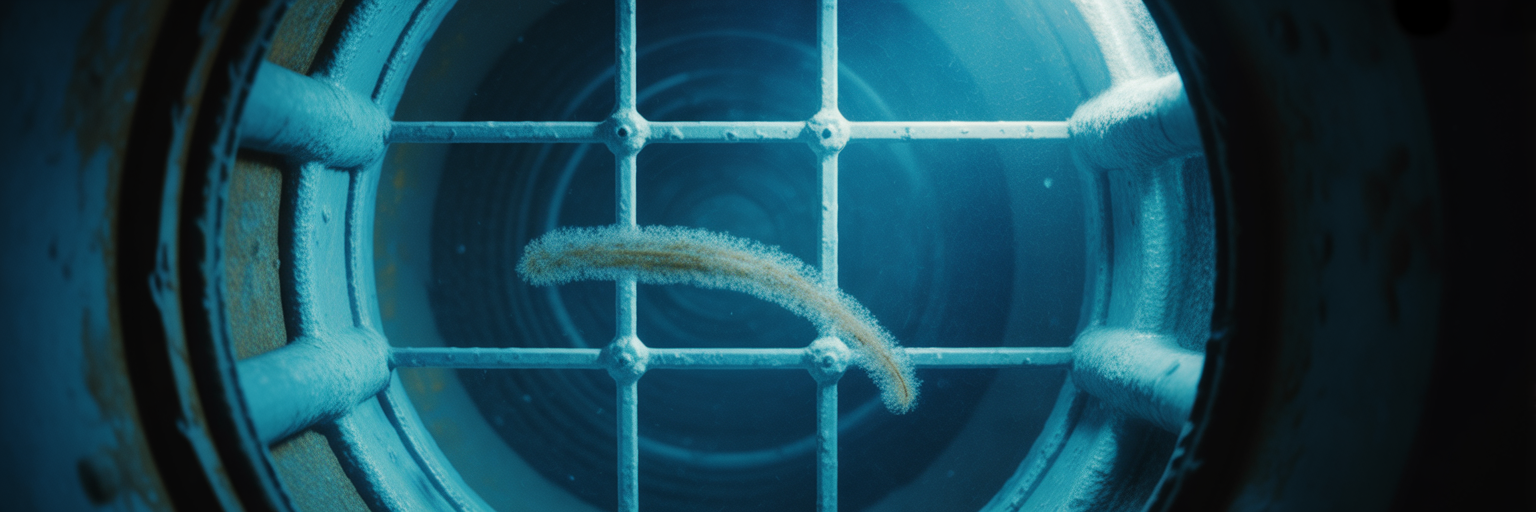
Deep within the core of an operating nuclear reactor, water glows with an ethereal blue light. This phenomenon, known as Cherenkov radiation, is the visual signature of immense energy being unleashed. It’s a place of such intense power that it should, by all logic, be completely sterile. The constant bombardment of subatomic particles is designed to sterilize anything it touches, yet against all odds, life has found a way. This article explores the astonishing world of microorganisms that not only survive but thrive in environments that would instantly destroy nearly every other known life form.
The Lethal Environment of a Nuclear Core
To appreciate the resilience of these microbes, we first have to understand the profound hostility of their environment. A nuclear reactor core is one of the most extreme places on Earth, a maelstrom of energy and radiation that is fundamentally incompatible with the delicate chemistry of life as we know it. It is a place designed to break matter apart, not to sustain it.
The Paradox of Cherenkov Radiation
The haunting blue glow of Cherenkov radiation is produced when charged particles, like electrons, travel through a medium like water faster than the speed of light in that same medium. It’s the light equivalent of a sonic boom. While beautiful, this light is a stark warning. It signifies that the water is saturated with high-energy particles released by nuclear fission. This environment is not just hot or pressurized; it is saturated with an invisible, relentless force that attacks life at its most fundamental level.
Understanding Ionizing Radiation’s Cellular Assault
The primary threat in a reactor is ionizing radiation. This includes powerful gamma rays and various subatomic particles. The best way to picture their effect is to imagine microscopic shrapnel tearing through a cell. These particles and rays carry so much energy that they can knock electrons out of the atoms they strike, creating highly reactive ions. This process doesn’t just damage one part of a cell; it causes widespread, indiscriminate chaos. It shreds cell membranes, denatures essential proteins, and, most critically, attacks the very blueprint of life itself.
DNA: The Primary Casualty of Radiation
Within every living cell, DNA holds the instructions for everything the cell does, from metabolism to reproduction. This incredibly long and complex molecule is the primary target of ionizing radiation. Its large size makes it a statistically easy target, and its intricate structure is exceptionally fragile. A single high-energy particle can trigger a cascade of chemical reactions that break the delicate bonds holding the DNA molecule together. When the blueprint is corrupted or destroyed, the cell can no longer function properly. It loses its ability to repair itself, to divide, or even to perform its basic daily tasks.
Double-Strand Breaks: A Cellular Death Sentence
The most catastrophic form of DNA damage is the double-strand break (DSB). This is when both backbones of the DNA double helix are severed. Think of it as snapping a ladder completely in half. For most organisms, from simple bacteria to humans, even a single unrepaired DSB is a lethal event. The cell recognizes this level of damage as unrecoverable and initiates a program of self-destruction called apoptosis. This is a safety mechanism to prevent a cell with a hopelessly corrupted genome from becoming cancerous. Because a nuclear reactor produces a constant storm of radiation causing countless DSBs every second, it should be an environment where no organism can survive. The fact that anything lives there at all is a profound biological mystery.
Deinococcus Radiodurans: The Ultimate Survivor

The story of life in radioactive environments begins not in a high-tech lab, but with a spoiled can of meat. In the 1950s, scientists were experimenting with gamma radiation as a way to sterilize food. They blasted a can of ground meat with a dose they believed would kill any known microbe. Yet, when they opened the can, something was still alive. From that meat, they isolated a reddish-pink bacterium that would shatter all expectations about the limits of life. They named it Deinococcus radiodurans.
Discovery of ‘Conan the Bacterium’
This organism, later nicknamed “Conan the Bacterium” by scientists, displayed a toughness that seemed impossible. It could be completely dried out, exposed to powerful acids, and subjected to intense vacuum, only to spring back to life when conditions improved. But its true superpower was its almost unbelievable resistance to radiation. It seemed to treat doses of radiation that were thousands of times higher than the lethal dose for humans as a minor inconvenience. This discovery was a turning point, proving that life could withstand conditions previously thought to be universally fatal. This organism is one of many of nature’s unsettling creations that defy belief.
Quantifying Extreme Radiation Resistance
To put its abilities into perspective, we need to look at the numbers. Radiation dosage is measured in units called Grays (Gy). A dose of 5 to 10 Gy is fatal to a human. The common bacterium E. coli, a resilient microbe in its own right, can handle around 200 Gy. Even the famously tough tardigrade, or “water bear,” succumbs at around 5,000 Gy. Deinococcus radiodurans, however, can withstand an acute dose of over 12,000 Gy without breaking a sweat and can remain viable after doses approaching 20,000 Gy. This extreme resistance is supported by extensive research, such as the review by Krisko & Radman in 2013, which details its remarkable survival mechanisms. It doesn’t just tolerate radiation; it seems almost indifferent to it.
| Organism | Lethal Radiation Dose (Grays – Gy) | Relative Resistance Factor (vs. Human) |
|---|---|---|
| Human | 5 – 10 Gy | 1x |
| Escherichia coli (E. coli) | ~200 Gy | ~20-40x |
| Tardigrade (Water Bear) | ~5,000 Gy | ~500-1,000x |
| Deinococcus radiodurans | >12,000 Gy (acute dose) | >1,200-2,400x |
The Master of Genetic Reconstruction
So, how does it do it? The secret isn’t a magic shield that blocks radiation. In fact, its DNA is shattered by high doses of radiation just like any other organism’s. The difference is what happens next. Where other cells would give up and die, D. radiodurans begins one of the most extraordinary repair processes in the known biological world. Its primary survival trick is its ability to reassemble its shattered genome with near-perfect accuracy. Imagine taking a multi-volume encyclopedia, running it through a paper shredder, and then having a system that can flawlessly piece every page back together in the correct order within a few hours. That is what Deinococcus radiodurans DNA repair accomplishes. It has multiple copies of its genome (a state called polyploidy) and a unique ring-like cellular structure that helps keep the broken pieces of DNA from drifting away, but the true genius lies in its biochemical toolkit.
The Cellular Toolkit for Radiation Resistance
The survival of D. radiodurans is not due to a single trick but a sophisticated, multi-layered defense system. It combines hyper-efficient repair machinery with powerful chemical defenses and a unique cellular architecture. This toolkit allows it to withstand damage that would permanently obliterate the genetic code of other organisms. The ability of these microbes to survive complete DNA destruction is reminiscent of other organisms that can withstand extreme states, such as those life forms that can survive being completely dried out for years, which also involves significant cellular repair.
Advanced DNA Repair Machinery
At the heart of its resilience is an army of highly efficient DNA repair enzymes. While most organisms have DNA repair systems, those in D. radiodurans are exceptionally robust. Its primary method is homologous recombination. Because it carries multiple copies of its genome, it can use an undamaged copy as a perfect template to guide the reassembly of a shattered one. This ensures an incredibly high-fidelity repair with very few errors. This stands in stark contrast to the faster, more error-prone system called non-homologous end joining used by many other organisms, which simply sticks broken ends of DNA back together, often introducing mutations in the process. D. radiodurans prioritizes accuracy over speed, ensuring its genetic blueprint remains intact.
Neutralizing Chemical Warfare with Antioxidants
Radiation poses both a direct and an indirect threat. The indirect threat comes from the creation of reactive oxygen species (ROS), also known as free radicals. When ionizing radiation strikes water molecules inside a cell, it splits them apart, creating highly reactive chemicals like superoxide and hydrogen peroxide. These molecules then go on a rampage, causing further damage to DNA, proteins, and lipids. Many radiation resistant bacteria have evolved powerful defenses against this chemical assault. D. radiodurans is packed with potent antioxidant molecules, including carotenoids (which give it its pinkish color), that neutralize these free radicals before they can do harm. It also produces large quantities of enzymes like catalase and superoxide dismutase, which specifically target and break down these dangerous byproducts.
Protecting the Protein Workforce
An often-overlooked aspect of radiation survival is the protection of the repair machinery itself. The enzymes that fix DNA are proteins, and proteins are also vulnerable to radiation damage. A cell can have the best DNA repair blueprint in the world, but it’s useless if the workers (the enzymes) are incapacitated. D. radiodurans solves this problem with a unique strategy involving high intracellular concentrations of manganese ions. These manganese complexes form a protective shield around proteins, sacrificing themselves to absorb the damaging effects of ROS and protecting the vital protein workforce from oxidation. This ensures that the repair crews are always ready and able to do their job, even in the midst of a radiation storm.
Structural and Genomic Organization
Finally, the physical layout of the cell plays a crucial role. The genome of D. radiodurans is not loosely floating around inside the cell. Instead, its multiple chromosomes are tightly packed into a highly organized, donut-shaped structure called a toroidal nucleoid. When radiation shatters the DNA, this compact arrangement prevents the hundreds of fragments from dispersing throughout the cell. By keeping the broken pieces in close proximity, the cell makes the job of finding and reassembling them in the correct order much faster and more efficient. This clever structural organization is the final piece of the puzzle, creating a perfectly integrated system for survival.
- Hyper-Efficient Repair: Uses multiple genome copies as templates for accurate reconstruction.
– Chemical Defense: Employs powerful antioxidants to neutralize damaging free radicals.
– Protein Protection: Shields its repair enzymes with a unique manganese-based system.
– Organized Structure: Keeps shattered DNA fragments contained for easier reassembly.
Life Persisting in Radioactive Hotspots
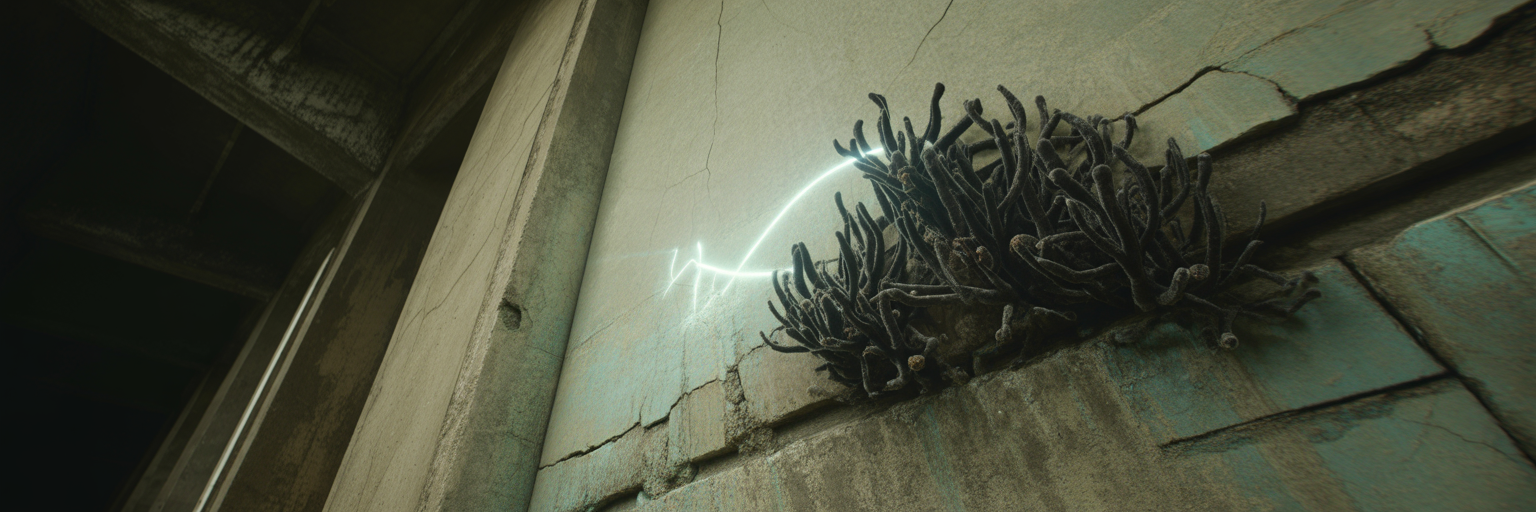
While Deinococcus radiodurans is the poster child for radiation resistance, it is far from alone. Scientists have discovered that this incredible resilience is not just a laboratory curiosity but a widespread phenomenon. In the most radioactively contaminated places on our planet, from the cooling pools of nuclear reactors to the fallout-dusted soils of Chernobyl, thriving ecosystems of extremophiles in radioactive environments have been found. These discoveries show a consistent pattern of life adapting to and even colonizing these man-made hostile zones.
Microbial Colonists in Nuclear Reactor Pools
The water-filled pools used to cool and store spent nuclear fuel rods are intensely radioactive environments. For years, they were assumed to be sterile. However, researchers have found that the surfaces within these pools are often coated in thick, slimy biofilms. These are not just isolated survivors but organized communities of microbes in nuclear reactors. Bacteria from genera like Pseudomonas, Sphingomonas, and Deinococcus have been identified, forming complex ecosystems. They are not just passively enduring the radiation; they are actively growing, reproducing, and interacting with each other, creating a hidden world of life in a place built to extinguish it.
Thriving Communities in Radioactive Waste Sites
Legacy nuclear production sites, such as the Hanford Site in Washington State, are among the most contaminated places in the world. Decades of plutonium and uranium processing have left the soil and groundwater saturated with radioactive elements. Yet, even here, life persists. Scientists have discovered diverse microbial communities that have adapted to this toxic environment. More remarkably, some of these bacteria have evolved metabolisms that allow them to interact with the radioactive elements. For example, certain bacteria can chemically alter soluble uranium, which can easily spread through groundwater, into an insoluble, solid form, effectively locking it in place. This discovery has opened up new possibilities for cleaning up these hazardous sites.
The Unexpected Ecology of Chernobyl
The Chernobyl Exclusion Zone, the site of the world’s worst nuclear disaster, has become a unique, albeit unintentional, wildlife refuge. While the resilience of large animals there is well-documented, the microbial story is even more astonishing. On the walls of the destroyed Reactor 4, one of the most radioactive places on Earth, researchers discovered a thick coating of black fungi. These fungi were not only surviving but appeared to be growing *towards* the sources of radiation. They were found to be rich in melanin, the same pigment that protects human skin from ultraviolet radiation. This observation led to a startling hypothesis: perhaps these fungi weren’t just resisting the radiation but were somehow using it.
Microbial Responses at the Fukushima Daiichi Site
The 2011 Fukushima Daiichi nuclear disaster provided a modern case study for observing how microbial life responds to a sudden, massive release of radiation. In the years following the accident, scientists have been studying the soil, water, and marine sediments around the plant. They have found significant shifts in the microbial populations, with radiation-resistant species becoming more dominant. They have also identified bacteria with novel genes that may be involved in radiation resistance and the metabolism of radioactive isotopes like cesium. Fukushima is serving as a real-time laboratory, showing us how quickly evolution can act to equip life with the tools it needs to survive in the most challenging new environments.
Fungi That Feed on Radiation
The discovery of fungi thriving in Chernobyl led to a paradigm-shifting idea. For centuries, we believed that life on Earth was powered by two primary sources: sunlight, through photosynthesis, and chemical energy, through chemosynthesis. But the behavior of these dark fungi suggested a third, previously unimagined possibility: life that could feed directly on ionizing radiation. The idea of organisms evolving to consume something as unusual as radiation is a testament to nature’s adaptability, much like the discovery of life forms that can feed on plastic waste.
Introducing Radiotrophism: Life’s Alternative Energy
This theoretical process was named radiotrophism. The concept is analogous to photosynthesis, but instead of using pigments like chlorophyll to capture the energy of visible light, these organisms use other pigments to capture the much higher energy of gamma radiation. If proven, it would mean that life can harness a far wider spectrum of energy than previously thought. It suggests that in environments devoid of light and poor in chemical nutrients, but rich in radiation, life could still find a way to power itself. This fundamentally alters our understanding of what makes an environment “habitable.”
The Central Role of Melanin
The key to this process appears to be the pigment melanin. In humans, melanin protects us by absorbing harmful UV radiation and dissipating it as heat. In these fungi, scientists believe melanin plays a more active role. The theory of how fungi use radiation posits that when melanin is struck by gamma rays, it changes its electronic structure. This alteration is thought to be harnessed by the cell’s metabolic machinery to produce chemical energy, likely in the form of ATP, the universal energy currency of all life. In essence, the melanin acts like a biological solar panel, but one designed for a much more powerful form of energy. As detailed in studies compiled by sources like ScienceDirect, fungi like *Cladosporium* species have been observed converting radiation into chemical energy.
Evidence from Earth and Beyond
The evidence for radiotrophism is growing. In laboratory experiments, melanized fungi from Chernobyl were exposed to radiation levels 500 times higher than normal background levels. The result was that they grew significantly faster than their non-melanized counterparts. This strongly suggests they were not just tolerating the radiation but were actively benefiting from it. Further research has even been conducted aboard the International Space Station (ISS), where fungi were exposed to the intense cosmic radiation of space. These experiments are helping scientists understand the precise biochemical mechanisms at play. The implications are profound, suggesting that on planets orbiting stars that emit high levels of radiation, or even on rogue planets drifting through interstellar space, life could potentially sustain itself on cosmic rays alone.
Harnessing Extremophiles for Future Technologies
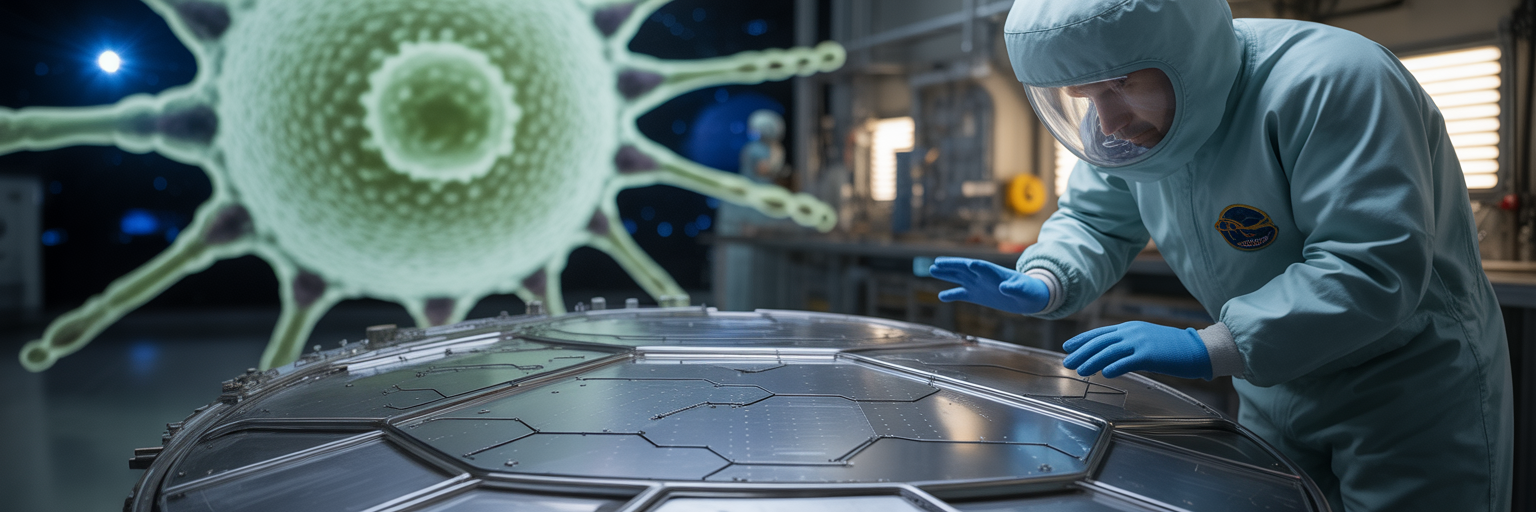
The discovery of these incredibly resilient organisms is more than just a scientific curiosity. It opens the door to a range of practical applications that could help solve some of humanity’s most pressing challenges, from cleaning up our planet to exploring the stars. The unique biological machinery perfected by these microbes over millions of years represents a powerful new toolkit for biotechnology. The concept of using microbes to clean up waste is a fascinating application of biology, just as it’s incredible to learn about organisms that can live inside other living creatures without harm, showcasing nature’s intricate solutions.
Bioremediation for a Cleaner Planet
One of the most promising applications is in the bioremediation of nuclear waste. Radioactive contamination from nuclear weapons production and power generation is a persistent environmental problem. Cleaning up these sites is incredibly difficult and expensive. However, some of these radiation-resistant microbes have natural abilities to interact with radioactive elements. For example, bacteria like Geobacter can change the chemical state of uranium, converting it from a soluble form that travels easily in groundwater to an insoluble, solid form that stays put. By harnessing these microbes, we could potentially develop living, self-sustaining systems to contain and neutralize radioactive contamination in soil and water, offering a greener and more cost-effective cleanup solution.
Aiding Long-Duration Space Exploration
As humanity sets its sights on long-duration missions to the Moon, Mars, and beyond, one of the greatest threats to astronaut health is cosmic radiation. Outside the protection of Earth’s magnetic field, astronauts are bombarded by a constant stream of high-energy particles that can damage their DNA and increase their risk of cancer. By studying the hyper-efficient DNA repair mechanisms of organisms like D. radiodurans, scientists hope to develop new radioprotective therapies. This could lead to supplements or genetic treatments that enhance an astronaut’s own cellular repair systems, making deep space travel safer.
The Evolutionary Puzzle of Radiation Resistance
A fascinating question remains: why did this incredible radiation resistance evolve long before humans ever created nuclear technology? The leading hypothesis is that it is a side effect of an adaptation to a much more common environmental stress: desiccation, or drying out. When a cell completely dehydrates, its DNA shatters into fragments in a way that is remarkably similar to the damage caused by radiation. An organism that evolved a robust system to repair its DNA after drying out would, by chance, also be highly resistant to radiation. This suggests that this powerful ability was an evolutionary accident, a tool developed for one purpose that just happened to be perfectly suited for one of the most extreme environments we could create.
Expanding the Search for Extraterrestrial Life
Perhaps the most profound implication of these discoveries is for astrobiology. For decades, our search for life beyond Earth has been guided by the concept of a “habitable zone,” a narrow band around a star where liquid water can exist. But these extremophiles force us to reconsider what “habitable” truly means. If life can thrive in the core of a nuclear reactor and feed on raw radiation, then the range of possible environments for life expands dramatically. High-radiation worlds like Mars, with its thin atmosphere, or the radiation-blasted surface of Jupiter’s moon Europa, suddenly seem like more plausible candidates. These organisms prove that life is not necessarily fragile and that we should be prepared to find it in places we once considered impossibly hostile.
Redefining the Boundaries of Life
The existence of microbes in nuclear reactors forces a fundamental re-evaluation of the limits of biology. These organisms challenge our Earth-centric notions of what life requires to survive and what environments can be considered habitable. They demonstrate that the line between a life-sustaining place and a lethal one is not as clear as we once thought. The discovery that life can withstand having its genetic code shredded into hundreds of pieces and then calmly stitch it back together is a testament to the profound resilience and resourcefulness of evolution.
From the eerie blue glow of a reactor core to the dark, fungus-coated walls of Chernobyl, these extremophiles are more than just biological oddities. They are messengers from the frontiers of possibility. They expand our imagination, suggesting that life in the universe may be far more widespread and far more tenacious than we have ever dared to believe. The story of these microbes is a powerful reminder that nature is crazy and full of surprises waiting to be discovered, pushing us to look for life in the most unexpected of places.