The Silent Crisis Beneath the Ice
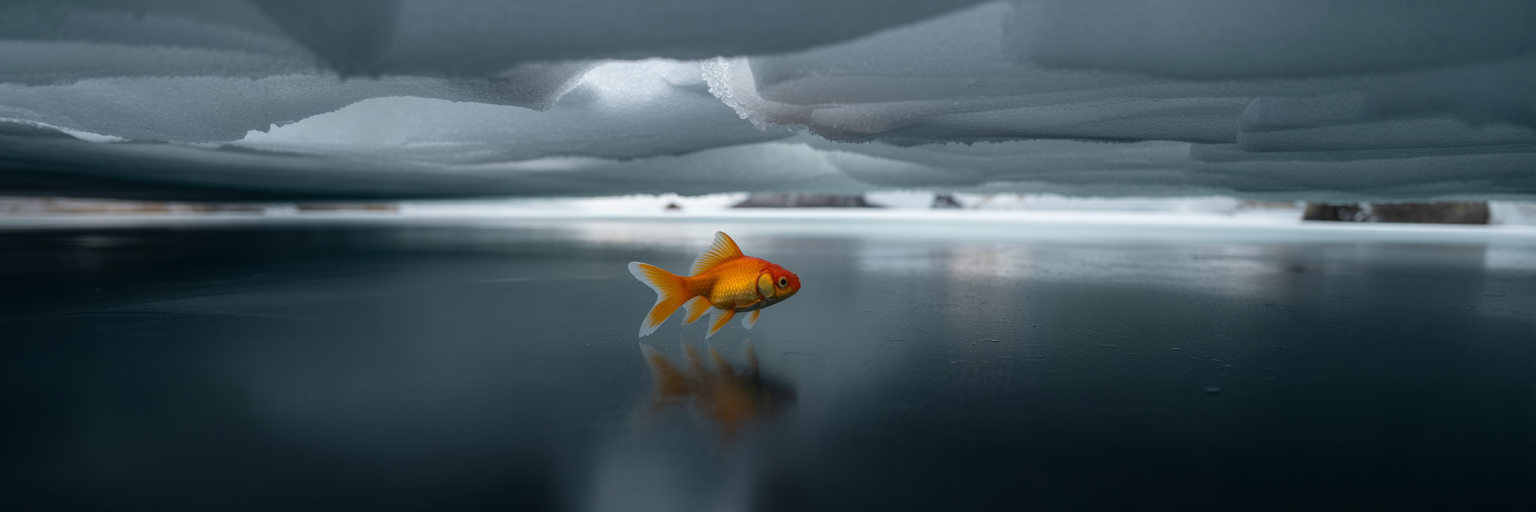
Picture a park pond in New England or a small backyard water feature in the Midwest, frozen solid under a blanket of January snow. The scene is one of absolute stillness, a postcard of winter tranquility. But beneath that serene sheet of ice, a life-or-death struggle is unfolding. For the creatures trapped below, the beautiful, frozen surface seals them into a world of dwindling resources and mounting danger. This is the first part of understanding how do fish survive winter.
Two primary threats emerge in this isolated environment. The first is physical. As water temperature drops, the water inside an animal’s cells can form microscopic ice crystals. These tiny, sharp shards act like daggers, puncturing cell membranes and causing catastrophic, irreversible damage. It’s a quiet, cellular-level death sentence that most vertebrates have no defense against.
The second threat is chemical, and in many ways, more insidious. The layer of ice cuts off the water from the air, preventing any new oxygen from dissolving into the pond. As the fish and other organisms continue to breathe, they slowly deplete the available oxygen until there is virtually none left. This state, known as anoxia, is lethal. Without oxygen, the body’s normal energy-producing process shuts down. Most animals, including humans, switch to a desperate backup plan called anaerobic respiration. This process generates a tiny amount of energy but produces a highly toxic byproduct: lactic acid.
We’ve all felt a mild version of this as a burning sensation in our muscles during intense exercise. For a fish trapped in an anoxic pond for months, this lactic acid builds up in the bloodstream, causing a catastrophic drop in pH. The body’s internal chemistry spirals out of control, leading to paralysis and death. So, when you hear a wild story about a fish surviving by “drinking its own blood,” it’s a dramatic metaphor for an incredible internal process. The fish isn’t literally drinking anything; it’s performing a feat of biochemical alchemy to neutralize a poison that should have killed it. The real question is, how does it pull off this impossible trick?
The Goldfish’s Secret: A Self-Contained Distillery
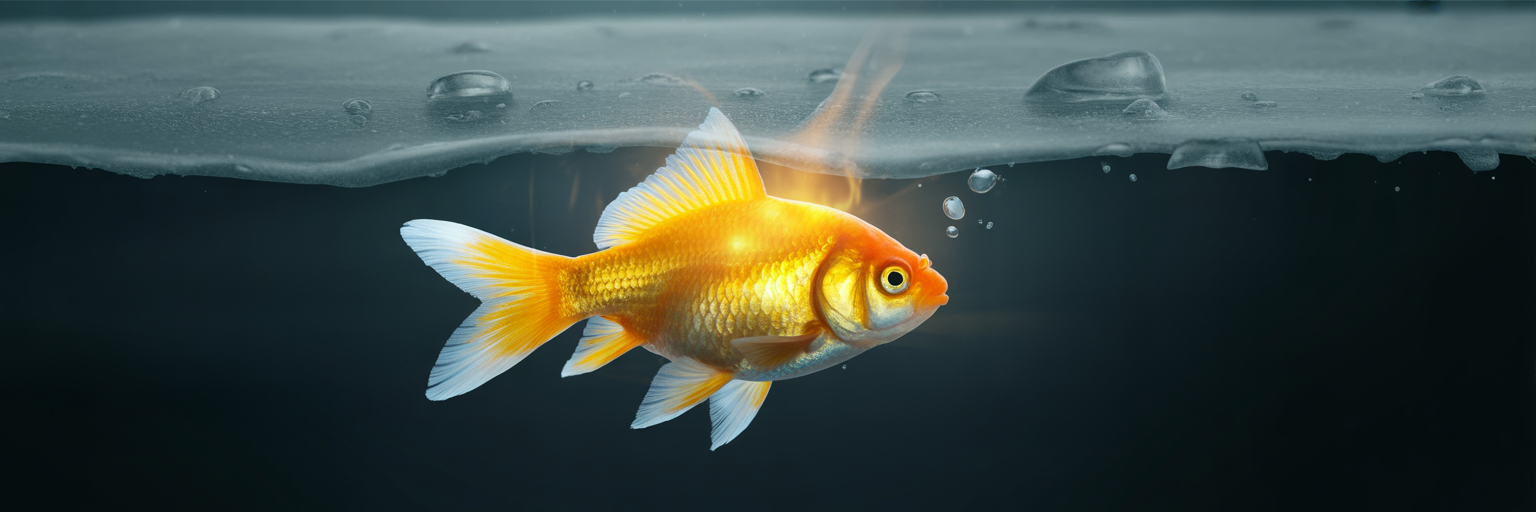
The common goldfish and its wild cousin, the crucian carp, have an evolutionary answer to the lethal problem of lactic acid. They have re-engineered their own metabolism to become, in essence, tiny, self-contained breweries. This remarkable adaptation allows them to thrive where other fish would perish, turning a deadly poison into a harmless, disposable byproduct.
The Standard Path to Poison
For nearly every other vertebrate, the metabolic road ends at lactic acid. When oxygen is absent, cells break down glucose for energy and are left with a substance called pyruvate. With no oxygen to complete the process, the only option is to convert that pyruvate into lactic acid. It’s a short-term fix that quickly becomes a fatal problem as the acid accumulates in the tissues and blood.
An Evolutionary Detour
This is where the goldfish winter survival strategy diverges. A study published in Scientific Reports in 2017 revealed that a distant gene duplication event gave these fish a second set of enzymes. Think of it like a factory suddenly having a spare assembly line. This new set of tools allowed the fish to create an entirely new metabolic pathway, a detour that intercepts the pyruvate before it can become lactic acid. This crucian carp adaptation works in two steps:
- The first new enzyme strips a carbon atom off the pyruvate molecule, turning it into a substance called acetaldehyde. This is the same compound responsible for many of the unpleasant symptoms of a hangover in humans.
- A second enzyme then converts the acetaldehyde into something far more manageable: ethanol. Yes, the very same alcohol found in beer and wine.
This process makes them one of the most fascinating examples of fish that produce alcohol. They are effectively fermenting their internal sugar reserves to stay alive.
Expelling the Evidence
Creating alcohol internally presents its own obvious problem: intoxication. If the ethanol were to build up, it would disrupt the fish’s neurological function and eventually become toxic. But the goldfish has a simple and elegant solution. Ethanol is a small molecule that diffuses easily in water. The fish simply expels the alcohol out through its gills, where it dissipates harmlessly into the surrounding pond. By turning a toxic, stationary acid into a mobile, disposable alcohol, the goldfish can survive for months in an oxygen-free environment, patiently waiting for the spring thaw.
Nature’s Antifreeze: A Molecular Defense Against Ice
While the goldfish is busy brewing alcohol to survive a chemical crisis, fish in the polar oceans face a more direct physical threat. In the frigid waters of the Arctic and Antarctic, which can drop below the normal freezing point of freshwater, the primary danger isn’t a lack of oxygen but the formation of deadly ice crystals in their blood. Their solution is just as remarkable but operates on a completely different principle. They produce antifreeze proteins in fish.
It’s important to clarify that these compounds, known as antifreeze glycoproteins (AFGPs), don’t work like the antifreeze in your car. They don’t lower the freezing point of the fish’s entire body. Doing so would require such high concentrations of the protein that the blood would become as thick as syrup. Instead, they perform a far more precise and subtle function. These proteins act as molecular ice-blockers.
They patrol the bloodstream, searching for microscopic ice seeds that are the starting point for larger, cell-rupturing crystals. When an AFGP finds one of these tiny ice crystals, it binds directly to its surface. This physical barrier prevents other water molecules from joining the crystal, effectively stopping its growth. The action is like tossing a handful of grit into a zipper; the mechanism is physically jammed. This allows fish like the winter flounder and Arctic cod to survive in water that is technically cold enough to freeze them solid. The development of such specialized molecules is one of many examples of nature’s unsettling creations that defy belief, showcasing how life adapts in the most unexpected ways.
| Factor | Ethanol Production (Goldfish/Crucian Carp) | Antifreeze Proteins (Arctic Cod/Icefish) |
|---|---|---|
| Primary Threat Solved | Oxygen deprivation (anoxia) | Internal ice crystal formation |
| Mechanism | Biochemical conversion of lactic acid to ethanol | Physical binding to ice crystals to inhibit growth |
| Key Molecule | Ethanol (a disposable waste product) | Antifreeze Glycoproteins (AFGPs) |
| Result | Avoids toxic lactic acid buildup | Prevents cells from being ruptured by ice |
| Typical Environment | Frozen, oxygen-poor freshwater ponds | Sub-zero, oxygen-rich polar oceans |
This table highlights the two distinct evolutionary strategies fish have developed to survive winter. The choice of strategy is dictated by the primary environmental pressure—lack of oxygen versus the physical danger of freezing.
The Ghost Fish of the Antarctic Deep
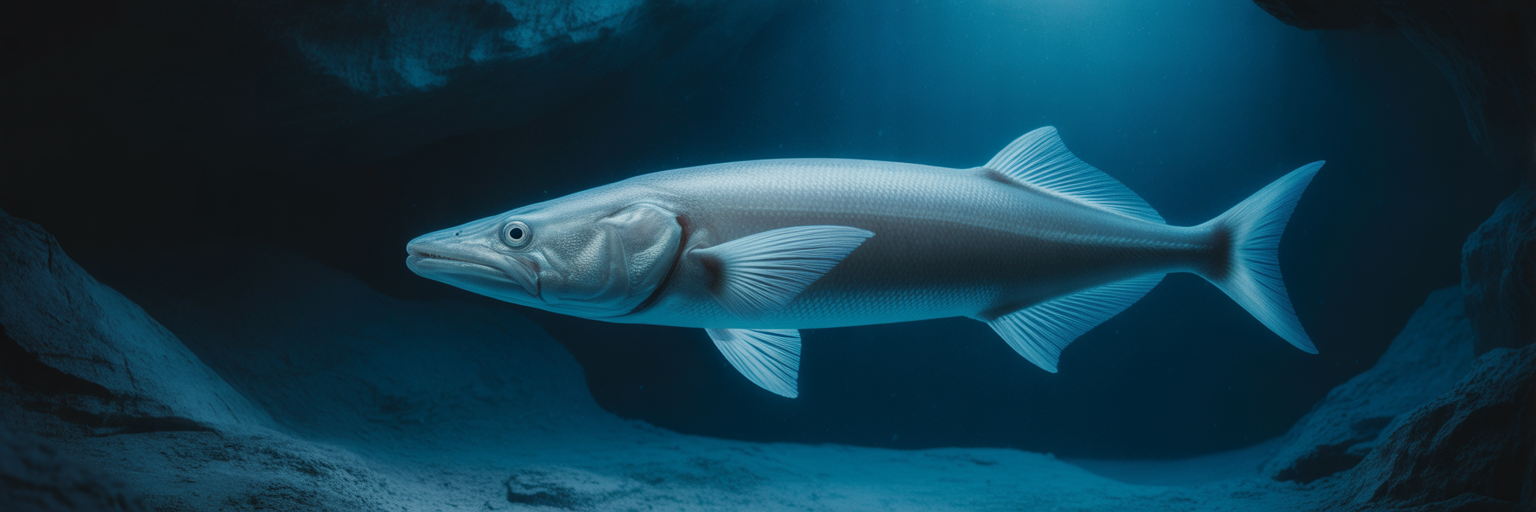
At the absolute extreme of cold adaptation, we find a creature that seems to defy the fundamental rules of vertebrate biology: the Antarctic icefish. These are true extreme cold adaptation animals. Found in the Southern Ocean, where water temperatures hover at a stable, life-threatening -1.9°C (28.5°F), the icefish has taken survival to a ghostly new level.
A Fish Without Blood
The most striking feature of an icefish is its appearance. It is pale, white, and almost translucent, earning it the nickname “ghost fish.” This is because its blood is colorless. Icefish are the only known vertebrates in the world that have no hemoglobin, the protein that makes blood red and is responsible for transporting oxygen. They have completely lost their red blood cells through evolution.
The Evolutionary Trade-Off
How can an animal survive without the primary mechanism for carrying oxygen? The answer lies in its unique environment. The frigid waters of the Southern Ocean are exceptionally rich in dissolved oxygen. The icefish has evolved to absorb this oxygen directly from the water into its blood plasma through its large, feathery gills and even through its scaleless skin. In this hyper-oxygenated environment, red blood cells simply became redundant, and evolution discarded them. The icefish’s ability to thrive without a core component of vertebrate biology is a testament to how some animals can survive being swallowed and escape alive from what seem like inescapable biological rules.
An Engine Built for the Cold
Losing red blood cells wasn’t a loss but a brilliant trade-off. As Discover Wildlife explains, the icefish’s clear blood is not a weakness but a key adaptation. Without red blood cells, its blood is far less viscous, or much thinner, than that of other fish. This is a massive advantage at near-freezing temperatures, as it requires significantly less energy to pump this watery fluid around the body. This efficiency is critical for circulating the high concentrations of antifreeze glycoproteins it depends on to prevent freezing. To compensate for the less efficient oxygen transport of plasma alone, the icefish evolved a much larger heart and wider blood vessels, allowing it to circulate blood at a much higher volume than other fish its size.
The Survival Playbook: Mastering Energy Conservation
Whether a fish is brewing alcohol or manufacturing antifreeze, these incredible biochemical feats come at a high energy cost. A goldfish can’t run its internal distillery indefinitely, and an icefish can’t constantly pump massive volumes of blood without a plan. The unsung hero of all these winter survival strategies is a universal principle: profound energy conservation.
To make their limited energy reserves last for months, these fish enter a state of torpor, a deep metabolic suppression that goes far beyond simple rest or sleep. It is a calculated shutdown of all non-essential systems, a biological “power-down” mode. This physiological shift is similar to how some animals can change their internal organs seasonally to cope with environmental demands. During torpor, several key changes occur:
- Heart rate slows dramatically, sometimes to just a few beats per minute.
- Gill movements become infrequent and shallow, just enough to perform their function.
- All significant movement ceases. The fish remains almost perfectly still for weeks or months at a time.
- Non-essential processes like digestion and growth come to a complete halt.
Through this state, a fish can reduce its overall energy consumption by more than 90%. This strict energy budget is the foundation that makes everything else possible. Without torpor, the goldfish’s glycogen stores would be depleted in days, not months. The icefish’s super-sized heart would be too metabolically expensive to run. This deep rest is the quiet, essential strategy that enables the more dramatic adaptations to function over the long, harsh winter.
From Frozen Ponds to Medical Breakthroughs
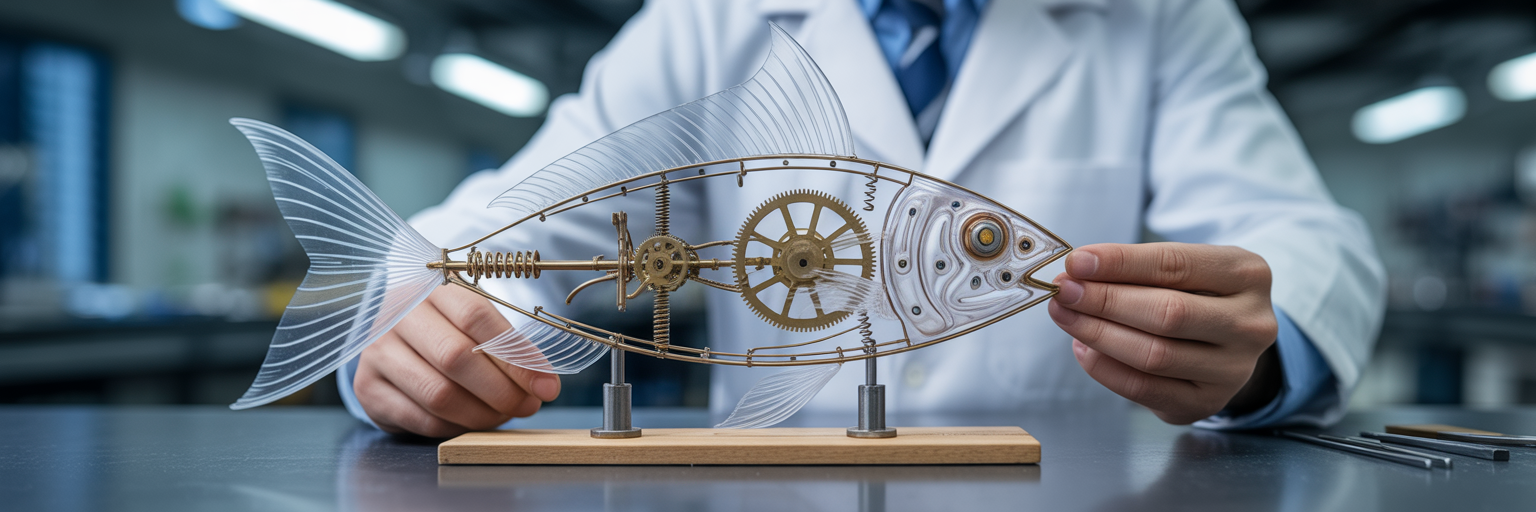
The remarkable survival strategies of these fish are more than just fascinating biological curiosities. They represent a playbook of solutions to problems that also plague human medicine, offering a source of inspiration for future technologies and treatments. The question is no longer just about how fish survive winter, but what their survival can teach us.
Ecological Cornerstones
First, it’s important to recognize the ecological role of these survivors. By enduring the winter, they ensure that pond and ocean ecosystems don’t have to “reset” every spring. They provide a crucial food source for predators like herons and otters as the ice thaws, maintaining the stability of the food web year-round.
Lessons in Bio-Inspired Technology
The true potential, however, lies in bio-inspired medicine. Scientists are studying these fish to solve complex human health challenges:
- Stroke and Heart Attack Treatment: The goldfish’s ability to protect its brain and heart from damage during long periods of anoxia is of immense interest. Understanding this mechanism could lead to new drugs that protect human tissues during a stroke or heart attack, when oxygen supply is cut off.
- Organ Transplantation: The biggest hurdle in organ transplants is time. Ice crystal formation damages organs during freezing, limiting how long they can be stored. Fish antifreeze proteins offer a revolutionary possibility. By adding them to preservation solutions, we could potentially store organs for much longer periods without damage, expanding the window for transplantation and saving more lives.
- Metabolic Control: The ability of these animals to safely suppress their metabolism could provide insights into treating metabolic disorders. It might even lead to methods for inducing a protective state of torpor in critical care patients to reduce tissue damage during severe illness or trauma.
The potential to use these natural proteins in medicine is a powerful reminder that some of the most advanced solutions are found in nature, much like how certain organisms that can live inside other living creatures without harm have inspired new approaches to symbiosis and treatment.
The Unseen Resilience of a Frozen World
Let’s return to that silent, frozen pond. What once appeared to be a lifeless, static landscape is now revealed to be a theater of intense biochemical drama. Beneath the ice, a common goldfish is not hibernating in the simple sense; it is actively running a sophisticated biological distillery to fend off self-poisoning. In the polar seas, a ghostly icefish pumps antifreeze through its veins with a heart built for the extreme, surviving without the one thing most of us consider essential for life: red blood.
These creatures have mastered survival through three core strategies: producing ethanol to beat anoxia, manufacturing antifreeze proteins to stop ice, and entering a state of deep torpor to make it all possible. Each adaptation is a testament to the sheer ingenuity of evolution, a response tailored perfectly to a brutal environmental challenge.
The story of a pet-store goldfish holding an evolutionary secret more remarkable than fiction is a powerful reminder of the wonders hidden in plain sight. It shows that nature’s solutions to its greatest challenges are often far more elegant, strange, and efficient than anything humans can engineer. The incredible adaptations of these fish are just one corner of a world filled with biological marvels, and there is always more to explore about how nature is crazy.