A Battlefield Measured in Millimeters
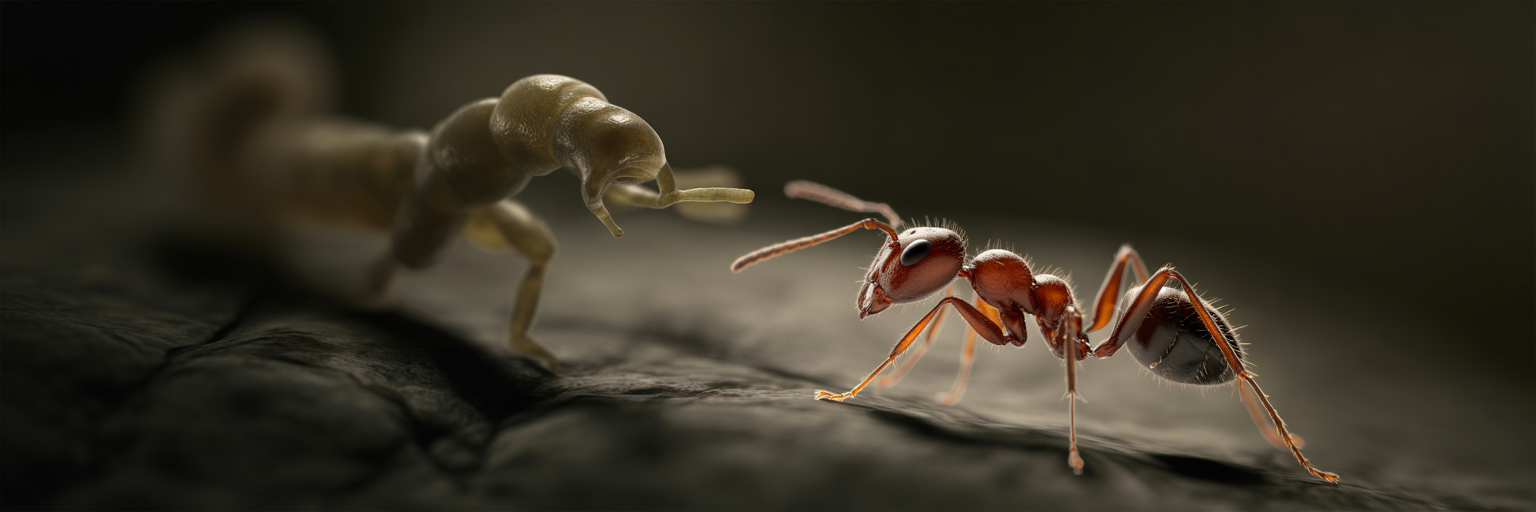
Sunlight streams through a kitchen window, illuminating a universe of floating dust motes. On the sill, a common housefly grooms itself, oblivious. It is a scene of profound, almost boring, peace. But if you could shrink down, past the sugar crystals and breadcrumbs, you would find yourself in the middle of a warzone. This quiet corner of a suburban American home is a battlefield, and the combatants are locked in a conflict millions of years old.
The fly, a six-legged armored vehicle, buzzes with nervous energy, its compound eyes scanning for threats it cannot comprehend. Nearby, clinging to the corpse of another insect, is the enemy. It is a silent, patient sniper, a biological turret camouflaged as simple mold. It does not move. It does not hunt. It waits. Its entire existence has been engineered for a single, explosive purpose: to fire a microscopic projectile with enough force to turn its target into a walking nursery for its young.
This is not science fiction. It is a daily drama playing out on a scale we rarely notice. We see a dead fly on a leaf, covered in a faint white fuzz, and think nothing of it. What we are actually witnessing is the aftermath of a biological artillery strike. We are looking at a victim that has been commandeered, consumed from within, and turned into a launch platform for the next wave of attacks. The air itself is the kill zone. So how does any creature so small survive a biological cannon designed by evolution to kill it?
The Fungal Bioweapons Division
The silent aggressor in this microscopic war has a name that sounds as sinister as its methods: Entomophthora muscae, which translates literally to “the fly destroyer.” This fungus is not a passive opportunist. It is a highly specialized predator, and its primary weapon system is a marvel of biological engineering. To understand its lethality, you have to appreciate the sheer violence of its attack.
The Fly Destroyer: An Introduction
Before we get to the cannon, let’s review some key Entomophthora muscae facts. This organism is an obligate pathogen, meaning it cannot complete its life cycle without an insect host. It has co-evolved with flies for eons, perfecting a method of infection that is both brutally efficient and deeply unsettling. It doesn’t just kill its host. It hijacks it, turning the living insect into a mindless vehicle for its own reproduction. Its entire strategy revolves around getting a single, sticky spore onto an unsuspecting target.
The Physics of a Biological Shotgun
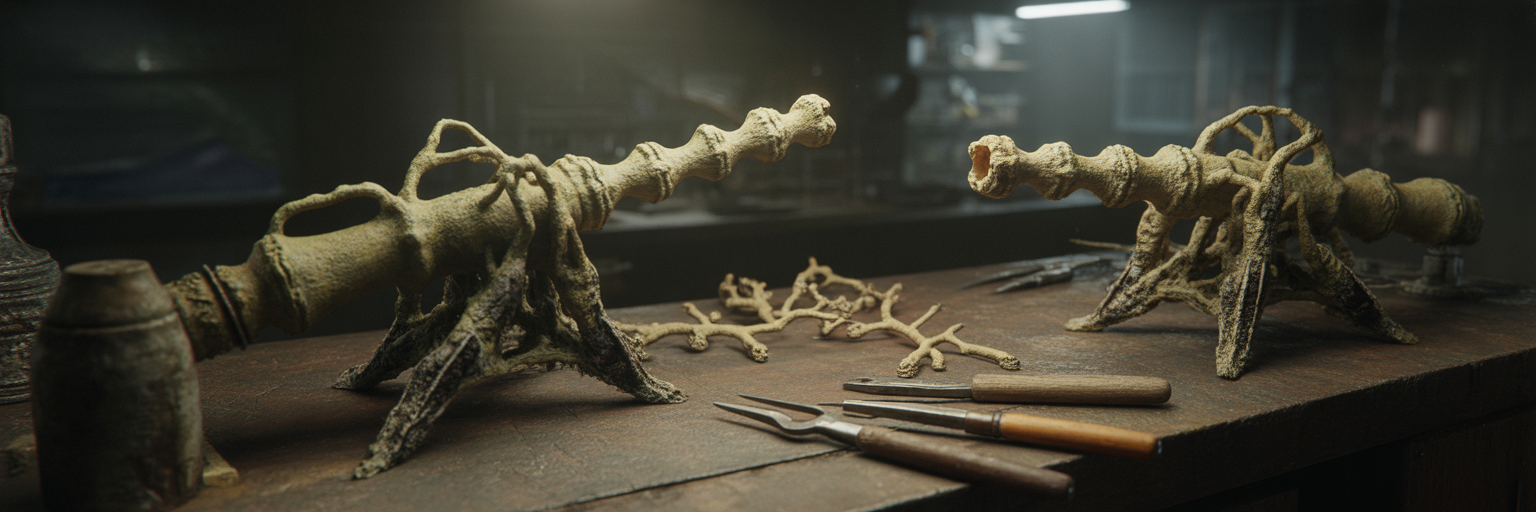
The term “fungus cannon” is not an exaggeration. The mechanism is a beautiful and terrifying example of physics at work. The fungus builds up immense pressure to launch its spore, a process that researchers have studied extensively. A report on Phys.org details how scientists even built a biomimetic “soft cannon” to understand the incredible forces involved. The launch sequence is a masterclass in biological ballistics:
- Pressure Cooker Prep: The fungus begins by accumulating water and solutes inside a specialized cell called a sporangiophore. This creates enormous osmotic pressure, like overinflating a tiny water balloon.
- Aim and Lock: This pressurized cell sits atop a stalk, aimed and ready. The spore, known as a conidium, forms at the very tip, waiting for the signal to fire.
- Explosive Release: When the pressure reaches a critical point, the cell wall ruptures at its weakest point. The resulting explosion launches the sticky spore at astonishing speeds, sometimes exceeding 20 miles per hour, with an acceleration thousands of times greater than gravity.
For an insect, this is like being hit by a microscopic cannonball coated in superglue. If it makes contact, the battle is already half lost.
Nature’s Other Artillery Units
While the fly destroyer is a specialist, it is not alone in its projectile-based strategy. Nature has equipped other fungi with similar weapons. The cannonball fungus, Sphaerobolus stellatus, can shoot its spore masses several feet to reach sunnier spots for its algae partners. This evolutionary convergence shows that when it comes to spreading your genes, building a biological shotgun is a surprisingly effective strategy.
Anatomy of a Zombie Takeover
A successful shot is not the end of the story. It is the beginning of a slow, methodical, and horrifying invasion. The process that follows is less like a battle and more like a scene from a body-snatcher film, where the victim is hollowed out and replaced by something alien.
The Initial Breach
Once the sticky spore adheres to the fly’s exoskeleton, it gets to work. It germinates, growing a tiny tube that secretes a cocktail of enzymes. These enzymes are designed to do one thing: melt through chitin, the tough material that makes up the insect’s armor. The fungus doesn’t smash its way in. It dissolves a path, creating a microscopic entry point through which it can pour its own living cells into the fly’s body cavity.
A Host Consumed from Within
Inside the fly, the fungus begins to multiply. It grows as individual cells, circulating through the insect’s blood, or hemolymph. It methodically consumes the host’s fat bodies and non-essential tissues, drawing nutrients while carefully keeping the vital organs intact. The fly must be kept alive and mobile for as long as possible. During this phase of the zombie fly fungus life cycle, the host may appear perfectly normal, even as it is being eaten alive from the inside out. It is a walking corpse, a shell animated by a hidden puppeteer.
The Final, Macabre Ascent
When the fungus has consumed enough resources, it initiates the final, chilling phase. It infiltrates the fly’s nervous system, releasing chemicals that hijack its brain. The infected fly is compelled by an irresistible urge to climb. It will crawl to the highest point it can find, whether it’s the tip of a blade of grass or the top of a window pane. Once there, it assumes a final, unnatural pose, often with its wings spread, and dies. This “summiting” behavior ensures that when the fungus finally erupts from the dead fly’s body, its new spore cannons will have the maximum possible range. This bizarre manipulation is just one of many of nature’s unsettling creations that defy belief, a testament to evolution’s dark creativity.
The Insect’s Defense Playbook
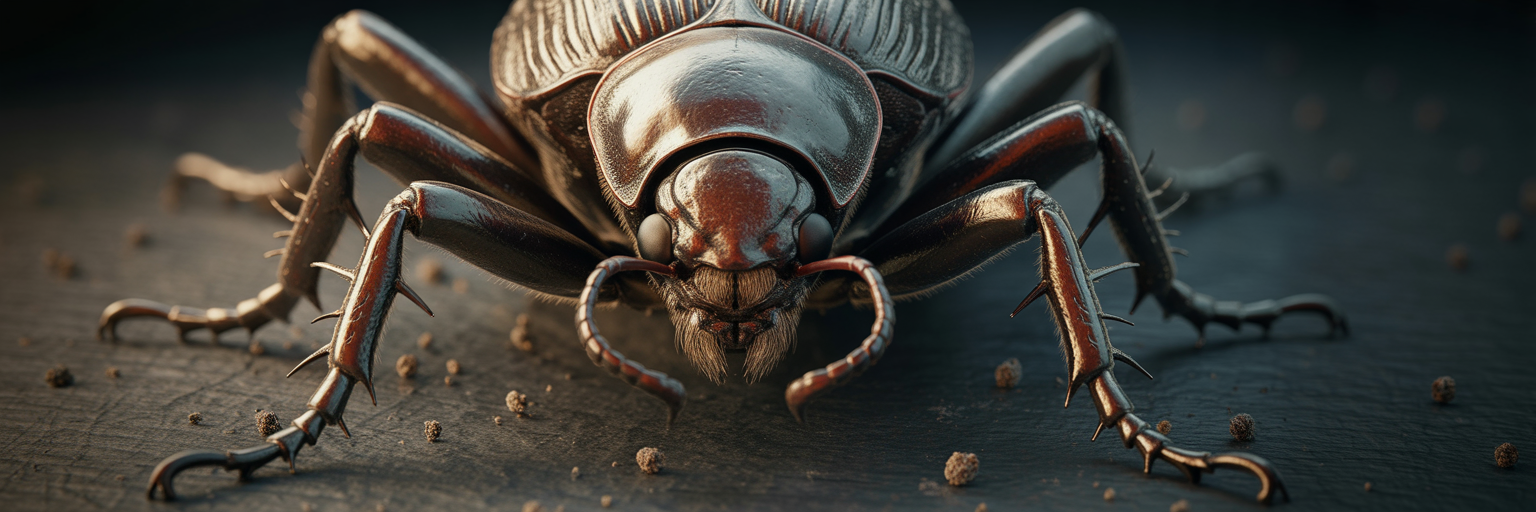
Faced with such a gruesome fate, you might think the insect stands no chance. But flies and other insects are not helpless victims. They are resilient survivors equipped with a multi-layered defense system. The question of how insects fight fungus reveals a sophisticated playbook of physical, behavioral, and internal countermeasures.
The First Line: Chitinous Armor
The insect’s first and most important defense is its exoskeleton. The cuticle is more than just a structural support. It is a suit of armor, coated in a waxy layer that makes it difficult for spores to stick. This physical barrier is remarkably tough, a feature seen across the animal kingdom where some animals that can regrow skin stronger than before showcase a similar evolutionary focus on durable protection. While fungal enzymes can breach it, a healthy, intact cuticle is a formidable first line of defense.
Behavioral Countermeasures: Groom and Avoid
Insects are meticulous groomers for a reason. A fly constantly rubbing its legs together is not just tidying up. It is actively trying to dislodge fungal spores, pollen, and other microscopic threats before they can germinate. This simple act of hygiene is a critical behavioral defense. Furthermore, some insects have evolved to recognize and avoid the corpses of their infected brethren, a morbid but effective form of social distancing that reduces their exposure to the fungal cannons.
Internal Special Forces: The Immune Response
If a spore manages to breach the exoskeleton, the fight moves inside. The insect immune system defense is a dynamic and aggressive internal security force. It lacks the sophisticated antibodies of vertebrates, but it makes up for it with two powerful cellular processes:
- Phagocytosis: Specialized blood cells called hemocytes act as roving sentinels. They actively hunt, engulf, and digest fungal invaders, much like our own white blood cells.
- Melanization: If an infection is too large for hemocytes to handle alone, the immune system initiates a process called melanization. It encapsulates the fungal growth in layers of melanin, forming a hardened, black capsule. This process not only walls off the invader but also bombards it with toxic chemical compounds.
This internal war is a race against time. If the immune system can contain the fungus before it multiplies out of control, the insect survives.
| Defense Layer | Mechanism | Primary Function | Effectiveness |
|---|---|---|---|
| Physical Barrier (Cuticle) | Multi-layered chitin and waxy coating | Prevent spore adhesion and penetration | High, but can be breached by enzymes |
| Behavioral Defense | Grooming, avoidance of infected areas | Remove spores before germination; reduce exposure | Variable; depends on spore load and insect awareness |
| Cellular Immunity (Phagocytosis) | Hemocytes (blood cells) engulf fungal cells | Actively seek and destroy invaders in the hemolymph | Effective against low-level infections |
| Humoral Immunity (Melanization) | Encapsulation and hardening of fungal hyphae | Wall off and kill the fungus with toxic compounds | Crucial for stopping infections that breach the cuticle |
A Never-Ending Evolutionary Arms Race
This conflict is not a simple story of attacker and defender. It is a dynamic and never-ending evolutionary arms race. For every defense an insect evolves, the fungus develops a countermeasure. This back-and-forth has been playing out for millions of years, resulting in a complex and finely balanced relationship.
Fungal Counter-Intelligence
The insect immune system is powerful, but fungi like Entomophthora have not been idle. To overcome the host’s internal defenses, some strains have evolved the ability to produce immunosuppressive molecules. These chemicals can disable or confuse the insect’s hemocytes, effectively turning off the alarm system and allowing the fungus to multiply unchecked. It is a form of biological espionage, a direct counter to the defenses that would otherwise stop it.
The Specialist vs. The Generalist
The fly destroyer is a specialist. Its entire biology is tuned to infect specific species of flies. This specialization makes it incredibly effective against its chosen targets. However, it also creates a vulnerability. If its primary host species evolves a particularly effective new defense, the fungus could be left without a viable host. This is the classic evolutionary trade-off: the specialist thrives in a stable environment but is at risk when things change, while a generalist might be less effective but has more options.
A War of Attrition
In the end, there is no clear winner in this war. Survival often comes down to a combination of factors: the number of spores an insect is hit with, its overall health, the ambient temperature and humidity, and its genetic makeup. It is a war of attrition fought on a massive scale, with billions of casualties every day. The balance of power is constantly shifting, a perfect illustration of the relentless pressure of natural selection.
From Nature’s Cannons to Human Technology
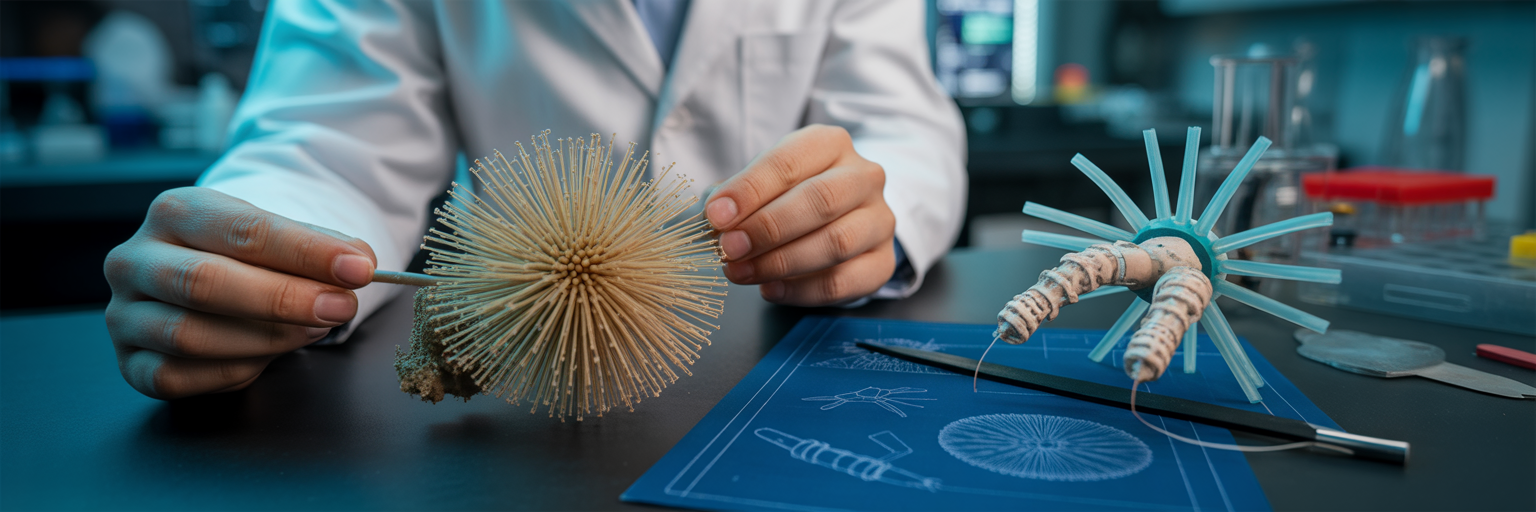
This bizarre and creepy microscopic war is more than just a biological curiosity. It is a source of inspiration for human innovation. The study of nature’s solutions to engineering problems is a field known as biomimetics, and there is a growing interest in biomimetics from fungi and their incredible mechanical systems.
Biomimetics: Learning from a Microscopic War
Scientists in the United States and around the world are fascinated by the sheer efficiency of the fungal cannon. How does it generate so much force from such a simple, soft structure? By studying the physics of osmotic pressure and explosive rupture, researchers hope to replicate these principles in our own technology. The public’s fascination with these organisms is also growing, with the zombie-ant fungus, a close relative, being widely covered by outlets like National Geographic for its equally complex host manipulation.
The Future of Soft Robotics
One of the most promising applications is in soft robotics. Traditional robots rely on rigid gears, motors, and pistons. But the fungal cannon offers a blueprint for creating movement and force without hard parts. Imagine tiny, flexible robots powered by hydraulic pressure, capable of navigating delicate environments like the inside of the human body. The principles that allow a fungus to fire a spore could one day power a new generation of soft, adaptable machines.
Micro-Artillery for Medicine
The concept of a biological cannon could also revolutionize medicine. Scientists are exploring ways to create microscopic delivery systems that could “shoot” medication directly at targeted cells. Imagine loading a tiny, biocompatible projectile with chemotherapy drugs and firing it precisely at a cancer cell, leaving healthy tissue unharmed. This form of micro-artillery could make treatments more effective and dramatically reduce side effects, all inspired by a fungus that preys on flies.
The Invisible Spectacle All Around Us
The journey from a sunlit windowsill to a microscopic battlefield reveals a world hidden in plain sight. We have seen a fungus that shoots spores with the force of a biological shotgun, a zombie apocalypse playing out in the body of a common fly, and a sophisticated defense system that fights back with armor, hygiene, and an internal army. This is not a rare or exotic phenomenon. It is happening right now, in our gardens, our parks, and our homes.
The next time you see a fly, take a moment to consider the invisible war it might be fighting. It is not just a pest. It is a potential survivor, a veteran of a conflict governed by the brutal and creative logic of evolution. This constant battle between predator and prey, on a scale too small for us to see, is one of nature’s greatest and most unsettling spectacles. It is a reminder that even in the most mundane corners of our world, there are stories of survival, horror, and incredible ingenuity waiting to be discovered. To continue exploring the strange side of the natural world, visit the Nature is Crazy homepage.