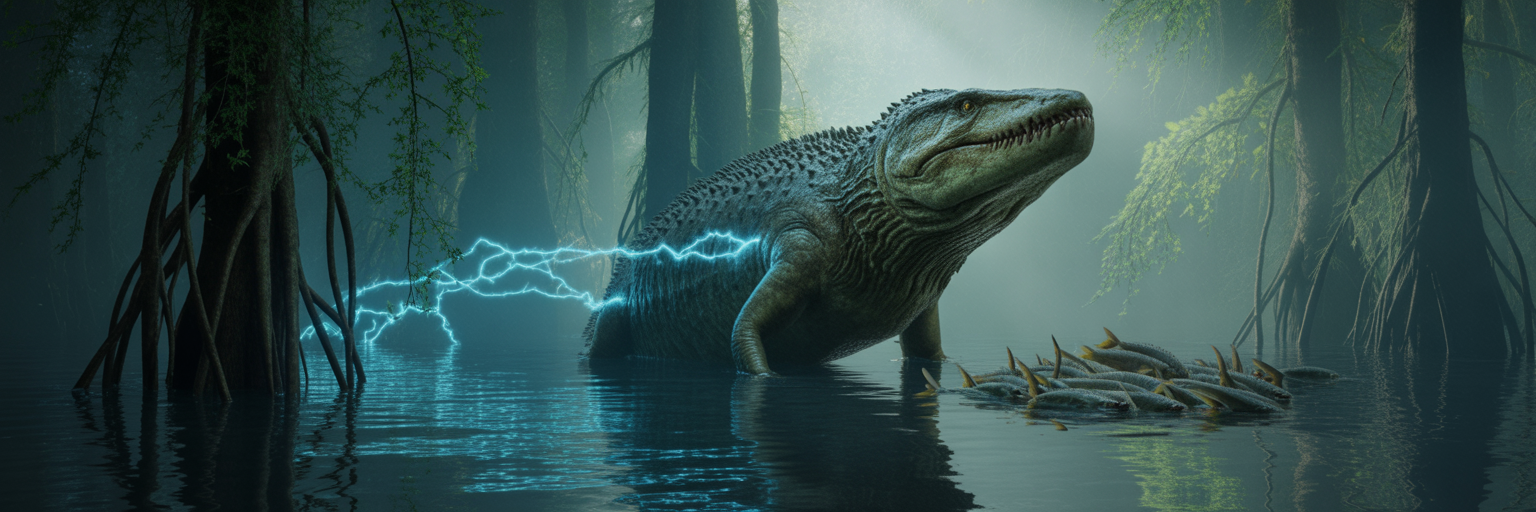
The Shocking Hunter of a Lost World
Most of us have heard of the electric eel, a creature that can unleash a jolt powerful enough to stun a horse. It feels like a modern marvel, a quirk of nature confined to remote Amazonian waters. But what if this biological superpower wasn’t a recent invention? What if, millions of years ago, an even more formidable predator wielded this same living electricity, not as a defensive last resort, but as its primary weapon of domination?
Picture a world long since vanished. Imagine vast, murky freshwater swamps where sunlight struggles to pierce the canopy of giant ferns and the water is the color of tea. In this low visibility environment, sight is a luxury, not a reliable sense. Sounds are muffled, and scents disperse unpredictably. For a predator, finding a meal here is a challenge of navigating a sensory fog. For prey, it is a world of constant, unseen threats. It is in these exact conditions that an evolutionary advantage like an electrical sense would not just be helpful, it would be revolutionary. This is the world where one of the most fascinating prehistoric electric predators likely reigned.
The central puzzle for paleontologists is a frustrating one. The very source of this creature’s power, its electric organs, were made of soft tissue. Like muscle and nerves, they decompose quickly, leaving no direct trace in the fossil record. We have skeletons, but the biological engine that powered them is gone. It’s like finding a car frame without an engine; you know it was built for power, but the proof is missing. So, how can we possibly know how ancient animals used electricity if the evidence seems to have vanished with time?
This is where the scientific detective work begins. The story of this predator is not written in the organs themselves, but in the subtle clues they left behind, etched into the very bones of the animal. It’s a case built on indirect evidence, comparative anatomy, and a deep understanding of the laws of biology. We will explore the anatomical blueprints that suggest a body built for power, examine the living descendants that provide a modern-day instruction manual, and reconstruct the ecological dominance this shocking hunter achieved in its lost world.
Anatomy of a Biological Weapon
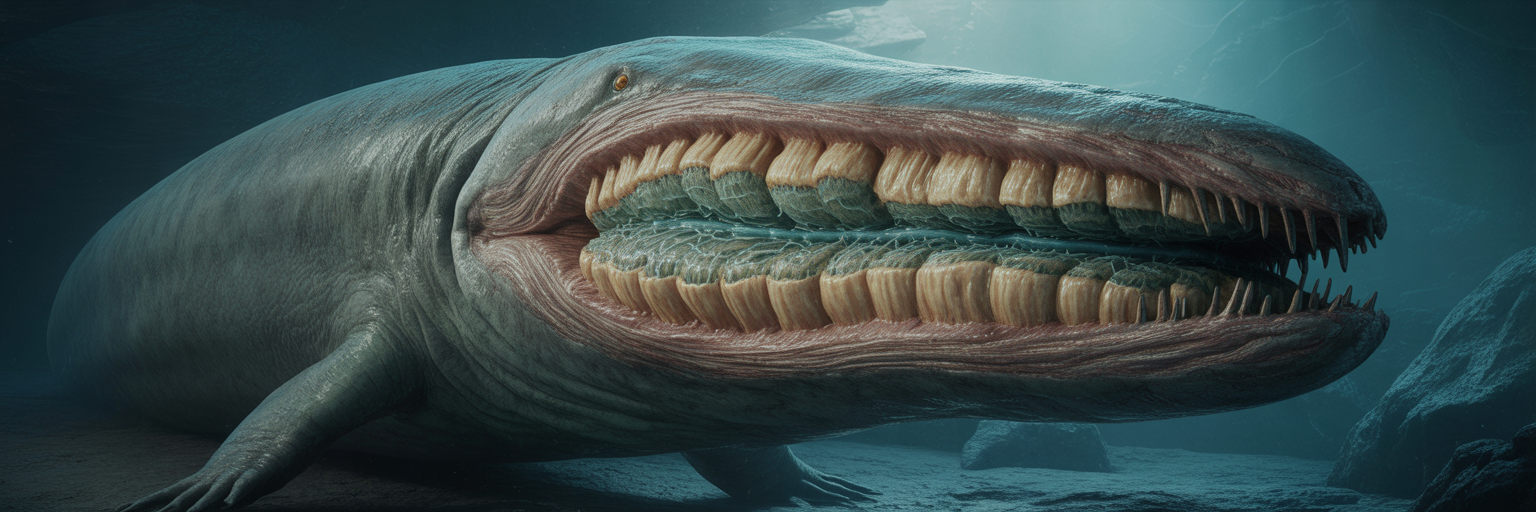
To understand this predator’s power, we first have to ignore the fossils and focus on the biology. The ability to generate a powerful electric shock is not magic; it is an extreme adaptation of a process that happens in our own bodies every second. It begins with a transformation at the cellular level, turning a common biological component into a devastating weapon.
From Muscle to Living Battery
The engine of this biological weapon is a specialized cell called an electrocyte. These cells evolved from ordinary muscle cells, which naturally generate a tiny electrical charge when they contract. Over millions of years, evolution modified these cells to lose their ability to contract and instead amplify their electrical potential. Think of a single electrocyte as a tiny, organic battery, with a negatively charged inside and a positively charged outside.
One cell alone is useless. The secret is in the arrangement. The predator’s body would have contained millions of these electrocytes stacked in long columns, like thousands of batteries lined up in series. When triggered, they would discharge all at once, and the small voltage of each cell would combine into a single, massive jolt. To achieve this, these electric organs would have been enormous, likely making up a significant portion of the predator’s body mass. It was less an animal with a weapon and more a swimming power plant. This transformation from simple muscle to a high-voltage weapon is a testament to evolutionary creativity, rivaling some of nature’s unsettling creations that defy belief.
A Dual-Purpose Electrical System
This electrical system was not just a blunt instrument. It was a sophisticated, dual-use tool that served two distinct purposes:
- High-Voltage Discharge: This was the weapon. A powerful pulse, potentially exceeding 600 volts, would be released to instantly stun or kill prey. It was also an incredibly effective defense, making the predator untouchable to most other creatures in its environment.
- Low-Voltage Field: The predator would also emit a continuous, low-voltage electric field around its body. Any object or creature that entered this field would distort it. By sensing these distortions with specialized receptors in its skin, the animal could “see” its surroundings in complete darkness, detecting the size, shape, and movement of hidden prey. This is the art of electrolocation.
In modern electric eels, these functions are handled by distinct structures. According to the Natural History Museum, organs like the main organ, Hunter’s organ, and Sachs’s organ can make up about 80% of the eel’s body, each specialized for a different electrical task.
The Neural Command Center
Having millions of tiny batteries is one thing; getting them to fire at the exact same microsecond is another. A shock that is even slightly uncoordinated would be weak and ineffective. This requires an incredibly complex neural command center. A massive nerve bundle would have run from the brain to the electric organs, branching out to connect with every single electrocyte.
When the predator decided to strike, a single command from the brain would travel down this neural highway, triggering all cells to discharge in perfect synchrony. The precision required is staggering. It’s a biological feat of engineering, ensuring that the full force of the animal’s electrical potential is focused into a single, paralyzing blast. This intricate wiring was the key to turning a biological curiosity into one of prehistory’s most effective hunting tools.
Unearthing Electrical Clues from Stone
With a clear picture of the biological hardware required, we can now return to the rocks and bones. How do we find evidence of a soft-tissue organ that has been gone for millions of years? The answer lies in the fact that such a dominant biological system leaves an indelible mark on the skeleton that supports it. The bones tell a story if you know how to read them.
The ‘Smoking Gun’ in the Skeleton
The most compelling fossil evidence for electric organs comes not from what is present, but from what is hollow. The massive nerves needed to control the electric organs required large channels through which to pass. When paleontologists examined the fossilized vertebrae and skulls of these suspected predators, they found unusually large openings, or foramina. These are far bigger than what would be needed for a typical nervous system.
These enlarged channels are the “smoking gun.” They are the skeletal signature of an enormous neural network, the kind necessary to command a powerful electric organ. It’s like finding extra-large conduits in the walls of an old building; you know they were installed to handle a much higher power load than normal. This method of inferring function from form is how we understand many of nature’s strangest abilities, including how some animals can survive being swallowed and escape alive.
A Body Built for Power
The overall body plan of the predator provides another layer of evidence. These creatures typically had an elongated, cylindrical, or flattened shape. This morphology is not just an accident; it is the ideal blueprint for housing long, uninterrupted columns of electrocytes. A short, stout body would simply not have the space to accommodate an organ powerful enough to be a primary weapon. The body itself was optimized for power generation, mirroring the body plans of modern electric fish like eels and knifefish.
When we assemble the indirect evidence, a convincing case emerges:
- Enlarged nerve channels in fossilized bone, pointing to a complex electrical control system.
- A body shape optimized for housing large, longitudinally arranged electric organs.
- Skeletal structures and proportions that closely mirror those of modern electric animals.
- A fossilized food web suggesting the need for a specialized weapon to overcome prey defenses.
Ecological Context from the Fossil Record
Finally, the fossils of other animals found alongside the predator add crucial context. The prey species in these ancient ecosystems were often heavily armored fish with thick scales or fast-swimming creatures that would be difficult to catch with brute force alone. A conventional predator relying on teeth and claws would have struggled.
The presence of an electric hunter resolves this ecological puzzle. An electric shock bypasses armor completely, paralyzing the muscles beneath. It is instantaneous, negating any speed advantage. The predator didn’t need to be faster or stronger than its prey in a conventional sense. It just needed to get close enough to flip the switch. This ecological evidence strongly suggests that a unique hunting tool was not just an advantage, but a necessity for dominating this specific food web.
Modern Echoes of an Ancient Power
The fossil record provides a compelling but incomplete blueprint. To truly understand the behavior and strategy of this ancient hunter, we must look to its living relatives. Modern electric fish, particularly the electric eel, are not just curiosities; they are living laboratories that offer a window into the past, demonstrating the sophisticated techniques our predator likely employed.
The Electric Eel: A Living Blueprint
The electric eel is the closest living analog we have to these prehistoric electric predators. By comparing its known abilities with the inferred traits of the extinct animal, we can build a much richer picture of how this ancient weapon was used. The parallels in body plan, electrical output, and ecological niche are too strong to be a coincidence. They represent a stunning example of convergent evolution, where nature arrived at the same deadly solution millions of years apart.
| Feature | Inferred for Extinct Predator | Observed in Electric Eel (Electrophorus voltai) | Primary Function |
|---|---|---|---|
| Maximum Voltage | Hypothesized >600V, potentially higher based on size | Up to 860V (documented) | Prey incapacitation and defense |
| Electrical System | Likely dual-system (high/low voltage) | Confirmed dual-system (high-voltage stun, low-voltage navigation) | Hunting and environmental sensing |
| Hunting Strategy | Ambush and rapid incapacitation of large/armored prey | Active hunting, remote prey detection, and muscle control | Efficient energy capture |
| Body Plan | Elongated, serpentine body to house extensive organs | Elongated, cylindrical body; organs comprise ~80% of mass | Maximizing electrocyte volume |
| Ecological Niche | Apex predator in murky freshwater habitats | Apex predator in Amazonian rivers and swamps | Dominance in low-visibility environments |
Advanced Hunting Techniques
Studying modern eels reveals that their electrical abilities are far more nuanced than a simple stun-and-eat strategy. For instance, eels can emit short, high-voltage doublets that cause hidden prey to twitch involuntarily, revealing their location. Once located, the eel can unleash a full, high-frequency volley to paralyze it. This suggests the ancient predator may have had a similar toolkit for flushing out its meals.
Even more remarkably, eels can use their electric field to remotely control their prey’s muscles. As research published in Science has detailed, an eel can direct a stunned fish’s body toward its mouth without ever touching it. It’s a form of biological remote control. It is highly probable that our ancient predator, a creature that had millions of years to perfect this weapon, possessed a similar level of sophistication, actively manipulating its prey from a distance.
The High Cost of High Voltage
This incredible power comes at a steep price. Generating hundreds of volts of electricity is one of the most energy-intensive activities in the animal kingdom. Each high-voltage discharge is a massive drain on the predator’s metabolism. This has profound implications for its lifestyle. It could not afford to miss.
This high energy cost implies that the predator had a voracious appetite and needed to hunt frequently and efficiently to sustain itself. It was likely an ambush hunter, lying in wait and using its electrolocation to detect approaching prey before unleashing a single, decisive strike. This lifestyle, dictated by the immense cost of its weapon, shaped its behavior, its physiology, and its dominant role in the ecosystem.
The Ecological Ripple Effect of a High-Voltage Predator
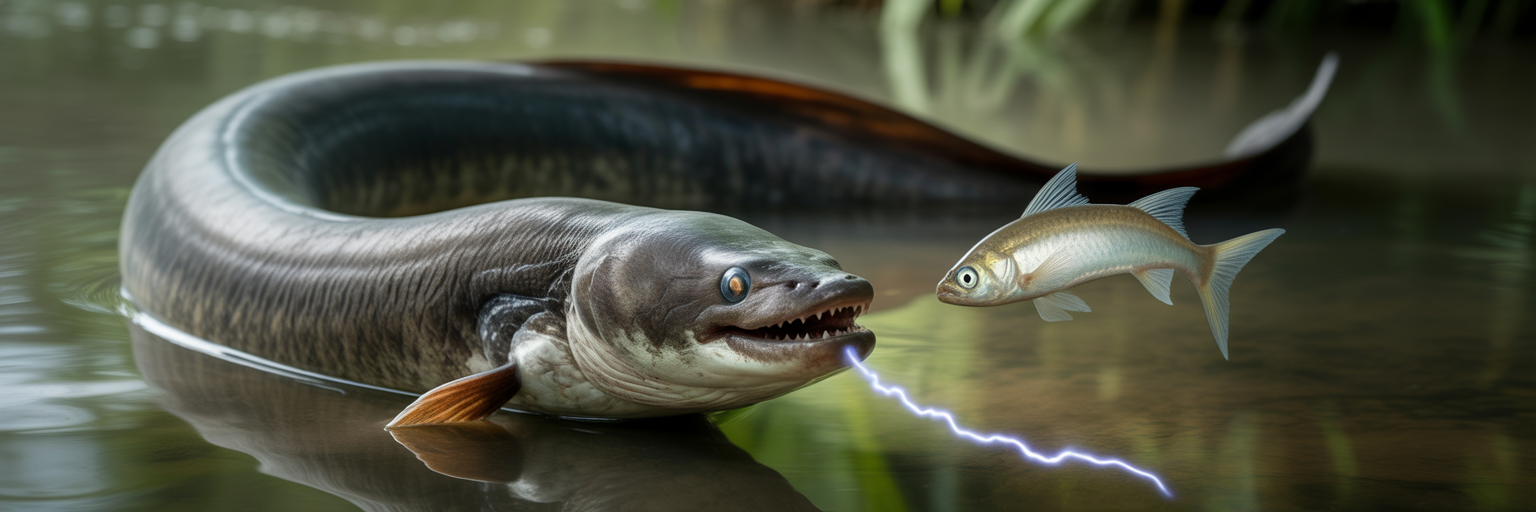
The existence of a predator with such a unique weapon does not just affect the hunter and the hunted. It sends ripples throughout the entire ecosystem, shaping the evolution of other species and defining the rules of survival. The story of extinct predator bioelectricity is as much about its environment as it is about the creature itself.
An Apex Predator Beyond the Arms Race
In most ecosystems, there is an evolutionary arms race between predators and prey. Prey develops thicker armor, so predators evolve stronger jaws. Prey gets faster, so predators become more agile. But an electric shock changes the game entirely. It renders many conventional defenses almost useless.
Thick scales and bony armor offer no protection from an electric field that passes right through them to paralyze the muscles underneath. Camouflage is ineffective against a predator that senses the electrical distortions of a living body. Speed is irrelevant when paralysis is instantaneous. This predator did not need to participate in the same arms race. It occupied a niche of its own, becoming an apex predator that operated on a different set of rules, able to take down prey that was otherwise untouchable.
Shaping Prey Evolution
A hunter this dominant would have exerted immense evolutionary pressure on the species it preyed upon. While armor was useless, other defenses may have evolved in response. Some fish may have developed a heightened sensitivity to electric fields, allowing them to detect the predator’s low-voltage sensory field and flee before it could strike. Others might have evolved behavioral adaptations, learning to avoid the specific habitats where the predator hunted or freezing completely to minimize their own electrical signature.
It is even possible that some prey species developed a degree of electrical insulation in their skin, though this would come with its own physiological trade-offs. The predator’s influence is a dramatic example of how a single species can drive change, much like how some modern plants can control the growth of nearby roots to dominate their territory. Its presence would have been a powerful force of natural selection.
Defining an Entire Ecosystem
By controlling the populations of otherwise well-defended prey, this predator could have functioned as a keystone species. Its hunting habits would have had cascading effects down the food web. For example, by keeping populations of large, armored herbivorous fish in check, it could have prevented the overgrazing of aquatic plants, which in turn would have affected the populations of smaller fish and invertebrates that relied on that vegetation for shelter.
The weapon itself also defined the predator’s domain. Bioelectricity is far more effective in freshwater, which is a much better conductor than saltwater. This physical constraint explains why these creatures reigned supreme in murky rivers and swamps but are absent from the marine fossil record. Their entire world was defined by the physics of their weapon, making them the undisputed masters of their freshwater kingdom.
The Evolutionary Spark Behind Bioelectricity
The story of this ancient predator is more than just a fascinating glimpse into a lost world. It is a profound lesson in the power and creativity of evolution. The ability to generate electricity is not a one-off fluke; it is a solution that nature has discovered time and time again, a testament to its effectiveness as a tool for survival.
Bioelectricity is a classic example of convergent evolution. It has appeared independently in at least six different lineages of fish across the globe, from South America to Africa. In each case, the evolutionary pathway was likely similar: it began with the weak electric fields naturally generated by muscle and nerve activity. Over time, mutations that enhanced this ability provided a sensory advantage in dark or murky waters. This set the stage for the evolution of bioelectric hunting.
Through processes like gene duplication, the genes responsible for muscle development were repurposed and refined. Cells that once contracted were transformed into electrocytes designed for generating voltage. What started as a simple sensory tool was gradually amplified into a powerful weapon. This journey from a faint electrical hum to a lethal, high-voltage discharge is a masterclass in natural selection, where a small advantage is built upon over countless generations.
So why isn’t the world filled with electric animals? The answer lies in the immense physiological trade-offs. The energy required to maintain and operate electric organs is enormous, demanding a high metabolism and a constant supply of food. It is a high-cost, high-reward strategy that only works in specific environments where its benefits outweigh its staggering energy demands.
The extinct electric predator stands as a powerful monument to this evolutionary balancing act. It represents a moment in time when a unique set of environmental conditions and evolutionary pressures aligned perfectly, allowing a creature to harness a fundamental force of biology and turn it into a tool of absolute dominance. The story of this predator is a powerful reminder of life’s adaptability, a theme seen across the natural world, from creatures that breathe metal instead of air to this ancient electrical hunter. It is a glimpse into the deep, creative, and often terrifying potential of evolution.