The Ultimate Survival Strategy
The Earth’s tilt gives us seasons, a predictable cycle of feast and famine that has shaped life for millennia. For many animals, survival isn’t just about finding shelter or growing a thicker coat. It’s about initiating a radical internal renovation project. This process, known as seasonal organ plasticity, is a sophisticated, pre-programmed strategy, not a desperate reaction to sickness or starvation. It is driven by the relentless pressures of the environment, from the deep cold of winter and its scarce food supply to the immense energy required for migration.
Think of it as an organism’s own scheduled maintenance, where it strategically downsizes or rebuilds internal parts to meet upcoming challenges. This remarkable adaptation appears across the animal kingdom, from the smallest shrews to massive bears. It’s a testament to how deeply nature’s rhythms are written into the very biology of its creatures, a proactive blueprint for survival.
Avian Architects of Migration
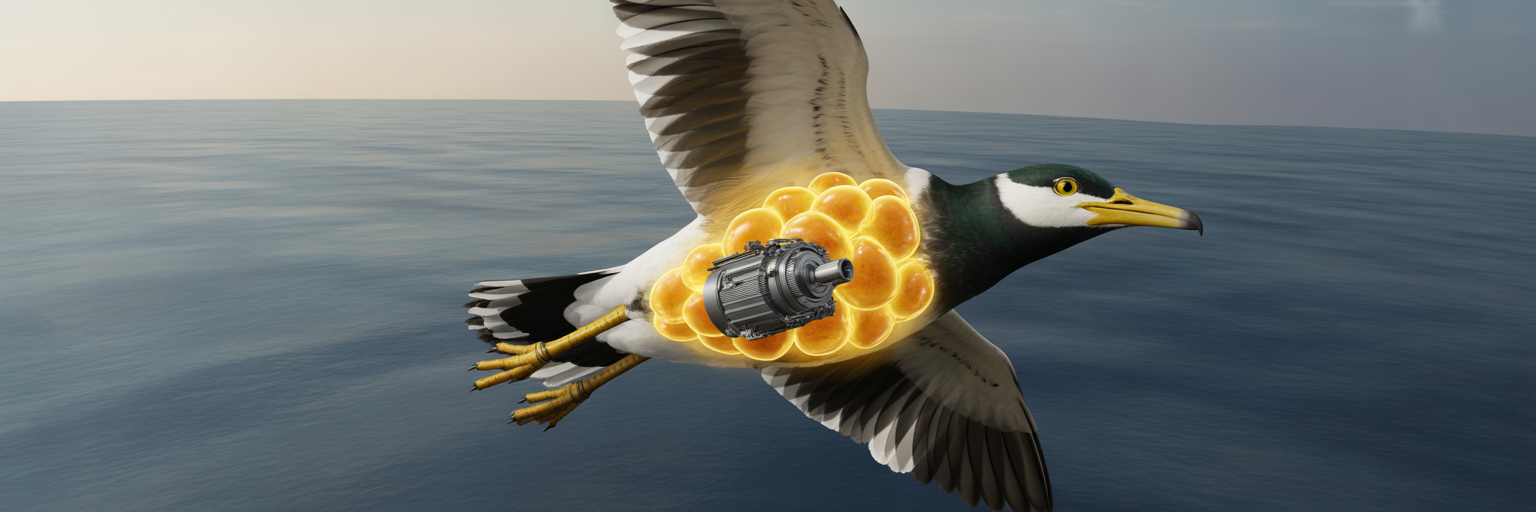
Nowhere is this internal remodeling more dramatic than in migratory birds. We often marvel at their long journeys, but the real story of how birds migrate so efficiently is written in their anatomy. Take the bar-tailed godwit, which flies nonstop from Alaska to New Zealand. To prepare, it engages in a physiological trade-off that prioritizes fuel over function. The bird nearly doubles its body weight, packing on fat until it becomes a flying fuel tank.
But adding weight is only half the strategy. To make the journey possible, the bird must shed every ounce of non-essential mass. It systematically shrinks its digestive organs, including the gizzard, intestines, and liver. A smaller digestive system requires less energy to maintain during a long flight where the bird isn’t eating anyway. This reduction in internal “cargo” is a brilliant solution for maximizing flight efficiency. According to a report from Audubon, birds employ several incredible strategies to change their bodies for migration. Upon reaching their destination, the process reverses. The birds rapidly regrow their digestive systems to refuel and recover from their epic journey, ready for the next phase of their life cycle.
The Shrinking Mammals of Winter
While birds shrink their organs for travel, some mammals take this concept to a whole new level to simply stay put. The Eurasian common shrew faces a brutal winter reality: its primary food source, insects, disappears. Its solution is one of the most extreme animal adaptations for winter, a phenomenon known as Dehnel’s phenomenon. Instead of just hunkering down, the shrew actively shrinks.
This isn’t just a matter of losing fat. Dehnel’s phenomenon shrews reduce their overall body mass by up to 20%, and the change is systemic. Their spine shortens, major organs like the heart and liver get smaller, and most astonishingly, their brain shrinks by as much as 30%. A smaller body and a less complex brain require far fewer calories to operate, allowing the shrew to survive on the few insects it can find in the dead of winter. When spring arrives, the shrew performs another miracle. It rapidly regrows its bones, organs, and brain tissue, returning to its full size. This strategy is so extreme it’s similar to other incredible survival tactics, like the wood frog’s ability to survive being frozen solid, which you can read about in our article on the frog that freezes solid and thaws back to life.
The Cellular Deep Freeze of Hibernators
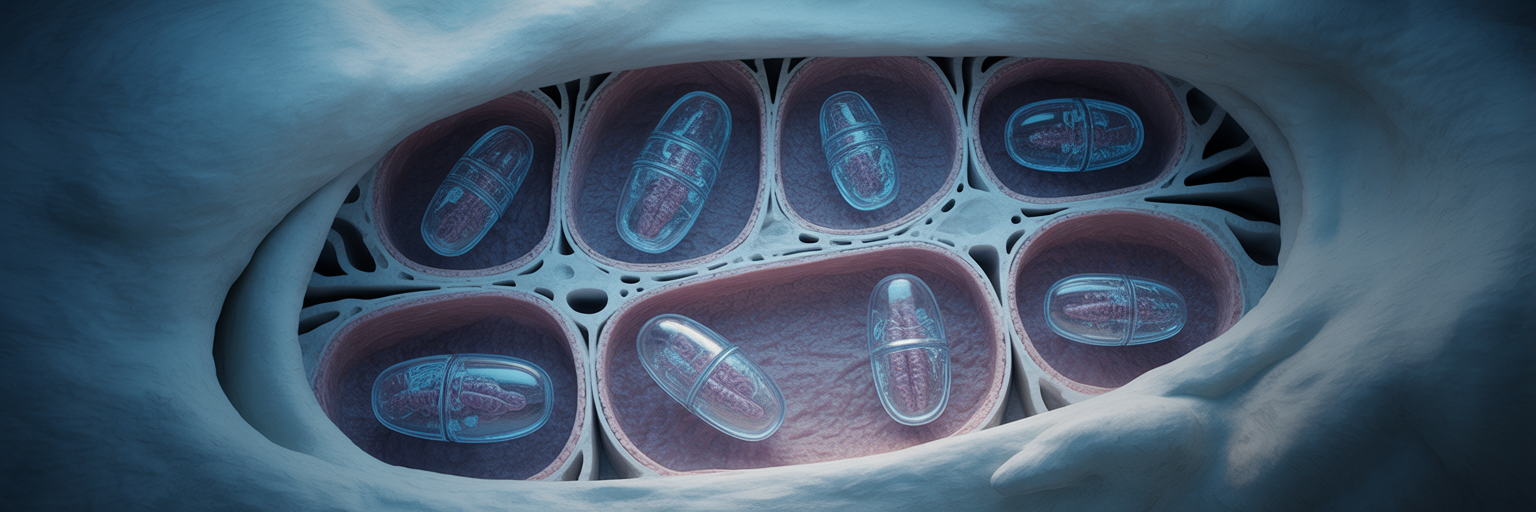
Other mammals, like American black bears and ground squirrels, face the same winter challenge but employ a different strategy. Instead of reducing their size, they enter a state of profound preservation. This is where we see the nuances of hibernation physiological changes. Their approach is not to shrink but to power down, entering a state of suspended animation where their metabolism nearly stops.
During hibernation, a ground squirrel’s heart rate can drop from 300 beats per minute to just five. Its body temperature can fall to near freezing. To protect their full-sized organs from damage during this deep freeze, these animals undergo remarkable changes at the cellular level. Their mitochondria, the powerhouses of the cell, alter their function to prevent the buildup of damaging molecules. Specific genes are activated to prevent muscles from atrophying despite months of inactivity. This is a strategy of cellular maintenance, not reduction. This level of cellular control is a marvel, much like the biological mechanisms that allow some creatures to defy aging, a topic explored in our feature on how one tiny jellyfish learned to reverse its own aging.
| Factor | Shrew (Dehnel’s Phenomenon) | Bear (Hibernation) |
|---|---|---|
| Primary Goal | Reduce energy needs by becoming smaller | Reduce energy needs by entering stasis |
| Organ State | Organs and skeleton actively shrink | Organs are preserved at full size |
| Brain Changes | Brain shrinks by up to 30% | Brain function is suppressed, but size is maintained |
| Energy Savings | Lower metabolic cost of a smaller body | Drastic metabolic suppression |
| Spring Reversal | Rapid regrowth of bone, brain, and organs | Reactivation of metabolic and physiological systems |
This table contrasts two distinct mammalian strategies for winter survival, highlighting the difference between reducing body size versus entering a state of suspended animation.
The Biological Blueprint for Remodeling
These incredible transformations are not left to chance. The control system behind seasonal organ plasticity is a finely tuned biological clock that allows animals to anticipate the changing seasons. This process is governed by what scientists call circannual rhythms. Research published in NCBI details how these circannual transitions in gene expression are fundamental to seasonal adaptations in animals. The entire sequence is an elegant cascade of biological signals.
- Environmental Cue: It all begins with light. The animal’s brain detects the subtle shortening or lengthening of days, a reliable indicator of the coming season.
- Hormonal Trigger: This light cue is translated into hormonal messages. Melatonin, the “darkness hormone,” signals the onset of winter, while thyroid hormones help regulate the metabolic shifts needed for tissue breakdown or growth.
- Genetic Activation: These hormones travel through the body and act as keys, activating or deactivating specific genes. An animal’s DNA contains a built-in calendar that dictates precisely when to initiate these changes, ensuring the remodeling happens at the right time, every year.
This internal control stands in stark contrast to cases where an external force takes over an animal’s biology, such as the parasite that turns snails into zombies. Here, the animal is its own architect, following a genetic blueprint for survival.
The High Price of Plasticity
While the ability to remodel one’s own body is a powerful survival tool, it is not without significant costs. This is an evolutionary bargain, a high-stakes trade-off made to survive the immediate threat of a harsh season. The physiological price of this plasticity can be steep.
- Cumulative Wear and Tear: Repeatedly breaking down and rebuilding tissues is a stressful process. Over time, it can lead to the accumulation of cellular errors and DNA damage, much like repeatedly renovating a house can weaken its foundation.
- Immune System Suppression: These extreme physiological shifts often require a temporary suppression of the immune system. This leaves animals vulnerable to diseases and infections immediately after migration or as they emerge from hibernation.
- Reduced Lifespan: The immense energetic and cellular cost of this annual cycle may ultimately contribute to a shorter overall lifespan. The animal is essentially sacrificing long-term health for short-term survival.
In the end, these animals make a non-negotiable choice: they endure the strain of remodeling to live another year. This fascinating world of animal adaptations is full of such incredible stories, which you can explore further on our blog.