Life on Earth is fundamentally a story of water. Most living organisms are composed of 60 to 70 percent water, a liquid medium that facilitates every biochemical reaction necessary for survival. This dependence makes the transition from liquid to solid a primary threat. When temperatures drop below freezing, this life-giving water becomes a destructive force, turning into ice. For the vast majority of animals, including humans, being frozen solid is an irreversible death sentence. Yet, in the coldest corners of our planet, a select group of creatures has evolved a seemingly impossible ability. They can freeze, pause, and return to life, offering a profound glimpse into the resilience of biology.
The Lethal Touch of Ice on Living Tissue
To understand how some animals survive freezing, we first have to appreciate why it is so universally fatal. The danger is not the cold itself, but the physical transformation of water into ice. This process unleashes a multi-pronged attack on the delicate architecture of living cells and tissues, leading to catastrophic and irreversible failure. The destructive power of ice operates on three main fronts.
First is the problem of mechanical damage from ice crystals. We learn in basic science that water expands by about 9% when it freezes. Inside a living body, this expansion puts immense physical pressure on cells and organs. Worse, the ice crystals that form are not smooth, rounded particles. They are sharp, angular structures with jagged edges that act like microscopic daggers. As these crystals grow, they physically puncture, shred, and rupture cell membranes. This leads to the uncontrolled leakage of cytoplasm and the complete structural collapse of the cell. It is a brutal, physical destruction from within.
Second, there is the insidious effect of cellular dehydration and osmotic shock. Ice rarely forms everywhere at once. It typically begins in the extracellular space, the fluid-filled areas outside the cells. As this external water freezes, the remaining liquid becomes increasingly concentrated with salts and other solutes. This creates a powerful osmotic gradient, pulling water out of the cells in a desperate attempt to balance the concentration. This severe dehydration causes the cell to shrivel, and the concentration of solutes inside the cell skyrockets. This hyper-concentrated internal environment is toxic, causing essential proteins and enzymes to denature, or unfold, rendering them useless and halting all metabolic functions.
Finally, freezing causes a total disruption of metabolic and circulatory systems. As ice forms in blood vessels, it creates blockages that halt the flow of blood. This stops the transport of oxygen and vital nutrients to tissues, a condition known as ischemia. Without oxygen, cells cannot produce energy and quickly begin to die from anoxia. This combination of physical shredding, chemical poisoning from dehydration, and systemic suffocation is why freezing is so lethal. It is a complete and total system failure from which most animals that survive freezing have found a way to protect themselves, while the rest of us have not.
Two Paths to Winter Survival: Tolerance Versus Avoidance
Faced with the lethal threat of ice, evolution has forged two distinct strategies for surviving sub-zero temperatures. An animal can either prevent ice from forming in its body altogether, or it can accept the inevitable and find a way to control the freezing process. These two approaches, freeze avoidance and freeze tolerance, represent fundamentally different solutions to the same environmental problem. Understanding this distinction provides a framework for appreciating the incredible adaptations we see in nature.
The Freeze Avoidance Strategy: Supercooling
Freeze avoidance is a delicate balancing act. The goal is to keep the body’s fluids in a liquid state even when the ambient temperature is below their freezing point, a phenomenon known as supercooling. This is like carefully carrying a cup of water filled to the very brim; it is stable, but inherently risky. Many insects and polar fish are masters of this strategy. They achieve it by producing special molecules called antifreeze proteins (AFPs). These proteins do not act like car antifreeze by lowering the freezing point. Instead, they patrol the body fluids and bind to any microscopic ice crystals that might begin to form, preventing them from growing into a threat. The answer to what is freeze avoidance is essentially a high-stakes game of prevention. The major risk is that supercooling is an unstable state. If a single ice crystal manages to form or is introduced from the outside, it can trigger a catastrophic, instantaneous flash freeze that is always fatal.
The Freeze Tolerance Strategy: Managing the Ice
Freeze tolerance is the more radical and arguably more astonishing strategy. Instead of fighting the ice, these animals allow it to form within their bodies. This is not uncontrolled freezing, which would be lethal. It is a highly managed process. The key is to control precisely where the ice forms. Through a suite of sophisticated biochemical adaptations, these animals ensure that ice crystals grow only in the extracellular spaces, such as the body cavity and between cells. The cells themselves are protected from freezing, preserving the essential machinery of life. This strategy requires an animal to endure a state of suspended animation, with no heartbeat, no breathing, and no brain activity, sometimes for months at a time.
The choice between these two paths involves significant trade-offs, each with its own set of risks and rewards. One path is about preventing a catastrophe, the other is about surviving it.
| Factor | Freeze Avoidance | Freeze Tolerance |
|---|---|---|
| Core Principle | Prevent ice from forming in the body. | Control where and how ice forms in the body. |
| Primary Mechanism | Supercooling of body fluids, aided by antifreeze proteins (AFPs) that inhibit ice crystal nucleation. | Production of cryoprotectants (e.g., glucose, glycerol) to protect cells and ice-nucleating agents to control freezing extracellularly. |
| State of Water | Body fluids remain liquid below 0°C. | Up to 70% of total body water becomes solid ice. |
| Primary Risk | Accidental inoculative freezing is instantly fatal. | Metabolic stress and potential tissue damage if control mechanisms fail. |
| Example Organisms | Many insects, polar fish, Arctic ground squirrels. | Wood frogs, some turtles, certain insects and nematodes. |
The Wood Frog’s Crystalline Transformation
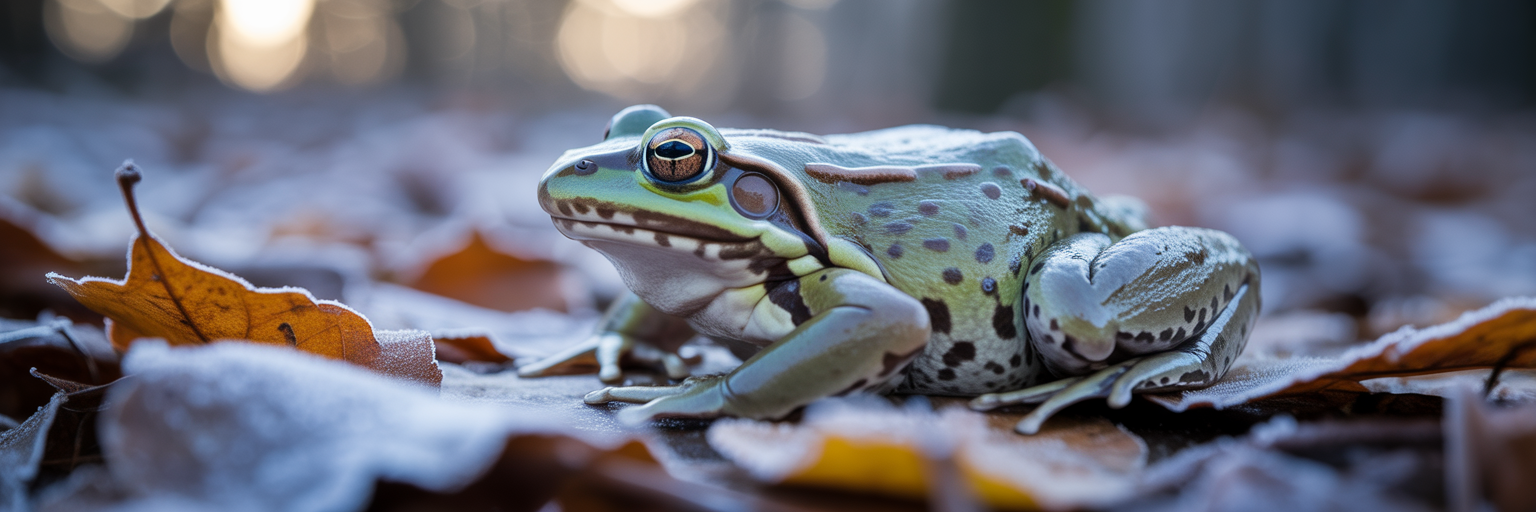
Perhaps the most iconic example of freeze tolerance in animals is the North American wood frog, *Rana sylvatica*. Each autumn, as temperatures in the forest drop, this small amphibian does not burrow deep into the mud of a pond to escape the cold. Instead, it nestles into the leaf litter on the forest floor and prepares to freeze solid. The process is a masterclass in controlled biological suspension.
The transformation begins with a trigger. The moment an ice crystal touches the frog’s skin, a cascade of physiological responses is initiated. The frog’s body recognizes this as the signal to begin its preparations. The most critical response is a massive flood of glucose into the bloodstream. The frog’s liver contains a huge store of glycogen, which it rapidly converts into glucose. Within hours, the frog’s blood glucose levels can skyrocket by a factor of 100 or more, reaching concentrations that would be severely diabetic and lethal to a human. This is the core of how do wood frogs freeze and survive. The glucose-rich blood circulates throughout the body, saturating every cell. This sugary syrup acts as a natural cryoprotectant, preventing the water inside the cells from turning into destructive ice crystals.
With its cells protected, the frog allows the rest of its body to freeze. Ice crystals begin to form in the abdominal cavity, between muscle fibers, and even within the lens of its eye. Water is drawn out of the cells and organs, and up to 70% of the frog’s total body water becomes solid ice. Its heart stops beating. Its breathing ceases. There is no blood flow and no discernible brain activity. To any observer, the frog is a solid, frozen block of ice and tissue. By all clinical definitions, it is dead.
It remains in this state of suspended animation for the entire winter, sometimes for several months. Then, as spring arrives and the forest floor thaws, an equally miraculous process begins. The thaw happens from the inside out. The cells, which never froze, begin to warm up. The heart and brain are among the first organs to regain function. After a few minutes of thawing, the heart begins to beat, slowly and weakly at first. It starts to circulate the blood, which carries warmth and oxygen to the rest of the frozen tissues. Over the course of several hours, the frog gradually returns to life. It thaws, stretches, and hops away, completely unharmed by an experience that would have destroyed any other vertebrate. This incredible resilience is a testament to extreme adaptation, a trait shared by some animals that can change their internal organs seasonally to cope with environmental demands.
Extreme Cold Champions: The Alaskan Upis Beetle
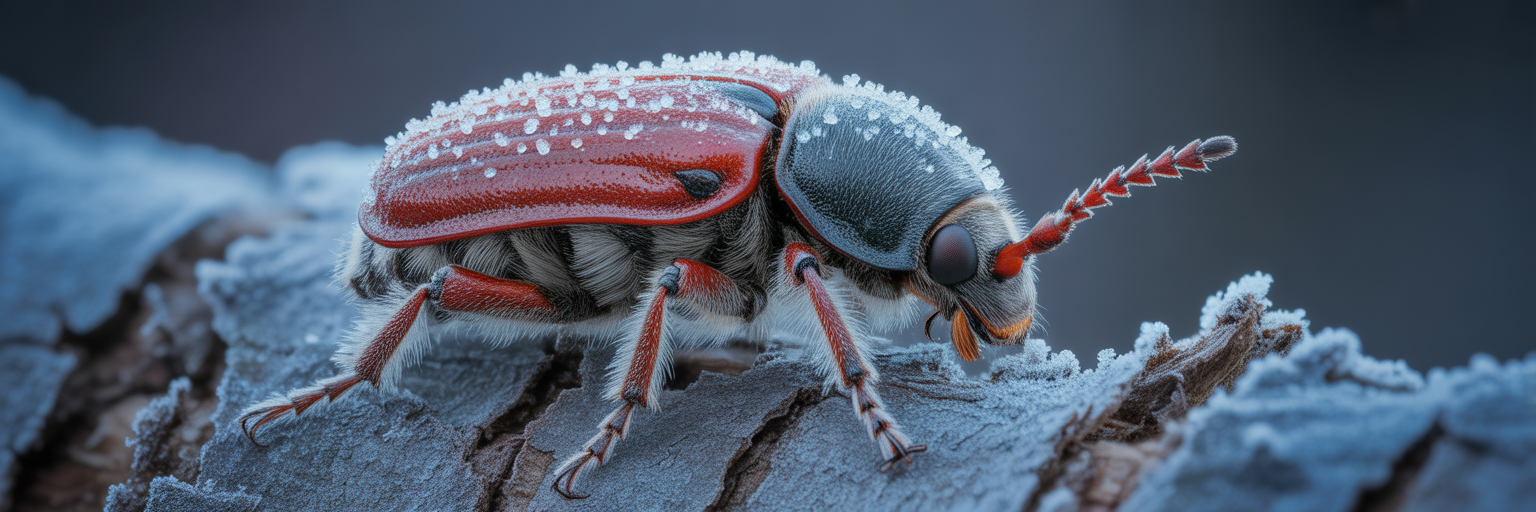
While the wood frog is a remarkable survivor, its tolerance for cold is surpassed by insects that inhabit even more extreme environments. The red flat bark beetle, *Cucujus clavipes*, found in the frigid interior of Alaska, has developed a multi-stage defense system that allows it to survive temperatures that plummet to an astonishing −60°F (−50°C) and even lower. Its strategy is more complex and flexible than the wood frog’s, showcasing a different evolutionary path to the same goal.
In the early stages of winter, the beetle employs a freeze avoidance strategy. It purges its gut of any food particles that could act as nucleation sites for ice and begins to produce antifreeze proteins to supercool its body fluids. This works well for moderately cold temperatures. However, as the Alaskan winter deepens and temperatures drop to levels where supercooling is no longer reliable, the beetle switches its strategy. It transitions from avoiding ice to tolerating it, but with its own unique chemical toolkit.
The core of the beetle’s freeze tolerance strategy is not glucose, but glycerol. As temperatures fall, the beetle synthesizes massive quantities of this alcohol, which can make up nearly 30% of its body weight. Glycerol functions as a potent cryoprotectant, much like the antifreeze used in a car’s radiator. It permeates the beetle’s cells, preventing the water inside from freezing and protecting delicate cell membranes from dehydration and osmotic shock. This chemical shield is the primary defense against the formation of lethal intracellular ice.
However, the beetle has another trick up its sleeve. It also produces a unique set of antifreeze proteins (AFPs) that have a very specific job. Their role is not just to prevent initial freezing, but to manage any ice that does form. This is a crucial concept called recrystallization inhibition. During the long winter, temperatures can fluctuate. As temperatures rise slightly and then fall again, small ice crystals can merge and grow into larger, more dangerous ones. The beetle’s AFPs bind to the surface of any tiny ice crystals that form, physically blocking them from growing larger or changing shape. This ensures that the ice in its body remains a collection of small, harmless particles rather than becoming large, tissue-shredding shards. This dual strategy of using glycerol for cellular protection and AFPs for ice management allows the Alaskan upis beetle to endure some of the most extreme cold found in any terrestrial environment.
The Arctic Ground Squirrel’s Chilled Hibernation
Not all champions of the cold allow themselves to freeze. The Arctic ground squirrel (*Urocitellus parryii*) provides a stunning counterexample, showcasing the absolute pinnacle of freeze avoidance in a mammal. This creature does not freeze solid; instead, it pushes the limits of supercooling to a degree once thought impossible for an animal of its size and complexity.
During its long winter hibernation, the Arctic ground squirrel allows its core body temperature to drop to an incredible 26.8°F (−2.9°C). This is the lowest core body temperature ever recorded in a mammal, well below the freezing point of water. Yet, its blood and tissues remain liquid. This state of deep supercooling presents a profound biological paradox. The squirrel is a living, breathing mammal whose body exists at a temperature that should turn it into a block of ice.
This state is not continuous. The squirrel’s hibernation is characterized by a cycle of torpor and rewarming. It will spend two to three weeks in this supercooled state, with its metabolism slowed to a crawl. Then, for reasons that are still being debated by scientists, it will begin to shiver violently. Over the course of about 15 hours, it raises its body temperature back to a normal 98.6°F (37°C). It remains warm for only 12 to 24 hours before letting its temperature plummet back down into the supercooled range. Some theories suggest this periodic rewarming is necessary to restore essential brain functions or to clear metabolic waste products that accumulate during torpor.
How does it avoid a catastrophic flash freeze? The exact mechanisms are still under intense investigation, but a key part of the strategy appears to be the active purification of its blood. Before entering hibernation, the squirrel seems to clear its blood of any particles that could act as ice-nucleating agents. These are the tiny impurities around which ice crystals typically form. By creating an exceptionally pure internal environment, the squirrel removes the triggers for freezing, allowing its body fluids to remain liquid in a deeply unstable supercooled state. This remarkable metabolic control is reminiscent of other creatures that can switch between warmblooded and coldblooded states, demonstrating nature’s flexibility in managing body temperature and energy.
Microscopic Resilience in the Antarctic
To find the absolute limits of survival, we must travel to the harshest environment on Earth, Antarctica, and look at life on a microscopic scale. Here, in the frozen soils, lives a tiny roundworm, the Antarctic nematode *Panagrolaimus davidi*. This creature, barely visible to the naked eye, is a true champion of cryobiosis, the ability to survive freezing, and it does so by breaking one of the fundamental rules of freeze tolerance.
The nematode’s survival strategy begins long before the cold sets in. It employs a process called anhydrobiosis, the ability to survive near-total dehydration. As its environment dries out or cools, the nematode expels most of the water from its body. This process is crucial because it naturally concentrates the cryoprotectants within its cells, preparing them for the inevitable freeze. This desiccated, dormant state is a prerequisite for its incredible ability to withstand ice.
Here is where the Antarctic nematode does the unthinkable. For decades, the central rule of freeze tolerance was that ice must be restricted to the extracellular space. Ice forming *inside* a cell was considered universally and instantly fatal. *Panagrolaimus davidi* is one of the only known animals that can survive **intracellular ice formation**. Scientists have observed ice crystals forming directly within its cells, a process that should shred its internal structures to pieces. Yet, when thawed, the nematode revives and continues its life cycle, completely unharmed.
This discovery has profound implications. It suggests that this microscopic worm has evolved mechanisms to either prevent the ice from causing damage while it is inside the cell or to rapidly repair any damage that does occur upon thawing. Its ability to manage intracellular ice challenges our basic understanding of cellular biology and offers a tantalizing new frontier for research. It demonstrates a level of resilience that pushes the boundaries of what we thought life could endure. This ability to enter a state of suspended animation is shared by other extremophiles, including some life forms that can survive being completely dried out for years, proving that life can persist even in the absence of its most essential ingredient: liquid water.
The Molecular Machinery of Cryopreservation
The incredible survival stories of these animals are not magic; they are the result of highly specialized molecular machinery. The ability to control ice and survive a frozen state depends on a sophisticated toolkit of chemicals and proteins that work in concert to protect the body at a cellular level. Understanding these mechanisms reveals the elegant chemistry behind nature’s own form of cryopreservation.
The Chemistry of Cryoprotectants
At the heart of freeze tolerance are molecules known as cryoprotectants. The most common **cryoprotectants in nature** are polyols, a type of sugar alcohol like glycerol, and sugars like glucose and trehalose. These substances work in a simple yet effective way. Water molecules are naturally attracted to each other and will readily arrange themselves into the rigid, crystalline lattice of ice. Cryoprotectants are small molecules that are also highly attractive to water. When they flood a cell, they insert themselves between the water molecules, forming hydrogen bonds with them. This physically disrupts the water molecules’ ability to line up and form an ice crystal. They do not lower the freezing point significantly; instead, they make it much harder for ice to form in the first place, effectively protecting the cell’s interior from freezing.
The Dual Role of Ice-Binding Proteins
While cryoprotectants protect the inside of the cell, a different class of molecules manages the ice outside the cell. These are broadly known as ice-binding proteins, and they play two distinct and almost contradictory roles.
- Ice-Nucleating Proteins (INPs): These proteins actually *encourage* ice to form. This seems counterintuitive, but it is a crucial part of the control strategy. INPs provide a specific, predictable site for ice to begin forming at a relatively high sub-zero temperature (e.g., 28°F or -2°C). This prevents a sudden, uncontrolled flash freeze at a much lower temperature and ensures that ice formation begins slowly and in the safe extracellular spaces.
- Antifreeze Proteins (AFPs): Once ice begins to form, antifreeze proteins get to work. They bind to the surface of the growing ice crystals. This has two effects. First, it physically blocks the crystal from getting larger, keeping the ice particles small and less dangerous. Second, it inhibits recrystallization, the process where small crystals merge into larger ones during temperature fluctuations.
Metabolic Shutdown and Oxygen Deprivation
Surviving the physical presence of ice is only half the battle. A frozen animal has no heartbeat and no blood flow, which means its cells receive no oxygen or nutrients. To survive this, the animal must undergo a profound metabolic rate depression. This is a near-total shutdown of all non-essential life processes. As noted by Storey in a 2017 Physiological Reviews article, this is a highly regulated process involving the coordinated suppression of gene expression and protein activity. By reducing its metabolic rate to less than 1% of normal, the animal drastically cuts its energy needs. This prevents the buildup of toxic metabolic byproducts and allows its cells to survive for months in an anoxic (no oxygen) state, waiting patiently for the thaw.
From the Wild to the Lab: Studying Nature’s Secrets
Unraveling the mysteries of freeze tolerance has moved from field observation to the high-tech environment of the modern laboratory. Scientists are no longer just observing that these animals survive; they are dissecting the process at a molecular level to understand precisely how they do it. This research relies on a combination of advanced techniques to replicate, observe, and analyze nature’s blueprint for cryopreservation.
The process often begins with controlled freezing experiments. Researchers use computer-controlled freezers that can precisely mimic the slow cooling rates that animals experience in their natural habitats, often just a fraction of a degree per hour. Thermal imaging cameras allow scientists to watch in real-time as the freezing process spreads across an animal’s body, revealing the patterns of ice formation. This allows them to correlate external temperature changes with internal physiological events, such as the moment the heart stops.
To understand what is happening on the inside, scientists turn to molecular analysis. Genomic and proteomic approaches are key. By sequencing an animal’s DNA (genomics), researchers can identify the specific genes that are activated in response to cold. For example, they can pinpoint the genes responsible for converting glycogen to glucose in the wood frog. Proteomics takes it a step further by identifying the actual proteins that are produced by those genes. This is how the specific antifreeze and ice-nucleating proteins are discovered and characterized.
Finally, researchers must perform a viability assessment to confirm that the animal has truly survived the process unharmed. This goes beyond simply seeing if the animal moves after thawing. It involves detailed microscopy to look for any signs of cell damage or ruptured membranes. Scientists also use biochemical assays to test whether key organs, like the heart, liver, and brain, can resume their normal metabolic functions. Only when all these tests are passed can they confirm that the animal has successfully tolerated freezing. These rigorous methods, while facing challenges like the ethics of animal research and the difficulty of perfectly replicating nature, are slowly but surely decoding one of biology’s most remarkable secrets.
Translating Survival Secrets into Medical Breakthroughs
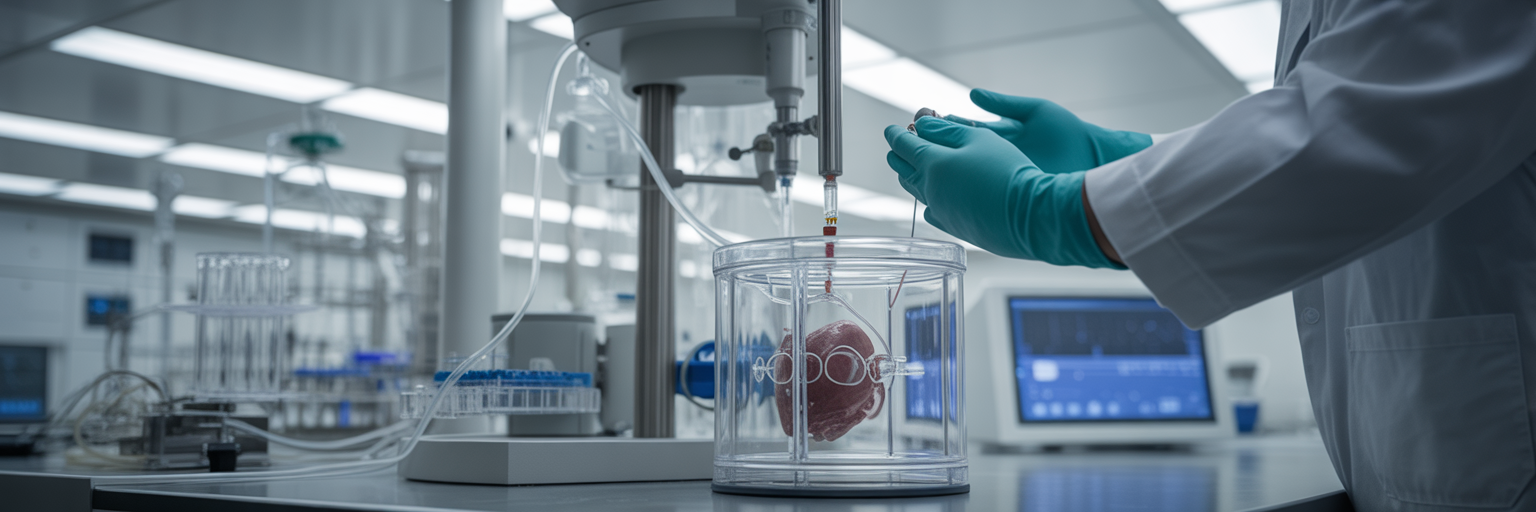
The study of freeze-tolerant animals is not just a matter of academic curiosity. It holds the key to solving some of the most pressing challenges in modern medicine. The central problem this research addresses is the incredibly short viability window for transplant organs. A donor heart or lung is only viable for a few hours outside the body, creating a frantic race against time. The strategies evolved by these animals provide a direct blueprint for the field of organ cryopreservation research.
Scientists are actively working to develop cryoprotectant cocktails inspired by the glucose and glycerol found in nature. The goal is to perfuse a donor organ with these protective agents and then cool it so rapidly that the water inside turns into a glass-like, non-crystalline state known as vitrification. If successful, this would allow for the creation of organ banks, where organs could be stored for weeks, months, or even years, transforming the landscape of transplant medicine from a frantic emergency procedure into a scheduled operation. A 2022 study in Cryobiology highlighted how lessons from the wood frog are directly informing these efforts to improve organ biobanking.
The principles of freezing are already being applied in medicine through cryosurgery. This technique uses extreme cold, typically delivered by a probe containing liquid nitrogen, to precisely destroy cancerous or abnormal tissues. A deeper understanding of how ice crystals form and destroy cells, learned from studying freeze-tolerant animals, helps to refine these techniques, making them more effective and less damaging to surrounding healthy tissue.
Looking further into the future, the long-term goals are even more ambitious. The ability to place an entire organism in a state of suspended animation could have applications for long-duration space travel, allowing astronauts to conserve resources on multi-year missions. While these ideas may seem like science fiction, they are rooted in the foundational science learned from these humble creatures. Nature is full of such marvels, including many other nature’s unsettling creations that defy belief, each holding potential lessons for science and medicine.
The Human Barrier to Surviving the Cold
After exploring the incredible adaptations of wood frogs, Alaskan beetles, and Antarctic nematodes, a fundamental question remains: why can’t we do that? The answer brings the article full circle, highlighting the profound biological gap between these specialized survivors and the vast majority of animals, including humans.
The primary reason is that we simply lack the genetic programming. Our bodies have no evolved mechanism to initiate the massive production of cryoprotectants in response to cold. We cannot flood our cells with glucose or glycerol to protect them from ice. When a human is exposed to freezing temperatures, the body’s only response is to shiver to generate heat and constrict blood vessels to conserve it. There is no “Plan B” for when those measures fail.
Second, there is the insurmountable problem of scale and complexity. Achieving the slow, uniform cooling necessary for controlled freezing is physically impossible in a large, warm-blooded body. Different organs and tissues would freeze at different rates, creating immense internal stresses that would tear tissues apart. The human brain, with its constant high demand for oxygen and its incredibly intricate structure, is particularly vulnerable. It cannot withstand the anoxia that comes with a stopped heart, nor the physical disruption of even the smallest ice crystals.
For humans, uncontrolled freezing leads to the exact catastrophic consequences described at the beginning of this article: cell membranes are ruptured by ice crystals, cells are fatally dehydrated by osmotic shock, and tissues die from a lack of oxygen. The process is not managed; it is simply destructive. The stark contrast between this outcome and the revival of a wood frog highlights the difference between a random accident and a finely tuned evolutionary strategy.
While nature has evolved these incredible biological solutions, human survival in a frozen state remains firmly in the realm of technology, not biology. Our path forward is not to evolve these traits ourselves, but to understand and mimic them through science. The secrets of the wood frog and its fellow survivors are the foundation for a future where we might one day bridge the gap between what they can do naturally and what we can achieve through medicine.