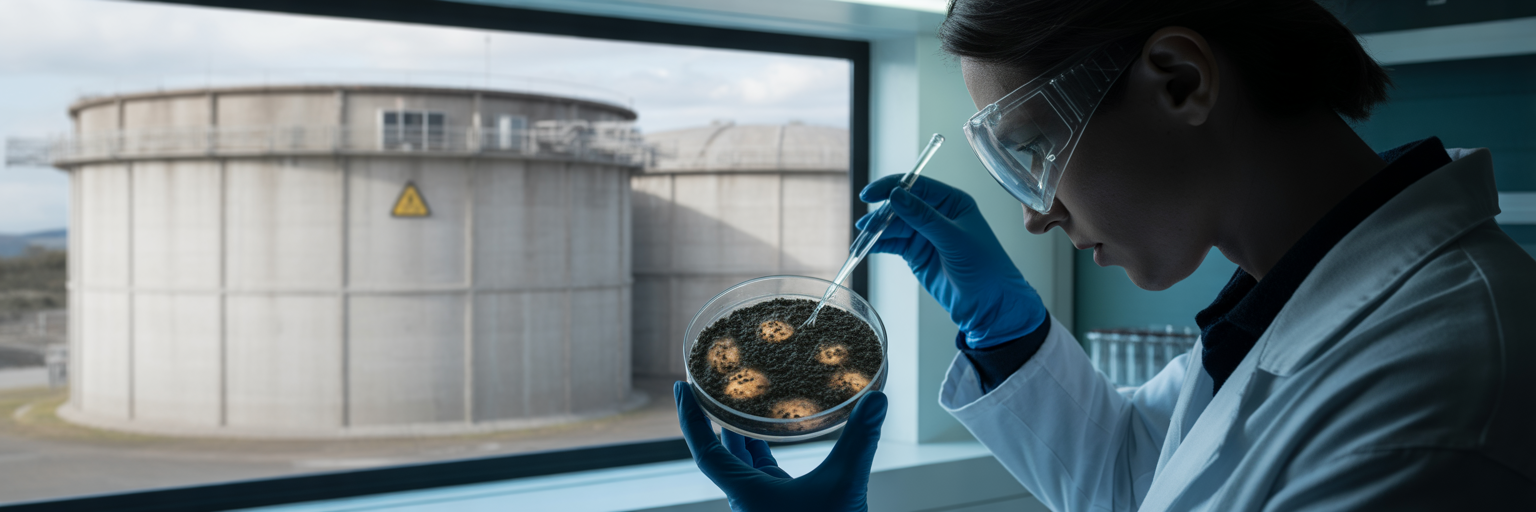
A New Frontier in Microbial Science
Plutonium-239, a common byproduct of nuclear reactors, has a half-life of 24,000 years. This single fact illustrates the immense challenge of managing radioactive waste, a legacy that will outlast civilizations. For decades, the primary solution has been containment, essentially locking hazardous materials away and hoping the containers hold. Yet, in the most inhospitable, irradiated corners of our planet, from the ruins of Chernobyl to the depths of uranium mines, life has found a way not just to survive, but to thrive.
This discovery led scientists to a fascinating paradox. Ionizing radiation is famously destructive, shattering DNA and rendering environments sterile. So how could anything live there? The answer lies in a unique class of microorganisms, sometimes called radiation eating bacteria, that possess an extraordinary biological toolkit. These microbes have evolved in high-radiation zones, developing sophisticated mechanisms to withstand and even utilize energy sources that are lethal to almost all other forms of life.
The existence of these organisms challenges our fundamental understanding of biology and opens up new possibilities. Researchers are now exploring how these microbes function, with two primary goals in mind: harnessing their natural processes to neutralize hazardous waste and investigating their potential to create entirely new forms of bioenergy.
The Biological Toolkit for Radiation Survival
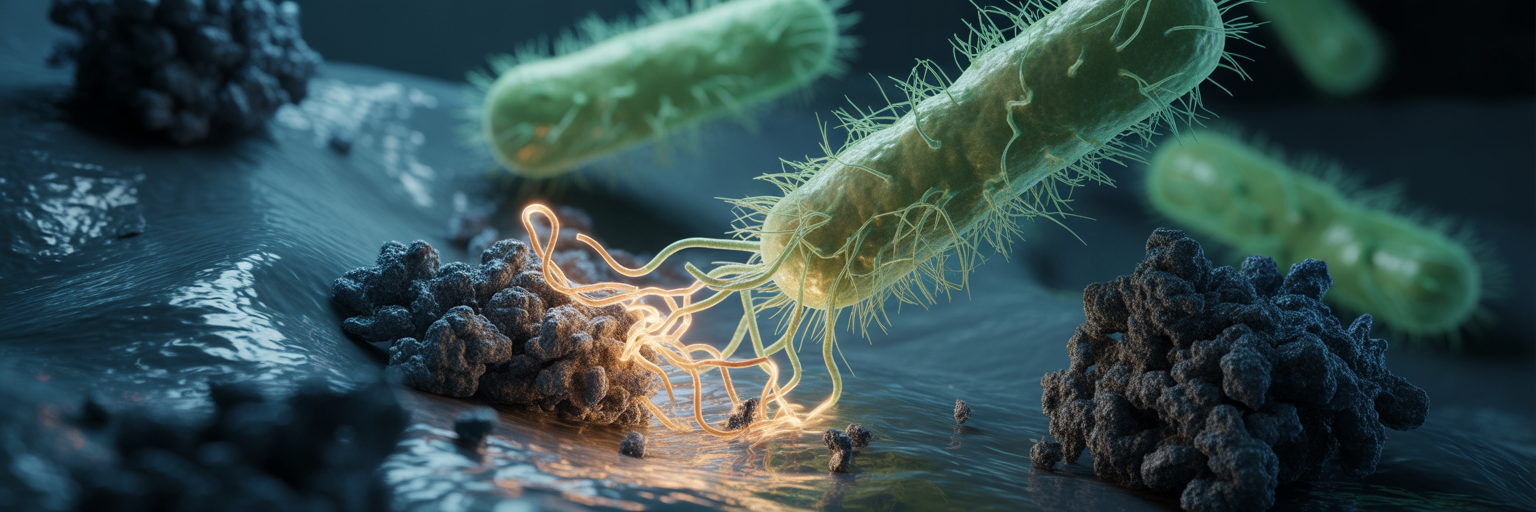
The ability of certain microbes to endure extreme radiation is not magic; it is the result of highly specialized biological machinery. While we often think of radiation as an absolute sterilizer, these organisms treat it as just another environmental stress to be managed. Their survival strategies are a masterclass in cellular resilience, moving far beyond the introductory concept of simple resistance.
Their toolkit includes several key mechanisms:
- Efficient DNA Repair: The undisputed champion of radioresistance is Deinococcus radiodurans. This bacterium can withstand radiation doses thousands of times greater than humans can. When radiation shatters its genome into hundreds of fragments, it doesn’t die. Instead, it methodically pieces its DNA back together within hours. It achieves this feat by holding multiple copies of its genome and using a powerful suite of protein-based repair systems, acting like a biological emergency crew that flawlessly reassembles a shattered mosaic.
- Contaminant Immobilization: Organisms like Geobacter and Deinococcus radiodurans have a different trick. They can effectively trap radioactive contaminants. As the National Science Foundation highlights, bacteria such as Geobacter use their protein filaments to transfer electrons to soluble uranium particles in groundwater. This chemical reaction changes the uranium’s state, causing it to precipitate into a solid, immobile mineral. In essence, the bacteria turn a flowing toxic plume into stable, trapped rock.
- Cellular Detoxification: Some microbes use their own bodies as a shield. Molecules on their outer membranes, such as lipopolysaccharides, act like a biological sponge. They have a natural chemical affinity for radioactive ions like uranium and technetium, binding them to the cell’s surface and preventing them from entering and causing internal damage.
It is important to clarify a distinction here. Most of these examples demonstrate radioresistance, the ability to survive radiation. A far rarer and more futuristic concept is radiotrophy, where an organism actively uses radiation as an energy source, much like a plant uses sunlight. Understanding this difference is key to appreciating their separate applications in waste management and energy production.
Practical Uses in Radioactive Waste Management
Moving from the microscopic to the practical, scientists are already deploying these hardy microbes to clean up contaminated sites. The focus has shifted from simply studying their biology to engineering real-world solutions for some of the most polluted places on Earth, including former Department of Energy weapons facilities in the United States.
One of the most promising techniques is in-situ bioremediation for nuclear waste. Instead of excavating tons of contaminated soil, a costly and disruptive process, engineers can stimulate the native bacteria already present. By injecting simple nutrients like acetate into the groundwater, they encourage the growth of indigenous microbes like Geobacter. These stimulated colonies then get to work, converting soluble radioactive materials into solid, stable minerals that remain trapped underground.
Another innovative application is the creation of “bio-barriers.” This involves cultivating a dense, subterranean wall of these microorganisms directly in the path of a contaminant plume. This living barrier intercepts the flow of radioactive groundwater, with the bacteria continuously precipitating the toxins out of the water as it passes through. It is a self-sustaining, low-maintenance solution for preventing the spread of contamination over vast areas.
The contrast with conventional cleanup methods is stark, highlighting a fundamental shift in approach from brute-force removal to elegant biological management.
| Factor | Traditional Methods (Excavation, Vitrification) | Microbial Bioremediation |
|---|---|---|
| Environmental Impact | Highly invasive; disrupts ecosystems and generates secondary waste. | Minimally invasive; treats contaminants in-situ. |
| Cost | Extremely high due to heavy machinery, transport, and energy use. | Significantly lower; leverages natural processes. |
| Long-Term Stability | Waste is contained in a stable glass form, but requires secure long-term storage. | Contaminants are converted into geologically stable minerals. |
| Applicability | Effective for highly concentrated, localized contamination. | Ideal for large, dilute plumes in groundwater and soil. |
| Implementation Time | Relatively fast for the treatment phase, but planning is extensive. | Slower process, often taking years to achieve cleanup goals. |
Note: This table compares general characteristics. The optimal method depends on site-specific factors like contaminant type, concentration, and geology.
From Waste Treatment to Energy Generation
Beyond cleaning up our existing nuclear legacy, these remarkable microbes hint at a truly futuristic possibility: turning radioactive waste into a power source. This concept, known as radiosynthesis, moves from remediation to creation, exploring how life can harness one of nature’s most powerful forces.
The most compelling evidence for this comes from the Chernobyl Exclusion Zone. There, scientists discovered melanin-rich fungi growing on the walls of the damaged reactor, seemingly drawn to the radiation. As detailed in reports on the topic, organisms like Burkholderia fungorum and these melanin-containing fungi have been observed absorbing gamma radiation and converting it into chemical energy for growth. The melanin, the same pigment that darkens human skin, appears to act like a biological solar panel for radiation.
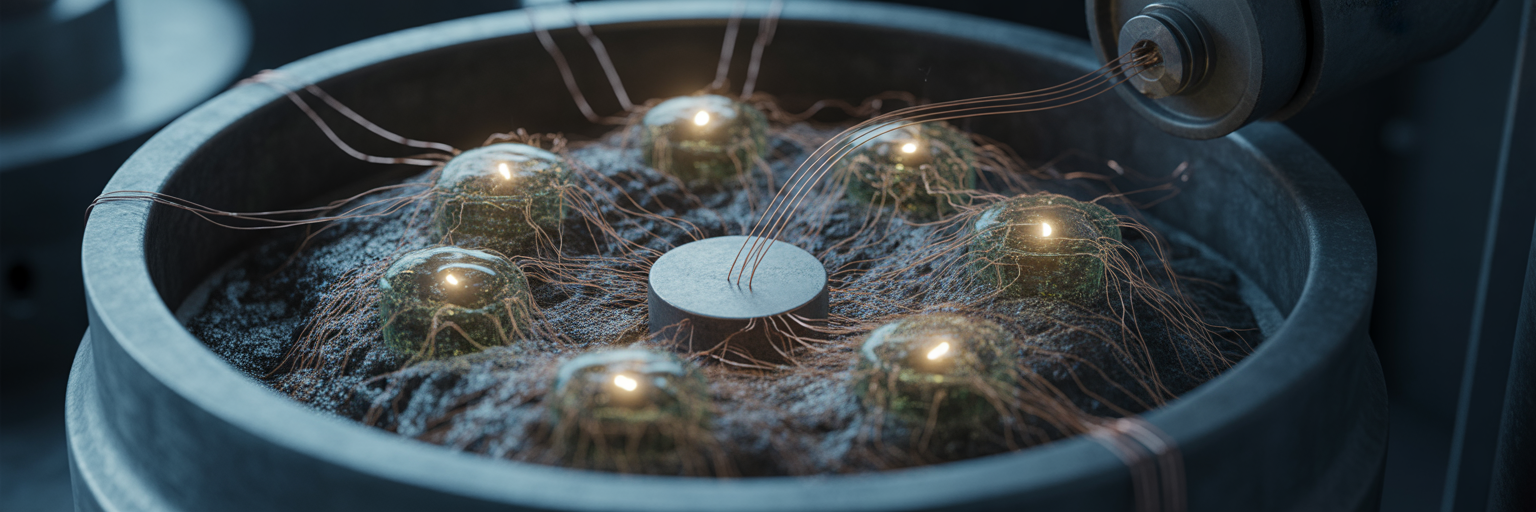
This discovery inspires visions of microbial fuel cells powered by nuclear waste. Imagine a bioreactor filled with genetically optimized bacteria. As these microbes metabolize radioactive isotopes, they would release a steady stream of electrons. These electrons could be captured by an electrode, generating a continuous electrical current. This would create a perfect circular economy: a system that enables energy production from radioactive decay while simultaneously neutralizing the hazardous material that fuels it.
While large-scale power plants running on nuclear waste are still the stuff of science fiction, the immediate applications are more grounded. Such microbial batteries could provide a long-lasting, low-power energy source for environmental sensors at remote waste storage sites, creating a self-powered monitoring system that lasts for decades or even centuries.
Challenges and the Path to Implementation
While the potential of these microbes is immense, the path from the laboratory to large-scale implementation is filled with significant hurdles. Acknowledging these challenges is crucial for setting realistic expectations and guiding future research.
- Engineering and Scalability: What works in a controlled lab environment often faces complications in the real world. The geology and chemistry of a contaminated site are complex and unpredictable. Engineering a system that ensures microbes thrive and perform their function across acres of subterranean terrain is a monumental task.
- Biological Limitations: Nature works on its own schedule. The metabolic rates of these bacteria are often slow. A bioremediation project could take years or even decades to achieve its cleanup goals, which may not be acceptable for sites that pose an immediate public health risk.
- Regulatory and Public Acceptance: In the U.S., gaining approval from agencies like the Environmental Protection Agency (EPA) and the Nuclear Regulatory Commission (NRC) for releasing microorganisms at sensitive nuclear sites is a complex process. Even if the bacteria are naturally occurring, the idea of intentionally introducing them requires rigorous safety demonstrations and public trust.
The future of nuclear waste solutions will likely depend on a multi-pronged approach. Current research is focused on using genetic engineering to enhance the efficiency and speed of these microbes. Scientists are also prospecting for new, even more potent strains in extreme environments around the globe. Ultimately, progress will be driven by pilot projects that can demonstrate both the safety and effectiveness of these biological systems in real-world conditions, building the confidence needed to deploy them at scale.