The Unseen Language of Scent
We have all seen it happen in a local park. A dog trots along, greeting most people with a friendly sniff, but it approaches one person with caution, maybe even a low growl. That person is visibly nervous, and the dog seems to know it instinctively. This common observation is not a myth or a mystical sixth sense. It is a window into a highly evolved biological function that governs survival across the animal kingdom.
The question of can animals smell fear is answered not by magic, but by chemistry. When a creature is scared, its body releases a specific cocktail of chemical cues into the air. Other animals, equipped with incredibly sensitive noses, pick up on these scents. This detection is not just a passive observation. It is an active signal that triggers immediate, observable changes in their behavior, preparing them for a potential threat. This is the unseen language of scent.
The Chemical Clues of Alarm
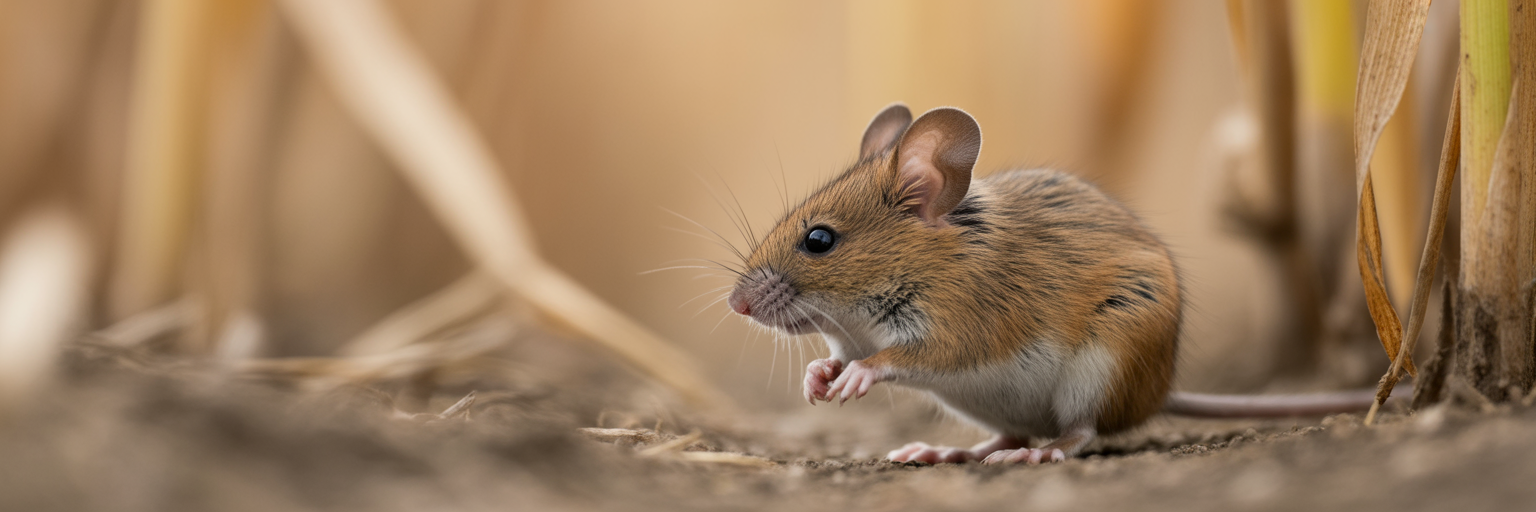
The scent of fear is not a single smell but a complex message carried by specific molecules called chemosignals. These are the chemical messengers that broadcast stress, terror, and danger from one creature to another. They are fundamental to how animals detect fear and can be broadly categorized into two types:
- Alarm Pheromones: These are signals released by an animal to warn others of its own species about immediate danger. Think of it as a silent, chemical scream for help that tells everyone nearby to run or hide.
- Kairomones: These are odors released by one species that benefit another, typically a predator’s scent that prey animals have evolved to recognize. The prey detects the kairomone and gains a life-saving advantage.
A powerful example of this is TMT (2,5-dihydro-2,4,5-trimethylthiazoline), a molecule found in fox feces. As documented in a study published in Frontiers in Neuroscience, this single compound can induce an innate freezing response in rodents that have never even seen a fox. Their brains are hardwired to recognize this specific smell as a sign of mortal danger. These fear chemosignals in animals allow for a survival reaction without needing visual confirmation of a predator. This powerful instinct is just one of many incredible survival tools found in nature, similar to how some creatures have adapted to extreme conditions, like the frog that freezes solid and thaws back to life, a fascinating process you can read more about here.
From Nose to Brain: Decoding Danger Signals
Once a fear scent is detected, how does it trigger such a rapid response? The journey from nose to brain is a marvel of biological engineering. The animal olfactory system has two specialized divisions that work in tandem. The main olfactory system (MOS) handles general smells, like the scent of food or rain. But for high-stakes messages like fear, the accessory olfactory system (AOS) takes over. It is specifically tuned to detect behavior-driving cues like pheromones.
Think of it like a home security system. The nose acts as the motion detector, picking up the chemical intruder. The signal does not meander through the brain for casual analysis. Instead, it travels on a direct, high-speed pathway to the brain’s “alarm panel,” primarily the amygdala and hypothalamus. These regions are the ancient command centers for emotion and survival. This specialized wiring explains the near-instantaneous predator odor response. There is no time for conscious thought, only reaction. The complexity of these systems is a testament to evolutionary adaptation, much like the bizarre neurological takeover seen in snails infected by certain parasites, which you can explore further on our site.
| Feature | Main Olfactory System (MOS) | Accessory Olfactory System (AOS) |
|---|---|---|
| Primary Function | Detecting general environmental odors (food, flowers) | Detecting specific social and threat cues (pheromones) |
| Types of Scents | Volatile, airborne chemicals | Less volatile, often fluid-borne chemicals |
| Neural Pathway | Projects broadly to the olfactory cortex | Projects directly to amygdala and hypothalamus |
| Behavioral Impact | General awareness and identification | Triggers innate behaviors (fear, mating) |
Freezing on the Spot vs. a Racing Heart

When an animal smells danger, its reaction is more sophisticated than just running away. The fear response has two distinct components that are controlled separately: the external behavior and the internal physiological shift. On the outside, the animal might freeze completely, using stillness as camouflage to avoid a predator’s notice. Internally, however, its body is kicking into high gear. The heart races, blood pressure spikes, and a surge of stress hormones like cortisol floods the system, preparing the muscles for explosive action.
Remarkably, these two responses are managed by different, though connected, neural circuits. Research highlighted in Nature identified a small brain region called the amygdalo-piriform transition area (AmPir) as crucial for triggering the hormonal stress response. Scientists found that by silencing this specific area in mice, they could prevent the surge of stress hormones when the mice were exposed to a predator’s scent. Yet, the mice still froze in terror. This separation is a brilliant survival strategy. It allows an animal to remain perfectly still and hidden while its body internally prepares for a potential life-or-death struggle. For more on the diverse and surprising behaviors animals exhibit, our blog offers a wide range of stories.
Experience as a Teacher for Survival
While instinct provides a powerful baseline for survival, it is not the whole story. Animals are not just pre-programmed robots. Their fear responses are refined and shaped by experience. This is where learning and memory come into play, creating a flexible and adaptive survival toolkit. Consider a white-tailed deer grazing in a meadow. If it smells sagebrush just moments before being ambushed by a coyote, its brain forges a powerful connection. The next time it smells sagebrush, its alarm bells will ring, even if no coyote is in sight.
However, context is everything. That same deer might ignore the scent of sagebrush if it is safely behind a tall fence in a suburban backyard. Its brain integrates the sensory input with its knowledge of the environment to make a calculated decision. Is this scent a real threat right now? This blend of innate instinct and learned association is central to how animals detect fear in a dynamic world. This adaptability is a common theme in the animal kingdom, much like how lyrebirds learn to mimic complex sounds from their environment, a topic we covered in our article on why lyrebirds mimic chainsaws.
Human Parallels in the Science of Scent
While we humans rely more on sight and sound for survival, our brains retain the same ancient olfactory pathways that link scent directly to emotion and memory. The primal connection between smell and fear is an evolutionary legacy that continues to shape our behavior, even if we are not consciously aware of it. This is why understanding these fear circuits in animals provides such a valuable model for human neuropsychiatric conditions, particularly Post-Traumatic Stress Disorder (PTSD).
In a person with PTSD, a seemingly harmless scent associated with a traumatic event, like diesel fuel or a specific perfume, can act as a powerful, involuntary trigger. It activates the same amygdala-driven fear response seen in an animal smelling a predator, causing a rush of anxiety and panic. It confirms that the answer to can animals smell fear also sheds light on our own biology. The unseen language of scent is a fundamental part of life that connects all of us. To continue exploring the incredible world of nature, visit us at Nature Is Crazy.