
The Remarkable Mexican Walking Fish
Nature is filled with biological puzzles, but few are as captivating as the axolotl. Often called the “Mexican walking fish,” this creature is not a fish at all. So, what is an axolotl? It is a species of salamander, Ambystoma mexicanum, that spends its entire life in water. Its only native home is the Xochimilco lake complex near Mexico City, a network of canals and lakes that has sustained it for centuries. What makes this amphibian so extraordinary are two defining traits that seem to defy the normal rules of biology.
First, it possesses a form of perpetual youth, retaining its juvenile features throughout its life. Second, it has an almost unbelievable ability to regenerate damaged body parts. These two characteristics have made the axolotl a subject of intense scientific fascination, making it a key subject in the story of modern science.
The Science of Perpetual Youth
The axolotl’s youthful appearance is not just a quirk; it is a biological phenomenon known as neoteny. While most amphibians undergo metamorphosis, transforming from a gilled, aquatic larva into a land-dwelling adult, the axolotl simply grows larger. It reaches sexual maturity while keeping its feathery external gills, finned tail, and lidless eyes. It effectively lives its entire life in a state that other salamanders leave behind after a few months. Think of it as the Peter Pan of the amphibian world, an animal that never truly grows up.
This arrested development is not an accident. It is caused by a specific hormonal deficiency. The axolotl’s body does not produce the thyroid-stimulating hormone needed to trigger metamorphosis. This unique trait in the study of neoteny in animals makes it an invaluable model for developmental biologists. By studying the axolotl, scientists can investigate the genetic and hormonal switches that control aging, development, and the very timeline of life itself. It offers a living window into how evolution can pause or alter fundamental biological processes.
An Unrivaled Healing Power
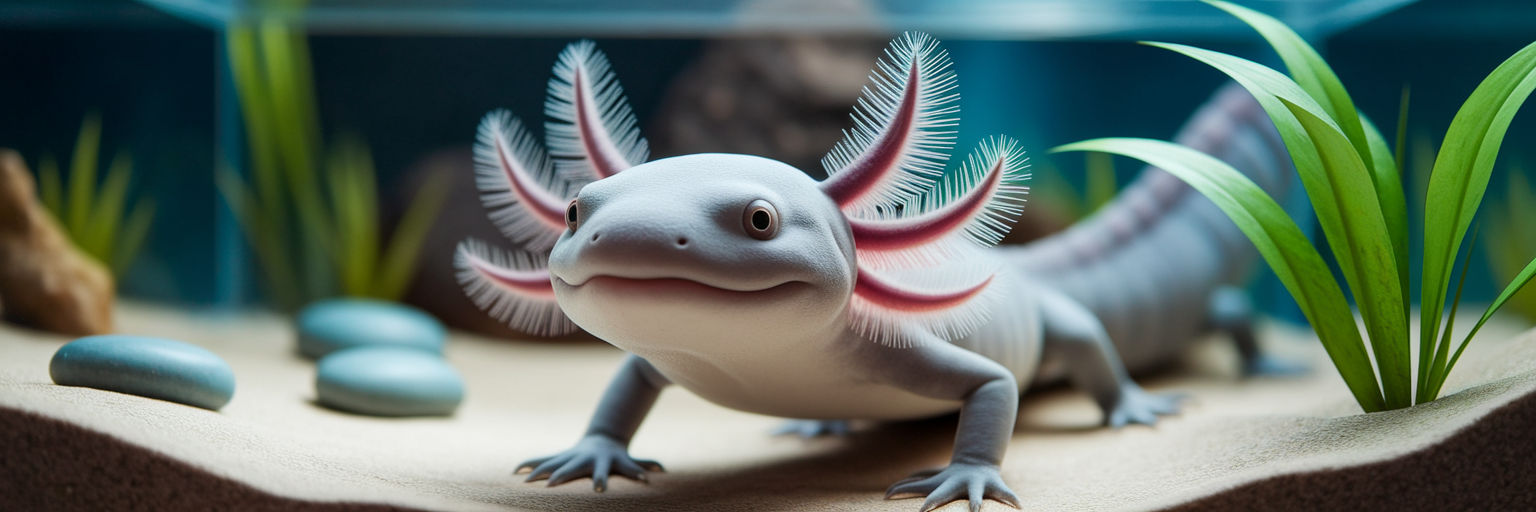
Beyond its eternal youth, the axolotl is the ultimate salamander that regrows limbs, possessing a regenerative capability that is unmatched in the vertebrate world. Its healing is not just about patching up a wound; it is about perfect reconstruction. If an axolotl loses a body part, it does not just grow a stump or a scar. It rebuilds the structure from scratch, flawlessly. The scope of this ability is staggering.
- Entire Limbs: It can regrow a complete leg, from the shoulder down, perfectly recreating bone, muscle, nerves, and skin.
- Spinal Cord: It can repair severe damage to its spinal cord, often restoring full function without any lasting paralysis.
- Heart Tissue: If its heart is injured, it can mend the cardiac muscle, avoiding the functional loss seen in human heart attack survivors.
- Brain Matter: Incredibly, it can even regenerate portions of its forebrain after an injury.
The secret lies in a cluster of stem-cell-like cells called a blastema that forms at the wound site. These cells orchestrate a complete rebuilding process. The most critical aspect of this is that the healing is completely scar-free. When humans heal, our bodies create fibrous scar tissue that is functionally inferior. An axolotl, however, restores the original tissue perfectly, a biological feat that remains a central focus for medical researchers.
Decoding the Regenerative Blueprint
The previous section detailed what the axolotl can do, but the real mystery is how. The answer is hidden within its genetics. The axolotl genome is enormous, containing roughly 32 billion base pairs, making it about ten times larger than the human genome. This massive genetic library holds the instructions for its incredible healing, and scientists are now conducting focused axolotl regeneration research to read it. This complex code is being explored using modern tech innovations like CRISPR gene-editing, allowing researchers to turn specific genes on and off to pinpoint their roles.
A recent breakthrough has already challenged old assumptions. According to research supported by the U.S. National Science Foundation, scientists discovered it is not how much of a key molecule is present, but how little. A low concentration of retinoic acid at the tip of the regenerating limb, managed by a specific enzyme, allows cells to correctly map their position and rebuild structures with precision. This finding shows that regeneration is not just about growth, but about exquisite spatial control.
| Biological Factor | Axolotl | Human |
|---|---|---|
| Genome Size (Base Pairs) | ~32 Billion | ~3.2 Billion |
| Primary Healing Response | Regenerative Blastema Formation | Inflammatory Response & Fibrosis |
| Scar Tissue Formation | Minimal to none; perfect tissue restoration | Standard part of wound healing |
| Complex Limb Regeneration | Fully capable throughout life | Not possible after embryonic stage |
Note: This table provides a simplified comparison to highlight the fundamental biological differences that are the focus of regenerative medicine research. Genome sizes are approximate.
From Lab Bench to Human Health
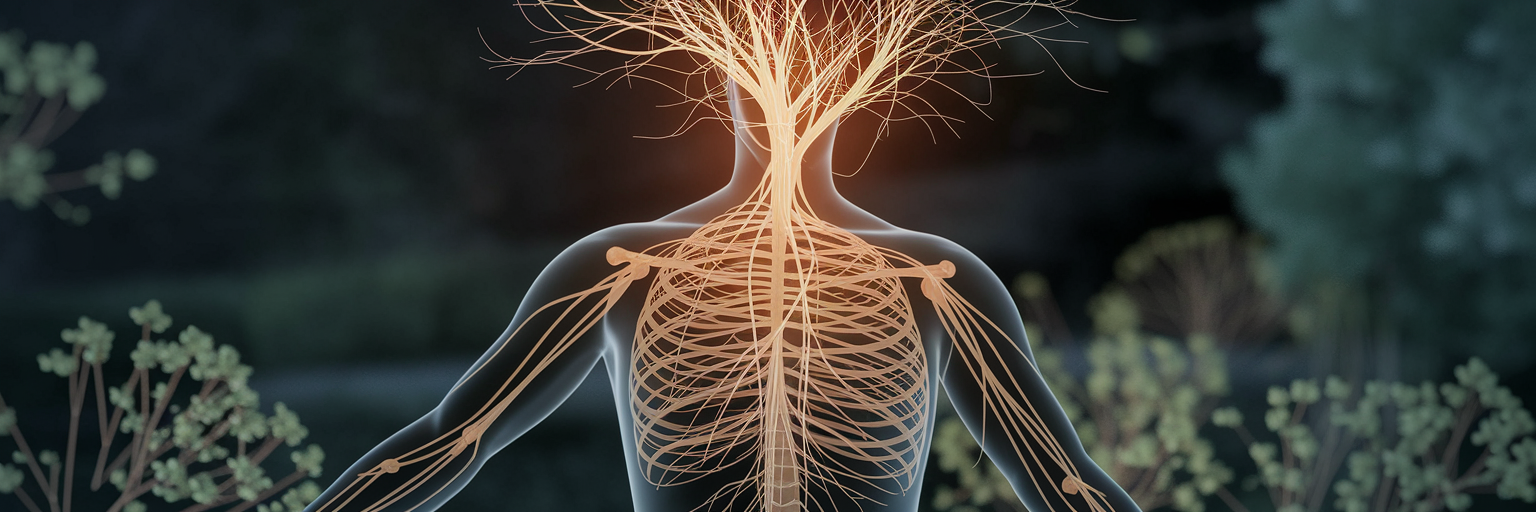
The long-term vision for the medical uses for axolotls is not about regrowing human limbs, a concept that remains in the realm of science fiction. Instead, the research is focused on a more attainable but equally transformative goal: learning how to guide our own bodies to heal better. The potential applications are profound.
- Treating spinal cord injuries by encouraging nerve cells to repair themselves.
- Repairing heart tissue damaged by heart attacks to prevent long-term heart failure.
- Improving healing for severe burn victims by reducing scarring and restoring skin function.
- Preventing the formation of debilitating internal scars after surgery or trauma.
However, the biological hurdles are immense. The human immune system is primed for a rapid, inflammatory response that prioritizes closing wounds quickly to prevent infection, often at the cost of perfect regeneration. The research aims to understand how to gently steer this response toward reconstruction rather than scarring. The axolotl serves as our biological roadmap, and if successful, these principles could become part of the tech innovations defining daily life in the coming decades.
A Fragile Existence in the Wild
While the axolotl thrives in laboratories around the world, its story in the wild is one of fragility. The IUCN Red List classifies the species as critically endangered. In its native Xochimilco canals, it faces an existential crisis. The two primary threats are severe water pollution from the urban sprawl of Mexico City and predation by invasive fish species, such as carp and tilapia, which were introduced to the ecosystem and now feast on young axolotls.
Dedicated axolotl conservation efforts are underway, including creating protected canal “shelters” free from predators and establishing robust captive breeding programs to maintain genetic diversity. Yet, the situation remains precarious. There is a powerful and sobering irony in the fact that this master of regeneration, a creature that can rebuild itself from the most grievous of injuries, is on the brink of being wiped out forever. Its struggle for survival is a stark reminder of the urgent need to protect the very biodiversity that may hold the keys to our own future health.