The human body is in a state of constant renewal, replacing approximately 330 billion cells every single day. Yet, amidst this cycle of life and death, some human cells have achieved a form of biological immortality, surviving for decades in laboratories and revolutionizing medicine.
The Natural Lifespan of a Typical Cell
Most cells in our body operate on a strict schedule, governed by a biological clock. This concept, known as the Hayflick limit, dictates that a typical human cell can divide only about 40 to 60 times before it stops. This isn’t a flaw but a fundamental safety feature hardwired into our biology. The mechanism behind this countdown lies at the very tips of our chromosomes in structures called telomeres.
Think of telomeres as the plastic tips on a shoelace. They protect our genetic information from fraying each time a cell divides. With every division, these protective caps get a little shorter. Eventually, they become too short to protect the chromosome, signaling the cell to halt its replication cycle. This is the point where the cell enters a state of irreversible growth arrest, a process central to the cellular senescence explained by scientists as a key defense against uncontrolled growth.
Once a cell enters senescence, it no longer divides. This, along with programmed cell death (apoptosis), is a crucial protective function. It ensures that cells with accumulated damage or mutations are safely removed from the population, preventing them from becoming cancerous. The turnover rate varies dramatically across the body, illustrating this constant cycle:
- Skin cells: Replaced every 2 to 4 weeks.
- Red blood cells: Live for about 4 months.
- Intestinal lining cells: Replaced every 2 to 4 days.
This finite lifespan is the default for almost every cell, a natural and essential process that maintains the health of our tissues. But what happens when a cell breaks these rules?
The Immortal Exception: How Some Cells Defy Aging
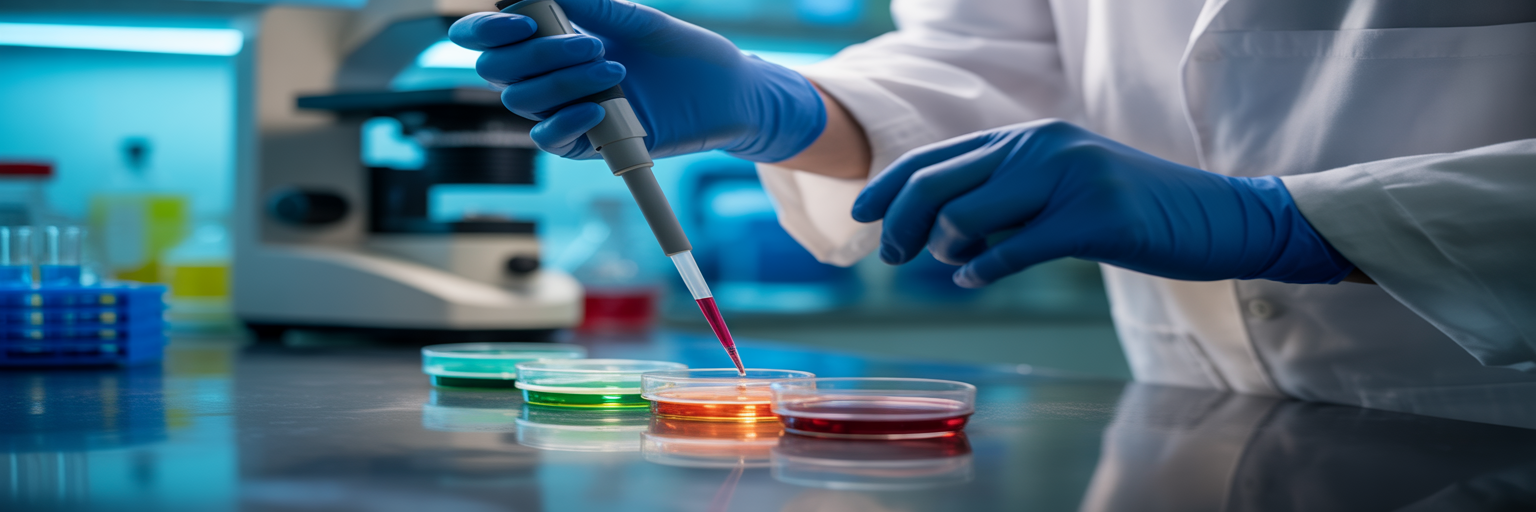
Building on the understanding of a cell’s natural limits, we can now explore the exceptions. Certain cells manage to bypass these biological clocks entirely. These are known as immortalized human cell lines, and while the term sounds dramatic, it simply means they can proliferate indefinitely in a laboratory setting. They are not indestructible, but they do not age in the conventional sense.
The most famous example is the HeLa cell line, derived from the cervical cancer cells of a woman named Henrietta Lacks in 1951. The story of how HeLa cells survive is a lesson in how cancer rewrites biological rules. Unlike healthy cells, HeLa cells found a way to overcome the shortening of telomeres. They activated an enzyme called telomerase, which acts like a maintenance crew, constantly rebuilding the telomeres after each division. This effectively resets the cellular clock, granting them the ability to divide endlessly.
But avoiding the countdown timer is only half the story. These cells also had to disable their own self-destruct mechanisms. Healthy cells with significant DNA damage would normally trigger apoptosis. In many cancer cells, including HeLa, key tumor suppressor genes like p53 are mutated. This gene acts as a crucial brake pedal, halting division and initiating repairs or cell death when something goes wrong. With a mutated p53, the brake pedal is broken. The cell continues to divide despite accumulating genetic errors, ignoring all internal stop signals. As a report in The Conversation highlights, the unique properties of these cells have been pivotal in countless medical advancements, turning a biological anomaly into a cornerstone of modern research.
Sustaining Cellular Life in the Laboratory
A cell’s internal ability to defy aging is remarkable, but it means nothing without an external environment that can sustain it. The science of long term cell culture is a meticulous practice of recreating the conditions of the human body inside a petri dish. It requires precision, patience, and an almost obsessive attention to detail.
The foundation of this artificial world is the growth medium, a nutrient-rich liquid cocktail that provides everything a cell needs to function. This “broth” is far more complex than simple sugar water. Its key components include:
- Glucose: The primary energy source to fuel cellular metabolism.
- Amino Acids: The building blocks for creating new proteins.
- Vitamins and Salts: Essential cofactors for enzymatic reactions and maintaining osmotic balance.
Beyond nutrition, the physical environment must be perfectly controlled. Cells are housed in incubators that maintain a constant temperature of 37°C (98.6°F), a stable pH, and a specific carbon dioxide concentration. This mimics the warm, stable conditions inside the body. Perhaps the most critical factor, however, is sterility. A single stray bacterium or fungal spore can contaminate and wipe out an entire culture in hours. To prevent this, scientists work in sterile laminar flow hoods, which provide a continuous stream of filtered air.
Finally, as cells multiply, they need space. Scientists must regularly perform “passaging,” which involves diluting the cells and transferring them to a new dish with fresh medium. This prevents overcrowding and ensures they have enough nutrients to continue growing. This careful choreography of feeding, housing, and managing cell populations is what allows these tiny biological engines to thrive for decades outside their original home.
| Parameter | Requirement | Purpose |
|---|---|---|
| Temperature | 37°C (98.6°F) | Mimics human body temperature for optimal enzyme function and cell metabolism. |
| Growth Medium | Liquid containing glucose, amino acids, vitamins, salts | Provides all essential nutrients for cell growth, division, and survival. |
| pH Level | Stable, typically 7.2-7.4 | Maintains the proper acid-base balance necessary for cellular processes. |
| Sterility | Aseptic conditions (e.g., laminar flow hood) | Prevents contamination from bacteria, yeast, or fungi that would outcompete and kill the cells. |
| CO2 Level | Typically 5% | Works with bicarbonate in the medium to create a buffer system that maintains a stable pH. |
The Scientific Impact of Long-Lived Cells
The ability to sustain cells in a lab has done more than satisfy scientific curiosity; it has fundamentally reshaped human health. Immortalized cell lines became the reliable, consistent workhorses that researchers needed to conduct repeatable experiments on a massive scale. Their contributions are written into the history of modern medicine.
These cellular powerhouses were instrumental in some of the 20th century’s greatest medical breakthroughs. They allowed scientists to:
- Develop the polio vaccine: Researchers used cultured cells to grow the poliovirus in large quantities, enabling the creation and testing of Jonas Salk’s vaccine.
- Test cancer treatments: Immortalized cancer cells provide a limitless supply of material for screening the effectiveness of new chemotherapy drugs.
- Understand viral infections: Cell lines were essential for studying how viruses like HIV, HPV, and influenza infect human cells, leading to antiviral therapies.
Today, the principles learned from these naturally immortal cells are being actively engineered, driving the future of cell therapy. In treatments like CAR-T therapy, a patient’s own immune cells (T cells) are genetically modified to become more durable cancer fighters. As research published in Nature has explored, scientists are finding ways to engineer these T cells for enhanced longevity, turning them into persistent “living drugs” that can patrol the body for years. This same knowledge is fueling the development of organoids, or mini-organs, grown from stem cells to model diseases and test drugs with greater accuracy, reducing the need for animal testing.
However, this progress is shadowed by a critical ethical lesson. The story of Henrietta Lacks, whose cells were taken and commercialized without her knowledge or consent, became a powerful catalyst for change. Her case exposed a massive gap in medical ethics and led directly to the establishment of informed consent regulations in the United States. It forever altered the relationship between patients and researchers, ensuring that the rights and autonomy of individuals are respected in the pursuit of scientific discovery.