The Ultimate Survival Gauntlet
During the dawn of space exploration, the cosmos was widely considered a sterile void, an environment so hostile that life could not possibly exist. This assumption made sense. Space presents a gauntlet of lethal challenges: a near-perfect vacuum that can cause liquids to boil away, wild temperature swings from scorching heat to cryogenic cold, and a relentless barrage of solar and cosmic radiation. These conditions are far beyond what most terrestrial life can withstand. Yet, as our understanding grows, we find that some of Earth’s hardiest inhabitants, known as extremophiles, are up to the challenge. The question is no longer if life can endure space, but how. This article explores the specific biological strategies and experimental proof that explain how certain microorganisms that survive the vacuum of space achieve this incredible feat, a discovery made possible by the innovations of modern science.
Surviving Through Suspended Animation
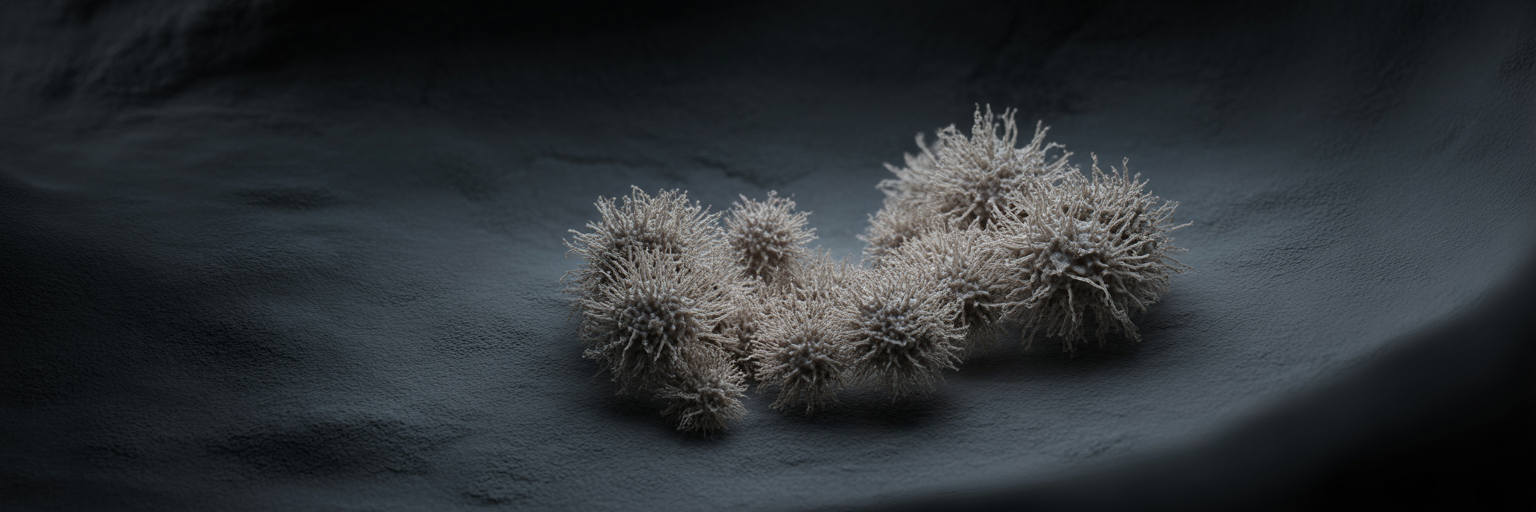
One of the most effective survival strategies is not to fight the environment, but to simply wait it out. Many microbes achieve this through a process of dormancy, entering a state of suspended animation. This is a passive defense, a biological pause button. The bacterium Bacillus subtilis, for example, forms a tough, dehydrated structure called a spore when conditions become unfavorable. By removing nearly all the water from its cells, the organism effectively halts its metabolism. This desiccated state offers two critical advantages for survival in space. First, it prevents the formation of sharp ice crystals that would otherwise shred cellular structures in the freezing cold. Second, it stops all non-essential chemical reactions, preserving energy and cellular integrity for potentially thousands of years. The vacuum of space naturally induces this dehydration, much like a sophisticated freeze-drying process. However, survival is meaningless without the ability to “wake up.” The true marvel is that these organisms, including archaea like Methanosarcina mazei, can fully rehydrate and resume normal function when they return to a more hospitable environment. Their survival hinges on this complete cycle:
- Metabolic Shutdown: Entering a dormant, spore-like state to conserve resources.
- Cellular Protection: Preventing physical damage from ice crystals and halting destructive chemical reactions.
- Reanimation: The ability to rehydrate and resume life functions upon returning to a habitable environment.
A Biological Defense Against Cosmic Radiation
While dormancy handles the vacuum and temperature, radiation presents a more direct and destructive threat. Solar and cosmic rays are streams of high-energy particles that can shred DNA, causing mutations and cell death. To counter this, some microbes employ active and structural defenses. This is where we see how bacteria survive radiation not just by hiding, but by fighting back. Certain fungi, like Aureobasidium pullulans, which were found growing on the outside of the International Space Station, possess remarkably efficient DNA repair mechanisms. When radiation damages their genetic code, these organisms can effectively stitch it back together. Another critical defense is physical shielding. Microbes embedded within grains of dust, clay, or rock are naturally protected from the most intense ultraviolet (UV) radiation. This concept provides strong panspermia theory evidence, suggesting that life could travel between planets shielded inside meteorites. As research from Nature highlights, experiments showed that spores of Bacillus subtilis could survive for years in space if shielded from direct solar UV. These layered defenses, from molecular repair to physical barriers, are a testament to life’s adaptability and are studied using a range of tech innovations.
| Radiation Type | Primary Threat to Cells | Microbial Defense Strategy |
|---|---|---|
| Solar UV Radiation | Causes direct DNA damage (lesions) | Physical shielding (rock, dust) and pigments that absorb UV |
| Solar Wind (Charged Particles) | Strips away atmospheric layers and damages cell surfaces | Formation of multi-layered cell walls or biofilms |
| Galactic Cosmic Rays (GCRs) | High-energy particles that fragment DNA and proteins | Efficient DNA repair mechanisms and antioxidant production |
Testing Life’s Limits in Earth’s Orbit
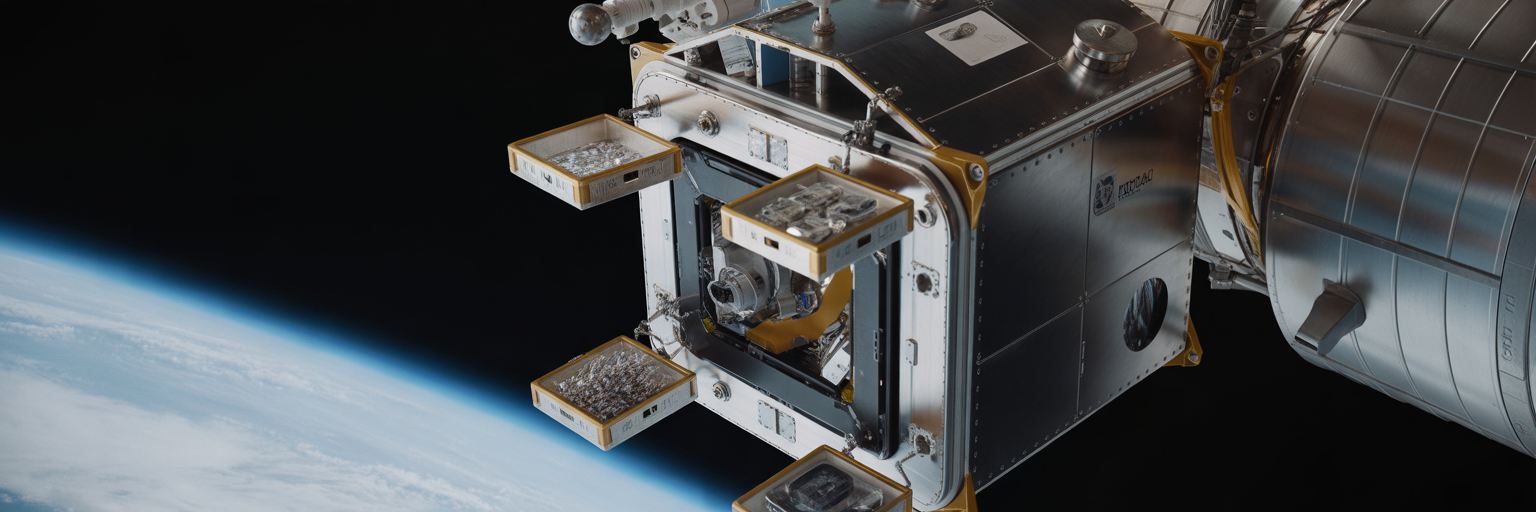
Theories about microbial resilience are one thing, but proving them requires putting life to the ultimate test. For decades, scientists have been conducting astrobiology research by sending microorganisms into low Earth orbit. Using platforms like the EXPOSE facility mounted on the exterior of the International Space Station, researchers can study life in true space conditions. The methodology is direct: trays of bacteria, fungi, and archaea are exposed to the harsh environment. Some samples are shielded from UV radiation, while others face the full, unfiltered power of the sun. This allows scientists to isolate the effects of the vacuum, temperature extremes, and different types of radiation. As a comprehensive review from the National Center for Biotechnology Information (NCBI) discusses, these experiments have moved our understanding from speculation to fact. The findings from this research, which relies on advanced orbital technology, have been groundbreaking.
- Confirmed Survival: Diverse microbes, including bacteria and lichens, have been shown to survive for multiple years in space.
- The Importance of Shielding: The experiments demonstrated that even a thin layer of dust or rock dramatically increases survival rates by blocking UV radiation.
- Data for Planetary Protection: These results provide concrete data for developing protocols to prevent us from contaminating other worlds with Earthly microbes.
Implications for Life Beyond Our Planet
The discovery that extremophiles in space can endure such conditions has profound implications. It breathes new life into the panspermia hypothesis, the idea that life could be transported between planets on meteorites. If a microbe can survive a multi-year journey in space, the transfer of life from, say, Mars to a young Earth becomes far more plausible. This research also refines our search for life on other planets. Instead of looking for active ecosystems, we might search for dormant, spore-like organisms buried in the Martian soil or suspended in the subsurface oceans of icy moons like Europa. Finally, these findings underscore the critical importance of planetary protection. We now know that our spacecraft could inadvertently carry terrestrial hitchhikers to other worlds. These tiny survivors force us to reconsider the boundaries of life, suggesting it may not be a fragile, terrestrial exception but a persistent, cosmic phenomenon. As we continue to explore, we are reminded that there is always more to discover, and you can follow every step of that journey right here on Nature Is Crazy.