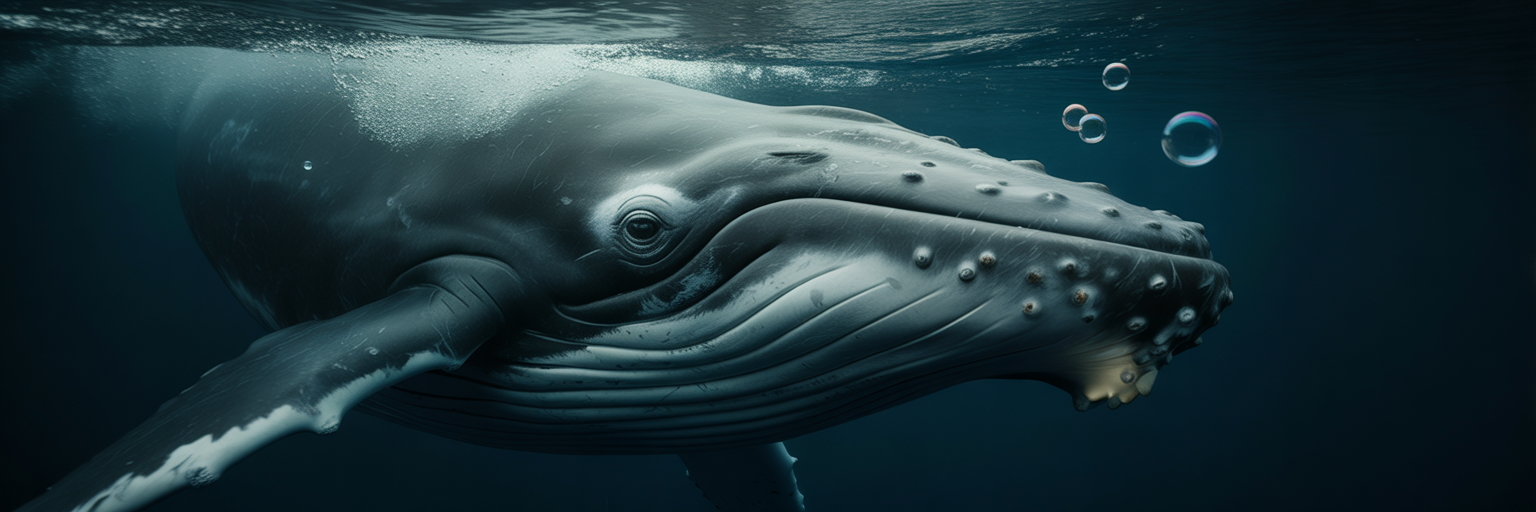
The Unsettling Art of Weaponized Air
Out in the crushing, silent dark of the ocean, a weapon is being built. It has no sharp edges, no weight, and no substance. It is a cage made of breath, a wall constructed from nothing more than captured air. Imagine a prison whose bars are so fragile they pop on contact, yet it is inescapable. This is not science fiction. It is a hunting strategy so bizarre, so profoundly strange, that it feels like it was conceived in a dream.
What kind of mind thinks to turn its own exhalation into a tool of death? Most predators rely on teeth, claws, or brute force. They use the solid, reliable tools of the physical world. But this creature engineers a trap from the ephemeral. It weaves a net from shimmering spheres, each one a tiny, perfect prison cell. The result is a shimmering cylinder of confusion, a circular wall that appears from the depths with no warning.
This method represents a truly weird animal tool use, a tactic that defies our expectations of how life operates. It is a feat of biological engineering that seems almost magical. How does a creature command its own breath with such precision that it can build a structure in the water? How does it create a barrier that can contain a panicked swarm of prey without ever laying a fin on them? The sheer audacity of it is unsettling.
The architect of this ghostly weapon is not some horrifying abyssal monster with too many teeth. In fact, it is an animal we think we know. We see it as a gentle giant, a peaceful singer of the deep. But this perception hides a cold, calculating mind with a talent for tactical warfare. Hidden beneath that serene exterior is a master strategist, an engineer who has perfected the art of turning air into a weapon.
Meet the Ocean’s Bubble-Blowing Overlord
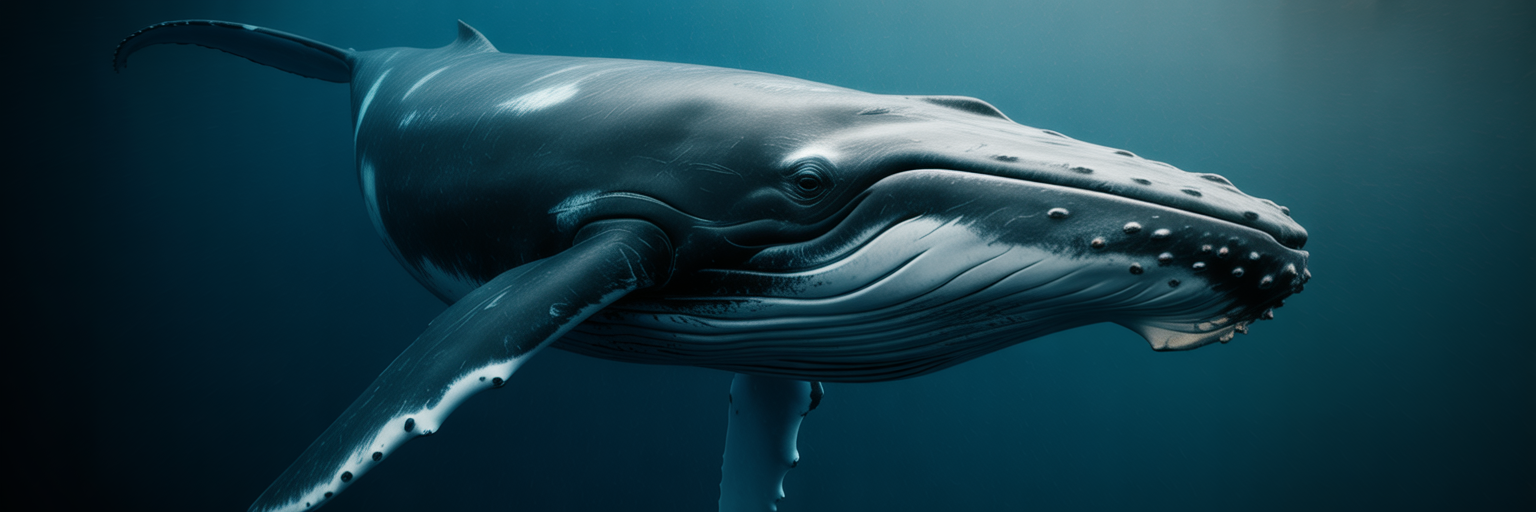
The mastermind behind this ethereal trap is the humpback whale. Forget the serene images from nature documentaries for a moment. The gentle giant persona is just good public relations. In reality, the humpback is an underwater engineer, an aquatic tactician with a flair for the dramatic. They are the animal that uses bubbles as tools, and they are terrifyingly good at it.
This behavior, known to science as humpback whale bubble net feeding, is not some random, instinctual act. It is a learned skill, a complex technique passed down through generations. This places humpbacks in an elite club of intelligent animals that manufacture and use tools. They are not just blowing bubbles for fun. They are constructing a purpose-built device for mass capture. Their massive lung capacity and powerful blowholes are the biological hardware, but the software is pure, unsettling genius.
So why go to all this trouble? Because it is a brutally effective solution to a difficult problem. Humpbacks are enormous and relatively slow, while their preferred food, like krill and small fish, is tiny, fast, and travels in agile schools. Chasing them down one by one would be a waste of energy. The bubble net is the whale’s answer. It is a tool that allows a single, massive predator to efficiently corral hundreds of small, panicked victims into a single, bite-sized ball.
What makes this even more unnerving is that it is a cultural tradition. Not all humpback populations do this. It is a learned behavior, a piece of tactical knowledge shared within a group. This implies a level of social learning and communication that is deeply sophisticated. Nature is full of unsettling creations that defy belief, but a creature that teaches its young how to build cages out of thin air is in a class of its own.
The Blueprint for a Perfect Bubble Trap
The creation of a bubble net is not a chaotic burst of air. It is a precise, multi-stage operation executed with the focus of a seasoned hunter. Each step is deliberate, a testament to the whale’s understanding of physics, biology, and the psychology of its prey. Here is how the perfect trap is set.
Step 1: The Reconnaissance Mission
The hunt begins with surveillance. The humpback whale circles a school of fish or krill from below, assessing its size, density, and movement. This is not a blind attack. The whale is gathering intelligence, ensuring the target is worth the energy expenditure. It is a moment of quiet calculation before the chaos begins.
Step 2: The Spiral of Doom
Once the target is selected, the whale dives deep beneath the unsuspecting school. Then, it begins its ascent in a slow, deliberate spiral. As it rises, it releases a steady stream of air from its blowhole. The path is not random. It is a carefully plotted corkscrew, designed to create the foundation of the circular prison. The precision required is immense, like an artist sketching the outline of their masterpiece.
Step 3: Weaving the Ephemeral Net
This is the moment of creation. The bubbles, released during the spiral, rise to the surface, forming a continuous, shimmering curtain. This is the answer to how do whales use bubbles. They are not just blowing a cloud. They are constructing a wall. The bubbles merge into a cylindrical net that can be anywhere from 15 to 100 feet in diameter. The intricate process of bubble-net construction has been documented by researchers, and as a 2024 study in a Royal Society journal confirms, humpbacks manufacture these nets as tools to significantly increase their prey intake. The prey is now officially trapped inside a cage made of air.
Step 4: The Final, Devastating Lunge
With the trap set, the final act begins. The whale, positioned perfectly beneath the concentrated ball of prey, lunges vertically toward the surface. Its mouth opens to a cavernous size, engulfing the entire school of trapped, terrified creatures in a single, massive gulp. The water drains from its baleen plates, leaving only the meal. The ephemeral net dissipates, leaving no trace of the perfectly executed hunt.
Why a Wall of Air Is So Terrifyingly Effective

At first glance, a bubble net seems like a flimsy trap. A fish could theoretically swim right through it. But its genius lies in sensory and psychological warfare. The whale is not just building a physical barrier. It is exploiting the instincts of its prey with a multi-layered attack. This is one of nature’s most intelligent whale hunting techniques, a masterclass in manipulation.
The effectiveness of the bubble net comes down to three key factors:
- The Visual Barrier: To a small fish, the shimmering, opaque wall of bubbles does not look like air. It looks like a solid, confusing mass. The light reflecting off thousands of individual spheres creates a visual barrier that prey are instinctively unwilling to cross. It hides the world outside the trap and, more importantly, it hides the enormous predator lurking just below.
- The Acoustic Wall: The sound of thousands of bubbles rising and popping creates a curtain of noise. This cacophony disorients the prey, whose own communication is drowned out. It also serves a more sinister purpose: it masks the sound of the 50-ton whale surging up from the depths. The prey is deafened right before it is devoured.
- The Psychological Fence: The combination of the visual and acoustic walls creates a powerful psychological fence. The fish are herded into a tight, panicked ball at the center of the net, driven by a primal fear of the strange, noisy barrier surrounding them. They are too scared to test the wall, so they cluster together, making themselves an easy target.
This level of tactical thinking is as surprising as learning about animals that can survive being swallowed and emerge unharmed. It is a strategy that turns the whale’s weaknesses, its size and relative lack of speed, into strengths.
The Coordinated Chaos of a Whale Hunting Party
As if a single, bubble-wielding mastermind was not unsettling enough, humpback whales sometimes hunt in teams. This is where the behavior moves from clever to downright creepy. A coordinated bubble-net hunt is a display of silent, synchronized teamwork that would make a military strategist proud. It is an organized assault, executed with a level of cooperation that feels alien.
In these hunting parties, different whales take on specific roles. One whale might be the designated “bubble-blower,” responsible for creating the net with precision. Others may act as “herders,” using vocalizations and their massive bodies to drive fish toward the trap and keep them from escaping. These calls are not random noises. They are part of the plan, designed to manipulate the prey into the kill zone.
The coordination is flawless. Imagine several 40-ton animals moving in perfect harmony in the dark water, executing a complex plan without a single spoken word. This implies a shared understanding of the strategy, a form of communication we can barely comprehend. They are like a silent, underwater SWAT team, each member knowing their role and trusting their partners to execute theirs. This is not just hunting. It is a dark, cultural ritual, a tradition of tactical excellence passed down through the pod.
Redefining Intelligence One Bubble at a Time
For a long time, we considered complex tool manufacturing to be a uniquely human trait. Then we discovered crows bending wires and chimps using sticks to fish for termites. But the humpback whale forces us to expand our definition of intelligence even further. The animal that uses bubbles as tools is doing something profoundly different. It is manufacturing a complex tool from a non-solid substance: its own breath.
This behavior implies advanced cognitive skills. It requires foresight to plan the attack, abstract thought to understand that air can form a barrier, and adaptive problem-solving to adjust the net’s size and shape for different prey. Recent findings, highlighted by sources like Phys.org, confirm that humpbacks do not just create these nets but actively wield them, placing them among the few non-human animals known to manufacture and use tools.
This forces us to ask some unsettling questions. If a whale can engineer its environment with such mastery, what other complex thoughts are happening in that enormous mind? We see them as majestic, but their intelligence is alien to us. It is a consciousness shaped by the pressures of a world without light, a world of sound and vibration. The existence of such abilities in other species, like creatures that can shut down pain signals at will, reminds us how little we truly understand about the minds of other animals. The bubble net is not just a feeding trick. It is a window into an intelligence that is both profound and deeply strange.
The Gentle Giant Is a Myth
The humpback whale is a master of deception. We have cast it in the role of the peaceful, singing giant of the sea, a symbol of gentle majesty. But that is a story we tell ourselves. The reality is far more complex and unsettling. The humpback is an active, cunning, and highly intelligent engineer of death.
They have mastered the art of turning one of nature’s most fragile substances into a deadly weapon. They build cages from air, weave nets from their own breath, and execute their hunts with the cold precision of a seasoned tactician. The gentle giant is a myth. The truth is an overlord of the deep, a creature whose mind operates on a level we are only just beginning to appreciate.
So, the next time you see a picture of a humpback whale breaching gracefully against the sunset, remember what lies beneath the surface. Remember the hidden genius, the strategic mind, and the ability to build a perfect trap from nothing. Sleep well, knowing that somewhere out in the dark, an underwater mastermind is plotting its next meal with a handful of bubbles.