Imagine an assassin who forges no weapons. Instead, they walk through a battlefield of their own making, calmly plucking daggers from the fallen and poisons from their victims, hoarding them for later use. This isn’t the plot of a grim thriller. It’s a survival strategy perfected by some of nature’s most devious creatures. They carry a deadly arsenal they have no right to possess, building a fearsome reputation on a foundation of pure, unadulterated theft. This is the unsettling world of biological identity theft, where an animal can be lethal without producing a single drop of its own poison.
Before we unmask these criminals, let’s clear up a common misunderstanding. A poisonous creature is toxic if you eat it. Think of a toxic mushroom. A venomous creature, on the other hand, injects its toxins, like a rattlesnake. But there exists a third, far stranger category: the chemical thieves. These are the animals that steal poison, consuming toxic organisms and hijacking their chemical defenses for themselves. It’s a strategy of breathtaking audacity. They don’t just survive eating poison; they actively seek it out, collect it, and store it in their own bodies.
This isn’t just about defense. It’s about advertising. Many of these creatures flaunt their stolen power with shockingly bright colors, a biological billboard that screams, “I am dangerous, try me if you dare.” The irony is that their entire warning system is a bluff built on borrowed lethality. Without their toxic diet, they are completely harmless. They are impostors, con artists of the highest order, who have figured out that in the brutal economy of the wild, it’s often easier to steal a reputation than to build one. Their existence is a creepy testament to evolution’s preference for whatever works, no matter how unfair it seems.
The Science of Chemical Grand Larceny
Moving from the crime scene to the laboratory, this biological heist has a formal name: toxin sequestration. The term sounds clinical, but it describes a process of pure criminal genius. It’s the act of acquiring chemical compounds from an external source, safely storing them without self-harm, and then deploying them against predators. Think of a mob boss meticulously sorting and storing contraband in a hidden warehouse, ready to be used at a moment’s notice. These animals have perfected this art on a cellular level, turning their bodies into living arsenals of stolen goods.
What is Toxin Sequestration?
At its core, toxin sequestration is a three-step process. First comes the acquisition. The animal must consume something poisonous. Next, it has to transport those toxins through its own body without, well, dying. Specialized proteins often act as molecular bodyguards, binding to the toxins and escorting them to designated storage areas, like the skin or liver. Finally, the toxins are concentrated in these tissues, turning the animal into a walking chemical weapon. The entire system is a marvel of biological engineering, allowing these creatures to handle substances that would kill almost anything else.
The Heist: How Toxins are Acquired
The primary method for this grand larceny is dietary. The thieves simply eat their weapons. A frog eats a toxic beetle, a caterpillar munches on a poisonous leaf, or a sea slug dines on a stinging anemone. By consuming these sources, they absorb the toxins directly into their system. A less common but equally sneaky method is through environmental absorption, where toxins are taken in through the skin. Regardless of the method, the outcome is the same. The animal becomes a vessel for another organism’s power, a living testament to the old adage, “you are what you eat.”
The Evolutionary Shortcut
So why go through all this trouble? Why not just make your own poison? The answer is simple: it’s an incredible evolutionary shortcut. Manufacturing complex toxins from scratch is metabolically expensive. It requires a huge amount of energy and specific genetic machinery. Stealing them is far more efficient. It’s like a rogue chef who forages for the world’s most potent chili peppers instead of spending months growing their own. They just need to learn how to handle the heat without getting burned. This is precisely how animals use toxins they didn’t create. This efficiency contrasts sharply with other strange survival methods, such as the incredible creature that can hear with its knees, showcasing the diverse and sometimes baffling toolkit of evolution.
Case File: The Poison Dart Frog
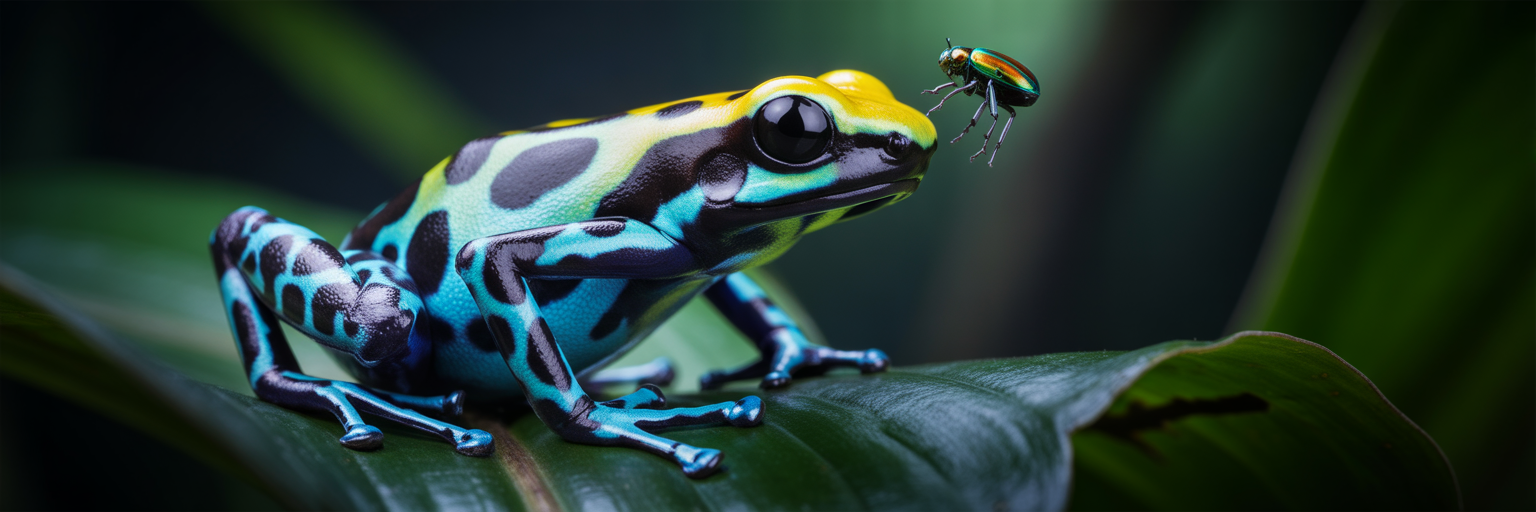
If there were a poster child for toxin sequestration, it would be the poison dart frog. These tiny, jewel-toned amphibians are infamous for their lethality, yet their deadliness is a complete fabrication. They are masters of chemical plagiarism, and their entire existence is built upon the toxins they steal from the insects they consume. This makes them a perfect case study in how to build a terrifying reputation on borrowed time and borrowed poison.
A Billboard of Stolen Danger
The first thing you notice about a poison dart frog is its color. Shocking blues, electric yellows, and fiery oranges paint its skin. This isn’t for decoration. It’s a classic example of aposematism, or warning coloration. The colors are a billboard that advertises a clear message: “I am incredibly toxic, and eating me would be the last mistake you ever make.” Predators learn to associate these vibrant hues with a painful, or even fatal, experience. The source of this power isn’t internal. It comes from a specific diet of ants, mites, and beetles found in their native rainforest habitats. These tiny insects produce potent alkaloids, and the frogs accumulate these compounds in their skin, turning themselves into a vibrant, walking biohazard.
The Smoking Gun: Captivity vs. The Wild
Here is the most compelling piece of evidence, the smoking gun that proves their guilt. Poison dart frogs raised in captivity and fed a diet of non-toxic fruit flies and crickets are completely harmless. You could handle them without any issue. They retain their bright colors, but the warning is an empty threat. Their toxicity is 100% acquired from their wild diet. This simple fact provides undeniable proof of their status as chemical thieves. As research detailed in a report by Science Array confirms, poison dart frogs acquire potent batrachotoxins directly from the insects they consume, making their environment the true source of their power.
Weaponizing a Stolen Defense
The potency of these stolen toxins is chilling. The golden poison frog, for example, sequesters batrachotoxin, one of the most powerful neurotoxins known to science. A single frog carries enough poison to kill several adult humans. For centuries, indigenous communities in South America have understood this power, carefully rubbing the tips of their blowgun darts on the frogs’ skin. This act weaponizes a stolen defense, turning a passive deterrent into an active hunting tool. It’s a stark reminder that in nature, the line between defense and offense is often just a matter of application. These incredible poison dart frog facts reveal a creature that is not just a thief, but also an unwilling arms dealer.
| Frog Species | Primary Toxin Source (Diet) | Key Alkaloid Toxin | Relative Danger Level |
|---|---|---|---|
| Golden Poison Frog (Phyllobates terribilis) | Melyrid Beetles (Choresine) | Batrachotoxin | Extreme: Enough toxin to kill 10-20 humans |
| Blue Poison Dart Frog (Dendrobates tinctorius ‘azureus’) | Ants and Mites | Pumiliotoxins, Histrionicotoxins | High: Causes pain, swelling, and muscle paralysis |
| Green-and-Black Poison Dart Frog (Dendrobates auratus) | Formicine Ants | Pumiliotoxins | Moderate: Unpleasant taste and numbing sensation |
| Strawberry Poison Dart Frog (Oophaga pumilio) | Mites and Formicine Ants | Pumiliotoxins | Variable: Toxicity differs greatly by population diet |
The Feathered Felon of New Guinea
When you think of poisonous animals, birds probably don’t come to mind. Yet, hidden in the forests of New Guinea lives a feathered felon that has mastered the art of toxin sequestration. The hooded pitohui is one of the only known poisonous birds, and its story is a chilling reminder that these chemical thieves can come in the most unexpected forms. Its existence proves that this sinister strategy is not limited to the world of amphibians and insects.
The Unassuming Assassin
Unlike the flashy poison dart frog, the hooded pitohui bird is rather plain. With its black and chestnut plumage, it looks like any other unassuming songbird. There are no bright warning colors, no overt signs of danger. This makes its secret weapon all the more unsettling. It’s a creature that hides its lethality in plain sight, an assassin masquerading as an ordinary citizen. Predators that try to make a meal of the pitohui get a nasty surprise, a burning sensation in the mouth that serves as a harsh lesson in judging a book by its cover.
A Shocking Discovery
The toxicity of the pitohui was discovered by accident. In 1989, researcher Jack Dumbacher was handling the birds while studying them in New Guinea. He got scratches on his hands and, without thinking, put his fingers in his mouth. He immediately experienced a burning and numbing sensation. At first, he suspected a plant was the cause, but he soon realized the toxin was coming from the birds themselves. The accomplice was eventually unmasked: a small beetle from the Melyridae family. This beetle, which the pitohui eats, contains the same class of potent neurotoxins, batrachotoxins, found in the most dangerous poison dart frogs. The bird was stealing its chemical arsenal from its lunch.
A Full-Body Chemical Armor
The pitohui stores these stolen toxins in its skin and feathers, creating a full-body chemical armor. This defense is incredibly effective. It not only deters larger predators like snakes and hawks but also repels parasites like lice and ticks. The contrast with the poison dart frog is striking. While the frog loudly advertises its danger with aposematism, the pitohui’s toxicity is a hidden, nasty surprise. This form of deception is a clever trick, thematically similar to the cunning bird that builds fake doors to confuse predators. It proves that chemical thieves come in all forms, from the brazenly flamboyant to the quietly treacherous.
A Rogues’ Gallery of Chemical Thieves
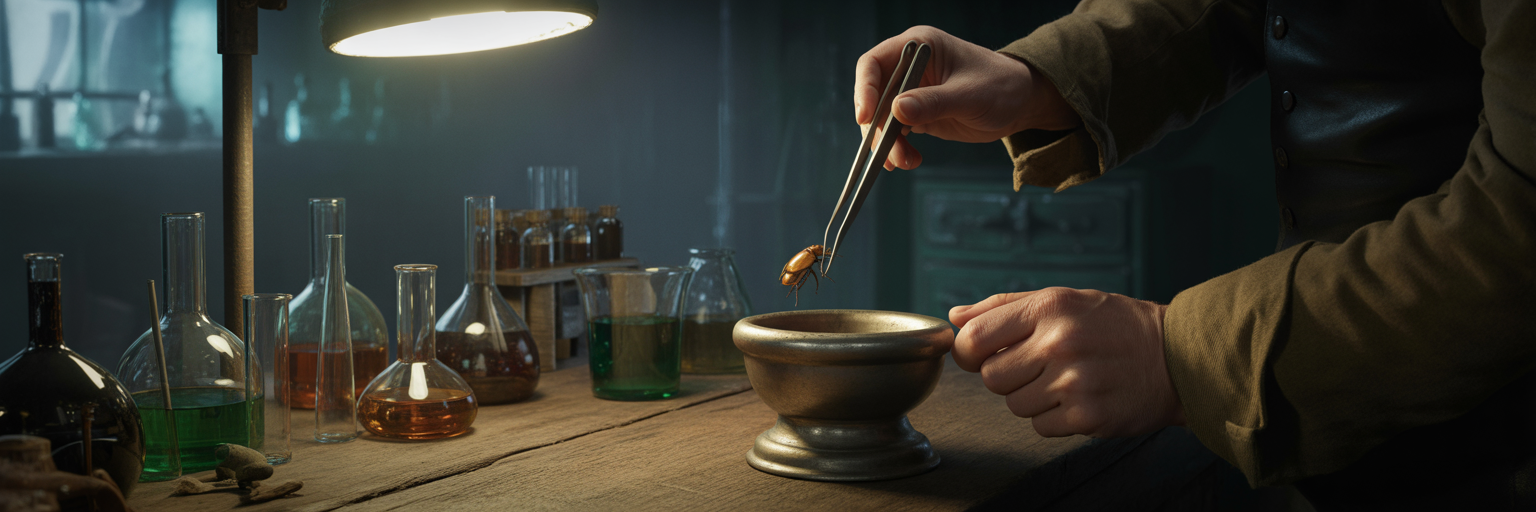
The poison dart frog and the hooded pitohui are just two of the most notorious members of this criminal underworld. The strategy of toxin sequestration is surprisingly widespread, employed by a diverse lineup of creatures across the animal kingdom. This rogues’ gallery showcases the sheer variety of nature’s chemical criminals, each with its own unique method for stealing and weaponizing poison. It seems that once evolution stumbled upon this dirty trick, it couldn’t help but reuse it.
Here are a few more of nature’s most wanted chemical thieves:
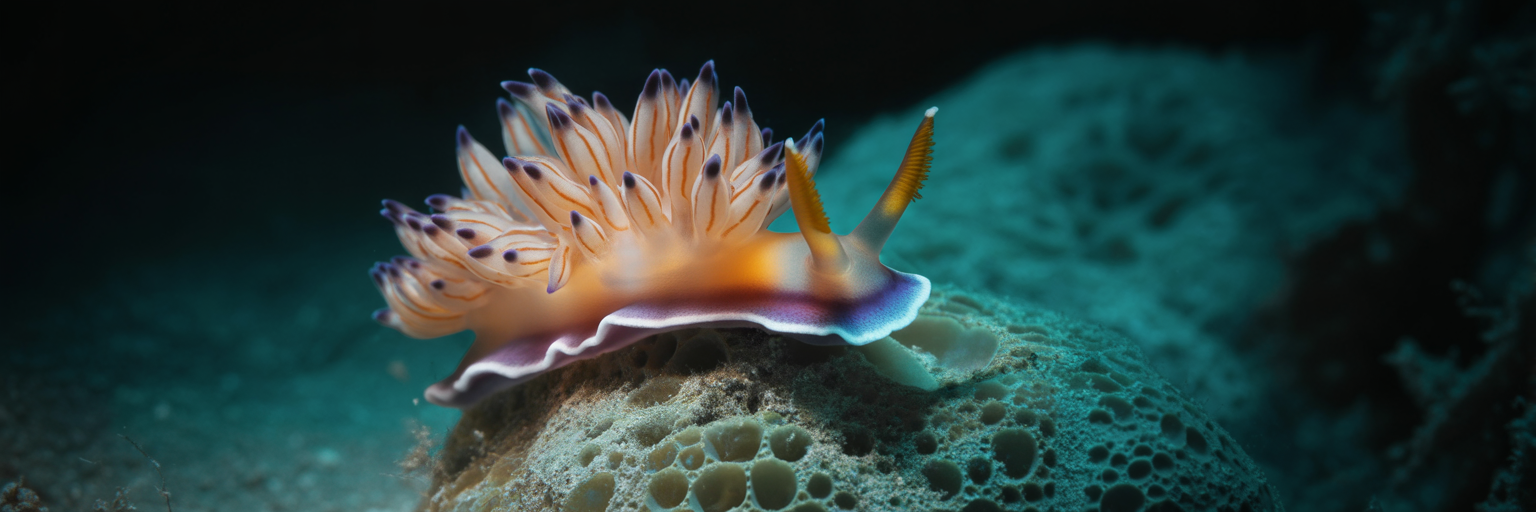
- Nudibranchs (Sea Slugs): Often called the “butterflies of the sea” for their stunning colors, these shell-less mollusks are brazen thieves. They feed on jellyfish and anemones, but instead of digesting the stinging cells, or nematocysts, they steal them. The nudibranch moves these stolen weapons to its own skin, incorporating them into its body as a ready-made defense. This bizarre heist is reminiscent of another strange thief, the sea slug that steals sunshine by hijacking chloroplasts.
- Common Garter Snakes: Not all garter snakes are poisonous, but certain populations in the American West have entered a co-evolutionary arms race with the rough-skinned newt. These newts are incredibly toxic, but the snakes have evolved a resistance. They eat the newts and store the neurotoxins in their liver, becoming poisonous themselves. A predator that eats the snake will get a dose of the newt’s poison, a second-hand defense that proves fatal.
- Monarch Butterflies: This is one of the most classic aposematism examples. The monarch caterpillar feeds exclusively on toxic milkweed plants, storing cardiac glycosides in its body. These toxins make both the caterpillar and the adult butterfly unpalatable to birds. A bird that eats a monarch gets sick, and it quickly learns to avoid the butterfly’s distinct orange and black pattern. The monarch’s beauty is a warning, paid for by a poisonous diet.
- Other Accomplices: The list goes on. Certain grasshoppers that feed on toxic plants, sea hares that steal chemicals from algae, and various insects all employ this strategy. As a National Geographic article explains, many of these animals have evolved specific mutations to avoid poisoning themselves with their acquired chemicals, a crucial adaptation for any successful thief.
The Perfect Crime: How They Get Away With It
This all leads to one burning question: how do these animals handle deadly poisons without dying themselves? If a single golden poison frog has enough toxin to kill a human, how does the frog itself survive? The answer lies in a combination of specialized internal systems and genetic modifications that amount to the perfect crime. They have evolved the biological equivalent of a custom-built hazmat suit, allowing them to carry a lethal payload with complete immunity.
Molecular Bodyguards
Once a toxin is ingested, it can’t just be allowed to roam free through the body. Many of these animals have developed specialized transport proteins that act as molecular bodyguards. These proteins bind to the toxin molecules, effectively neutralizing them and preventing them from interacting with sensitive nerve or muscle cells. They then safely escort the toxins to designated storage sites, such as glands in the skin or the liver. This process is like having a highly trained security detail for every poison molecule, ensuring it gets locked away without causing any collateral damage.
The Genetic Lock-and-Key
The most elegant part of their immunity lies in genetic mutations. Many neurotoxins, like the batrachotoxin used by the pitohui and dart frogs, work by binding to sodium channels in nerve cells, forcing them open and causing paralysis. It’s like a key (the toxin) fitting into a lock (the sodium channel). These chemical thieves have evolved a brilliant defense: they changed the lock. Small genetic mutations have altered the shape of their sodium channels just enough so that the toxin “key” no longer fits. The poison is still present in their bodies, but it has no effect on their own nervous system. This biological mastery over foreign substances is fascinating. The animal’s body has perfected the art of integrating complex systems without disruption, a principle vital for ensuring stability whether in biology or in modern finance, as seen in the challenge of integrating financial intelligence without core system disruption.
Why Being a Chemical Thief Pays Off

In the end, the immense evolutionary benefits of toxin sequestration make it clear why this strategy is so successful. It provides a powerful, life-saving defense without the high energy cost of producing toxins internally. It’s a low-cost, high-reward system that gives these creatures a significant edge in the brutal game of survival. By stealing poison, an animal also steals the right to use warning colors, effectively bluffing predators with a threat it didn’t have to create.
Toxin sequestration is one of nature’s most cunning and fundamentally unfair cheat codes. It’s a testament to the ruthless efficiency of evolution, where survival often depends not on what you are, but on what you can steal. The world of animal survival is filled with such bizarre and effective strategies. If you found the concept of toxin theft fascinating, you might also be interested in exploring how tiny insects survive fungal artillery fire, another incredible tale of microscopic warfare.