Nature’s Macabre Architects
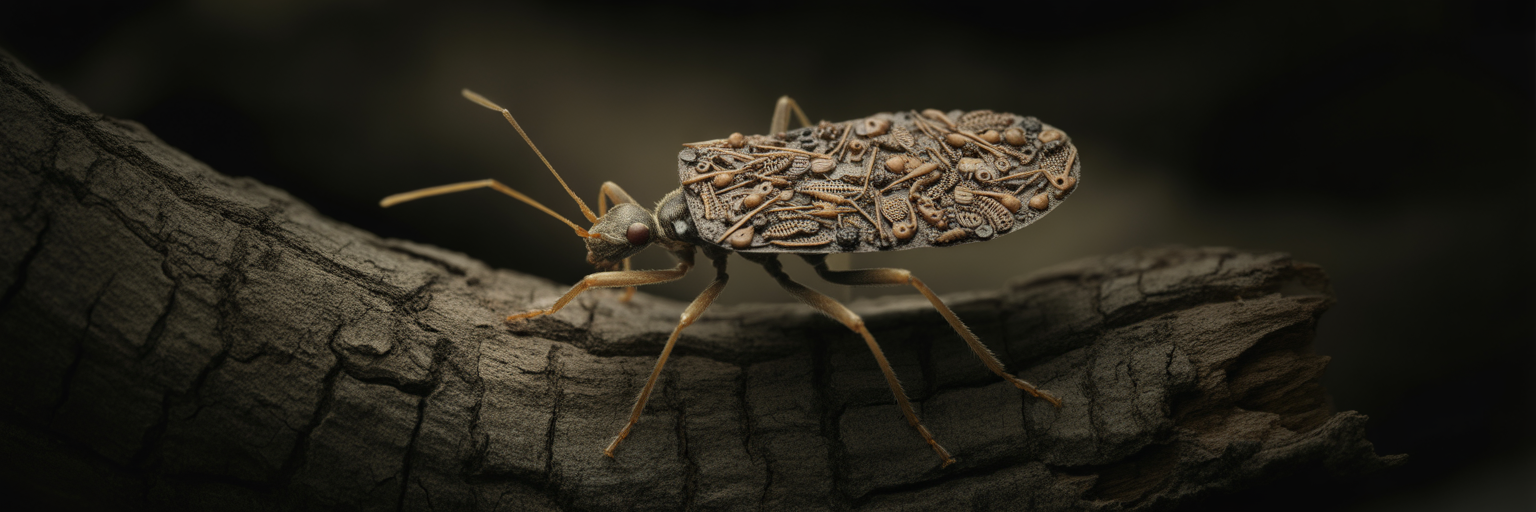
Imagine walking through a forest and noticing a small, shambling pile of ant carcasses moving with an unnatural purpose. It jitters across a leaf, a grotesque mound of legs and antennae twitching as one. This is not some strange fungus or a trick of the light. It is an insect, and it has built its armor from the bodies of its vanquished foes. This behavior, a form of active debris-carrying, goes far beyond the passive mimicry of a stick insect. It is a deliberate, calculated act of construction.
The quintessential artist of this grim craft is the nymph of the assassin bug, Acanthaspis petax. This tiny predator does not just kill; it repurposes. Each kill becomes another brick in its mobile fortress, a shield made of the dead. This strategy immediately raises questions. What drives an insect to adopt such a macabre defense? How does it even build this gruesome cloak, and what advantage does it possibly confer?
This behavior is one of nature’s weirdest insect survival strategies, a stark reminder that in the world of invertebrates, the line between predator, prey, and building material can become horrifyingly blurred. It forces us to look at survival through a different lens, one where efficiency trumps any sense of decorum. Which other insects practice this? How do they construct these shields? And what does it reveal about the brutal realities of the natural world?
The Assassin in a Corpse Cloak
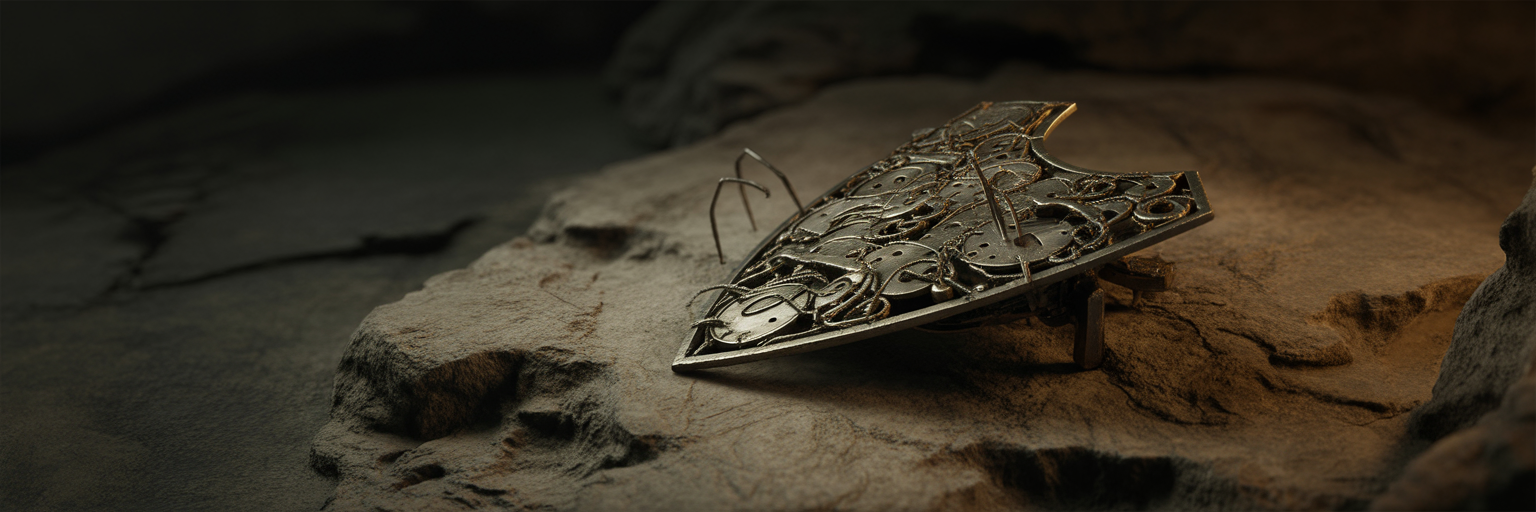
To understand this behavior, we must look closely at its most famous practitioner, the assassin bug nymph. The life of this insect is a masterclass in brutal efficiency, and its method for creating its corpse shield is a detailed, step-by-step process. The Acanthaspis petax behavior is not random; it is a refined hunting and defensive system that has been perfected over millennia.
The process unfolds in a chilling sequence:
- The Hunt: The nymph is an ambush predator. It lies in wait for its preferred prey, typically ants. When an unsuspecting ant wanders too close, the nymph strikes with incredible speed, using its sharp, piercing proboscis to puncture the ant’s exoskeleton.
- The Kill: Once the ant is impaled, the nymph injects a potent, paralyzing saliva. This venom not only immobilizes the victim but also contains powerful enzymes that liquefy its internal tissues. The nymph then uses its proboscis like a straw, drinking the dissolved contents of the ant’s body.
- The Construction: After draining the ant, the nymph is left with a hollow exoskeleton. It then meticulously hoists this empty husk onto its back. Using specialized hooked bristles and sticky secretions, it secures the carcass, adding it to a growing pile of its previous victims.
This “corpse cloak” serves a critical defensive purpose. The primary function is visual and physical protection. As noted in research highlighted by Smithsonian Magazine, this pile of dead ants makes the nymph a less appealing target for predators like jumping spiders. A spider that sees a heap of dead ants may not recognize it as a single, living meal and move on. The assassin bug camouflage is a form of misdirection, turning the hunter into what looks like a pile of refuse.
Beyond visual trickery, scientists also propose an “olfactory camouflage” hypothesis. The ant carcasses may mask the nymph’s own scent, making it harder for predators that hunt by smell to detect it. Alternatively, the collective scent of the dead ants could make the nymph smell like a formidable ant colony, deterring predators that would rather not risk a confrontation with a swarm of angry ants. This multi-layered defense makes the gruesome backpack a remarkably effective tool for survival.
The Evolutionary Logic of Wearing the Dead
Why would an insect evolve to carry such a heavy and cumbersome burden? The answer lies in a simple, brutal cost-benefit analysis driven by intense evolutionary pressure. For small, soft-bodied nymphs, the world is an incredibly dangerous place. They are slow, vulnerable, and a perfect meal for a huge range of predators, from spiders to birds to other insects. In this context, any adaptation that increases the odds of survival, no matter how strange, is likely to be favored by natural selection.
Carrying a shield of corpses is energetically expensive. The load can be several times the nymph’s own body weight, slowing it down and requiring significant effort to move. This is a high-risk, high-reward strategy. The survival advantage gained from the armor must be immense to outweigh the costs of reduced mobility and energy expenditure. The fact that this behavior has evolved independently in several insect lineages proves just how effective it is.
The corpse armor is not just a simple shield; it is a multi-functional defense system. The benefits and trade-offs show a complex evolutionary calculation, similar to how some animals have developed extreme regenerative abilities, like those that can regrow skin stronger than before. Each aspect of the armor provides a layer of protection, but it comes at a price.
| Defensive Mechanism | Primary Survival Benefit | Evolutionary Cost / Trade-Off |
|---|---|---|
| Visual Camouflage | Blends in with debris, appearing as an inanimate or unappetizing object to visual predators. | Requires constant maintenance and finding suitable materials; may not be effective in all environments. |
| Physical Barrier | The carcass pile acts as a literal shield, absorbing or deflecting attacks from predators like spiders or other insects. | Significant energy expenditure to carry the heavy load, which can reduce mobility and speed. |
| Chemical Deterrence | Retains defensive chemicals (e.g., formic acid from ants) from prey, making the package taste bad or irritating. | Dependent on consuming specific prey; the chemical defense may not deter all types of predators. |
| Olfactory Camouflage | Masks the insect’s own scent or mimics the scent of a formidable ant colony, confusing predators that hunt by smell. | Effectiveness is highly dependent on the freshness of the carcasses and the specific olfactory senses of the predator. |
This table illustrates that wearing the dead is a sophisticated solution to a life-or-death problem. It is a testament to how evolution can produce brutally practical solutions when the stakes are high enough.
A Gallery of Nature’s Corpse Collectors
The assassin bug is not alone in its macabre habit. The strategy of using external materials for defense has evolved independently in several different insect groups, a phenomenon known as convergent evolution. This gallery showcases some of the other remarkable insects that use debris for defense, each with its own unique style. The sheer strangeness of these behaviors aligns with other bizarre phenomena in the animal kingdom, reminding us of nature’s unsettling creations that defy belief.
The ‘Trash Bugs’: Lacewing Larvae
Often called “trash bugs,” the larvae of many lacewing species are voracious predators of aphids. Using their sickle-like jaws, they pierce and drain their prey, much like assassin bugs. But instead of just stacking the bodies, they flip the empty husks onto their backs and mix them with bits of lichen, bark, and other plant debris. The result is a messy, mobile trash pile that provides excellent camouflage against the tree bark and leaves where they hunt. To a predator, they look like nothing more than a random bit of forest floor detritus.
The ‘Bone-Collector’: A Macabre Moth Larva
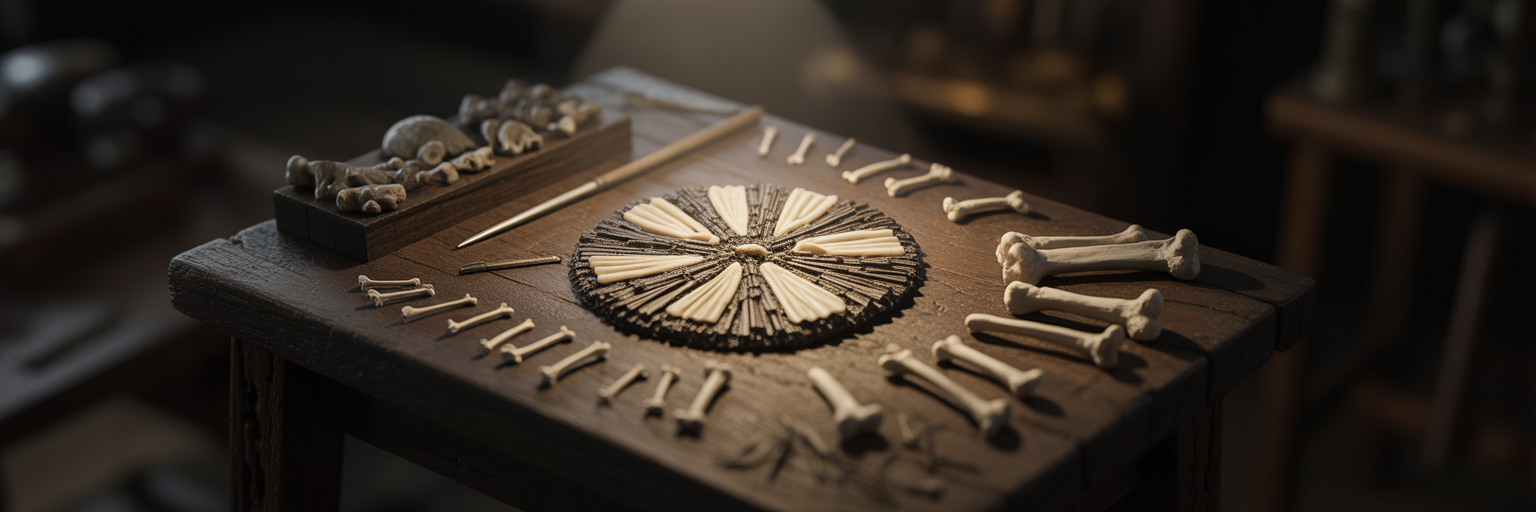
Perhaps even more unsettling is a species of bagworm moth larva discovered in Peru. As reported by National Geographic, this caterpillar constructs its protective case not from leaves or twigs, but almost exclusively from the skeletal remains of insects it finds, particularly ants. It meticulously weaves these “bones” together with silk, creating a spiky, cage-like structure that it drags along as it moves. This “bone-collector” caterpillar has created a truly macabre mobile home, a testament to nature’s dark ingenuity.
The ‘Dust Bunnies’: Masked Hunter Bugs
Bringing this behavior a little closer to home is the masked hunter bug. The nymphs of this species, often found in dusty corners of human houses, cover themselves in a layer of dust, lint, sand, and other fine particles. While their primary building material is inanimate, they will readily incorporate insect parts and other organic debris into their camouflage. This coating helps them ambush prey like bed bugs and other small household pests. So, that moving dust bunny in the corner of your room might just be a tiny predator in disguise.
This strategy is not unique to insects. In the marine world, decorator crabs exhibit a similar behavior, attaching sea anemones, sponges, and seaweed to their shells for camouflage and defense. It is a powerful example of how different branches of the animal kingdom have arrived at the same brilliant, if sometimes gruesome, solution to the universal problem of survival.
The Engineering of a Carcass Shield
How is it physically possible for a tiny insect to build and carry such a complex and heavy structure? The answer lies in a suite of remarkable biomechanical adaptations. This is not just a random pile of junk; it is an engineered shield, built with specialized tools and techniques. The biological engineering involved is a testament to nature’s ingenuity, much like the ability of some organisms that can live inside other living creatures without harm.
Several key anatomical features make this construction possible:
- Specialized Tools: Many of these insects possess hooked setae (bristles) or spines on their backs that act like Velcro, allowing them to grip debris. Assassin bug nymphs have elaborate, tree-like bristles that securely hold carcasses in place. They also have secretory glands that produce a sticky substance, a natural glue to help bind the shield together.
- Construction Techniques: It is not just about piling things on. Some species, like the “bone-collector” caterpillar, use fine silk threads to weave the items together. This creates a surprisingly durable and cohesive structure that will not fall apart as the insect moves. The construction is methodical, with each piece carefully placed for maximum stability and coverage.
- Material Selection: Is the choice of debris random or deliberate? Evidence suggests that some species are highly selective. They actively choose items that offer the best camouflage for their specific habitat. A lacewing larva living on a lichen-covered tree will use more lichen in its pack. This indicates a sophisticated level of behavior, where the insect is assessing its environment and choosing the best materials for the job.
It is notable that this behavior is almost exclusively found in the larval or nymphal stages of these insects. This is because these juvenile forms are typically slow-moving, soft-bodied, and far more vulnerable than their winged, mobile adult counterparts. The armor is a temporary solution for the most dangerous phase of their lives. The physics of the burden is also staggering. The debris pack can weigh two to three times the insect’s own body weight. This is equivalent to a human carrying another person on their back at all times, reinforcing just how critical this high-stakes survival strategy is.
The Unsettling Power of Corpse Camouflage

Why do we find this behavior so much more disturbing than other forms of camouflage? A leopard’s spots or a chameleon’s color change inspire awe, but the image of an insect that wears dead bodies evokes a sense of revulsion. Our reaction is not just about the “ick” factor; it stems from something deeper. It is the active, intentional use of dead bodies as a tool that we find so unsettling.
This act violates a deep-seated human taboo against desecrating the dead. It visually blurs the lines between life and death, predator and scavenger, hunter and graveyard. The insect becomes a walking graveyard, an organism that carries death as an integral part of its life. It subverts our expectations of the natural world. We expect predators to kill and eat their prey. The story is supposed to end there. But to see the predator then pick up the victim’s body and wear it as a coat feels calculated, intelligent, and profoundly macabre.
This feeling is, of course, a purely human projection. Nature is not driven by ethics, aesthetics, or taboos. It is driven by what works. The assassin bug does not care about the sanctity of its victim’s corpse. It only “cares” about what will prevent a jumping spider from eating it. This behavior is a prime example of survival at its most brutally efficient, a concept that can be as fascinating as it is grim, much like the stories of animals that can survive being swallowed and escape alive. Our discomfort reveals more about our own psychology than it does about the insect.
The Ecological Footprint of a Walking Tomb
Beyond the individual drama of predator and prey, these corpse-carrying insects play a distinct role in their ecosystems. Their unique survival strategy has ripple effects that influence the broader food web and the health of their environment. From an ecological perspective, they are more than just a curiosity; they are active participants in the balance of their habitat.
First, as predators, they help control populations of common insects. Assassin bugs and lacewing larvae are effective hunters of ants and aphids, species that can become pests in large numbers. By keeping these populations in check, they contribute to the overall stability of their local ecosystem. Their presence indicates a functioning predator-prey dynamic at the micro-level.
Second, their defense strategy directly impacts the food web. By making themselves unpalatable or invisible to certain predators like spiders, they may inadvertently shift predation pressure onto other, less-defended insects in the same habitat. This is a classic example of a predator-prey “arms race,” where an adaptation in one species (the corpse armor) forces another species (the predator) to evolve new hunting strategies or switch to different prey. These insects thrive in complex, detritus-rich environments like leaf litter, under bark, or in dense vegetation. These habitats provide both the building materials for their camouflage and the cover they need to hunt effectively. The presence of a healthy population of these “trash bugs” could even serve as a bioindicator, signaling a stable and diverse micro-fauna rich in both prey and environmental debris.
A Testament to Brutal Ingenuity
The insect that wears the bodies of its victims as armor is a chilling and fascinating example of evolution in action. This behavior is not a simple quirk but a sophisticated, multi-functional survival strategy that provides visual, physical, and chemical defense. It is a solution that has been arrived at independently by different insect groups, a testament to its effectiveness in the face of intense predation pressure.
This strategy forces us to confront the amoral creativity of the natural world. In the relentless struggle for survival, any resource can be repurposed, even the bodies of one’s enemies. There is no room for sentiment, only for what works. The corpse cloak is a profound demonstration of this principle, a perfect fusion of hunting and defense, life and death.
The insect that wears its victims as armor is more than a biological curiosity; it is a stark and profound testament to the relentless, amoral, and brutally ingenious force of natural selection. For those fascinated by the extremes of the natural world, there are always more incredible stories from nature to explore.