The Paradox of Rest and Readiness
For nearly every creature on Earth, sleep is a biological necessity. It’s the time our bodies use to repair tissue, conserve energy, and consolidate memories, turning the day’s experiences into long-term knowledge. Yet, this period of restoration comes at a steep price: vulnerability. To fall asleep is to become unaware, a state of profound trust that the world will remain safe until morning. For an animal in a hostile environment, this trade-off between rest and risk is a constant, life-or-death calculation.
This raises a fundamental question that evolution had to answer. How does an animal rest when danger is always present? How can a dolphin avoid drowning, or a bird on a week-long flight stay aloft, if sleep requires total shutdown? The answer is one of nature’s most elegant solutions: unihemispheric slow-wave sleep (USWS). It’s a remarkable ability that allows one half of the brain to enter a deep sleep while the other half remains fully alert and functional.
Imagine a security system that can perform its own maintenance without ever going offline. That is essentially what these animals achieve. While one cerebral hemisphere gets its required rest, the other stays on duty, processing sensory information and controlling motor functions. This isn’t a light nap. It is genuine, restorative sleep, just compartmentalized. From dolphins navigating the vast, dark ocean to ducks guarding their flock on a quiet pond, this half-awake state is the key to surviving in a world that never truly sleeps.
Decoding the Half-Awake Brain
So, what exactly is this biological superpower? The concept of unihemispheric sleep explained is surprisingly straightforward. It is a form of sleep where the two hemispheres of the brain desynchronize. One half enters a state of deep, non-REM sleep, characterized by slow brain waves, while the other half remains in a state that is neurologically indistinguishable from wakefulness. This allows an animal to be simultaneously asleep and awake.
The most visible sign of this process is the one that often sparks our curiosity: the single open eye. The open eye is not just passively receiving light. It is actively scanning the environment for threats or changes, and it is directly connected to the awake hemisphere of the brain. Meanwhile, the closed eye corresponds to the hemisphere that is deep in slumber. This creates a perfect surveillance system where vigilance is never fully compromised. The animal can then switch which side is sleeping, ensuring both hemispheres get the recovery they need over time.
This stands in stark contrast to the bihemispheric sleep that humans and most other mammals experience. When we sleep, our entire brain disconnects from the environment. This total shutdown is a luxury many species simply cannot afford. For them, complete unconsciousness would mean drowning, falling from the sky, or failing to notice an approaching predator. Unihemispheric sleep is not a lesser form of rest. It is a highly specialized adaptation for a life of perpetual awareness, proving that for some, survival means never fully letting your guard down.
| Feature | Unihemispheric Sleep | Bihemispheric Sleep (e.g., Humans) |
|---|---|---|
| Brain Activity | Asymmetrical: One hemisphere shows slow-wave sleep, the other is alert. | Symmetrical: Both hemispheres enter sleep states (REM and non-REM) together. |
| Physical State | Animal remains partially mobile and responsive; often one eye is open. | Body is largely immobile (muscle atonia in REM) and unresponsive to minor stimuli. |
| Environmental Awareness | High. The awake hemisphere actively monitors for threats or environmental cues. | Low. Sensory input is significantly reduced, leading to high vulnerability. |
| Primary Function | Allows for simultaneous rest and vigilance, breathing, or movement. | Focused on deep restoration, memory consolidation, and energy conservation. |
| Typical Species | Dolphins, whales, seals, many bird species, some reptiles. | Most mammals (including humans, primates, cats, dogs), some birds in safe conditions. |
This table highlights the fundamental differences in how animals experience sleep, contrasting the constant vigilance of unihemispheric sleepers with the total restorative shutdown of bihemispheric sleepers.
A Look Inside the Unihemispheric Brain

To understand how an animal can split its consciousness, we need to look at the electrical and chemical activity within its brain. Think of brain waves like the surface of an ocean. Wakefulness is like choppy, fast-moving water, full of rapid, complex activity. Deep sleep, on the other hand, is like calm, rolling ocean swells, characterized by slow, high-amplitude waves. During unihemispheric sleep, an electroencephalogram (EEG) would show a fascinating split screen. The recording of brain activity during sleep would reveal one hemisphere displaying those deep, slow waves of slumber, while the other shows the fast, low-amplitude waves of an alert mind.
This neurological partition is controlled by chemical messengers known as neuromodulators. One of the key players is acetylcholine. Think of it as a chemical light switch. In the awake hemisphere, levels of acetylcholine are high, keeping neurons firing and ready to process information. In the sleeping hemisphere, acetylcholine levels drop, allowing the brain cells to enter a restorative, slow-wave state. This chemical difference is managed by the brainstem, which acts as a master switchboard, directing which side of the brain gets to rest and for how long.
It is important to stress that the sleeping half is not just lightly dozing. It is achieving true, restorative deep sleep, which is vital for brain health. As a comprehensive review by Gian Gastone Mascetti published in a National Center for Biotechnology Information (NCBI) journal details, this phenomenon is a complex interplay of behavior and neurophysiology. The brain’s ability to compartmentalize its functions so completely is astounding. It’s a powerful reminder of biological adaptability, much like how some creatures can switch between warmblooded and coldblooded states to survive extreme conditions.
Sleeping with One Eye Open for Survival
For many prey animals, the primary driver behind this incredible adaptation is simple: avoiding being eaten. Total unconsciousness is a fatal liability when predators are a constant threat. This is where we find some of the clearest examples of animals that sleep with one eye open. Mallard ducks provide a perfect case study in strategic sleeping. When a flock of ducks settles down to rest on the water, they often arrange themselves in a group. The birds in the protected center of the flock will tuck their heads under their wings and enjoy full, bihemispheric sleep. They can afford this luxury because they are surrounded by sentinels.
The ducks on the vulnerable periphery of the group, however, do something different. They engage in unihemispheric sleep, keeping their outward-facing eye open and alert. This “group vigilance” is a highly coordinated survival strategy with several key elements:
- Positional Awareness: The birds at the edge of the flock are at the highest risk, and they are the ones that predominantly use unihemispheric sleep.
- Strategic Orientation: The open eye is almost always directed away from the group, pointing toward the direction from which a threat is most likely to appear.
- Instantaneous Response: Because the open eye is connected to an awake hemisphere, any sign of danger triggers a near-instant reaction, alerting the entire flock to take flight.
- Flexible Adaptation: This is not a fixed behavior. A duck’s choice to use unihemispheric sleep depends on its position in the group and the perceived level of danger.
This strategy isn’t limited to birds. Seals, when resting on land, will use this same technique to watch for terrestrial predators like polar bears. The unsettling image of an animal resting but never truly at peace is a powerful illustration of the pressures of survival. It is one of many of nature’s unsettling creations that defy belief, a tactic born from the relentless need to stay one step ahead of danger.
Navigating the Dangers of the Deep While Asleep

While land animals worry about predators, marine mammals face a more immediate and constant threat: the water itself. For animals like dolphins and whales, breathing is a conscious act. They must actively decide to surface and take a breath. If they were to enter the deep, unconscious sleep that humans do, they would simply sink and drown. This is the central problem that unihemispheric sleep solves for them.
So, how do dolphins sleep? They do it on the move. By keeping one hemisphere of their brain awake at all times, a dolphin can continue to swim, navigate, and, most importantly, control its breathing. The awake half ensures the dolphin surfaces for air and keeps its blowhole above water. This behavior is often seen as “logging,” where the animal swims slowly and steadily near the surface, appearing like a floating log. The resting half of the brain gets its necessary recovery, and then the roles switch.
As noted in Scientific American, this adaptation is absolutely essential for survival in an aquatic environment. But breathing isn’t the only benefit. Unihemispheric sleep also allows dolphins to maintain social cohesion. They can rest while staying with their pod, which is crucial for protection and social bonding, especially for mothers and their calves. It also allows for constant vigilance against oceanic predators like sharks. Furthermore, the slow, continuous movement helps with thermoregulation, enabling them to maintain their body temperature in cold water. For these creatures, half-brain sleep is not just about watching for danger, it is about managing the fundamental mechanics of life in the ocean.
Resting on the Wing: Sleep and Animal Migration
The challenge of long-distance migration presents another scenario where traditional sleep is impossible. How can a bird rest when it must fly continuously for days or even weeks across vast oceans and continents? For a long time, scientists were puzzled by this feat of endurance. The answer, once again, appears to be unihemispheric sleep. Research on birds like the great frigatebird has shown that they can and do sleep while flying.
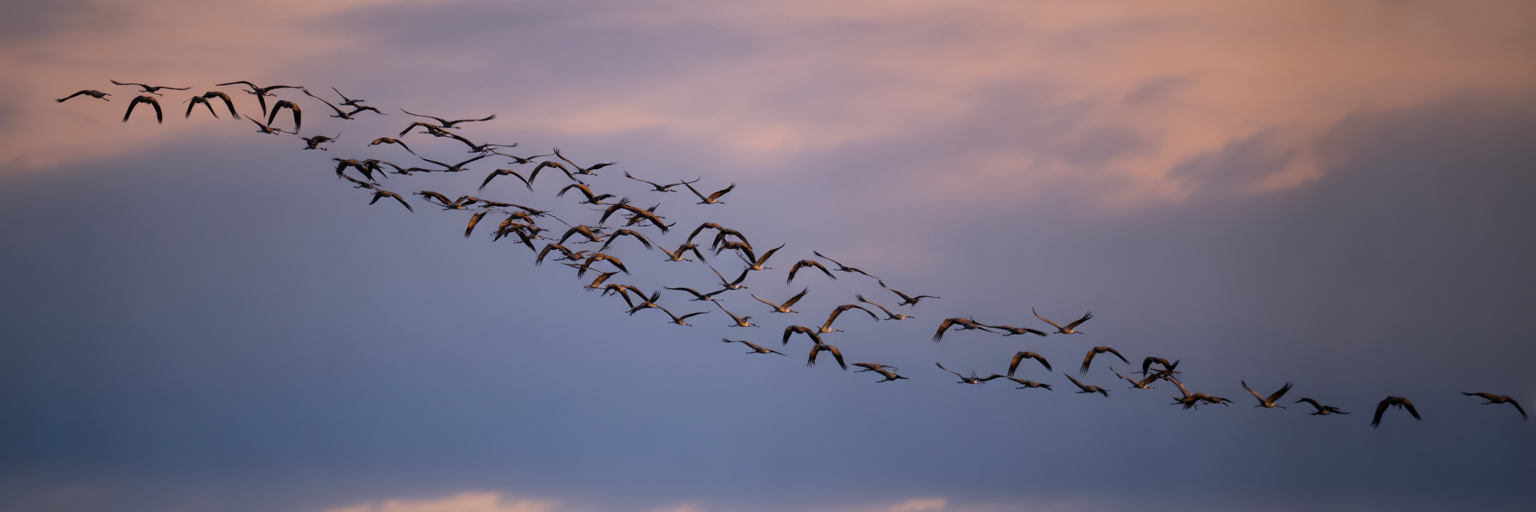
This is where the topic of bird sleep during migration becomes truly fascinating. These birds do not sleep for long periods. Instead, they engage in extremely short bursts of unihemispheric sleep, often lasting just a few seconds at a time. By accumulating these micro-naps over many hours, they can get the restorative rest they need without ever having to land. During these brief moments of sleep, the awake hemisphere is believed to handle the complex tasks of flight, maintaining altitude, staying on course, and avoiding collisions with other birds in the flock.
This strategy is also critical for energy conservation. By resting parts of the brain, the birds can lower their overall metabolic rate, making their limited energy reserves last longer for the arduous journey. While the evidence for in-flight sleep is strong, this remains an active area of scientific research. Scientists are still working to understand the full details of how these birds navigate complex weather patterns and maintain precise flight formations while partially asleep. It is an incredible survival feat, rivaling even the most extreme adaptations, like those of animals that can survive being swallowed and escape alive.
The Diverse Club of Half-Brain Sleepers
While dolphins and migratory birds are headline examples, the club of unihemispheric sleepers is surprisingly diverse, showcasing the evolutionary success of this trait across different branches of the animal kingdom. It is a prime example of convergent evolution, where unrelated species independently develop the same solution to solve similar survival problems. This adaptation has appeared in reptiles, birds, and mammals alike.
Here are a few other members of this exclusive group:
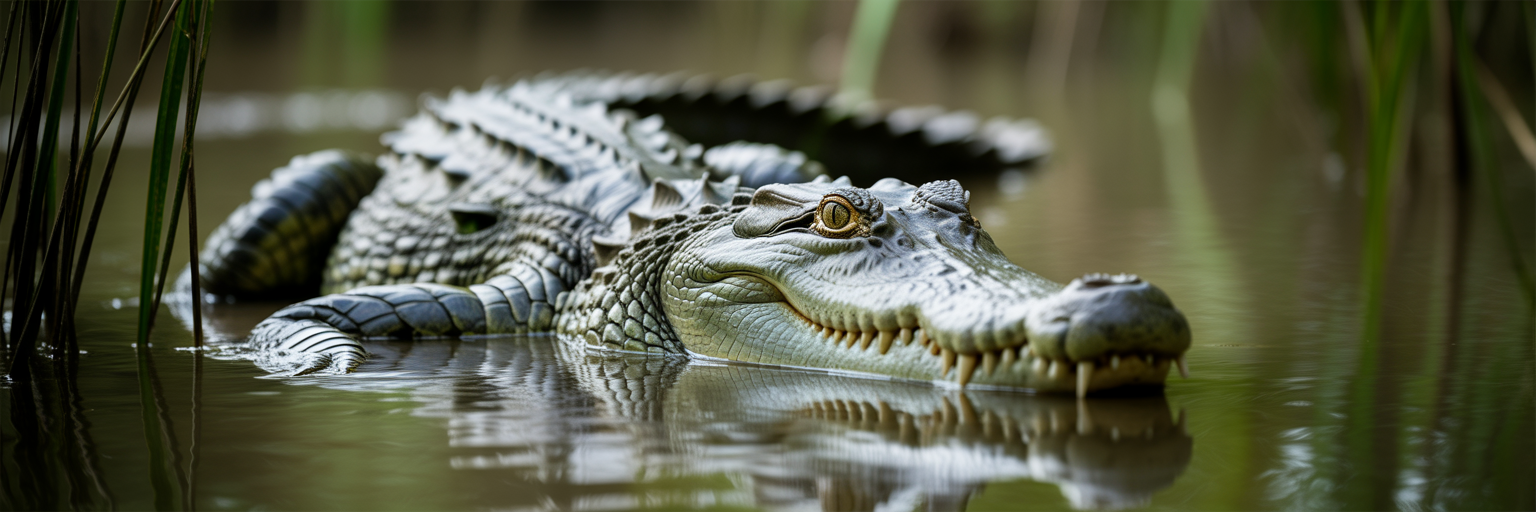
- Crocodilians: These ancient reptiles have been observed sleeping with one eye open. For them, it serves a dual purpose. It allows them to watch for threats, but it also lets them opportunistically monitor their surroundings for potential prey, even while resting.
- Pinnipeds (Seals and Sea Lions): These animals show remarkable adaptability. When resting on land, they enjoy normal, bihemispheric sleep like most mammals. But when they are in the water, they switch to unihemispheric sleep to remain vigilant and manage their breathing.
- Manatees: Like their cetacean relatives, these gentle marine mammals also use unihemispheric sleep to rest safely in their aquatic environment, ensuring they can surface for air.
- Suspected Cases: Research is ongoing, and scientists suspect that other species may also use this form of sleep. This evolving field of study continues to reveal how widespread this incredible adaptation might be.
The brain’s ability to manage complex tasks like navigation and survival without being fully “online” is astounding. It pushes the boundaries of what we think is possible, much like the discovery of animals that can navigate without a brain, proving that nature has found countless ways to solve the challenges of existence.
Implications for Understanding Sleep in Humans and Beyond
Studying unihemispheric sleep does more than just satisfy our curiosity about the animal kingdom. It fundamentally challenges our understanding of sleep itself. It proves that sleep is not necessarily an “all-or-nothing” state that requires the entire brain to shut down. Instead, it can be a localized phenomenon, confined to specific regions of the brain while other parts remain active. This has surprising relevance for us.
Have you ever had a terrible night’s sleep in a new place, like a hotel room, where you wake up at the slightest noise? This common experience is known as the “first-night effect.” Research suggests this may be a low-level, unihemispheric-like response left over from our evolutionary past. One hemisphere of our brain remains more vigilant and less deeply asleep as a protective measure against potential dangers in an unfamiliar environment. While humans cannot perform true, functional unihemispheric sleep, this effect shows that our brains retain a shadow of that ability.
Understanding how the brain can compartmentalize sleep could have significant applications. It might inform new therapies for sleep disorders or help us develop strategies to manage performance during periods of sleep deprivation. Furthermore, unihemispheric sleep raises profound philosophical questions. What does it truly mean to be “asleep” or “conscious”? This phenomenon blurs the lines, suggesting that consciousness is not a simple on-or-off switch but a complex spectrum. By studying these animals, we deepen our appreciation for the brain’s incredible adaptability and the sheer diversity of life on our planet.
The Ultimate Evolutionary Balancing Act
Unihemispheric sleep stands as a masterful evolutionary adaptation, a perfect solution to the dilemma of balancing the non-negotiable need for rest with the equally non-negotiable demands of survival. It is not a compromise but a highly sophisticated strategy tailored to the specific challenges of an animal’s life.
We have seen how it allows ducks to stand guard against predators, how it enables dolphins to breathe and navigate the open ocean, and how it gives migratory birds the endurance to cross continents without stopping. In each case, the same fundamental principle, sleeping with half a brain, is applied in a unique way to solve a different life-or-death problem. This phenomenon is a stunning display of the brain’s plasticity and nature’s ingenuity.
The ability to be both at rest and on high alert is a testament to the complex and often surprising solutions that evolution can produce. It reminds us that there is still so much to learn about the world around us. To continue exploring the amazing adaptations found in nature, we invite you to discover more about our planet’s incredible biodiversity on Nature is Crazy.