
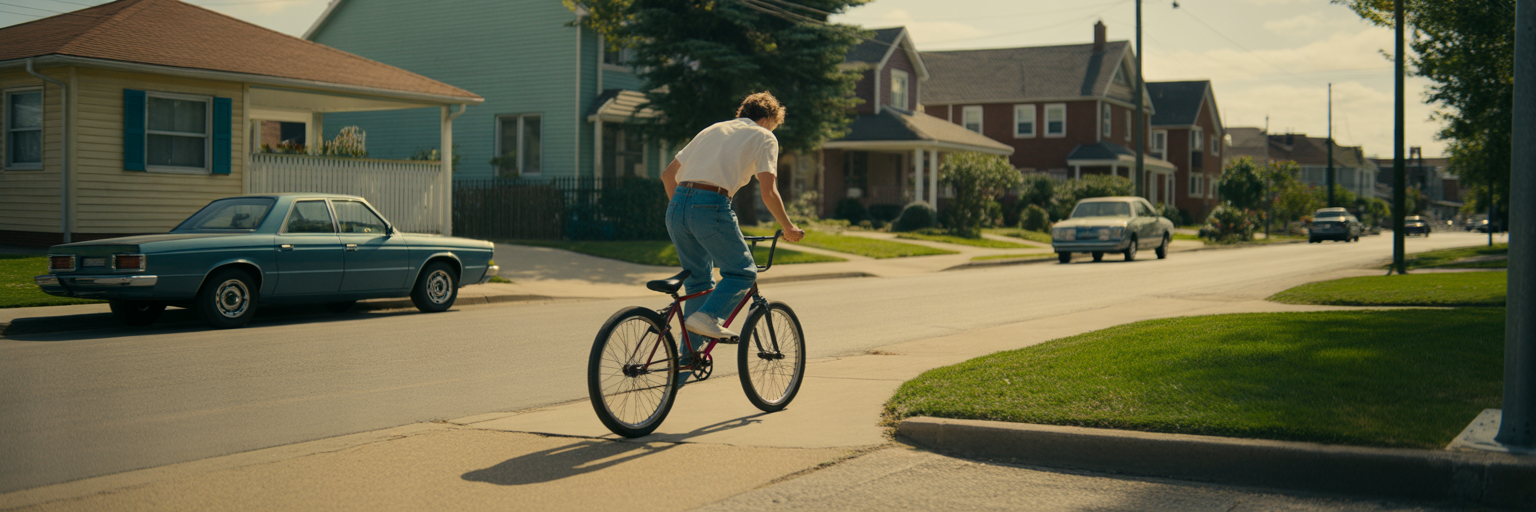
A Vanishing Memory from American Sidewalks
For anyone who grew up in the 1980s or 90s, the memory is surprisingly vivid. Picture a typical suburban street from that era. Maybe a boxy Ford Taurus is parked in the driveway, the sounds of street hockey echo off the pavement, and the fashion involves a questionable amount of neon and denim. Amidst this backdrop, there was a peculiar, almost fossil-like artifact that dotted lawns and sidewalks: dog droppings that had turned a ghostly, chalky white.
This wasn’t the fresh, dark deposit left behind moments ago. This was something else entirely. After a few days under the sun, the waste would transform. It became dry, crumbly, and so pale it almost glowed against the green grass. If you were a kid dared to poke it with a stick, you’d find it had the texture of brittle chalk, disintegrating into a dusty powder. This white dog poop 80s kids remember was a ubiquitous, if unappealing, part of the landscape.
Then, somewhere around the turn of the millennium, it just… disappeared. The phenomenon faded so quietly that most of us never marked its passing. We just looked around one day and realized it was gone. Today, despite more dogs living in American homes than ever before, you could walk for miles through parks and neighborhoods and likely never spot one of these pale relics.
It’s a strange thing to be nostalgic for, yet the memory is shared by millions. It prompts a question that feels both silly and profound: why don’t dogs poop white anymore? The disappearance of this chalky waste marks a quiet, uncelebrated shift in our daily environment. It turns out the answer isn’t just a fun bit of trivia; it’s a story about science, culture, and our evolving relationship with the animals we call family.
The Composition of Dog Food in Decades Past
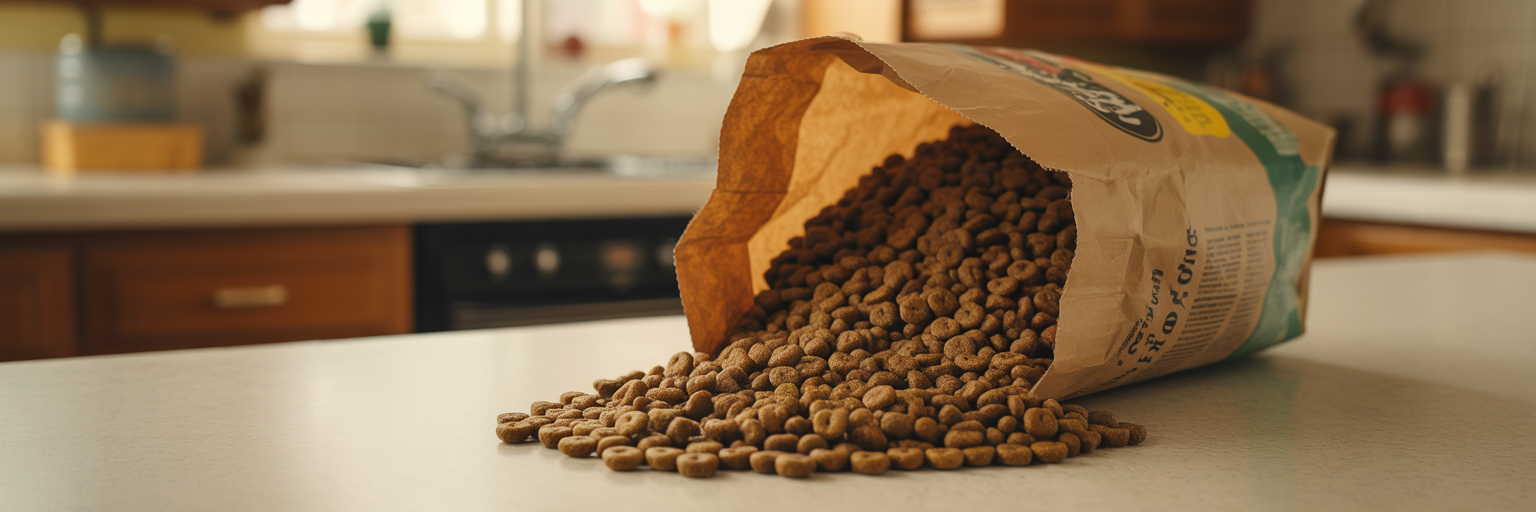
To understand where the white poop went, we first have to look at what created it. The answer lies in the dog food bowl of the 1980s and 90s. The nutritional philosophy back then was fundamentally different, driven more by low-cost production than by optimal canine health. Answering the question of what did dog food used to be like reveals the primary culprit behind the chalky mystery.
The Era of Fillers and By-Products
If you were to examine the ingredient list on a bag of mass-market kibble from that time, you’d find a heavy reliance on inexpensive fillers. Ingredients like corn, wheat gluten, and soy hulls were used to bulk up the food and keep costs down. The protein sources were often just as vague, listed as “meat by-products” without specifying the animal or the parts used. The goal was simple sustenance: providing enough calories and basic nutrients to meet minimum survival standards, but not much more.
The Key Culprit: Meat and Bone Meal
The single most important ingredient in this story is bone meal in dog food. As a cheap way to boost the protein and mineral content on the label, manufacturers added large quantities of ground-up bone and other animal tissues. While it did add protein, it also flooded the food with an enormous excess of minerals, particularly calcium. This overabundance of calcium in dog food was far more than a dog’s body could ever absorb or use.
The canine digestive system is efficient, but it can’t perform miracles. It would extract the nutrients it needed from the food, and the rest had to be expelled. The massive surplus of calcium phosphate, the primary mineral in bone, passed right through the digestive tract and became a major component of the dog’s waste.
A Different Nutritional Philosophy
Ultimately, the old approach was about meeting basic requirements in the most economical way possible. There was little emphasis on digestibility, bioavailability, or the long-term health implications of the ingredients. The prevailing thought was that a dog’s system was robust enough to handle it. This philosophy stands in stark contrast to today’s pet food market, where terms like “human-grade,” “highly digestible,” and “biologically appropriate” are common selling points. The food of the past was designed to fill a stomach; the food of today is designed to nourish a body. That fundamental shift in thinking is the primary reason the key ingredient for white poop vanished from the food supply.
| Component | Typical in 1980s Dog Food | Typical in Modern Premium Dog Food | Reason for the Shift |
|---|---|---|---|
| Primary Protein Source | Meat and Bone Meal, Unspecified Meat By-Products | Deboned Chicken, Salmon, Lamb | Focus on digestibility and higher-quality, identifiable protein. |
| Primary Mineral Source | High concentrations from bone meal | Chelated Minerals, Balanced Calcium/Phosphorus Ratio | Emphasis on bioavailability and preventing mineral excess. |
| Carbohydrate Fillers | Corn, Wheat Gluten, Soy Hulls | Sweet Potatoes, Peas, Brown Rice, Oats | Move toward less allergenic and more nutrient-dense carbohydrate sources. |
| Preservatives | BHA, BHT, Ethoxyquin | Mixed Tocopherols (Vitamin E), Rosemary Extract | Consumer demand for natural preservatives over chemical ones. |
| Overall Philosophy | Low-cost sustenance, meeting minimums | Optimal nutrition, digestibility, and long-term health | The ‘humanization’ of pets and advances in veterinary science. |
The Chemical Reaction Behind the Chalky Transformation
With a diet overloaded with calcium, dogs in previous decades were essentially producing the raw material for those little white fossils. But the transformation from normal stool to a chalky rock didn’t happen inside the dog. It was a chemical and biological process that took place on the lawn, driven by the environment itself.
The Mineral-Rich Starting Material
The process began with stool that had an unusually high percentage of undigested calcium phosphate. While it looked like normal dog waste at first, its composition was fundamentally different from what we see today. It was a dense mixture of organic matter, bacteria, and a significant amount of non-biodegradable mineral content. This mineral load was the key ingredient waiting for its moment to be revealed.
The Role of Sun and Air
Once deposited, nature took over. The sun was the first actor. Its UV radiation and heat baked the stool, evaporating all the moisture and hardening the exterior. At the same time, bacteria and oxygen went to work on the organic components. Just like any other biological waste, the organic matter began to decompose, breaking down into simpler compounds and being consumed by microorganisms. This decomposition process was essential for what came next.
From Organic Matter to Mineral Fossil
The best analogy for what happened is to think of how a skeleton is left behind after an animal decomposes. The flesh, organs, and skin decay and return to the earth, but the mineral-rich bones remain. The same principle applied to the dog poop of the 80s. As bacteria and the elements broke down all the organic parts of the stool, the indigestible mineral content—the calcium phosphate—was left behind. What remained was no longer truly poop; it was a hard, brittle, chalk-like mineral deposit. This process of an organism’s remains changing due to environmental factors is a fundamental concept in nature. In a way, it’s a micro-fossilization, and nature has many strange ways of preserving or altering biological matter, just as some animals have evolved to survive by altering their own bodies, such as the animal that survives by shrinking its own organs.
This simply doesn’t happen with modern dog poop because the starting material has changed. With balanced diets and highly digestible ingredients, there isn’t a massive surplus of calcium left over. The waste is almost entirely organic, so it decomposes completely, returning to the soil without leaving a white, mineral ghost behind.
The Evolution of Modern Pet Nutrition Standards
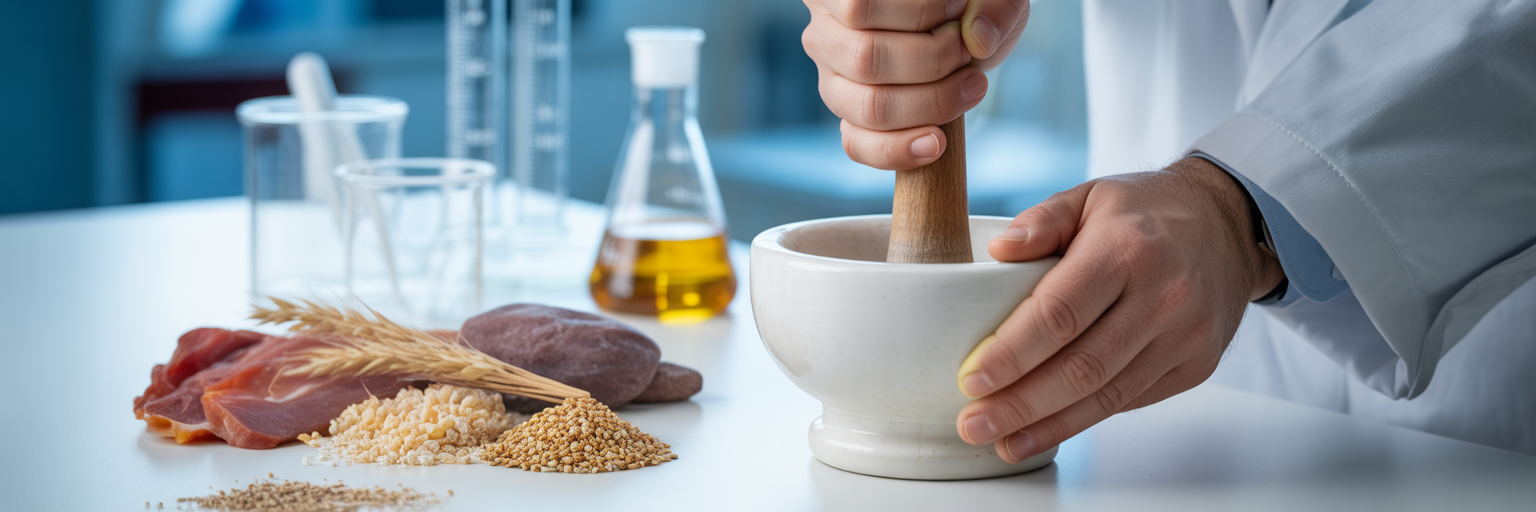
The disappearance of high-calcium dog food wasn’t an accident. It was the result of a profound shift in both veterinary science and culture. The formulas that produced white poop became obsolete because our entire perspective on pet care changed, driven by a desire to see our animal companions live longer, healthier lives.
The ‘Humanization’ of Pets
Beginning in the late 1990s and accelerating into the 21st century, a significant cultural shift occurred: pets were increasingly viewed as integral members of the family. The dog moved from the backyard to the living room, and in many cases, into our beds. As this “humanization” trend grew, owners began scrutinizing their pets’ lifestyles with the same care they applied to their own children. They started reading ingredient labels, questioning fillers, and demanding higher-quality products. The idea of feeding a beloved family member a low-cost mix of corn and unspecified by-products became unacceptable to a growing number of consumers.
The Rise of Scientific Guidelines
This consumer demand coincided with major advances in veterinary nutritional science. Organizations like the Association of American Feed Control Officials (AAFCO) were instrumental in this change, developing comprehensive nutrient profiles that go far beyond simple protein and fat minimums. As AAFCO explains, their guidelines help ensure that pet foods are safe, balanced, and provide useful information to consumers, which directly led to the phasing out of ingredients like excessive bone meal. These new standards emphasized not just the quantity of nutrients but also their quality, source, and bioavailability. It was no longer enough to just include calcium; it had to be a usable form of calcium in the correct ratio with phosphorus. This scientific rigor made the old, mineral-heavy formulas look archaic and nutritionally unsound.
The Fragmentation of the Pet Food Market
With new science and discerning customers, the one-size-fits-all approach to dog food crumbled. The market fragmented into a dizzying array of specialized diets. Suddenly, there were formulas for puppies, seniors, large breeds, small breeds, and dogs with specific health issues like sensitive stomachs, joint problems, or allergies. This precision approach to nutrition is the antithesis of the old model. Each formula is designed to provide exactly what a specific type of dog needs, with a focus on maximizing nutrient absorption and minimizing waste. In this new world of tailored nutrition, a food that produced large amounts of indigestible mineral waste had no place.
What a Healthy Stool Reveals About Your Dog Today
Now that we know why dog poop no longer turns white, it’s useful for modern owners to understand what a healthy stool should look like. Far from being just waste, your dog’s droppings are a daily report card on their digestive health. Paying attention to them can help you spot potential issues early. A good rule of thumb is to check the “Four Cs.”
A healthy dog stool color and consistency are direct reflections of an efficient digestive system. Here’s what to look for:
- Color: A healthy stool should be a consistent chocolate brown. This color comes from bile, a substance produced by the liver and stored in the gallbladder, which is essential for digesting fats. While small variations from treats (like orange from carrots) are normal, the baseline should be brown.
- Consistency: The ideal stool is firm, log-shaped, and easy to pick up. It should hold its shape but not be rock-hard or dry. Stools that are watery, mushy, or pebble-like can indicate digestive upset, dehydration, or dietary issues.
- Content: When you pick it up, the stool should be free of noticeable foreign objects (like grass, plastic, or rocks), worms, or excessive mucus. A little bit of mucus is normal, but large amounts can signal inflammation in the colon.
- Coating: A healthy stool shouldn’t have a greasy sheen or a visible mucous layer. A greasy appearance can suggest a problem with fat digestion, known as malabsorption.
The stool from a dog on a well-formulated modern diet decomposes naturally because it is primarily organic matter. The dog’s body absorbs the vast majority of the nutrients, leaving little behind but biodegradable waste that returns to the earth. A dog’s digestive system is finely tuned to its diet, but nature has produced even more bizarre digestive adaptations. For instance, it’s fascinating to consider the fish that can breathe through its gut, a reminder of the incredible diversity of biological functions in the animal kingdom.
When to Be Concerned About Pale or White Stool Now
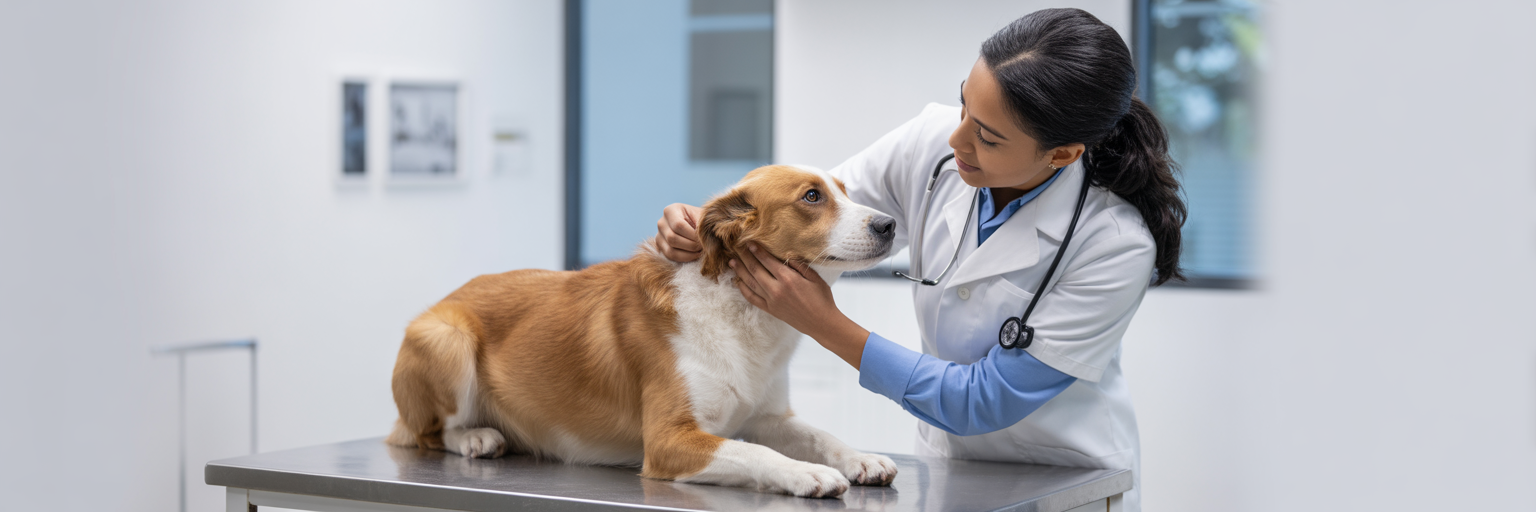
This is the most critical takeaway from our trip down memory lane: while white poop was a harmless, diet-related phenomenon in the past, seeing it today is a completely different story. If you see white, chalky, or pale gray stool from your dog now, it should be treated as a potential medical red flag. The harmless excess of calcium is gone from modern diets, so a pale color today points to serious underlying health issues.
Here are some of the potential modern causes for pale or white stool:
- Biliary Obstruction: Bile is what gives stool its characteristic brown color. If the bile duct is blocked by a gallstone, tumor, or inflammation, bile can’t reach the intestines. This results in pale, clay-colored stools and is a medical emergency.
- Liver Disease: The liver is responsible for producing bile. Severe liver dysfunction can impair bile production, leading to a lack of pigment in the stool. This is often accompanied by other signs like jaundice (yellowing of the skin and eyes).
- Exocrine Pancreatic Insufficiency (EPI): In this condition, the pancreas fails to produce enough digestive enzymes. Without these enzymes, fats are not digested properly, resulting in greasy, voluminous, and pale-colored stools.
- High-Fat Diet or Indiscretion: Occasionally, a single meal that is extremely high in fat can overwhelm the digestive system and cause a one-off pale, greasy stool. While less severe, it’s still a sign that the meal was inappropriate for your dog.
The answer to why don’t dogs poop white anymore is better nutrition. But if you do see it, don’t dismiss it as a quirky throwback. These physical signs are a dog’s way of sending a clear warning signal that something is wrong internally. In the wild, animals have developed countless ways to send signals, sometimes for defense, like the fake eyes that scare predators away, which serve as a visual alarm. Your dog’s pale stool is a similar alarm. If you observe white or pale stool, especially if it’s paired with lethargy, vomiting, or a change in appetite, contact your veterinarian immediately.
A Small Change Reflecting a Big Shift in Pet Care
The case of the vanishing white dog poop is more than just a quirky observation. It’s a small, tangible marker of a massive shift in how we care for our animal companions. The reason those chalky relics no longer dot our lawns is a direct result of two powerful, interconnected trends: huge leaps in nutritional science and the cultural “humanization” of our pets.
Looking back, the disappearance of white poop reflects our society’s transition from viewing pets as property to cherishing them as family. We stopped asking for the cheapest food that would keep them alive and started demanding the best nutrition to help them thrive. It’s a quiet testament to progress in animal welfare, written on the sidewalks and lawns of every neighborhood. Just as thoughtful site planning has reshaped how we build our homes for better living, this evolution in pet nutrition reflects a more considered approach to the lives we share with our animals.
In the end, the fact that both our pets and our parks are a little healthier is something worth celebrating. This story is just one small example of the fascinating ways biology, chemistry, and culture intersect, and there is always more to learn about the incredible natural world we inhabit.