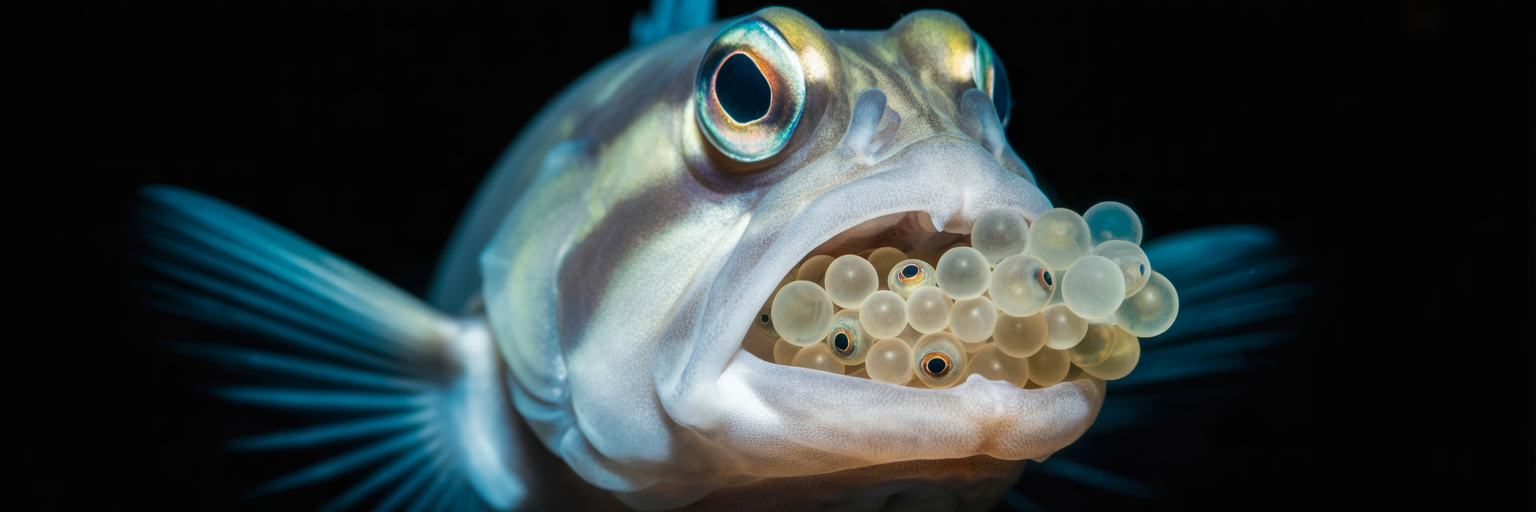
A Biological Strategy That Feels Deeply Wrong
Let’s just get this out of the way. The phrase “giving birth through your mouth” sounds like something you’d hear in a terrible horror movie or a middle school health presentation gone horribly wrong. It conjures images that are fundamentally unsettling because we have a very clear understanding of what a mouth is for: eating, breathing, and maybe talking a little too loudly at a party. A nursery is not on that list. Yet, in the grand, often bizarre, playbook of evolution, this is a surprisingly successful strategy.
When we think of animal parenting, we picture a bird carefully building a nest or a mammal nursing its young. These are wholesome, understandable behaviors. Using your mouth as a living incubator, however, feels like a profound violation of biological norms. It’s like deciding to turn your kitchen pantry into a fully functional daycare, complete with all the noise and mess, while you’re still trying to use it to store food. The logistics seem impossible, and the entire concept feels deeply, fundamentally incorrect. But nature, unconcerned with our comfort, has perfected this very method.
This is not science fiction. The scientific term for this behavior is mouthbrooding, a form of parental care that pushes the limits of devotion. It’s one of evolution’s most unsettling but brilliant life hacks, a solution to the universal problem of keeping your offspring from being eaten. The existence of animals that give birth through mouth-like processes forces us to confront some pressing questions. How do they eat for weeks on end? What biological switch stops them from just… swallowing their entire family? And is it really “birth,” or is it something even weirder? The answers reveal a world of sacrifice, stress, and survival that is far stranger than we could imagine.
The Mechanics of a Mouth-Based Nursery
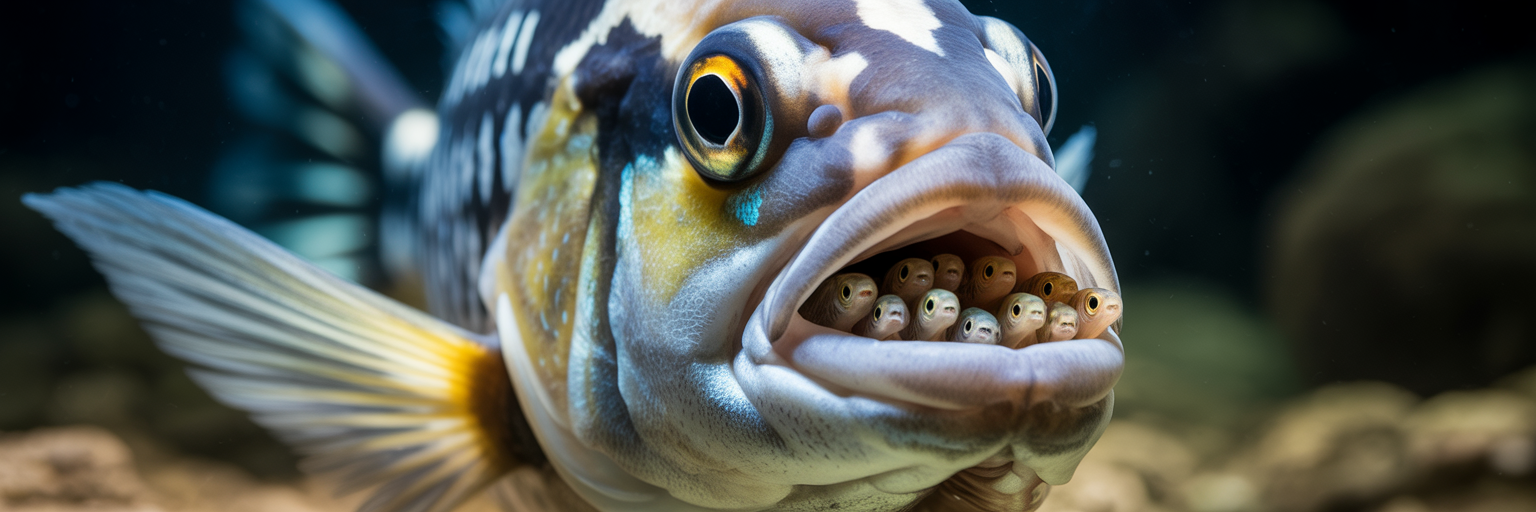
Moving past the initial shock, the actual process of mouthbrooding is a masterclass in biological control and parental sacrifice. It’s less about the explosive drama of birth and more about a long, tense period of incubation where one wrong move could be catastrophic.
Defining Oral Incubation
First, we need to be precise. Mouthbrooding is not “birth” in the way a mammal experiences it. It is a highly specialized form of parental care known as oral incubation in animals. Instead of building a nest or hiding their eggs, the parent scoops them up and holds them in their buccal cavity, or mouth, until they hatch. In some cases, the parent continues to shelter the free-swimming young, known as fry, long after they’ve hatched. The mouth transforms from a feeding tool into a climate-controlled, heavily fortified nursery.
The Delicate Balancing Act of Survival
The process is a physiological marathon. After fertilization, one parent, often the female but sometimes the male, carefully collects the eggs. For the next several weeks, they must perform a delicate balancing act. They cannot eat, as swallowing would mean consuming their own offspring. Instead, they gently roll the eggs in their mouth, a process called “tumbling” or “churning.” This isn’t a nervous habit; it’s a vital action that ensures the eggs are aerated with oxygen-rich water and kept free of fungal infections. The parent essentially becomes a living, breathing incubator, sacrificing their own health for the survival of the next generation. The physical toll is immense, with many parents losing a significant portion of their body weight.
The Great Release and The Mobile Panic Room
After weeks of fasting and constant vigilance, the parent finally releases a cloud of fully developed fry. But the job isn’t over. For many species, the mouth continues to serve as a mobile panic room. When a predator appears, the parent gives a signal, and the tiny fry swarm back into the safety of the parental mouth. It’s an incredible sight, a living shield that protects the young until the danger passes. This behavior highlights just how versatile the mouth becomes: an incubator, a shield, and a safe house. It’s a survival tactic almost as incredible as that of other animals that can survive being swallowed and escape alive, showcasing nature’s diverse solutions to predation. Understanding what is mouthbrooding in fish is understanding this complete commitment to offspring survival.
Meet the Parents with the Weirdest Daycare
This bizarre parenting style isn’t just a one-off evolutionary fluke. It has appeared independently in numerous species across the globe, a testament to its effectiveness. As documented in resources like Wikipedia, this strategy has evolved in at least eight different families of fish, as well as some amphibians.
The Cichlid Family: Masters of the Mouth
When you talk about mouthbrooding, you have to talk about cichlids. These freshwater fish, particularly those from the African Rift Lakes, are the undisputed champions of oral incubation. The cichlid mouthbrooding behavior is a hallmark of the family, with hundreds of species practicing it. In most cases, the female is the primary caregiver. After the male fertilizes the eggs, she scoops them into her mouth and begins a fasting period that can last for a month. During this time, her jaw distends, giving her a characteristically swollen, almost pained look.
- Electric Yellow Cichlid (Labidochromis caeruleus): A popular aquarium fish, the female holds her bright yellow eggs for about three weeks, her dedication visible to any observer.
– Blue Dolphin Cichlid (Cyrtocara moorii): These larger cichlids also practice maternal mouthbrooding, with the female protecting her brood with unwavering focus.
The sheer prevalence of this behavior in cichlids demonstrates its powerful evolutionary advantage in crowded, predator-filled waters.
Darwin’s Frog: A Maternity Ward in a Vocal Sac
If you thought holding eggs in your mouth was strange, meet Darwin’s Frog. This small South American amphibian takes things to a whole new level of weird. After the female lays her eggs, the male guards them. When the tadpoles begin to wriggle, he swallows them, but they don’t go into his stomach. Instead, they slide into his vocal sac, which stretches and transforms into a brood pouch. He carries his developing young in his throat for weeks. The climax of Darwin’s frog reproduction is a scene straight from a sci-fi film: the male appears to vomit, releasing a stream of tiny, fully formed froglets into the world. It is one of the most surreal forms of male parental care in the entire animal kingdom.
Marine Specialists: The Jawfish and Sea Catfish
This strategy isn’t limited to freshwater. In the ocean, the Yellowhead Jawfish is a famous mouthbrooder. The male collects the eggs and holds them so tightly that he looks like he has a mouthful of gumballs. He can be seen peering out of his sandy burrow, mouth full, diligently aerating his clutch. For species like the Sea Catfish, mouthbrooding is a vital defense in the open ocean, where eggs would otherwise be quickly consumed by predators. The parent’s mouth is one of the only safe places in a vast, dangerous environment.
Paternal Devotion: The Arowana and Betta Fish
While many cichlids rely on maternal care, there are plenty of dedicated fathers out there. Some of the most striking paternal mouthbrooding examples come from fish like the Arowana. These large, impressive predators are surprisingly gentle parents. The male Arowana holds a huge clutch of eggs in his mouth for up to two months, fasting the entire time. Even after the young are released, they stay close, ready to retreat into his mouth at the first sign of trouble. Even the popular Betta fish, or Siamese Fighting Fish, has species that practice paternal mouthbrooding, a far cry from the aggressive image they are known for.
The Survival Calculus of Oral Incubation

Why would any animal adopt such a costly and difficult parenting strategy? The answer lies in a simple, brutal calculation of risk and reward. Mouthbrooding is an evolutionary gamble, but when it pays off, it pays off big.
An Impenetrable Fortress for the Young
For most fish and amphibians, life begins as a numbers game. A cod might release millions of eggs into the ocean, hoping a tiny fraction survive. This strategy, called broadcast spawning, results in catastrophic losses, with survival rates often below 1%. Mouthbrooding flips this script entirely. By securing the eggs in an impenetrable fortress—the parent’s mouth—survival rates for the young can skyrocket to over 90%. Predators can’t get to them, currents can’t sweep them away, and they are protected from the chaos of the outside world. It is one of the most effective forms of protection imaginable, placing it firmly among nature’s unsettling creations that defy belief.
A Perfectly Controlled Micro-Environment
Beyond simple protection, the parent’s mouth offers a perfectly controlled micro-environment. The constant flow of water from the parent’s breathing provides a steady supply of oxygen. The gentle tumbling motion prevents the growth of deadly fungi and bacteria. The temperature is kept stable, and the chemical balance of the water is ideal. The parent isn’t just a guard; they are a living, breathing, perfectly calibrated incubator, ensuring each offspring has the best possible start in life.
The High-Stakes Bet: Quality Over Quantity
Mouthbrooding represents a fundamental strategic choice: quality over quantity. Instead of producing millions of offspring with a low chance of survival, mouthbrooders produce a much smaller number of young but invest an enormous amount of energy into ensuring each one makes it. This high-stakes bet is summarized in the trade-offs between the two strategies.
Reproductive Strategy Comparison: Mouthbrooding vs. Broadcast Spawning
| Factor | Mouthbrooding Strategy | Broadcast Spawning Strategy |
|---|---|---|
| Number of Offspring | Low (Dozens to a few hundred) | Extremely High (Thousands to millions) |
| Parental Investment | Very High (Fasting, protection, energy loss) | Very Low (Release and abandon) |
| Offspring Survival Rate | High (Often >90%) | Extremely Low (Often <1%) |
| Primary Advantage | Maximizes survival of each individual offspring | Maximizes chance of a few surviving through sheer numbers |
| Risk to Parent | High (Starvation, increased predation risk) | Minimal (Brief energy expenditure) |
This table illustrates the fundamental trade-offs between two opposing reproductive strategies in aquatic animals. Data points are generalized based on typical outcomes for species employing these methods, highlighting the ‘quality over quantity’ approach of mouthbrooding.
The High Price of Being a Living Incubator
While the benefits for the offspring are clear, the cost to the parent is staggering. Being a living incubator is a form of biological martyrdom, pushing the parent to the absolute limits of their physical and behavioral endurance.
The Physiology of Starvation
The most obvious cost is starvation. For weeks or even months, the parent does not eat. This extended fast triggers a cascade of physiological consequences that can be broken down into stages:
- Depletion of Energy Stores: The parent first burns through any fat reserves. For lean animals like fish, these stores are quickly exhausted.
- Muscle Atrophy: With no external energy source, the body begins to break down its own muscle tissue for fuel. This leads to significant weight loss and physical weakness.
- Weakened Immunity: Prolonged starvation compromises the immune system, making the parent highly susceptible to diseases and parasites, especially after the young are released.
This level of endurance is reminiscent of other creatures that can shut down pain signals at will, showcasing an incredible ability to override basic survival instincts for the sake of reproduction.
Behavioral Costs and Constant Stress
The physical toll is matched by the behavioral and psychological stress. A mouthbrooding parent is less agile and slower, making them an easier target for predators. They cannot forage or defend territory effectively. They must also live with the constant, delicate challenge of aerating their eggs without accidentally swallowing them. This requires a level of focus and control that is difficult to comprehend. The parent is in a state of constant, low-level anxiety, balancing their own survival needs against the needs of their developing young.
The Grim Pragmatism of Cannibalism
Sometimes, the pressure becomes too much. In a horrifying but pragmatic twist, some mouthbrooding parents engage in filial cannibalism. If a parent is on the brink of starvation, they may consume a portion of their own brood. This grim act provides them with just enough energy to survive and successfully raise the remaining offspring. In other cases, a stressed parent might engage in “brood dumping,” spitting out the entire clutch to save themselves. It’s a brutal reminder that in nature, survival is a matter of cold, hard calculus, not sentiment.
From Vocal Sacs to Stomach Brooding

The world of oral incubation is surprisingly diverse, with different species adopting unique variations on the theme. These nuances reveal the incredible adaptability of life and push the concept to its most extreme and unsettling conclusions.
Ovophiles vs. Larvophiles: A Question of Timing
Mouthbrooders are generally divided into two categories based on when they pick up their young. Ovophiles, or “egg-lovers,” collect the eggs immediately after they are fertilized and incubate them from the very beginning. Most cichlids fall into this category. Larvophiles, or “larva-lovers,” wait a bit longer. They lay their eggs on a surface and guard them until they hatch into larvae, at which point they scoop the wriggling young into their mouths for protection. This strategy allows the parent to feed during the egg stage, shortening the fasting period.
Paternal vs. Maternal Care: An Evolutionary Tug-of-War
Why do females take on the burden in some species, while males do in others? The answer often lies in an evolutionary tug-of-war over energy investment. In many species where females are the mouthbrooders, they have already invested significant energy into producing large, nutrient-rich eggs. Protecting that investment becomes their primary role. In species with paternal mouthbrooders, the male takes over parenting duties, freeing up the female to recover and produce another clutch of eggs sooner. This division of labor can maximize the pair’s overall reproductive output.
The Ultimate Body Horror: The Gastric-Brooding Frogs
Just when you think it can’t get any weirder, biology presents the Gastric-Brooding Frog. These two now-extinct Australian species represent the absolute pinnacle of this bizarre reproductive strategy. The female didn’t just hold her eggs in her mouth; she swallowed them. Upon entering her stomach, the eggs released a hormone that completely shut down her digestive acid production. Her stomach, a corrosive organ of digestion, transformed into a womb. For six to seven weeks, the tadpoles developed inside her, absorbing the nutrients from their egg yolks. When they were ready, she would “give birth” by opening her mouth wide and regurgitating her fully formed, tiny froglets. It is perhaps the most extreme example of parental care ever discovered, a stark contrast to other organisms that can live inside other living creatures without harm. The extinction of these frogs in the mid-1980s was a tragic loss, erasing one of biology’s most wonderfully grotesque secrets from the planet.
Evolution’s Strangest Parenting Playbook
So, why do some animals give birth through their mouth? Because in a world filled with predators, it is a brutally effective, high-sacrifice solution to the timeless problem of keeping your children safe. It is a strategy born of desperation and perfected through millions of years of evolutionary pressure. It may seem wrong, unsettling, and profoundly strange to us, but for the species that practice it, it is simply what works.
This behavior reveals a fundamental truth about evolution: it is an amoral, pragmatic force that prioritizes results over any human standard of what is “normal” or “proper.” It doesn’t care about our comfort or our sense of biological order. If a strategy, no matter how bizarre, leads to more surviving offspring, it will persist and flourish. The mouthbrooders of the world are a testament to the sheer, unbridled creativity of life and its ability to find solutions in the most unexpected of places.
So the next time you see a fish staring back at you from an aquarium, remember its mouth might be more than just a mouth. It could be a fortress, a nursery, and a testament to one of the most bizarre and devoted forms of parenting on Earth. And that’s a thought both deeply weird and truly wonderful.