The Tiny Preppers of the Insect World
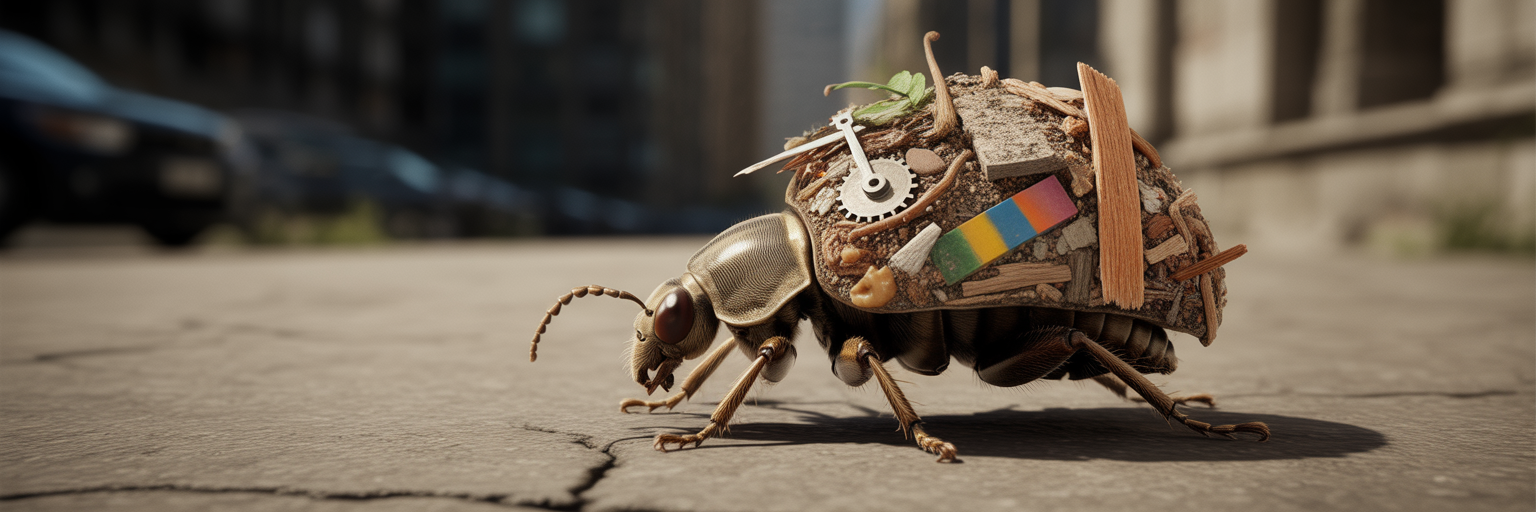
While some humans are busy stocking underground bunkers with freeze-dried meals and water purifiers, a far more dedicated group of survivalists has been perfecting the art of self-preservation for millions of years. These are the Doomsday preppers of the bug world, obsessive hoarders with a singular, brilliant purpose. They don’t worry about finding shelter because they build it, wear it, and carry it on their backs. These are the insects that build houses out of anything and everything they can find.
Forget four walls and a roof. What if your house was also your armor, your camouflage, and meticulously constructed from discarded trash, environmental debris, and even your own waste? It sounds like a fever dream, but for these creatures, it’s just another day at the office. This isn’t just about finding a place to hide. It’s about engineering a mobile fortress, a personal shield against a world filled with things that want to eat you. Their methods are a masterclass in resourcefulness, turning the mundane into the magnificent, and sometimes, the downright disgusting.
We’re about to meet some of nature’s most bizarre architects. There’s the caterpillar that constructs a miniature log cabin from twigs and leaves, a walking pile of yard debris that is almost impossible to spot. Then there’s the fecal architect, a larva that builds its protective dome from its own excrement, proving that in the fight for survival, nothing goes to waste. Others are underwater jewelers, crafting exquisite cases from sand and pebbles, or macabre collectors who wear the corpses of their victims as a disguise. This behavior isn’t just a strange quirk; it’s a highly effective survival strategy honed by millennia of evolutionary pressure. To see more of what the natural world has to offer, you can explore the full range of stories at Nature Is Crazy.
This exploration will go beyond just what they build and how they do it. We’ll examine the critical question of why. In a brutal world where you’re on everyone’s menu, carrying your own fortress is a brilliant solution. These tiny engineers have turned trash into treasure, creating portable armor that is as ingenious as it is unsettling.
The Bagworm’s Mobile Log Cabin
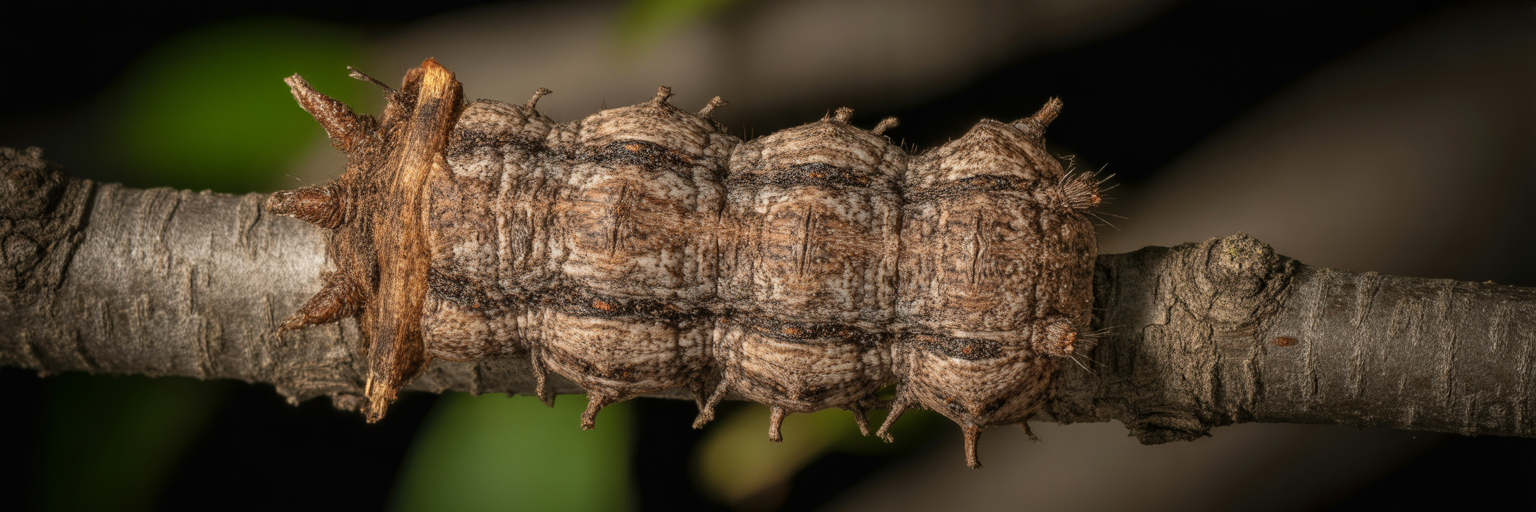
If you’ve ever seen a small bundle of twigs and leaves walking up the side of a tree, you haven’t lost your mind. You’ve likely encountered the bagworm moth caterpillar, nature’s most dedicated mobile home enthusiast. This creature is the quintessential insect architect, a master of camouflage and construction that spends its entire larval life inside a home of its own making.
The Walking Pile of Debris
At first glance, a bagworm doesn’t look like an insect at all. It appears as a self-propelled pile of environmental debris, a tiny, mobile log cabin that blends seamlessly into its surroundings. The caterpillar lives its entire larval life inside this protective case, poking its head out to move and feed. The bag is made from silk and materials found in its immediate environment, such as twigs, leaves, bark, and even lichen. This makes its camouflage incredibly effective. A bagworm living on a pine tree will be covered in pine needles, while one in a garden might adorn its home with colorful flower petals. It becomes functionally invisible to predators like birds and wasps that hunt by sight. This use of environmental materials to create a disguise is a common tactic, similar to how other creatures use fake eyes to scare predators.
A Step-by-Step Construction Guide
The construction of this mobile fortress is a meticulous process that begins the moment the larva hatches. It’s a testament to instinctual engineering, with each step performed with precision.
- Silk Production: The process starts with the larva producing its own silk, the foundational binding agent for its future home. It creates a small, initial cone around its body.
- Material Selection: The caterpillar then carefully selects materials from its environment. It doesn’t just grab random junk; it chooses pieces of a specific size and shape, cutting them to fit its design.
- Weaving and Binding: Using its silk, the larva weaves these materials—twigs, leaves, bark fragments—onto the exterior of its silk bag. It layers them in a specific, often overlapping pattern that creates a surprisingly tough and durable shell.
- Continuous Renovation: The bag is never truly finished. As the caterpillar grows, it continually adds more material to the open end of the bag, expanding its home to accommodate its increasing size. The older, narrower end of the bag is where it expels waste.
A Home for Life (and Death)
This bag is more than just a house; it’s a lifelong sanctuary. It provides physical protection from predators, who struggle to pierce the tough, fibrous exterior. It also shields the caterpillar from harsh weather and pesticides. But the bag’s purpose extends beyond the larval stage. Once it’s ready to pupate, the caterpillar seals itself inside its bag and transforms into an adult moth.
Here, the story takes a strange turn. Male bagworm moths emerge as winged adults and fly off to find a mate. The females of many species, however, are wingless and neotenic, meaning they retain their larval appearance. She never leaves the bag. She waits for a male to find her, mates, and then lays her eggs inside her lifelong home. After ensuring the next generation is secure, she dies, and her body often remains in the bag. Her home becomes her tomb, and the cycle begins anew when her offspring hatch and immediately start building their own tiny log cabins.
The Architect Who Builds With Excrement
If the bagworm is a meticulous carpenter, then the leaf beetle larva is a shockingly pragmatic sculptor who works with a rather unconventional medium: its own feces. This insect takes the concept of “waste not, want not” to a grotesque but brilliant extreme, constructing a protective shield that is both a physical barrier and a potent chemical weapon. It’s a strategy that repels predators and fascinates scientists in equal measure.
The Ultimate Recycler
The journey of the leaf beetle fecal shield begins at birth. The mother beetle often encases her eggs in a protective layer of her own excrement. When the larva hatches, it inherits this “starter home” and immediately begins renovations. As it feeds on leaves, it adds its own waste to the structure, expanding and molding it into a custom-fit shield that it carries on its back. This behavior ensures the larva always has access to building materials. After all, as long as it’s eating, it’s producing. This constant supply allows it to repair and enlarge its shield throughout its development, adapting its armor to its growing body.
Sophisticated Fecal Architecture
One might assume a fecal shield is just a messy pile of waste, but the reality is surprisingly sophisticated. The larva doesn’t just randomly heap excrement on its back. It carefully molds and shapes the material into a structured dome. According to a report in National Geographic, the larva not only adds its own excrement to expand the structure but also performs interior design, creating an “attic” filled with plant hairs for added protection. This intricate design suggests a level of instinctual engineering that goes far beyond simple hoarding. The exterior is often coated with a secretion that helps it harden, turning a soft material into a durable, protective shell. It’s a masterpiece of disgusting, yet effective, architecture.
Chemical Warfare vs. Physical Armor
This is where the leaf beetle’s strategy diverges sharply from the bagworm’s. While the bagworm relies on physical armor and camouflage, the leaf beetle employs a form of biological and chemical warfare. The primary advantage of a fecal shield isn’t its strength but its smell and taste. Most predators, like ants or ladybugs, are instinctively repulsed by feces. When a predator attacks, the larva can hunker down under its shield, presenting the attacker with nothing but a mouthful of its own waste. The chemical compounds in the feces, derived from the toxic plants the larva eats, act as a powerful deterrent. It’s a defense that says, “Go ahead, try to eat me. I taste even worse than I look.” This chemical repulsion is a highly efficient defense, as it stops an attack before any physical damage can be done.
| Feature | Bagworm Moth Caterpillar | Leaf Beetle Larva |
|---|---|---|
| Primary Building Material | Twigs, leaves, bark, silk | Own feces, plant hairs |
| Construction Method | Weaving materials with silk | Molding and layering excrement |
| Primary Defense Mechanism | Physical armor and camouflage | Chemical repulsion and physical barrier |
| Mobility Cost | High (heavy, bulky case) | Moderate (lighter, more compact shield) |
| Key Weakness | Vulnerable if case is pierced | Less effective against predators with no sense of smell/taste |
A Rogues’ Gallery of Bizarre Builders
The bagworm and leaf beetle are not alone in their architectural ambitions. The insect world is filled with a diverse cast of characters who have all mastered the art of building portable homes. This widespread strategy, a clear example of weird insect behavior, demonstrates just how effective mobile armor is. From underwater jewelers to macabre assassins, these builders showcase the incredible creativity of evolution.
The Underwater Jeweler: Caddisfly Larva
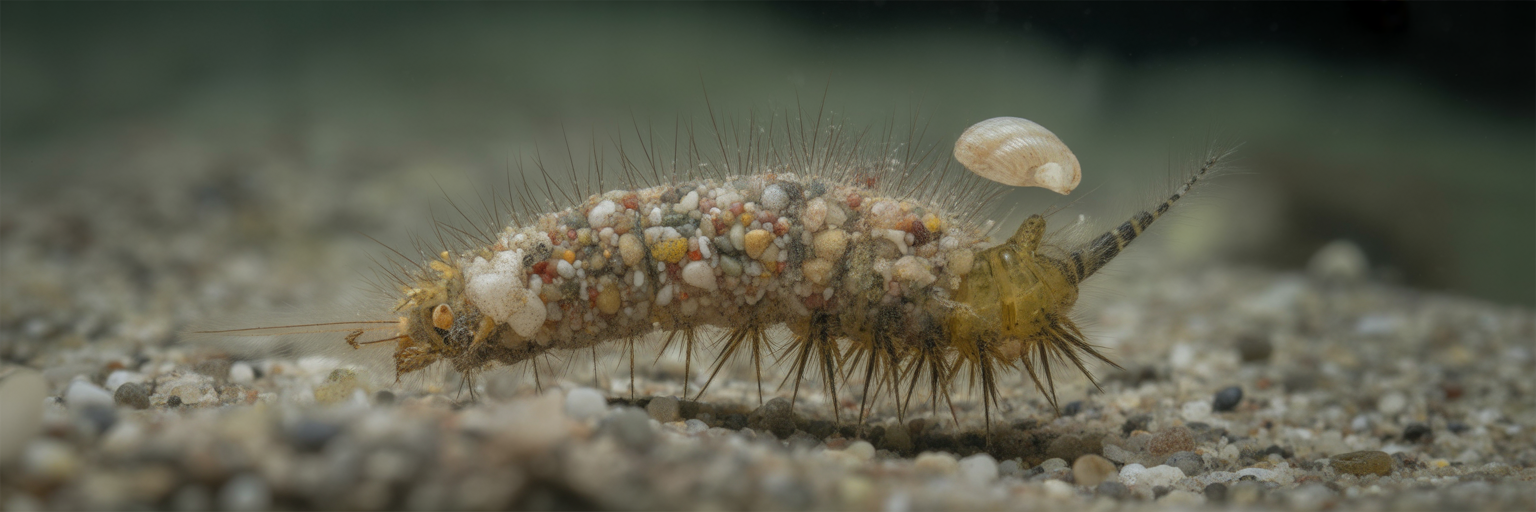
In the clear, flowing water of rivers and streams lives the caddisfly larva, an aquatic architect with an eye for design. This insect constructs its protective case from materials found on the riverbed. Using silk extruded from a gland near its mouth, it binds together sand grains, tiny pebbles, snail shells, and bits of vegetation to create a durable, tubular home. The caddisfly larva case is a marvel of underwater engineering. It provides excellent camouflage against the river bottom, hiding the larva from hungry fish and other predators. The hard materials offer physical protection, while the weight of the case acts as a ballast, preventing the larva from being swept away by the current. Different species of caddisfly are known for their distinct architectural styles; some prefer sand, others small sticks, creating a variety of designs that are as beautiful as they are functional.
The Bone Collector: Assassin Bug
Perhaps the most macabre builder of all is a species of assassin bug (Acanthaspis petax). This predator takes recycling to a terrifying new level by constructing a shield from the corpses of its victims. After hunting and consuming ants, the bug attaches their empty exoskeletons to its back, creating a grotesque “corpse coat.” This ‘bone collector’ behavior, as documented by ZME Science, involves creating a ‘corpse coat’ that serves as both physical and chemical camouflage, allowing it to hunt its prey more effectively. The pile of dead ants acts as a physical shield, but its true genius lies in olfactory warfare. The scent of the dead ants masks the assassin bug’s own smell, allowing it to approach other ants without triggering alarm. It’s a chillingly effective disguise that turns the bug into a wolf in sheep’s clothing, or more accurately, a predator disguised as its own prey. This form of morbid recycling is a testament to nature’s pragmatism, much like how the animal that survives venom by breaking it down mid-attack turns a predator’s weapon against itself.
The Junk Hoarder: Lacewing Larva
Rounding out our gallery is the lacewing larva, often called a “junk bug.” This tiny creature has a habit of piling debris onto its back, including lichen, bark, dust, and the remains of its prey. This pile of junk serves as excellent camouflage, making the larva look like a random bit of fluff rather than a juicy meal. The debris also acts as a physical shield, confusing predators and making the larva difficult to grab. Like the other builders, the lacewing larva demonstrates that in the insect world, there’s no such thing as trash. Everything is a potential building material, a tool for survival in a world that is constantly trying to erase you.
The Engineering Behind Portable Armor
The bizarre and sometimes disgusting habits of these insect architects are not random quirks of nature. They are highly engineered solutions to the fundamental problem of survival. Each mobile home is a piece of portable animal armor, designed with specific strategic advantages in mind. When viewed through the lens of military engineering, the genius of these tiny builders becomes clear.
These insects have mastered several key defensive principles:
- The Art of Invisibility: The first rule of survival is not to be seen. By constructing their cases from local materials, bagworms and caddisfly larvae achieve a state of near-perfect camouflage. They don’t just hide in their environment; they become part of it. A predator hunting by sight might look directly at a bagworm and see nothing more than a cluster of leaves. This ability to blend in allows the insect to feed and move with a greatly reduced risk of detection. This concept of building for misdirection is not unique; it’s a strategy also seen in the bird that builds fake doors to confuse predators.
- A Physical Barrier: When camouflage fails, the armor must hold. The cases built by these insects are surprisingly tough. The bagworm’s home is a composite material of silk and wood fibers, creating a shell that is difficult to tear or crush. The caddisfly’s stone case is a miniature fortress, resistant to the beaks of fish. This physical barrier makes the insect a difficult and unrewarding target. A predator must expend significant energy to break through the armor, often for a very small meal. In many cases, the predator will simply give up and look for easier prey.
- Chemical and Psychological Warfare: Some of the most advanced tactics involve messing with a predator’s head. The leaf beetle’s fecal shield is a prime example of chemical warfare, using repulsion as its primary weapon. The assassin bug’s corpse armor is a form of psychological and olfactory warfare. It not only hides the bug but also uses the scent of its victims to deceive its next meal. These strategies attack a predator’s senses, turning their own instincts against them.
Of course, this level of defense comes at a cost. Building and carrying a house requires a significant amount of energy. It also slows the insect down, making it less mobile than its unburdened counterparts. However, this is a calculated evolutionary trade-off. In a world filled with fast-moving predators, these insects have bet on defense over speed. The massive increase in their survival rate proves that it was a winning bet. For these tiny engineers, slow and steady doesn’t just win the race; it keeps you alive.
An Evolutionary Blueprint for Survival
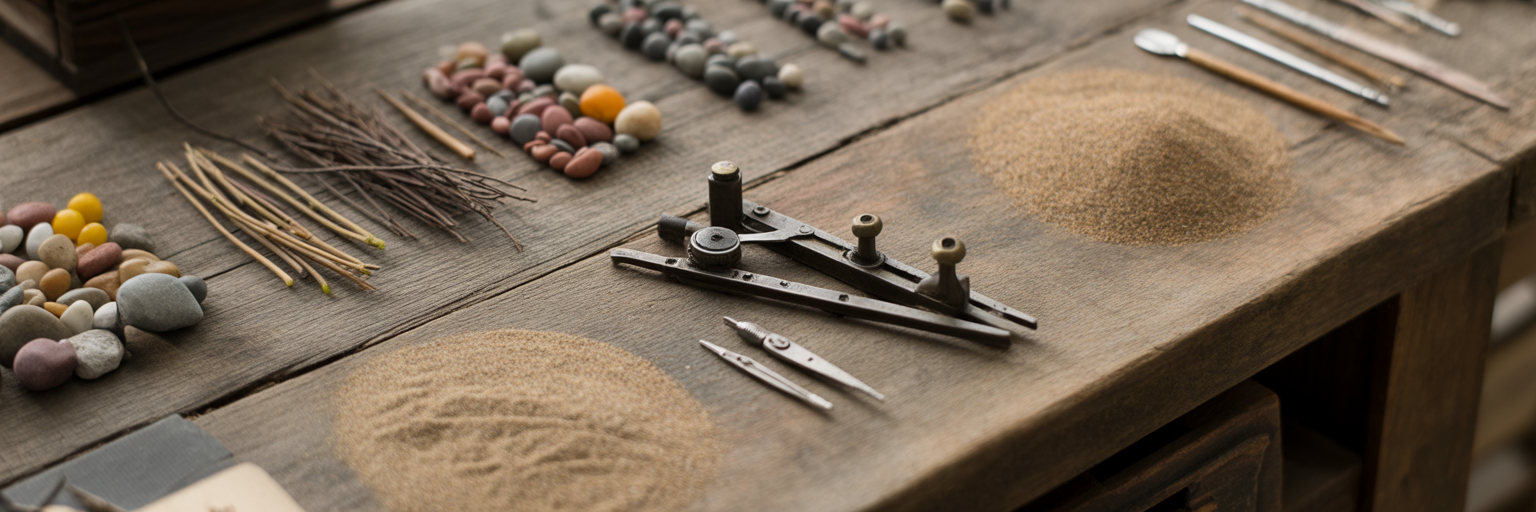
The existence of these tiny, mobile homes is more than just a collection of strange facts. It’s a window into the powerful forces that shape life on our planet. The strategies of these insects that build houses reveal a fundamental blueprint for survival, one based on resourcefulness, defense, and a relentless evolutionary arms race. Their bizarre habits are a testament to the incredible creativity of natural selection.
The Predator-Prey Arms Race
The development of portable armor is a classic example of a predator-prey arms race. For millions of years, predators have been evolving better ways to find and eat prey, developing sharper eyesight, stronger jaws, and more effective hunting techniques. In response, prey has evolved better ways to avoid being eaten. The construction of a mobile fortress is a defensive escalation in this ongoing conflict. As predators got better at hunting, the selective pressure on insects to develop effective defenses increased. Those that could build a better house were more likely to survive, reproduce, and pass on their architectural genes to the next generation.
Convergent Evolution in Action
One of the most compelling pieces of evidence for the effectiveness of this strategy is the fact that it evolved independently in many different, unrelated groups of insects. This phenomenon is known as convergent evolution. The bagworm is a moth, the caddisfly is in a completely different order, and the leaf beetle is, of course, a beetle. These insects do not share a recent common ancestor that built portable homes. Instead, they all arrived at the same brilliant solution to the same universal problem: how to survive in a dangerous world. When different species independently develop a similar trait, it’s a strong indicator that the trait provides a significant survival advantage.
The Genius of Turning Trash into Treasure
At its core, the story of these insect architects is about resourcefulness. They have mastered the art of turning abundant, low-value materials into a life-saving asset. Twigs, sand, leaves, and even their own waste are transformed from environmental junk into sophisticated pieces of defensive technology. This ability to make something from nothing is a powerful evolutionary advantage. It allows these insects to thrive in a wide range of environments without competing for scarce resources. This resourcefulness is a hallmark of survival, just as it is for the animal that survives by shrinking its own organs to conserve energy.
The next time you see a strange pile of debris moving on its own, take a closer look. You’re witnessing a master survivalist in action, a tiny prepper whose bizarre and unsettling habits are a testament to the relentless ingenuity of evolution. In the brutal fight for life, carrying your own fortress—no matter what it’s made of—is a strategy that has proven its worth time and time again.