The Unseen Puppeteers of the Wild
Imagine a bird, sharp-eyed and confident, diving toward a butterfly resting on a leaf. The strike is perfect, a direct hit on a vibrant splash of color. But as the bird pulls back, it holds only a useless fragment of wing. The butterfly, now slightly ragged but very much alive, flutters away. This is not a lucky escape. It is the result of a calculated, evolutionary trick. The bird was never aiming for the butterfly. It was aiming for the decoy.
A biological decoy is a feature or behavior that has evolved for one purpose: to misdirect. It is a lie told in the language of anatomy and action, designed to fool a predator’s senses or lure prey into a fatal mistake. These are not simple camouflage tactics meant to hide. They are deliberate illusions intended to be seen, to draw attention, and to manipulate the behavior of another creature. The natural world is filled with these deceptions, turning survival into a high-stakes performance of misdirection.
This is not just about defense. While many decoys serve to protect an animal from becoming a meal, others are offensive weapons. They are the baited hooks and false promises that turn the hunter into the hunted. The same fundamental principle of deception can be used to save a life or to end one. Understanding these animal decoy strategies reveals a layer of unnerving intelligence woven into the fabric of instinct.
This article does not focus on a single master of deceit. Instead, it explores a disturbing and widespread survival tactic found across the tree of life. From false body parts to constructed body doubles, nature’s illusionists operate with a cold logic that blurs the line between instinct and intent. The world is full of these puppeteers, and their strings are pulled by the brutal necessity of survival.
Wearing a Mask of False Body Parts
The most intimate deceptions are the ones an animal wears on its own body. This is automimicry, where a part of an organism is modified to look like something else, creating a life-saving illusion. These are not accessories. They are integrated, biological lies, from eyes that do not see to heads that do not think.
The Unblinking Stare of Eyespots
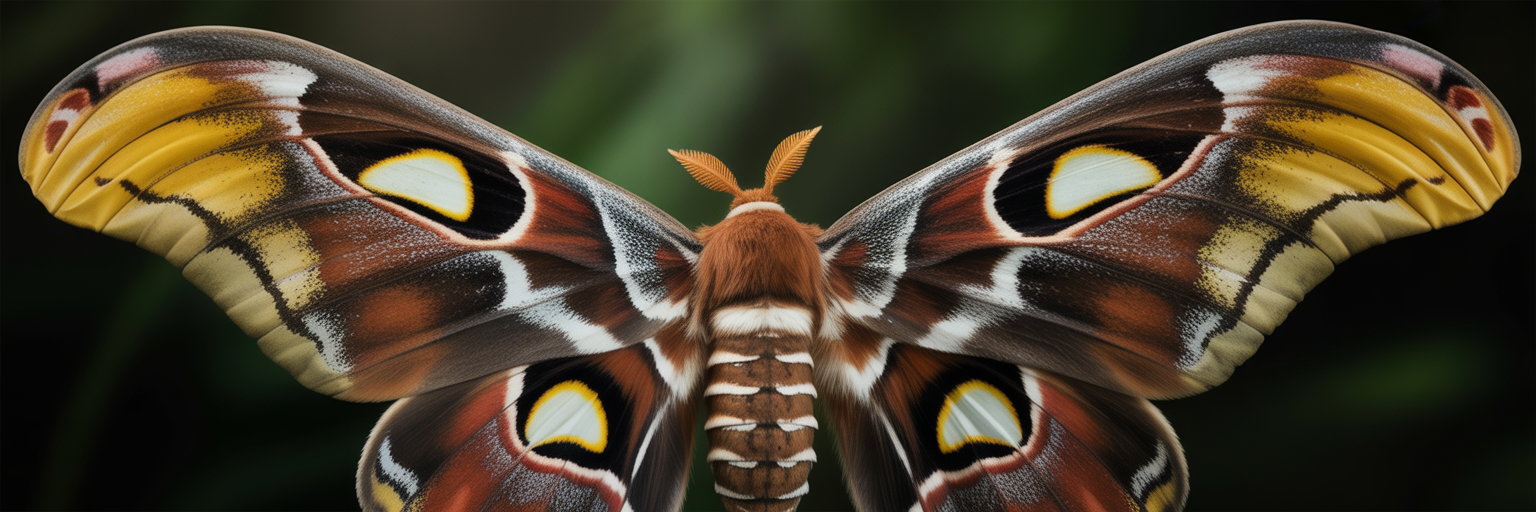
Some of the most startling false eyespots on animals are not for vision but for intimidation. Ocelli, the large, circular markings found on the wings of creatures like the Emperor moth, are a classic example. When a predator, such as a bird, gets too close, the moth flashes its wings. The sudden appearance of two large, unblinking “eyes” triggers a moment of hesitation. The predator’s brain registers the pattern as a potential threat, perhaps the face of its own predator, like an owl. That split second of confusion is all the moth needs to escape. These startling patterns are one of nature’s most effective visual tricks, a subject that reveals even more about predator psychology and how fake eyes work to scare predators.
The False Head Gambit
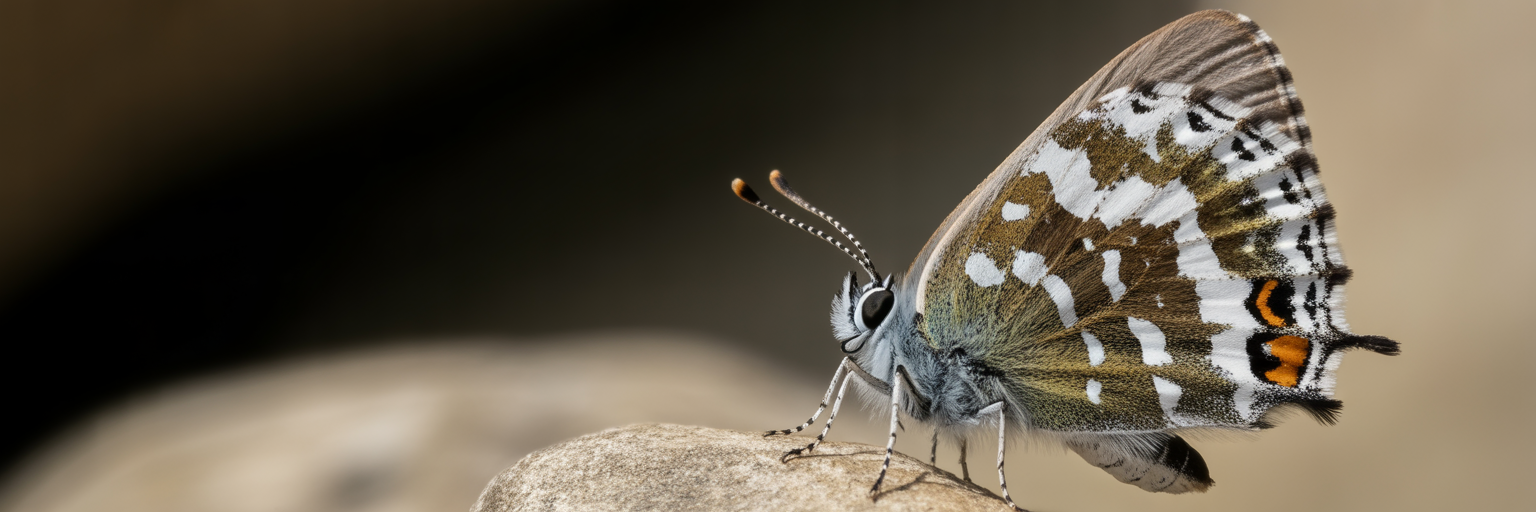
While eyespots create a threatening illusion, other decoys offer a false target. Hairstreak butterflies have perfected this strategy with an anatomical sleight of hand. Their hindwings are equipped with long, thin filaments that look like antennae and colorful spots that mimic eyes. When the butterfly lands, it orients itself so this “false head” is more prominent, often wiggling the filaments to enhance the effect. A hungry bird, conditioned to strike at the head for a quick kill, pecks at this disposable part of the wing. The butterfly loses a piece of itself but flies away, its vital organs untouched.
The Calculus of Self-Sacrifice
This false head gambit is a chilling example of evolutionary cost-benefit analysis. The animal is programmed to offer up a non-essential part of its body to save the whole. It is a calculated sacrifice, where the decoy’s success is measured by the damage it sustains. The entire misdirection is a masterclass in psychological manipulation:
- It directs a predator’s attack away from the real head and vital organs.
- It causes the predator to misjudge the butterfly’s orientation and likely escape direction.
- The damage sustained is non-lethal, allowing the butterfly to survive and reproduce.
This strategy reveals a core truth about survival. In the brutal economy of the wild, some body parts are expendable assets, sacrificed to ensure the organism’s continued existence.
The Chilling Art of Imitating the Lifeless
Some deceptions go beyond mimicking a body part and instead involve imitating something entirely different. The most unsettling of these involve blurring the line between the living and the dead. These strategies can be defensive, making an animal appear inedible, or horrifyingly offensive, using the promise of life to deliver death.
Thanatosis: The Performance of Death
When threatened by a predator like a fox or coyote, the North American opossum puts on a disturbingly convincing performance. It enters a state of thanatosis, or tonic immobility. This is not simply “playing” dead. It is an involuntary physiological response. The animal’s body goes limp, its heart rate plummets, and it begins to drool. To complete the illusion, its anal glands secrete a foul-smelling fluid that mimics the stench of decay. Many predators have a powerful, instinctual aversion to carrion, as rotting meat can carry disease. By becoming a “corpse,” the opossum makes itself deeply unappetizing. This state of apparent death is a complex physiological response, far different from the simple mechanical reasons that explain why bugs flip over when they die. This is one of the most well-known examples of animals that fake death.
Aggressive Mimicry: The Lure in the Dark
While the opossum imitates death to repel a threat, other creatures use imitation to attract a victim. The Alligator Snapping Turtle is a master of this offensive deception. It lies perfectly still at the bottom of a murky river, its craggy, moss-covered shell making it look like a rock. Its mouth hangs open, and inside, a small, pink, fleshy appendage on its tongue twitches and writhes. To a passing fish, this lingual lure looks exactly like a juicy worm. When the fish moves in for an easy meal, the turtle’s jaws snap shut with incredible force. This is a textbook case of aggressive mimicry in predators, where the decoy is not a shield but a baited trap.
| Strategy | Example Animal | Decoy Type | Goal of Deception | Outcome for the Target |
|---|---|---|---|---|
| Thanatosis (Playing Dead) | North American Opossum | Imitates a decaying corpse | Appear inedible to a predator | Predator abandons the ‘dead’ meal |
| Aggressive Mimicry | Alligator Snapping Turtle | Imitates a live worm (prey) | Lure unsuspecting prey into striking range | Prey is captured and consumed |
| Stick Mimicry | Stick Insect | Imitates an inanimate twig | Avoid detection by predators | Predator overlooks the insect entirely |
| Aggressive Mimicry | Female Photuris Firefly | Imitates the flash pattern of another species | Lure males of another species closer | Male firefly is captured and eaten |
This table highlights the dual nature of imitation in the animal kingdom. The decoy’s purpose—whether to repel a threat or attract a victim—dictates the entire performance and its deadly or life-saving outcome.
Building a Lie from Debris and Silk
Some animals are not content with the deceptions their own bodies provide. They become architects of deceit, constructing physical decoys from the materials around them. These are not just nests or shelters. They are carefully crafted illusions, built to misdirect attacks or manipulate perceptions in a way that feels unnervingly deliberate.
The Spider’s Body Double
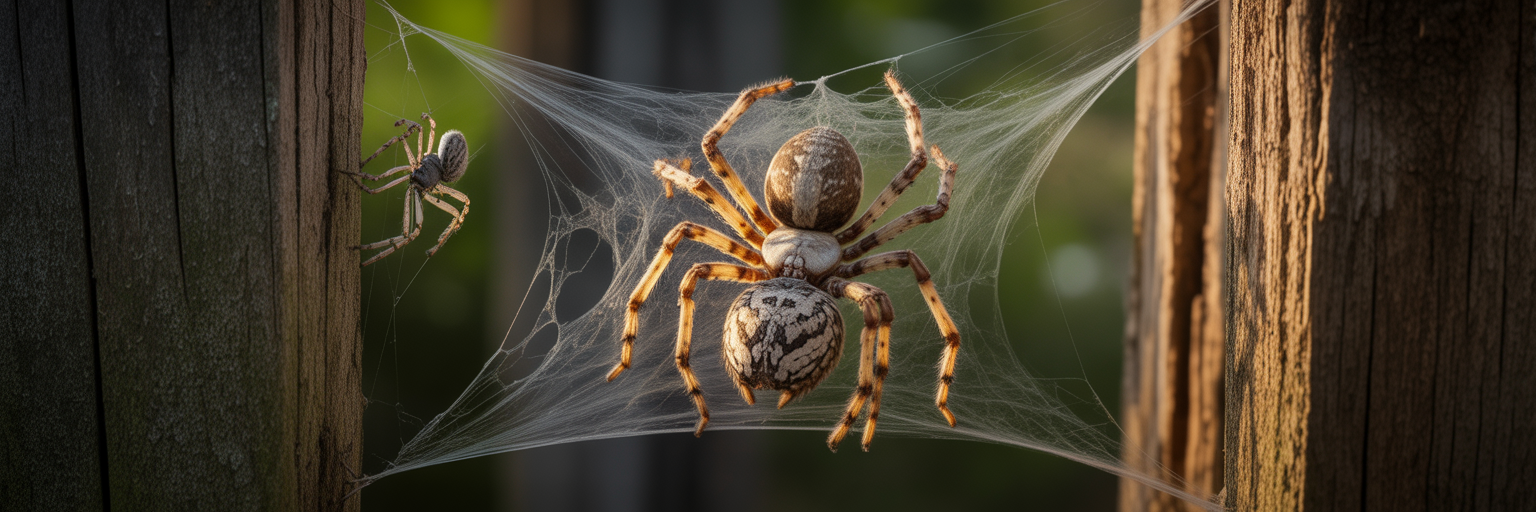
The *Cyclosa* spider, also known as the trashline spider, is a macabre artist. It constructs a “body double” in the center of its web using a grotesque collection of materials: bits of dried leaves, plant debris, and, most disturbingly, the silk-wrapped carcasses of its previous victims. This constructed decoy is often larger and more conspicuous than the spider itself, which hides nearby, camouflaged against the line of debris. When a predator like a hunting wasp arrives, it attacks the obvious, spider-shaped target. The wasp wastes its venom on a pile of trash and corpses, while the real spider remains unharmed. It is a chillingly effective strategy, using the dead to protect the living.
The Architect of Optical Illusions
The Great Bowerbird of Australia takes construction-based deception to a cognitively complex level. The male builds an elaborate structure called a bower, not as a nest, but as a stage for courtship. He then decorates a “court” in front of it with a curated collection of objects like bones, shells, and colorful stones. The truly unsettling part is how he arranges them. He meticulously places the smallest items closest to the bower, where the female will stand to watch his display, and the largest items farther away. This creates a forced-perspective illusion, making his collection of treasures appear larger and more impressive than it actually is. This manipulation of space is a sophisticated form of deception, much like the bird that builds fake doors to confuse predators, proving that intelligence in the wild takes many forms. This behavior, where males arrange objects to create a forced perspective, is a well-documented example of advanced cognitive ability in animals, as noted in reports by publications like Scientific American, which highlight these masters of illusion. This is not just building. It is a form of proto-architecture and sculpture, all in the service of a lie designed to secure a mate.
The High-Stakes Theater of Behavioral Lies
Sometimes, the decoy is not a physical object at all. It is a performance, a fleeting act of behavioral deception that exists only in the moment. These are high-stakes theatrical displays, where an animal’s life depends on its ability to convince an audience of one. The lie is told through movement, sound, and pure, unadulterated nerve.
The Broken-Wing Display: A Parent’s Gamble
The broken wing display is a heart-stopping performance of parental devotion and calculated risk. When a predator like a fox approaches the nest of a ground-nesting bird like the Killdeer, the parent bird moves away from its vulnerable chicks. It begins a frantic, convincing act. It drags one wing on the ground as if it were broken, emits pathetic chirps, and stumbles about, appearing to be an easy, injured meal. The predator, its instincts screaming to go for the easiest target, is lured away from the nest in pursuit. Once the parent has led the threat a safe distance away, it makes a “miraculous” recovery, suddenly taking flight and leaving the duped predator behind. This is not panic. It is a controlled, intelligent performance designed to exploit a predator’s most basic instincts.
The Mesmerizing Dance of Light
Deception can also be hypnotic. Cuttlefish, masters of camouflage, can also use their skin for a more offensive form of visual trickery. Using their chromatophores, specialized pigment cells, they can create dynamic, flowing patterns of light and dark that ripple across their bodies. This display, sometimes called a “passing cloud,” has a mesmerizing effect on prey like crabs. The constant, shifting visual noise seems to overload the crab’s sensory system, creating a moment of confusion or distraction. In that brief window of hypnosis, the cuttlefish strikes. The decoy here is a fleeting, captivating performance of light. This hypnotic display is a stunning example of biological deception, not unlike the predator that hypnotizes prey with light in the deep ocean, turning its own body into a deadly lure.
Nature’s Unsettling Evolutionary Arms Race
The existence of these deceptions points to a deeper, more unsettling truth about the natural world: it is locked in a perpetual co-evolutionary arms race. For every hairstreak butterfly that evolves a false head, there is a predator population slowly learning to spot the fraud. This selective pressure, in turn, forces the butterfly to refine its illusion, making the decoy even more convincing. The performance must constantly improve, or the performer will be eaten.
We have seen a wide range of these biological deception examples. There are false body parts that offer up a disposable target, performances of death that make the living seem inedible, constructed decoys built from debris and corpses, and behavioral lies that turn a parent into a tragic actor. Each strategy is a testament to the relentless pressure of survival. The question that lingers is one of intent. While these are likely programmed, instinctual behaviors, their complexity and effectiveness feel unnervingly intelligent and deliberate.
The reality of animal decoy strategies is a stark reminder that nature is not always a straightforward struggle of strength and speed. It is also a theater of lies, a place of illusion and misdirection where survival often depends on being the most convincing actor. The documented truth of a spider building a body double from its victims or a bird creating an optical illusion is far stranger, and more disturbing, than any fiction. In the brutal theater of the wild, the most convincing lie wins.