Your Backyard Birds Are Walking Bio-Weapons
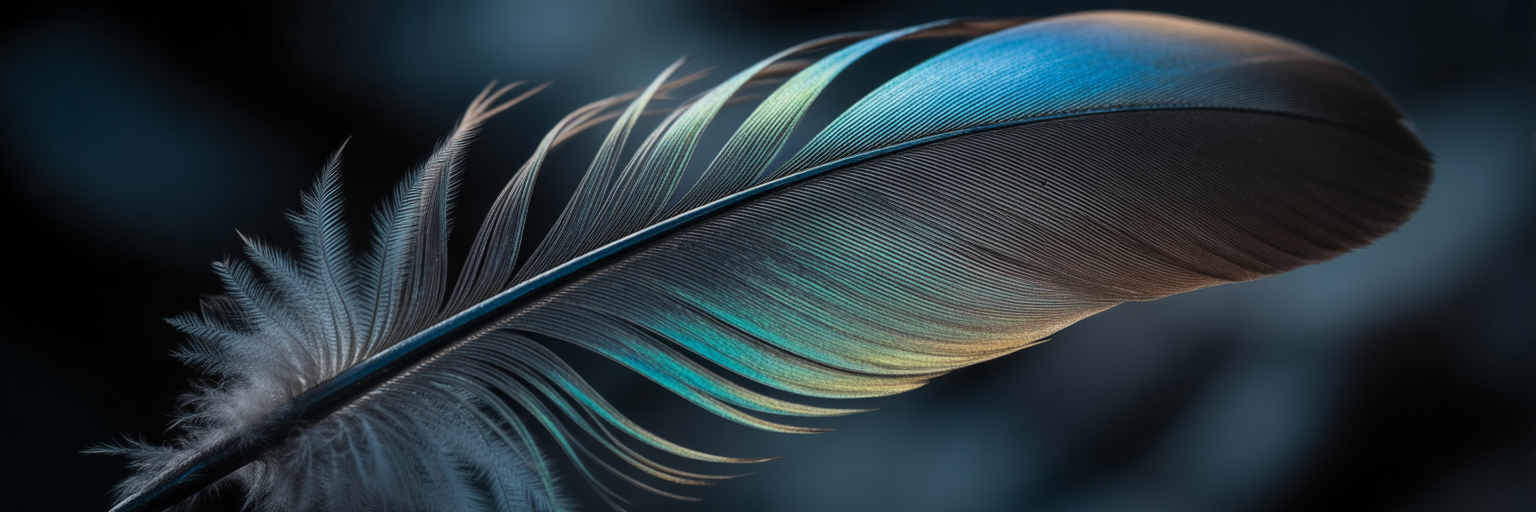
Picture a cardinal, a flash of crimson perched on a snowy branch. It’s a perfect, serene image, the kind you see on greeting cards. Now, lean in closer. That bird isn’t just enjoying the winter air. It’s a walking bio-weapon, a meticulously engineered organism with a psychopathic dedication to cleanliness. Its feathers are not just for flight; they are an active battlefield, a hostile surface designed to exterminate microbial invaders on contact.
Forget the gentle chirping. This creature is engaged in a silent, microscopic war that it has been winning for millions of years. Every moment of its life is dedicated to maintaining a state of lethal purity. A single speck of the wrong kind of fungus or a colony of feather-munching bacteria could mean a slow, undignified end. For a bird, being dirty isn’t just messy. It’s a death sentence. This obsession with hygiene has turned its entire body into a weaponized system.
This constant battle for survival is waged on two fronts. First, there is the chemical warfare. The bird anoints itself with a personal blend of toxic oils, a self-made poison that makes its feathers a slippery, inhospitable wasteland for germs. Second, it employs hired mercenaries. Its body cultivates a personal army of beneficial bacteria that act as microscopic bodyguards, producing their own antibiotics to assassinate any hostile microbes that dare to land. This is how birds kill bacteria: a dual-pronged attack of chemical coatings and a living shield of assassins.
This entire defense system is hidden in plain sight, a deception that rivals nature’s most clever tricks. Just as some creatures use visual illusions to survive, birds employ a microscopic defense system that is far more terrifying. Nature is full of these creepy deceptions, like how fake eyes scare predators, but the bird’s clean-freak lethality is perhaps the most unsettling of all. The next time you see a blue jay at your feeder, remember what you’re really looking at: a creature far cleaner, and far more menacing, than you ever imagined.
The Gland of Doom and Its Oily Death-Wax

The first layer of a bird’s defense is a substance so potent it can only be described as a death-wax. This oily secretion is the product of a hidden arsenal, a specialized organ that works tirelessly to produce the bird’s personal chemical weapon. It’s a system of armament that begins deep within the bird’s body.
The Uropygial Gland: A Hidden Chemical Factory
Tucked away at the base of its tail, every bird has a personal chemical factory known as the uropygial gland. This isn’t some mundane organ; it’s the bird’s gland of doom. The primary uropygial gland function is to brew a complex, waxy oil that serves as the foundation of its antimicrobial shield. This gland is constantly at work, producing a fresh supply of the substance that will soon coat every single feather, turning them from delicate structures into hardened, germ-killing surfaces.
Preening: More Armament Than Grooming
When you see a bird preening, it’s not an act of vanity. It’s a life-or-death ritual. The bird is methodically collecting the toxic payload from its uropygial gland and meticulously applying it to each feather. It runs its beak over the gland, loads up on the oily death-wax, and then carefully paints it from the base to the tip of every feather shaft. This is armament, not grooming. It’s ensuring there are no gaps in its chemical armor, no weak points for a microbial invader to exploit. The bird is preparing for a war it knows is always coming.
The Chemistry of a Kill-on-Contact Coating
So, what is preen oil, exactly? It’s a sophisticated cocktail of compounds designed for maximum lethality. This isn’t just a simple moisturizer. It’s a multi-layered weapon. This isn’t just speculation; a study published in the Journal of Avian Biology confirmed that these oils have significant effects on the bacteria that would otherwise turn feathers to dust, demonstrating a clear chemical warfare strategy. The oil’s components work in concert to create a surface hostile to life:
- Waxy Esters: These form a slick, waterproof barrier. Like a freshly waxed floor, this physical shield makes it nearly impossible for microbes to get a foothold. Water, carrying legions of bacteria, simply beads up and rolls off.
- Fatty Acids: This is the primary chemical weapon. These molecules are bacterial assassins, working by disrupting and literally tearing apart the cell membranes of microbes on contact. They are the poison in the wax.
- Alcohols: Adding another layer to the hostile environment, these compounds contribute to the antimicrobial nature of the surface, making it especially inhospitable for the growth of fungi that would love to feast on feather keratin.
Together, these ingredients make the feather a self-cleaning, germ-destroying surface. Without this oily coating, a bird’s feathers would quickly become a breeding ground for decay, compromising insulation, flight, and ultimately, survival.
Hiring a Microbiome of Tiny Assassins
If the preen oil is a bird’s chemical weapon, its second line of defense is even more bizarre: a living army of microbial assassins. This is where the bird’s strategy moves from passive chemical barriers to active biological warfare. It has learned to cultivate and command a microscopic militia that lives on its body and fights on its behalf.
A Living Cloak of Microbial Mercenaries
The concept of the feather microbiome explained is simple and terrifying. A bird’s feathers are not sterile. They are coated in a carefully curated community of bacteria. This isn’t an infection; it’s an alliance. The bird actively cultivates a living cloak of microbial mercenaries, selecting for species that are not only harmless to it but are actively hostile to its enemies. These are not random hitchhikers. They are a hand-picked squad of killers.
The Symbiotic Deal for Survival
This relationship is a dark pact for mutual survival. The bird offers its feathers as a home, a stable surface with a steady supply of nutrients from the preen oil and shed skin cells. In return, these friendly bacteria on bird feathers pay their rent by waging war. They produce their own potent chemical weapons, known as secondary metabolites, which are essentially natural antibiotics. These compounds target and eliminate the harmful, feather-degrading bacteria and fungi that the preen oil might have missed. This outsourcing of defense is a testament to nature’s brutal efficiency, much like how the animal that survives venom by breaking it down mid-attack has developed its own unique biochemical solution to a deadly problem.
Spotlight on the Star Hitman: Amycolatopsis
Among this legion of tiny assassins, one particular bacterium stands out as a star hitman: Amycolatopsis. This microbe is a specialist. It’s a prolific producer of powerful antibiotics. Recent research detailed in Nature Communications has shown that bacteria from the Amycolatopsis genus, living on feathers, secrete potent rifamycin-like compounds. These are highly effective against the very keratin-eating pathogens the bird fears most. The bird isn’t just carrying bacteria; it’s carrying a living antibiotic factory on its back.
This makes the bird more than just an animal. It’s a walking bioreactor, a super-organism that has outsourced its immune defense to a swarm of microscopic killers. It has turned its own body into an ecosystem designed for war, proving that sometimes the best way to stay alive is to hire something smaller and meaner than your enemies.
The Lethal Beauty of Bacteria-Resistant Colors
Why are birds so colorful? We often think of it as a simple display for attracting mates, but the truth is far more grim and practical. A bird’s vibrant plumage is an honest signal, a flashy advertisement of its superior microbial defense system. That brilliant red cardinal isn’t just pretty; it’s broadcasting its ability to fight off decay at a microscopic level.
Birds with more effective antimicrobial bird feathers, thanks to a potent preen oil and a healthy microbiome, are better able to resist the constant assault of bacteria and fungi. These microbes don’t just make a bird sick; they physically eat the feathers, causing the intricate structures that produce color to break down. This leads to fading, discoloration, and a dull, ragged appearance. A bird with a weak defense system literally has its beauty consumed by germs.
When a female bird chooses a brightly colored male, she isn’t just picking a handsome partner. She is subconsciously selecting for a mate with a top-tier chemical and microbial arsenal. His vibrant colors are proof that his body is a well-defended fortress. His beauty is a direct measure of his lethality against pathogens. This honest signaling is a common theme in nature; just as some birds build fake doors to confuse predators, others use their very appearance to advertise their hidden strengths. A sick bird simply cannot fake a healthy, vibrant coat of feathers.
The difference between a victor and a victim in this microbial war is stark and visible to all.
| Feature | Bird with Strong Defenses (The Victor) | Bird with Weak Defenses (The Victim) |
|---|---|---|
| Feather Color | Vibrant, saturated, and iridescent | Dull, faded, and patchy |
| Feather Structure | Pristine, tightly interlocked, and smooth | Ragged, brittle, and frayed at the edges |
| Insulation Ability | Maintains body heat effectively, repels water | Poor thermal regulation, gets waterlogged easily |
| Flight Efficiency | Silent, powerful, and agile | Noisy, labored, and less maneuverable |
| Mate Appeal | High; seen as a robust and fit partner | Low; perceived as sick and a poor genetic choice |
An Ancient Evolutionary Arms Race
The bird’s sophisticated defense system didn’t appear overnight. It was forged over millions of years in a relentless evolutionary arms race against a single, specialized enemy: microbes that learned to eat feathers. These are the keratinolytic bacteria and fungi, nature’s demolition crew, evolved specifically to digest the tough, fibrous protein that gives feathers their structure.
For a bird, the world is a minefield of these threats. Every branch it perches on, every puddle it drinks from, and every gust of wind carries a potential invasion force. This constant environmental assault drove one of the most fascinating conflicts in evolutionary history. This back-and-forth battle is a hallmark of evolution, similar to the struggle seen in how tiny insects survive fungal artillery fire, where both attacker and defender are constantly innovating. The escalation went something like this:
- The Enemy Appears: Keratin-eating microbes evolve, discovering a new and abundant food source: the feathers of early birds. This poses an existential threat, as damaged feathers mean poor insulation and failed flight.
- The First Shield: In response, birds evolve the first uropygial glands. These early versions likely secreted simple oils, primarily for waterproofing, which offered a mild, passive barrier against microbes.
- The Chemical Escalation: As microbes became more efficient at breaking through the oily layer, natural selection favored birds with more complex preen oils. The chemistry became more toxic, evolving fatty acids and other compounds designed not just to repel, but to kill bacteria on contact.
- The Enemy Adapts: But the microbes fought back. Some strains of bacteria evolved resistance to the bird’s chemical cocktails, learning to tolerate or even metabolize the oils. The chemical shield was no longer enough.
- The Unholy Alliance: Faced with an enemy that could resist its chemical weapons, the bird made a brilliant and bizarre move. It formed a symbiotic alliance with a different set of bacteria, cultivating a living microbiome on its feathers. These hired mercenaries produced their own powerful, targeted antibiotics, creating a secondary, biological defense system that the feather-eaters weren’t prepared for.
This dual-defense strategy—a broad-spectrum chemical barrier combined with a highly specific biological one—is what makes a bird’s defenses so incredibly robust. It’s a redundant, multi-layered system, battle-tested and refined over eons. The bird is a living testament to the brutal creativity of evolution.
What We Can Learn from Feathered Super-Organisms
Let’s be clear: birds are not just animals. They are super-organisms, complex walking ecosystems that have mastered microbial warfare on a scale we are only just beginning to understand. That pigeon you dismiss as a “flying rat” is a hardened survivor of an ancient war, its feathers a monument to millions of years of defensive innovation.
The secrets hidden in their feathers hold immense potential. Imagine hospital surfaces coated in a synthetic, feather-inspired material that kills bacteria on contact, no chemicals needed. What if we could discover a new generation of antibiotics not in a lab, but by studying the microscopic assassins living on a sparrow’s wing? Humanity is finally starting to catch on to the strategies birds have been perfecting for millennia. The bird’s mastery of microbial warfare is just one of countless strange survival tactics in the animal kingdom, from the creature that can hear with its knees to other bizarre adaptations.
This knowledge should permanently alter how you see the birds in your own backyard. That tiny finch is a feathered biohazard to any germ that lands on it. Its entire existence is a masterclass in staying clean in a dirty world. It has weaponized its own body, hired an army of microbes, and turned its beauty into a declaration of its lethal efficiency.
The next time you hear a bird singing, don’t just hear a song. Hear the sound of a victor, a creature that won an invisible war before you even woke up. They are cleaner, cleverer, and far more dangerous than we ever give them credit for.