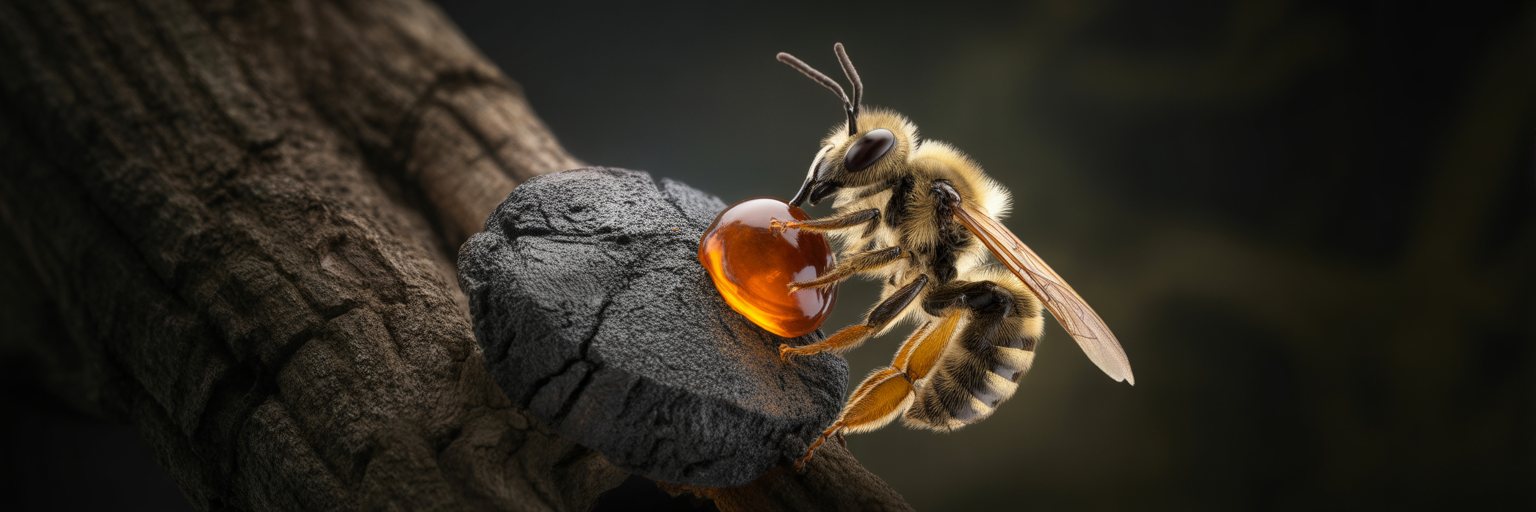
The Forest’s Tiniest, Creepiest Architect
In the silent depths of the forest, epic battles are waged and grand castles are built, not by knights, but by architects the size of a thumbnail. These structures are not made of stone, but of something far stranger: the lifeblood of the trees themselves.
Picture a tranquil forest scene. Sunlight filters through the canopy, dappling the mossy ground. Everything seems peaceful until your eyes catch something unnatural on the trunk of an old tree. It’s a gnarled, dark, lumpy protrusion, looking like a melted gargoyle or a bizarre organic tumor. It seems ancient, sinister, and utterly out of place. This is no random growth. It was built, meticulously and with a grim purpose.
This is the work of a mysterious, obsessive master builder, an engineer driven by a primal need to protect its kingdom. What kind of creature would weaponize the very thing that gives the forest life? It harvests the tree’s own defensive fluids, its sap and resin, treating them as liquid stone and sticky mortar. With these materials, it constructs formidable walls, chokepoints, and traps. These are not just nests; they are true natural defensive structures, designed for siege warfare on a miniature scale. The architect behind this fortress is one of nature’s most unsettling and brilliant builders, proving that in the wild, safety is a project you construct one drop at a time.
Identifying the Master Mason of the Woods
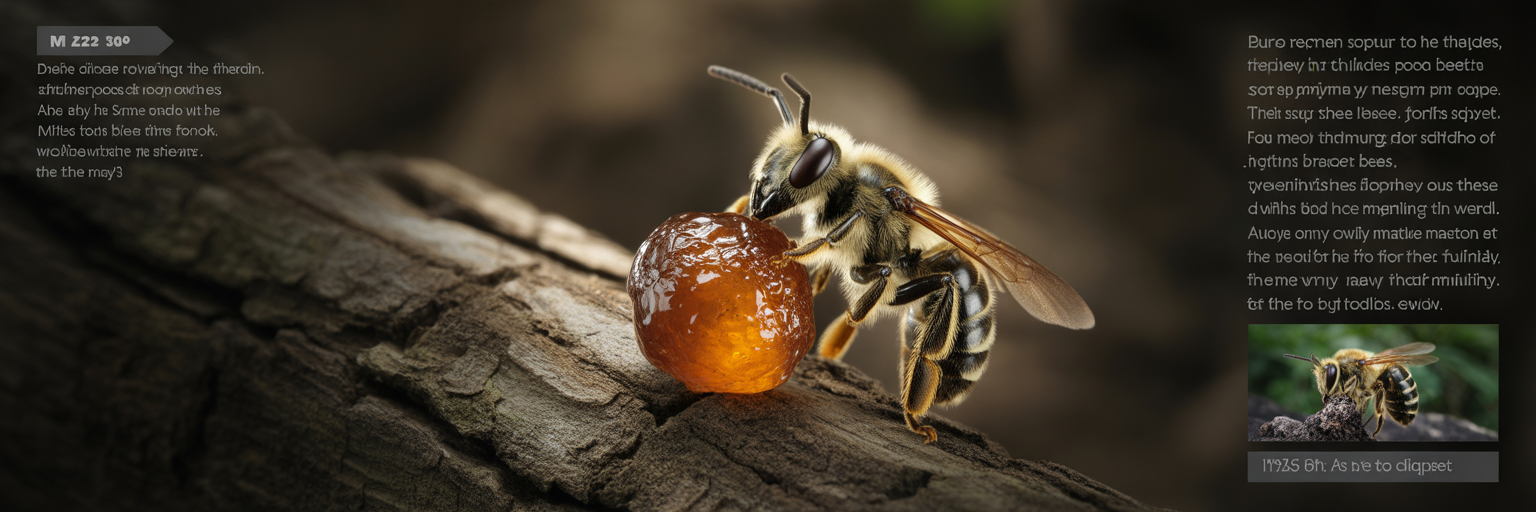
The creature responsible for these resinous citadels is not a spider or some monstrous beetle. The master builders are certain species of stingless bees. But you should banish any image of a fuzzy, bumbling pollinator. These are obsessive, territorial craftsmen with a dark, industrious side. They are the masons and military engineers of the insect world, and their work is deadly serious.
Viewed through the lens of our medieval analogy, their features take on a new meaning. Their powerful mandibles are not for sipping nectar but are stone-crushing jaws used to pry and tear materials from trees. Their constantly twitching antennae are not just feelers but precision surveying tools, assessing angles and structural integrity. Their movements are methodical and relentless, driven by a collective will to build and defend.
This architectural ambition is born of necessity. Inside their tree-hollow keep, they guard a vast treasury: thousands of waxy pots filled with precious honey and pollen, and the colony’s future, the developing brood. This hoard makes them a prime target for every thief and predator in the forest. Their complex social structure, with a single queen and thousands of workers, is a kingdom that requires a castle. While other insects like honeybees rely on a simple wax entrance, these bees engage in proactive, ambitious construction. Their stingless bee defense is not a last resort weapon; it is a permanent, ever-expanding architectural statement. They are true animal architects, proving that the most effective defense is one you build long before the enemy arrives.
The Quest for Liquid Stone and Sticky Mortar
Every fortress begins with a quarry, and for these bees, the quarry is the forest itself. The construction process starts with a dangerous quest for materials. Forager bees, the “quarry workers” of the colony, embark on missions to find trees oozing the perfect resin. They are connoisseurs of sap, seeking specific chemical properties that will make for strong walls and potent defenses. In a clever act of biological appropriation, they target the very substance trees produce to heal their own wounds, turning a plant’s first aid into their own armor.
The harvesting is a laborious and perilous task. A bee will land on a sticky wound on a tree’s bark and begin its work. Using its powerful mandibles, it scrapes and pries off the viscous substance. It’s a messy job. The bee often becomes caked in the material, looking like a tiny mason covered in wet cement. They gather different grades of material for different purposes. Fresh, gooey sap serves as the sticky mortar that binds the structure together. Older, harder chunks of resin are collected like bricks or stone blocks to provide bulk and strength. To create an even stronger composite, they mix these materials with mud, tiny wood fibers, and even their own saliva, creating a natural version of ancient concrete.
Understanding how insects use tree sap is key to appreciating their genius. Once a forager has a full load, it faces the challenge of transporting the sticky, cumbersome cargo. It packs the resin into its corbiculae, the pollen baskets on its hind legs, turning them into sap-stained hods for the long flight home. This resourcefulness is a common theme in the insect world, with other species showing similar ingenuity, like the insect that can turn a leaf into a nursery fortress and food supply.
Raising the Ramparts One Drop at a Time
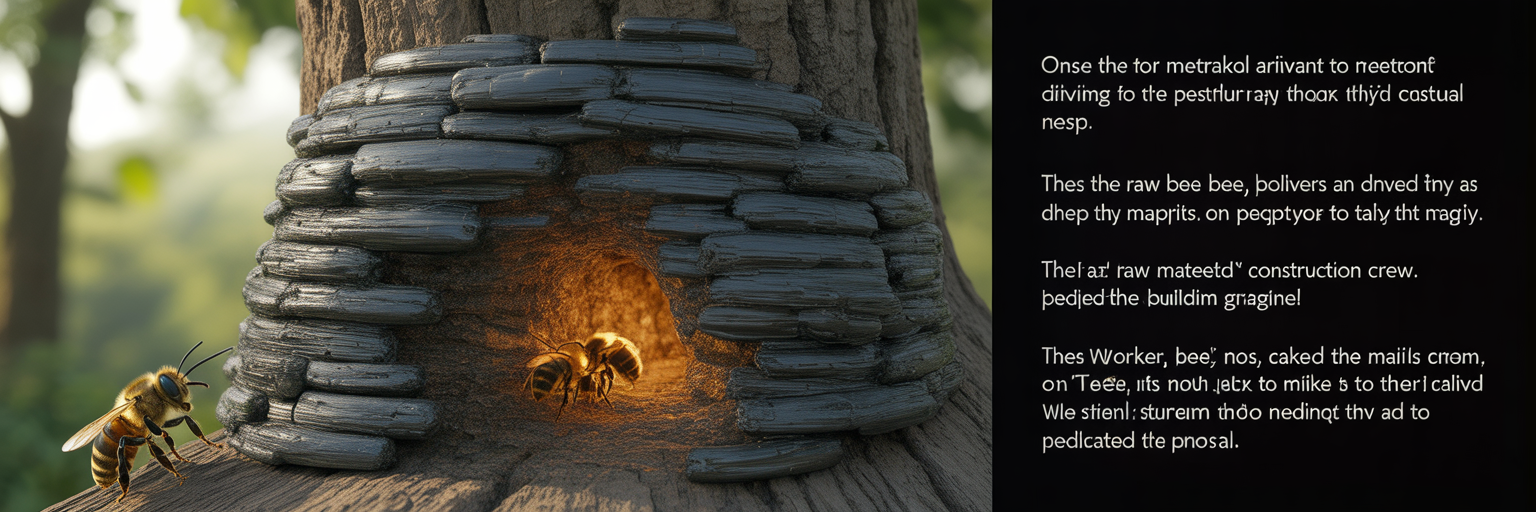
Once the raw materials arrive at the nest, the real construction begins. The forager bee, caked in resin, delivers its payload to a dedicated “construction crew” waiting at the entrance. This is where the raw “stone” is processed into a workable building material. These worker bees, acting as masons, take the resin, chew it, and mix it with their own saliva. This process changes the resin’s viscosity, making it more pliable and easier to apply. It is the insect equivalent of mixing mortar to the perfect consistency.
The application is a marvel of collaborative effort. Dozens of bees work in concert, each adding a tiny drop or smear of the processed resin to the growing structure. It is a slow, meticulous process, with each bee contributing a minuscule amount to the grand project. They are not just building a wall; they are sculpting a fortress. The primary goal is to shrink the wide, vulnerable entrance of their tree-hollow home into a narrow, defensible tube, a feature that functions like a medieval barbican or gatehouse. This forces any potential invader to enter single file, where they can be easily picked off by guards.
The outer layers of the entrance tube are often left intentionally sticky, creating a deadly “tar moat” that can trap unsuspecting enemies. Over days and weeks, the structure grows, drop by drop. As the resin is exposed to the air, it begins to harden, transforming from a tacky, pliable substance into a rock-hard barrier. The ultimate goal of this painstaking labor is to create an impenetrable insect resin fortress, a testament to the colony’s patience and engineering prowess. The final structure is a monument built not in years, but in countless tiny, deliberate actions.
The Architecture of Fear
The completed fortress is more than just a physical barrier; it is an object of intimidation. Its appearance is designed to be unsettling. From the outside, it looks like a gnarled, dark, lumpy protrusion on the side of the tree, a feature that defies easy categorization. It might resemble a piece of melted, blackened plastic or a strange, woody tumor. Its form is asymmetrical and chaotic, a far cry from the delicate geometry of a honeycomb. This is architecture born of paranoia, and it looks the part.
The fortress engages multiple senses to deter threats. In some places, its surface is rock-hard and smooth, polished by the passage of thousands of bees. In others, it remains perpetually sticky, a glistening trap for the unwary. Over time, the structure darkens as it incorporates dust, debris, and the desiccated bodies of failed invaders, making it look ancient and formidable. The strategic genius lies in its chokepoint design. No matter how large the colony’s cavity is, the entrance is always shrunk to a single, narrow tube, a fatal funnel that is easily guarded by just a few soldiers.
This fortress is also a “living” structure. It is not built and then abandoned. The colony is constantly maintaining, repairing, and expanding it. As the colony grows, the walls are thickened, and the entrance tube may be extended. This dynamic defense grows with the colony’s needs, much like a medieval city expanding its walls over generations. The fortress is a physical record of the colony’s history, a dark, sticky monument to its enduring struggle for survival.
A Fortress of Physical and Chemical Warfare

The resin fortress is a masterclass in multi-layered defense, combining brute physical barriers with sophisticated chemical warfare. Each element is designed to counter a specific threat, creating a nearly impenetrable security system.
The Physical Barrier: Hardness and Stickiness
The first line of defense is the structure itself. The hardened resin is incredibly tough, capable of resisting the pecking of birds and the claws of small mammals. The entrance tube is a “fatal funnel,” forcing attackers like rival bees or predatory insects into a single-file line where they are overwhelmed by guards. But the stickiness is perhaps its most gruesome feature. The outer layers act as a permanent flytrap. An ant scout that touches the wall becomes hopelessly stuck. Its struggles only entangle it further, and it is left to die, its body becoming part of the wall—a macabre warning to its comrades. These are some of the most creepy insect facts you will find, where architecture becomes a graveyard.
The Chemical Deterrent: A Wall That Fights Back
The fortress also fights on an invisible front. As a study in Frontiers for Young Minds explains, tree resin is packed with volatile organic compounds that trees use to repel pests. The bees co-opt this property, and their fortress exudes a powerful, repellent odor. This chemical shield wards off many threats before they even make physical contact. Scouting insects are deterred by the smell, and microbes that could cause disease within the colony are killed by the antimicrobial properties of the resin. This chemical signature also serves as a clear territorial marker, broadcasting a message to any rivals: “This fortress is occupied. Stay away.”
| Defense Type | Mechanism | Primary Target | Medieval Analogy |
|---|---|---|---|
| Physical Defense | Hardened resin walls, narrow entrance tube, and sticky outer layers. | Larger predators (birds, lizards) and swarming insects (ants). | Castle walls, a narrow gatehouse, and a tar moat. |
| Chemical Defense | Volatile organic compounds in the resin create a repellent odor. | Scouting insects and microbes that could cause infection. | A foul smell from the dungeons warning away intruders. |
| Structural Integrity | Composite material (resin, mud, wood fibers) that hardens over time. | Brute-force attacks and environmental wear-and-tear. | Reinforced stonework and mortar that strengthens with age. |
| Psychological Deterrent | The sight of previously trapped insects embedded in the wall. | Intelligent or cautious predators and rival colonies. | Displaying the heads of enemies on spikes above the gate. |
Enemies at the Gates and Their Gruesome Fate
A fortress is only as good as its performance under siege, and the resin fortress faces a constant barrage of enemies. Its design is brutally effective against the most common villains of the forest.
Imagine a column of marauding army ants, a terrifying force that can overwhelm almost any nest. The first scouts to reach the fortress are confused by the strange chemical smell. As they press forward, their feet touch the sticky outer wall. They are instantly trapped. The front line of the ant army dissolves into a gruesome, struggling mass, their bodies becoming a permanent, macabre addition to the fortress wall. The swarm is stopped dead in its tracks.
The fate of other attackers is just as grim:
- Robber Bees: These agile aerial thieves specialize in raiding other bee colonies. But the fortress nullifies their speed. They are forced into the narrow entrance tube one by one, where heavily-armed guard bees are waiting to dispatch them in the tight corridor.
- Woodpeckers: A woodpecker’s powerful beak can splinter wood, but it struggles against the resin fortress. The awkward, lumpy shape makes it difficult to get a solid strike, and the extreme hardness of the aged resin can be more like stone than wood. The bird often gives up in frustration.
- Lizards and Small Mammals: Any creature attempting to claw or bite its way through will find its mouth and paws gummed up with the sticky, chemically-unpleasant resin, a powerful deterrent that makes the prize not worth the effort.
This defensive ingenuity is a recurring theme in nature, where survival often depends on clever tricks. It is not unlike nature’s creepiest illusion: how fake eyes scare predators, where a simple visual can be the difference between life and death.
Life Within the Citadel’s Walls
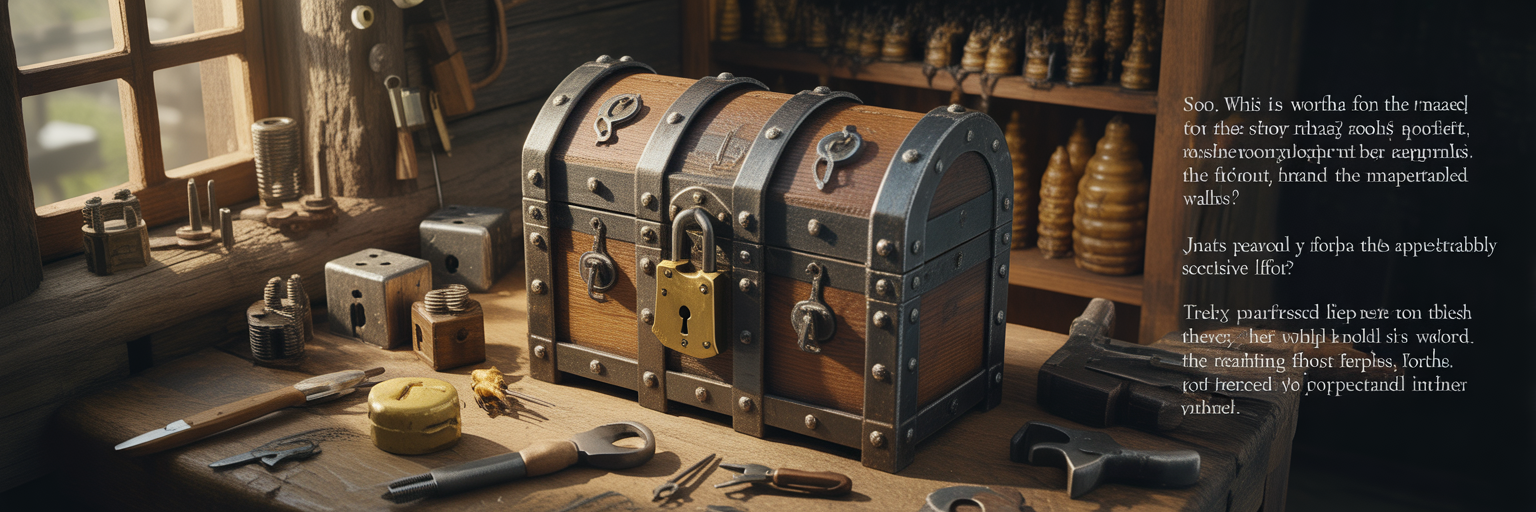
So, what is worth all this grim, obsessive effort? What treasure lies behind these formidable walls? To understand, you must shift your perspective from the violent exterior to the peaceful, bustling society within. Just inches away from the sticky traps and hardened ramparts lies a world of delicate, organized life.
The dark, menacing fortress protects a vibrant kingdom. Inside the tree cavity, thousands of worker bees tend to the colony’s most precious assets. There are the pearly-white larvae, the next generation of workers and soldiers, nestled safely in their wax cells. At the heart of it all is the revered queen, the single mother of the entire colony. And all around are the kingdom’s lifeblood: hundreds of carefully crafted wax pots brimming with golden honey and colorful pollen, the food that will sustain them through lean times.
The fortress serves a secondary, equally vital function: it is an environmental regulator. The thick, insulating resin walls protect the colony from the outside world’s temperature swings and humidity changes. This creates the stable, climate-controlled environment that is crucial for the healthy development of the brood. The stark contrast is breathtaking. The outside is a monument to fear and violence, a sticky, dark fortress designed for war. The inside is a warm, peaceful nursery and a well-stocked pantry. The wall is the line between a harsh, unforgiving world and the fragile future of the colony.
An Unwitting Landlord to Smaller Creatures
In a final, strange twist, this fortress built for total exclusion inadvertently becomes a thriving microhabitat. The very structure designed to keep everything out ends up providing a home for a host of other, smaller organisms. The bees become the unwitting landlords of a bizarre, sticky apartment complex teeming with tiny tenants.
The nooks, crannies, and abandoned sections of the sprawling resin wall offer shelter to creatures too small to be considered a threat. Microscopic mites, tiny pseudoscorpions, and various harmless insects find refuge in the complex topography of the fortress. They are squatters on the castle walls, living their entire lives on the surface of this strange, man-made mountain.
Some of these relationships may even be symbiotic. Certain “tenants” might help the colony by cleaning fungi or feeding on debris that accumulates on the fortress surface, acting as a microscopic cleaning crew. This adds a fascinating layer of ecological complexity. The structure is not just a dead barrier but a platform for a new, miniature community. It is a profound irony: a monument to paranoia and exclusion ends up fostering life. This shows the bee not just as a defender, but as an accidental ecosystem engineer, a reminder of nature’s surprising connections, much like the animal that uses bubbles as tools in unexpected ways.
When the Fortress Isn’t Enough
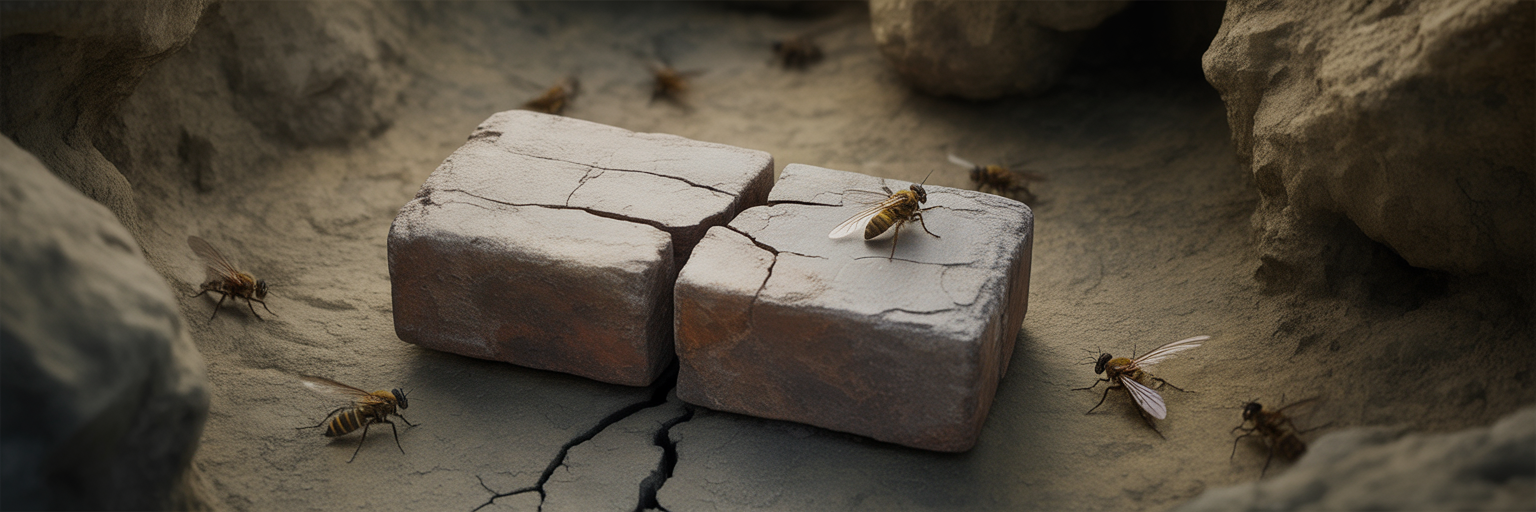
Despite its brilliant design, no fortress is truly impenetrable. The stingless bee’s resin castle is a testament to defensive engineering, but it is not a guarantee of safety. The natural world is a perpetual arms race, and for every genius defense, there is a specialized predator that has evolved a counter-strategy.
Certain species of assassin bugs, for example, have adapted to navigate sticky surfaces, allowing them to stalk the fortress walls without becoming trapped. Robber flies, with their incredible aerial agility, can snatch guard bees directly from the entrance tube, picking off the soldiers one by one. The bees build better walls, and their enemies develop smarter siege tactics.
The fortress is also vulnerable to larger environmental forces. A forest fire can melt the resin and destroy the entire colony in minutes. Deforestation or disease that kills off the specific trees that produce the right kind of resin can leave the bees without their essential building materials, forcing them to make do with weaker structures. This dose of reality does not diminish the bees’ achievement. Instead, it makes their struggle more compelling. Their survival is not a given; it is a constant, ongoing battle against a world of threats, a battle fought with liquid stone and sticky mortar.
A Salute to the Sap-Stained Sovereign
From a humble forager on a quest for tree sap to a master architect raising a citadel, the stingless bee’s journey is one of nature’s most incredible stories. It is a tale of ingenuity, collaboration, and a touch of paranoia. The creepy medieval engineer of the forest may be tiny, but its accomplishments are monumental.
This insect has turned a simple survival need into an art form. It doesn’t just find shelter; it builds a legacy. The resin fortress is a physical manifestation of the colony’s will to survive, a structure that is simultaneously a weapon, a shield, a nursery, and a tomb. It is a prime example of evolution’s boundless creativity, proving that you don’t need size and strength when you have patience and a deep understanding of materials science.
So the next time you walk through a forest, look a little closer at the bark of the trees. You might just spot one of these dark, gnarled structures. When you do, give a nod of humorous respect to its builder. It may be creepy, but its skill is undeniable. It is the undisputed master of its domain, a sap-stained sovereign ruling from a throne of its own sticky, hardened creation.