Nature’s Most Over-the-Top Panic Attack
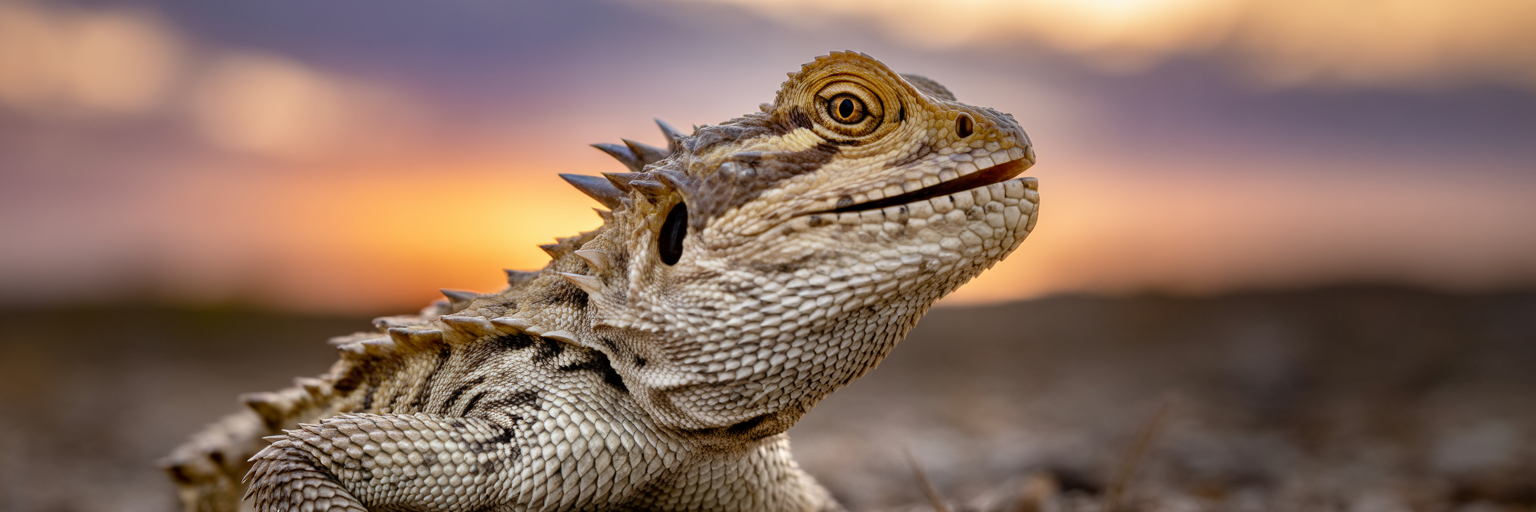
When faced with danger, most animals have a straightforward playbook: fight, flee, or freeze. The horned lizard, however, subscribes to a different philosophy. When a predator gets too close, this desert dweller doesn’t just get scared; it has a complete, theatrical meltdown that culminates in one of nature’s most bizarre spectacles. It intentionally ruptures blood vessels in its head and shoots a stream of blood directly from its eye sockets. This isn’t a graceful, calculated defense. It’s the biological equivalent of screaming, crying, and throwing up all at once.
Imagine the sheer commitment. Instead of relying on its spiky armor or impressive camouflage, the horned lizard decides the best course of action is to give itself a brain hemorrhage. It’s a creature that looks at a hungry coyote and thinks, “You know what would really ruin this guy’s day? A face full of my own vital fluids.” This act of desperation is so extreme it feels less like a survival tactic and more like a performance art piece about anxiety.
The entire process is a masterclass in self-sabotage for the sake of survival. The lizard essentially turns its own circulatory system into a weapon, pressurizing its head until something gives. It’s a messy, shocking, and frankly, disgusting display. But behind the apparent madness lies a brilliant, if unsettling, evolutionary strategy. Why would any creature evolve to do this? How can something so seemingly self-destructive possibly be an effective way to stay alive? The answer is even stranger and more fascinating than the act itself, involving a specialized diet and a chemical cocktail brewed for maximum revulsion.
Getting to Know the Spiky Desert Dweller
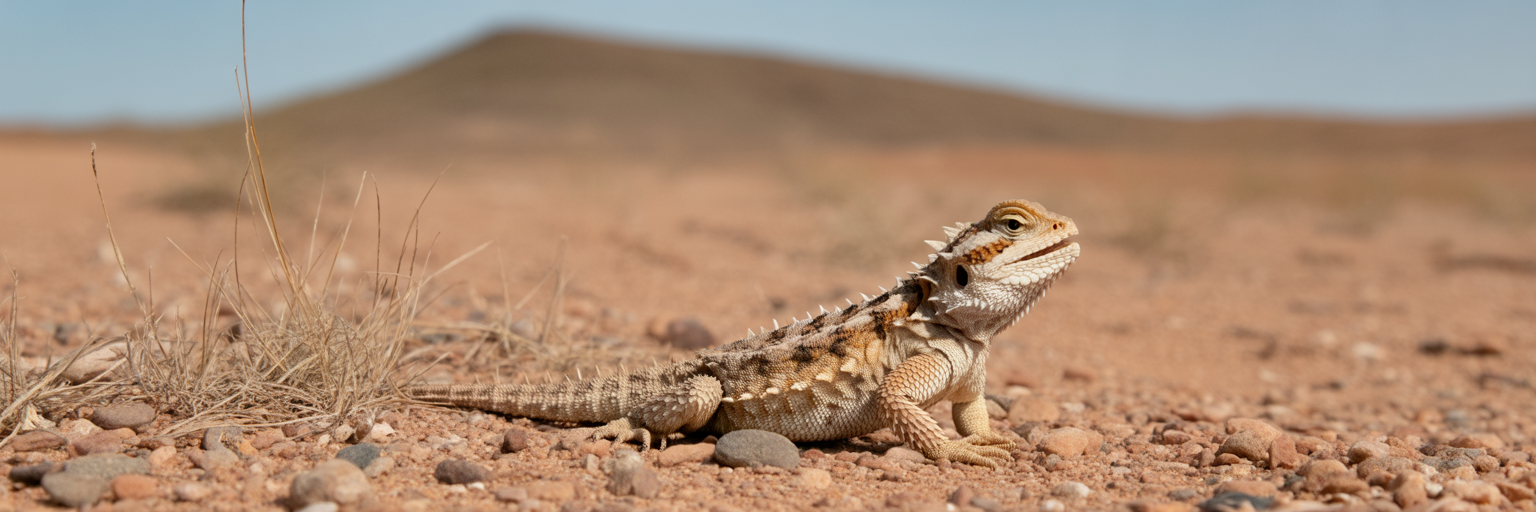
Before we explore its dramatic defense, it’s important to understand the animal behind the blood-squirting. The horned lizard is a creature of many contradictions, starting with its name. Despite being widely called a “horned toad,” it isn’t a toad or even an amphibian. It is a true lizard, a member of the genus Phrynosoma, which translates to “toad-bodied.”
Not a Toad, But a Lizard
The confusion is understandable. With its wide, flat body and short, stubby snout, it bears a passing resemblance to a toad. But that’s where the similarities end. Its body is covered in formidable-looking scales and a prominent crown of horns that gives it a distinctly prehistoric appearance. These horns are not just for show; they are modified scales that make the lizard a difficult and painful meal for many predators. When you look up horned toad facts, the first thing to remember is that you are reading about a reptile, not an amphibian.
Built for the Arid West
Horned lizards are masters of disguise, perfectly adapted to their arid and semi-arid habitats across western North America, from southern Canada to Mexico. Their sandy, mottled coloration allows them to blend seamlessly into the desert floor, making them nearly invisible to predators and prey alike. They often bury themselves in loose sand, with only their eyes and horns exposed, waiting patiently for an unsuspecting meal to wander by. This reliance on camouflage is their first and most important line of defense, allowing them to avoid conflict altogether.
A Calm Demeanor and a Venomous Diet
For an animal with such a dramatic defense, the horned lizard is surprisingly placid. It moves slowly and deliberately, conserving energy in the harsh desert heat. This calm demeanor is a stark contrast to the high-stakes panic of its blood-squirting finale. Its diet is highly specialized and plays a crucial role in its defense. It primarily feeds on harvester ants, a particularly spicy menu item. The lizard will sit near an ant trail and casually pick them off one by one, consuming dozens in a single meal. It is immune to their venomous stings, a trait that is key to its survival. This strange diet is not unique in the animal kingdom; for instance, the star-nosed mole is known as the animal that eats faster than you can blink, showcasing another bizarre feeding adaptation. For the horned lizard, this ant-based diet is the secret ingredient to its revolting weapon.
The Gross Mechanics of a Blood Fountain
The act of shooting blood from the eyes, known scientifically as ocular autohaemorrhaging, is not an accident. It is a controlled, physiological process that the horned lizard deploys with surprising precision. It’s a shocking display that unfolds in a few rapid, gruesome steps.
- The Trigger: The process begins when a predator, typically a canine like a coyote or a fox, gets too close for comfort. Camouflage has failed, and puffing up its body hasn’t deterred the attacker. The lizard is likely in the predator’s mouth or just moments from being captured. This is the point of no return, where the lizard commits to its most extreme defense.
- Internal Pressure Cooker: In response to the immediate threat, the lizard intentionally contracts muscles that restrict blood flow leaving its head. It clamps down on the major veins, while arteries continue to pump blood in. This causes a massive and rapid spike in cephalic blood pressure. The lizard’s head essentially becomes a pressurized container, with the blood having nowhere to go.
- The Rupture Point: This intense pressure builds in the orbital sinuses, the delicate, blood-filled cavities surrounding the eyes. The pressure becomes so great that it intentionally ruptures the thin capillary walls in the corners of its eyelids. This is not a random, damaging explosion. It’s a targeted breach at a specific, weak point, designed to release the pressure in a controlled direction.
- The Aimed Spray: The result is a fine, targeted stream of blood that can shoot up to five feet. The lizard that shoots blood is not just spraying wildly; it can aim with remarkable accuracy, usually directing the stream at the predator’s mouth and face. The lizard can perform this feat multiple times in a short period, though it comes at a high energy cost, losing a significant portion of its blood volume in the process.
This mechanism is a stunning example of an animal turning a biological function into a weapon. It’s a high-stakes gamble, but one that is brutally effective for reasons that go far beyond simple shock value.
A Revolting Cocktail Brewed from Ants
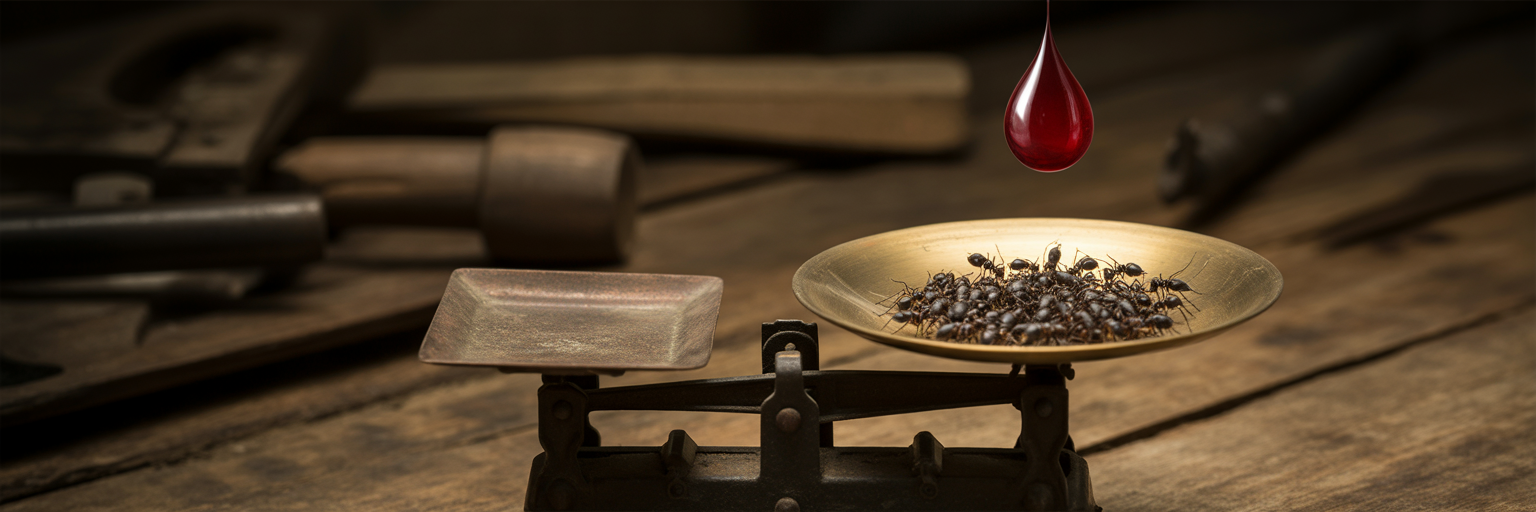
A squirt of blood might startle a predator, but it wouldn’t be enough to save the horned lizard’s life on its own. The real power of this defense lies not in the blood itself, but in what’s mixed into it. The lizard’s bloodstream contains a foul-tasting chemical compound that makes it utterly repulsive to certain predators.
The Secret Ingredient in the Blood
The key question is, why do horned lizards squirt blood with such a disgusting flavor? The answer is found in their diet. The blood is laced with chemical compounds derived directly from the venomous harvester ants they eat. These compounds are based on formic acid, the same chemical that gives ant bites their painful sting. While this acid is a potent defense for the ants, the horned lizard has evolved not only to be immune to it but to use it for its own purposes. It sequesters these chemicals from the ants and concentrates them in its plasma. The lizard’s blood becomes a stored chemical weapon, ready to be deployed at a moment’s notice.
From Ant Venom to Defensive Weapon
When a coyote or fox gets a mouthful of this chemically-spiked blood, the effect is immediate and intensely negative. The taste is so vile that it triggers a gag reflex, causing the predator to shake its head, drool, and frantically try to get the taste out of its mouth. It’s not just unpleasant; it’s a powerful form of chemical punishment. This creates a strong learned aversion. A predator that has experienced the horned lizard’s bloody, disgusting defense is unlikely to try attacking one again. Scientific analysis has confirmed this link. As detailed in research by Wade C. Sherbrooke and Bruce A. Kimball in their paper “Antipredator Blood-Squirting Defense in Horned Lizards (Phrynosoma),” compounds from harvester ants are sequestered into the lizard’s plasma, making it unpalatable. The horned lizard’s relationship with ants is a fascinating example of co-evolution. This one-sided interaction is reminiscent of other strange insect relationships, such as the caterpillar that tricks ant colonies into raising it as their own.
An Unforgettable Experience for the Attacker
To truly appreciate the effectiveness of this defense, you have to imagine it from the predator’s point of view. Picture a young coyote, hunting in the sparse scrubland of the American Southwest. It spots a small, flat creature, barely distinguishable from the sandy soil. Curious and hungry, the coyote moves in for an easy meal. The lizard remains still, relying on its camouflage, but the coyote is persistent. It nudges the spiky creature with its nose.
The lizard puffs up, becoming a thorny, unappealing ball, but the coyote is undeterred. It opens its jaws and gently picks up the lizard. In that instant, the world changes. A warm, surprisingly forceful jet of dark red liquid erupts from the lizard’s eye, striking the coyote directly in the mouth and nose. The initial shock is one of confusion. What just happened? The warm, coppery smell of blood fills its senses. But then, the chemical payload hits.
An acrid, burning taste, unlike anything the coyote has ever experienced, floods its mouth. It’s not the taste of prey; it’s the taste of poison. The coyote recoils instantly, dropping the lizard. It begins to gag, shaking its head violently to expel the vile substance. It paws at its face, trying to wipe away the offensive fluid, but the taste lingers. The experience is so jarring and unpleasant that the hunt is forgotten. The only instinct is to get away from the source of this revolting sensation. The coyote retreats, confused, disgusted, and thoroughly educated. It has just received a memorable lesson: some meals are not worth the trouble. The horned lizard, bruised but alive, scurries away, its dramatic, disgusting defense having secured another day of life.
The Horned Lizard Defense Mechanism Playbook

The blood-squirting spectacle is so bizarre that it often overshadows the fact that it is just one part of a sophisticated, multi-layered survival strategy. The horned lizard defense mechanism is a playbook of escalating tactics, with the blood fountain reserved as a final, desperate gambit. The lizard is a calculated survivor, not a one-trick pony.
- First Line of Defense: Camouflage. The horned lizard’s primary defense is not to be seen at all. Its mottled, sandy coloration and flat body make it exceptionally difficult to spot against the desert floor. It will often freeze in place, relying on its natural disguise to let danger pass by.
- Second Tactic: Inflation. If detected, the lizard’s next move is to make itself as difficult to eat as possible. It inhales deeply, puffing its body up with air. This makes it appear larger and causes its spiky scales to stick out, turning it into a thorny, unswallowable ball that can deter gape-limited predators like snakes.
- Third Option: Running. Though known for their slow movements, horned lizards can muster surprising bursts of speed when necessary. They will make short, quick dashes to the nearest cover, like a rock or shrub, to break a predator’s line of sight.
- The Last Resort: Blood-Squirting. Only when it is cornered, captured, or in imminent danger of being eaten does the lizard deploy its ultimate weapon. This high-cost, high-impact defense is reserved for specific threats, primarily canid and felid predators that are susceptible to its foul taste.
This tiered strategy shows an incredible efficiency. The lizard’s layered defenses are a masterclass in survival, much like how the parrotfish sleeps inside a bubble of its own slime to mask its scent. Each step is designed to counter a specific level of threat, ensuring the most energy-intensive defense is used only when absolutely necessary.
| Defense Tactic | Trigger / Threat Level | Energy Cost | Effectiveness Against |
|---|---|---|---|
| Camouflage | Passive; predator in vicinity | Very Low | Visual hunters (birds, mammals, snakes) |
| Inflation (Puffing Up) | Predator is close and has detected the lizard | Low | Gape-limited predators (snakes, some lizards) |
| Running | Predator is in active pursuit | Moderate | Slower predators; allows escape to cover |
| Blood-Squirting (Ocular Autohaemorrhaging) | Imminent physical contact or capture | High | Canid and felid predators (coyotes, foxes, cats) |
The Evolutionary Logic of a Bizarre Weapon
From an evolutionary standpoint, shooting blood from your eyes seems like a terrible idea. It involves self-injury, significant blood loss, and high energy expenditure. Yet, it persists because it is a hyper-specialized solution to a very specific problem. This is a prime example of what biologists call a “costly signal.” The very risk and energy involved in the display is what makes it such an honest and effective deterrent. A predator understands that an animal willing to harm itself this dramatically is not to be trifled with.
This defense is not a universal tool. It evolved specifically to counter the hunting strategies of canid and felid predators, which are common in the horned lizard’s habitat and rely heavily on their senses of taste and smell. The foul-tasting blood directly exploits this reliance, turning the predator’s own senses against it. However, this specialization comes with limitations. The blood-squirting defense is largely ineffective against birds of prey. A hawk or a roadrunner, which kills and swallows its prey quickly without much tasting, would be unfazed by the chemical cocktail. Against these aerial threats, the lizard must rely on its camouflage and spiky armor.
This balance highlights a fundamental rule of nature: there is no single perfect defense. Every survival strategy is a trade-off. While it ranks high among weird animal defenses, blood-squirting is a brilliant, niche adaptation that demonstrates the incredibly specific and creative pressures of natural selection. It’s a messy, dramatic, and costly weapon, but for the horned lizard, it’s the perfect tool for the job.
Protecting Nature’s Little Oddball
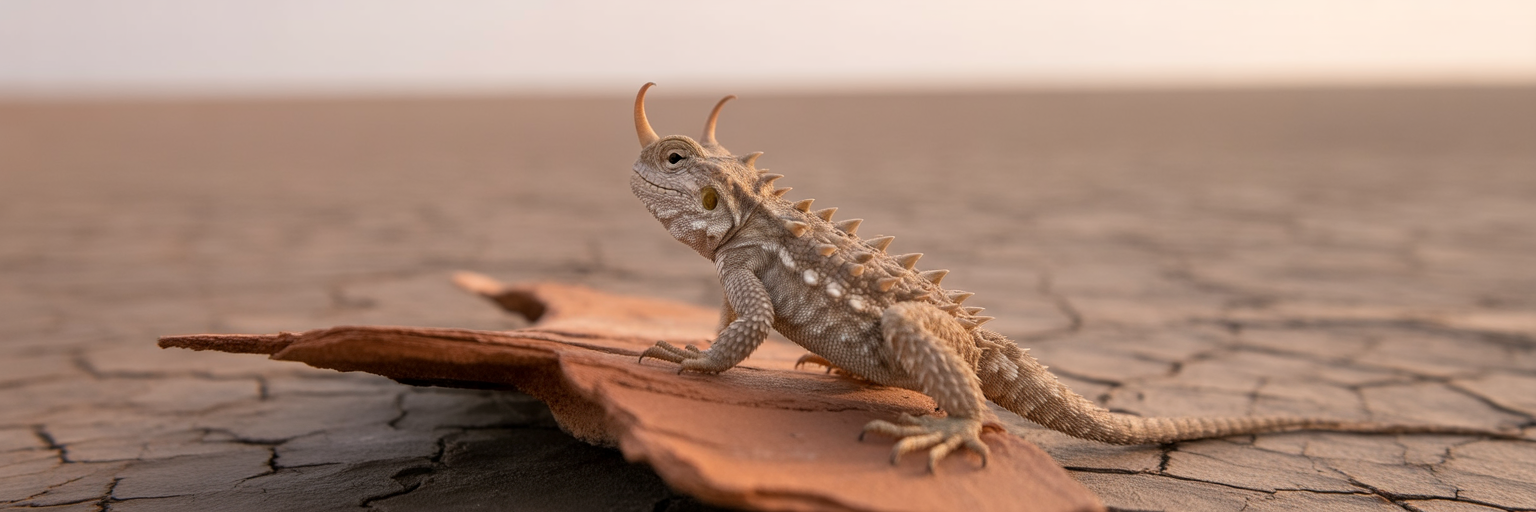
Despite its formidable defenses, the horned lizard is facing threats that no amount of blood-squirting can solve. Several species of horned lizards are in decline across the United States, and their future is uncertain. This unique creature needs our help to survive.
The primary threats are almost entirely human-made:
- Habitat Loss: Urban sprawl and agricultural development are destroying the sandy, arid environments that horned lizards call home. Without this specific habitat, they cannot find food, shelter, or mates.
- Invasive Species: The spread of invasive red fire ants is a major problem. These aggressive ants outcompete and displace the native harvester ants that horned lizards depend on for both food and their chemical defense.
- Pesticides: The widespread use of pesticides to control fire ants and other insects has a devastating effect. These chemicals poison the lizards’ food source and can harm the lizards directly.
- The Illegal Pet Trade: Because of their unique appearance, horned lizards are often illegally collected for the pet trade. However, their highly specialized diet of harvester ants is nearly impossible to replicate in captivity, and most captured lizards die from malnutrition.
Conservation efforts are critical. According to the Missouri Department of Conservation, the Texas horned lizard is considered endangered in the state due to these pressures. The horned lizard’s vulnerability highlights the delicate balance of many ecosystems. Its struggle is shared by other strange creatures with highly specialized needs, such as the Suriname toad that gives birth through holes in its back, which is also sensitive to environmental changes. By supporting habitat preservation and responsible land management, we can ensure this little drama queen continues to grace our deserts with its bizarre and wonderful existence.