Picture this: your entire life’s purpose is to get eaten. Not just once, but maybe two or three times. It sounds like a terrible career plan, but for a huge number of creatures, it’s the only way to the top. This bizarre strategy is the secret behind why parasites need multiple hosts to complete their twisted life goals. These freeloaders have developed what scientists call a complex life cycle, but it’s better described as the universe’s most convoluted party-hopping scheme. Welcome to the world of complex life cycle parasites, where getting devoured is just a stepping stone to success.
The Insane Logic Why Parasites Need Multiple Hosts
So why all the drama? Why not just find one cozy home and stay there? It boils down to a classic dilemma: you can’t do everything at once. It’s like trying to be a full-time student, work a 60-hour week, and maintain a vibrant social life. You’d burn out. Parasites, however, are the ultimate life hackers. They cracked the code by outsourcing. They use one host for growing up and another for, let’s say, the after-party.
This brings us to the main characters in this biological soap opera. The difference between an intermediate host vs definitive host is everything. The intermediate host is the unpaid intern, the free taxi, the appetizer before the main course. It’s where the parasite spends its awkward teenage years, bulking up and preparing for the big leagues. It’s a temporary crash pad, and the parasite has no intention of paying rent.
The definitive host, on the other hand, is the final destination. It’s the C-suite office, the VIP lounge, the exclusive nightclub where all the real action happens. This is where the parasite finally reaches adulthood and gets down to its primary business: making thousands upon thousands of baby parasites. The definitive host is the grand prize, the finish line of this absurdly dangerous race.
This whole convoluted journey isn’t just about survival. It’s about total domination. By splitting their life into stages across different hosts, these parasites can grow bigger, travel farther, and produce an absolutely bonkers number of offspring. It’s a high-risk, high-reward strategy for achieving the ultimate dream: becoming the most successful freeloader in the entire ecosystem.
Climbing the Food Chain One Host at a Time
For many parasites, life is a corporate ladder, and the only way up is to get your current boss eaten by a bigger boss. This strategy, known as upward incorporation, is nature’s most brutal form of networking. The parasite’s goal is to hitch a ride inside its host, hoping it becomes lunch for something higher up the food chain. It’s a promotion by digestion.
The benefits of this gruesome career move are huge. A larger predator host is like upgrading from a cramped, windowless studio apartment to a sprawling mansion with a personal chef and a swimming pool. There’s more space to grow, endless resources, and a much longer lifespan to enjoy. This luxurious new home allows the parasite to stop worrying about survival and focus entirely on its true mission: throwing a reproductive party of epic proportions.
But the parasite isn’t just a passive passenger waiting for fate. Oh no, it’s a backseat driver with a serious death wish for its vehicle. This is where parasite host manipulation comes in. The parasite actively changes its host’s behaviour or even its appearance to make it an irresistible, easy-to-catch snack. It’s the biological equivalent of painting a giant “EAT ME” sign on your host’s back and pushing it into a lion’s den.
Think of it like a video game with a very dark objective:
- Level 1: The Humble Beginning. The parasite infects a small, unassuming creature, like a tiny fish or an insect.
- Level Up: The Manipulation Phase. It hijacks the host’s brain, making it do something incredibly stupid, like swimming near the surface or wandering out in the open.
- Boss Battle Prep. The host’s new, reckless behaviour makes it stand out like a neon sign, attracting the attention of a predator, which is the next level’s boss.
- Victory by Sacrifice. The host gets eaten, and congratulations! The parasite has successfully levelled up to a bigger, better home.
Building a Bridge to the Final Boss
While some parasites are busy climbing the food chain, others are playing a different game. Their strategy isn’t about getting to a bigger host right away, but about surviving the terrifying first leg of the journey. For a microscopic parasite egg or larva, the world is a death trap. It’s like a baby trying to cross a six-lane motorway on a tricycle during rush hour. The odds are, to put it mildly, not good.
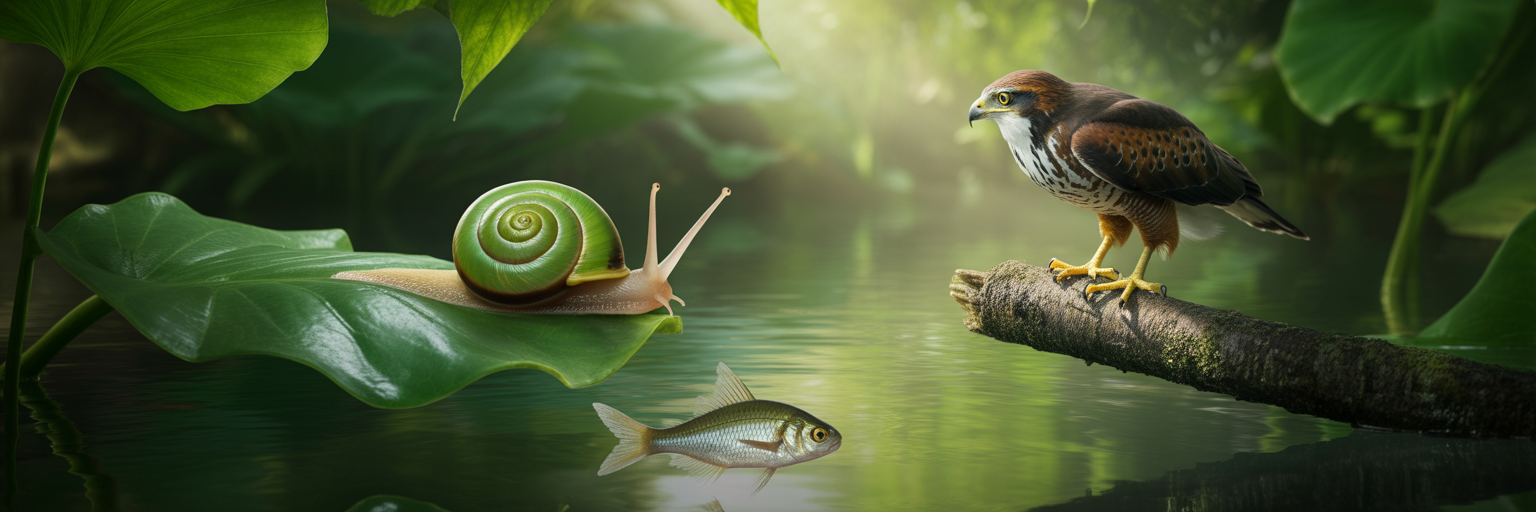
This is where the first intermediate host comes in. It’s not a fancy ride, but it’s safe. Think of it as an armoured bus. The parasite’s eggs get eaten by something incredibly common and slow, like a snail. The snail becomes a living, moving fortress, protecting the parasite from predators, bad weather, and the general chaos of the outside world. The goal here isn’t a promotion, it’s just surviving the commute.
This strategy is a brilliant numbers game. The final host, like a sheep or a large bird, might be hard to find. But the first intermediate hosts, like snails or ants, are everywhere. They are the disposable foot soldiers of the parasite’s army. By infecting thousands of these common critters, the parasite is essentially buying a million lottery tickets. It knows most will fail, but it only needs one to hit the jackpot.
One of those snails might get eaten by a bird, or an ant might be accidentally swallowed by a grazing sheep. That’s the moment the parasite’s ticket is cashed in. This is a crucial part of the answer to why parasites need multiple hosts. They use these common, disposable hosts to build a living bridge across the enormous, dangerous gap separating a microscopic egg from its final, glorious destination.
The High-Stakes Gamble of a Multi-Host Life
Let’s be honest, this whole multi-host lifestyle is an absolutely insane gamble. The entire strategy is a house of cards. If the snail isn’t slimy enough, if the ant climbs the wrong blade of grass, or if the fish zigs when it should have zagged, the parasite’s entire lineage dies right there. It’s nature’s ultimate all-or-nothing bet, and the stakes couldn’t be higher.
There’s a serious cost to this complexity. Why not have ten hosts? Because each additional host is another potential point of failure. It’s another lottery ticket you have to win. The parasite also has to be a master of disguise, capable of evading the immune systems of completely different species. Imagine being a spy who needs flawless cover identities in three different warring countries. One wrong move, and you’re done for.
So why do they do it? Because when it pays off, it pays off spectacularly. The fact that complex life cycle parasites are found in every ecosystem on Earth is proof that the strategy, as bonkers as it sounds, works. The grand prize is a massive boost in reproductive output that would be impossible in a single host. As research published in Heredity highlights, this complex strategy allows parasites to optimize their growth and transmission across different environments, making the high-stakes gamble a statistically sound bet over evolutionary time.
This is the beautiful, terrifying truth of it all. The complexity isn’t a bug, it’s the entire feature. It’s the very thing that allows these freeloaders to conquer ecosystems, connecting species that would otherwise never interact. They are the secret puppet masters pulling strings from inside their hosts, all for the sake of hitting the reproductive jackpot.
Nature’s Freakiest Freeloaders in Action
Theory is one thing, but the real world is where you find the truly weird parasite facts. These stories show just how diabolical these strategies can be. Gather ‘round, because things are about to get strange.
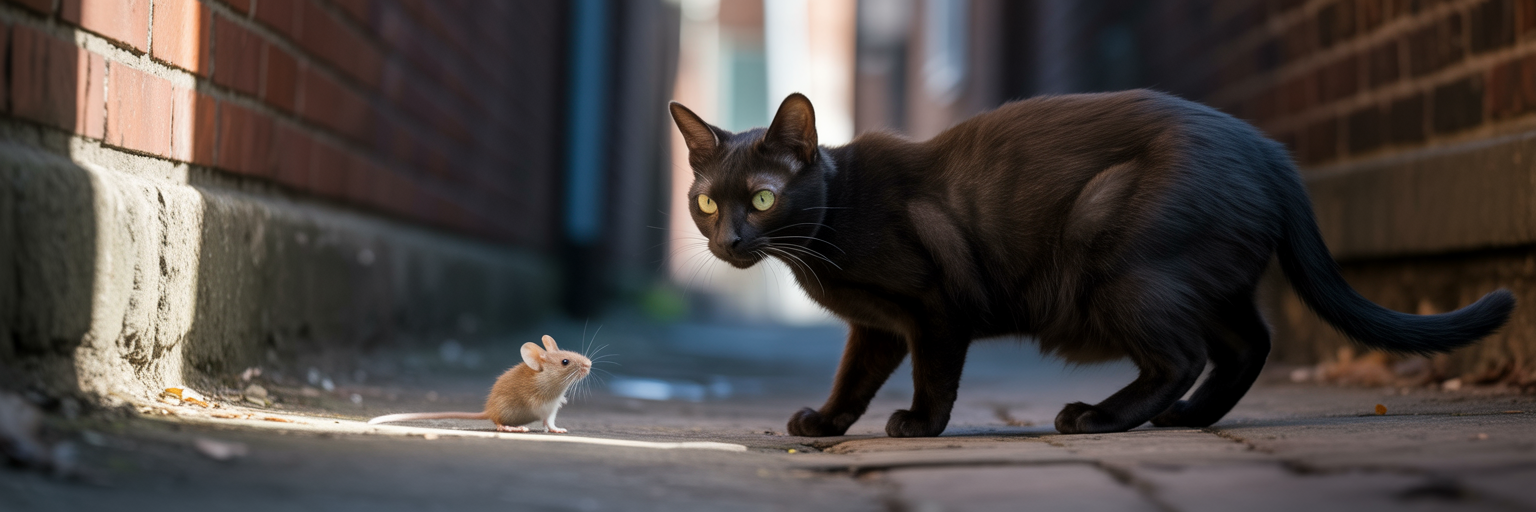
First up is the infamous cat parasite, Toxoplasma gondii. Its life is a sinister plot. A cat does its business, a rat nibbles on something contaminated, and the parasite gets to work. It infiltrates the rat’s brain and performs a complete rewiring, flipping the switch that controls fear. Suddenly, the rat is no longer terrified of cats. In fact, it becomes strangely attracted to them, making it an easy meal. The parasite literally makes its host fall in love with its killer, all to get back into a cat’s gut to reproduce.
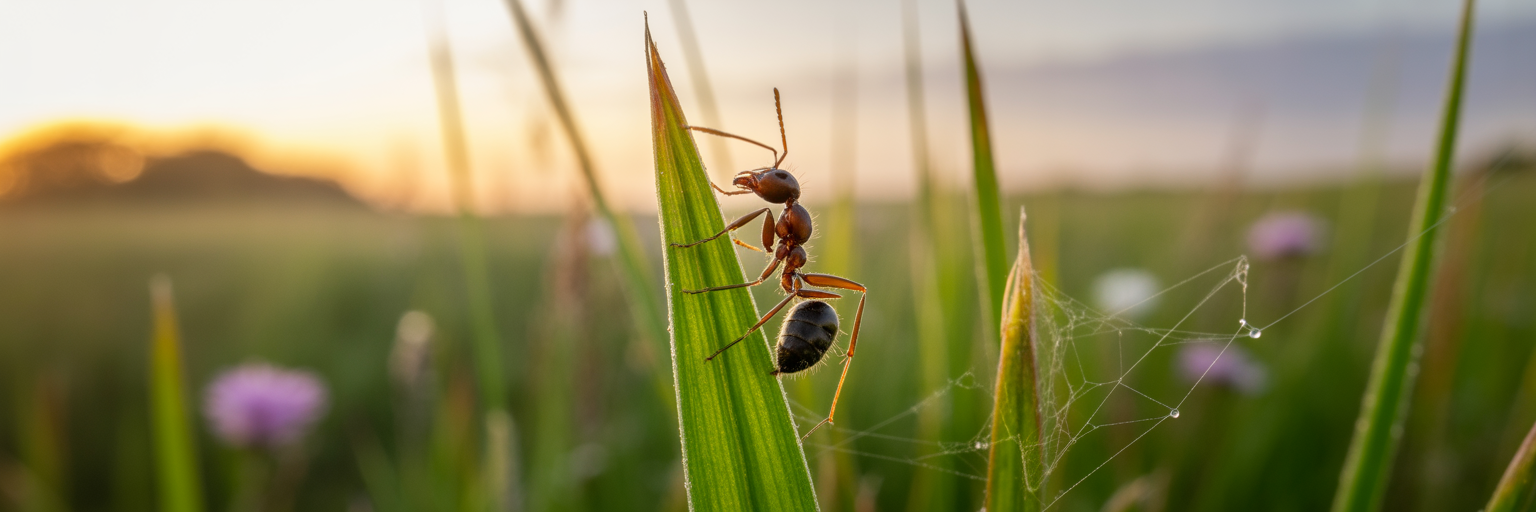
Then there’s the lancet liver fluke, Dicrocoelium dendriticum, the star of a three-act horror film. Act One: A snail eats contaminated poop. Act Two: An ant eats the snail’s slime trail. Act Three: A few of the flukes march into the ant’s brain and take control, forcing it to do something bizarre. Every evening, the zombified ant leaves its colony, climbs a blade of grass, and clamps its jaws shut, waiting to be eaten by a grazing cow or sheep. It’s a stunning display of puppetry.
Finally, we have the Guinea worm, Dracunculus medinensis, which opts for a more direct approach. A human drinks water containing tiny infected crustaceans. Inside the human, the worm grows, sometimes up to a meter long. When it’s ready to release its young, it migrates to the skin and creates an intensely painful, burning blister. The agony is so severe that the host’s only relief is to plunge the affected limb into water. The moment they do, the worm bursts out and releases thousands of larvae, starting the cycle anew. It uses pure agony as a tool.
A Rogue’s Gallery of Parasitic Plots
| Freeloader | The Unwitting Crew (Hosts) | The Sinister Ploy (Manipulation) | The Ultimate Goal |
|---|---|---|---|
| Toxoplasma gondii | Intermediate: Rat/Mouse Definitive: Cat |
Rewires rat’s brain to remove fear of cats. | Get back into a cat’s gut to reproduce. |
| Lancet Liver Fluke | 1st Intermediate: Snail 2nd Intermediate: Ant Definitive: Cow/Sheep |
Forces ant to clamp onto grass at dusk, waiting to be eaten. | Reach the liver of a grazing animal to lay eggs. |
| Guinea Worm | Intermediate: Copepod (water flea) Definitive: Human |
Creates an intensely painful blister, forcing the host to seek water. | Release larvae into the water to infect more copepods. |
This table highlights the different strategies and host chains of some of nature’s most notorious complex life cycle parasites.
These tales aren’t just creepy bedtime stories. They are perfect illustrations of exactly why parasites need multiple hosts. You simply can’t pull off heists this elaborate without a crew of unwitting accomplices.
So, Should We Just Surrender to Our Parasite Overlords?
At this point, you might be wondering why do parasites have two hosts, or even three? It’s a brilliant, if terrifying, strategy. They separate their life stages to specialize, use the food chain as a taxi service, and turn their final host into a baby-making factory. It’s the ultimate expression of evolutionary creativity.
But these complex cycles are more than just a collection of freaky facts. They are fundamental to how ecosystems function. Parasites are the secret architects of the natural world, connecting species that would never otherwise meet. They influence animal behaviour, control populations, and drive evolution in directions we’re only just beginning to understand. They are the weird, invisible glue holding nature together.
The world of parasites is a testament to evolution’s dark sense of humour and its brutal efficiency. So the next time you see a snail on the sidewalk, maybe give it a little nod of respect. It could be on a mission far more important and bizarre than your own. Or it could just be a snail. Either way, it’s probably best not to lick it.