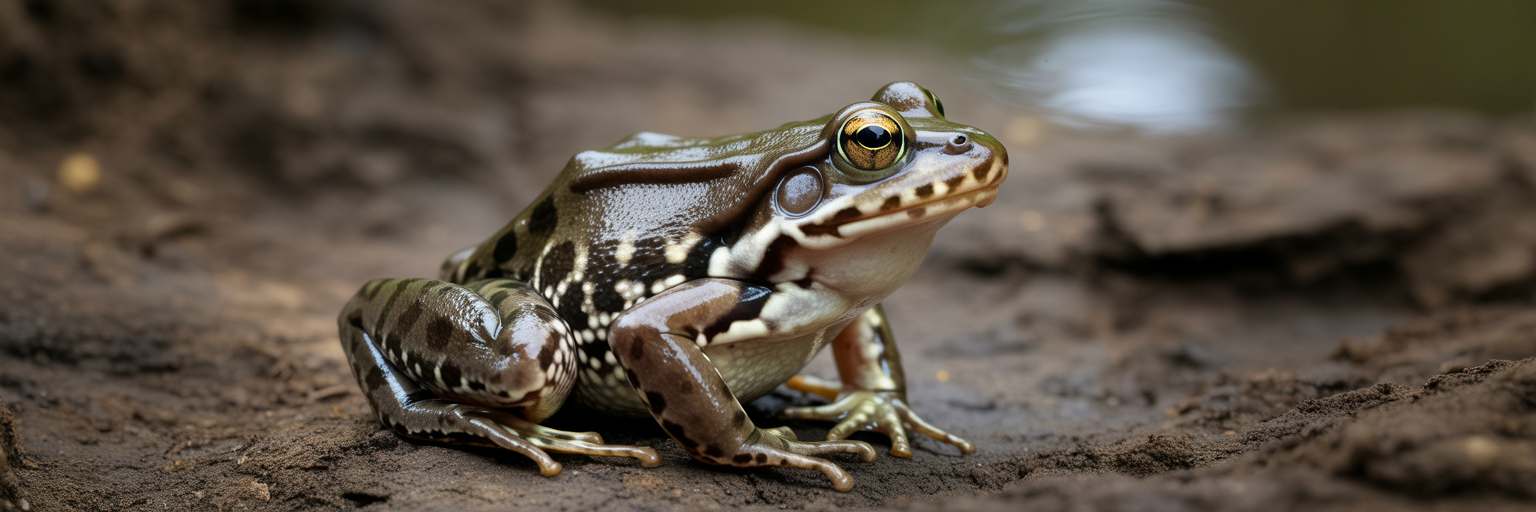
The Viral Legend of the Hairy Frog
The internet is filled with tales of bizarre animal abilities, but few are as gruesome and captivating as the story of the Central African Hairy Frog. The legend, often accompanied by a comparison to Marvel’s Wolverine, claims this amphibian has a shocking defense mechanism. When threatened, Trichobatrachus robustus is said to intentionally break its own toe bones, forcing the sharp, splintered fragments through its skin to create a set of gruesome claws. It is a story of extreme self-mutilation for the sake of survival, an image so powerful it has spread across countless forums, videos, and articles. This article serves as an animal fact check to investigate that very claim. Does this frog with claws truly shatter its skeleton to arm itself?
The narrative paints a picture of a creature that, in a moment of desperation, transforms its own body into a weapon. This compelling idea has cemented the frog’s place in the pantheon of nature’s weirdest creatures. The story is made even more memorable by the frog’s other strange feature. Breeding males develop hair-like growths along their sides and thighs, which are not true hair but dermal papillae. These skin filaments are rich with arteries and are thought to help the frog absorb more oxygen from the water while it guards its eggs. But it is the story of the bone claws that captures the imagination.
To get to the truth, we must move beyond the sensational headlines and look at the original scientific research that first described this incredible adaptation. The reality of the hairy frog bone claws is not a simple tale of breaking bones. Instead, it is a story of a unique and precise anatomical system that is, in many ways, even more fascinating than the myth it inspired. We will dissect the anatomy, explore what scientists know and what they do not, and deliver a final verdict on this wild claim.
Anatomy of a Bony Dagger

To understand what really happens inside the frog’s toes, we must turn to the foundational science. The entire mechanism was meticulously documented by researchers in a 2008 study published in Biology Letters, titled ‘Concealed weapons: erectile claws in African frogs’, which reconstructed the system from preserved specimens and handling observations. This research reveals a mechanism that is precise, unique, and fundamentally different from the popular “bone-breaking” story.
The ‘Claw’ Is Not a Claw
The first critical distinction is that the structure is not a claw in the traditional sense. In cats, birds, or lizards, claws are made of keratin, the same protein that makes up our hair and fingernails. They are external structures that grow from a nail bed. The hairy frog’s weapon is something else entirely. It is the sharpened, pointed tip of the terminal phalanx, which is the very last bone in its toe. This is not an external growth but an integral part of the frog’s skeleton.
When the frog is at rest, this bony point is completely hidden. It sits nestled within the soft tissue of the toe pad, entirely covered by skin. There is no external sheath or covering. It is a concealed dagger of bone, waiting for a trigger to be deployed. This is a fundamental difference from a typical claw, which is always present on the outside of the body, even when retracted.
The Release Mechanism: Tissue Rupture, Not Bone Fracture
Here lies the core of the misunderstanding. The viral story claims the frog “breaks” its bone. The anatomical reality is a feat of soft tissue engineering. The sharp terminal phalanx is not fused directly to the rest of the toe bone. Instead, it is anchored at its base to a small, free-floating piece of bone called a bony nodule. This connection is made by an incredibly tough strap of collagen, a dense form of connective tissue.
The entire assembly is controlled by the flexor tendon, which runs along the underside of the toe and attaches to the bony nodule. When the frog is threatened, it powerfully contracts its flexor muscle. This immense force pulls on the tendon and, in turn, on the bony nodule. The strain is not placed on the toe bone itself but on the collagen strap connecting the nodule to the sharp phalanx. Under this extreme tension, the collagen connection ruptures. The bone itself does not snap, fracture, or shatter. The mechanism is a release, not a break.
How the Bone Pierces the Skin
Once the collagen anchor is severed, the sharpened terminal phalanx is freed from its resting position. The continued pull from the flexor muscle causes the bone to pivot downwards and forwards. With its anchor gone, nothing holds it back. The sharp, needle-like point is driven forward with force, pushing directly against the skin of the toe pad. It pierces the skin from the inside out, emerging as a formidable spike.
The result is a set of sharp, bony protrusions on the hind feet, ready for defense. The process is traumatic, as it involves the tearing of both internal connective tissue and the external skin. However, it is a controlled and specific trauma. The viral claim of the frog breaking its bones is a dramatic simplification. The bone is not damaged in the process; it is merely unsheathed through the rupture of its soft tissue tether.
Not Your Typical Animal Claw
The hairy frog’s adaptation is so striking because it defies our basic understanding of what a claw is and how it works. Comparing its bony protrusions to the claws of most other vertebrates reveals just how unusual this amphibian defense mechanism truly is. The differences are not just superficial; they are fundamental in material, origin, and function.
The most obvious difference is the material. As mentioned, claws in mammals, reptiles, and birds are made of keratin. This protein is durable but biologically “dead” on the surface, allowing it to be worn down without causing injury. The hairy frog’s claws are living bone, complete with blood vessels and nerves. This makes their deployment through the skin an act of genuine physical injury.
This leads to the second major difference: deployment. A cat extends its claws by contracting muscles that pull on tendons, sliding the keratin sheaths out without any harm. It is a smooth, repeatable, and non-traumatic action. For the frog, deployment is inherently violent. It requires the forceful rupture of internal tissues and the piercing of its skin. This kind of extreme specialization is a recurring theme in the animal kingdom, seen in other creatures with bizarre survival tools, such as the star-nosed mole that eats faster than you can blink.
Finally, there is the question of maintenance. Keratin claws grow continuously, are worn down by use, and are sometimes shed. The frog’s bone claw is a permanent part of its skeleton. It does not “regrow” in the same way. This raises significant questions about how the frog deals with the aftermath of using its unique weapons. The entire system represents a completely different evolutionary path to creating a sharp weapon. While countless animals evolved external keratin tools, this group of frogs repurposed a part of its own skeleton.
| Feature | Hairy Frog Bone ‘Claw’ | Typical Keratin Claw (e.g., Cat, Lizard) |
|---|---|---|
| Material | Bone (distal phalanx) | Keratin (a tough protein) |
| Origin | Internal part of the skeleton | External growth from a nail bed |
| Deployment | Traumatic: pierces through the skin by severing connective tissue | Non-traumatic: extended and retracted by muscles |
| Sheath | None; it is naked bone | Often has a horny, keratinous sheath |
| Retraction | Unknown; likely passive as tissue relaxes | Active; controlled by muscles and tendons |
| Regrowth/Repair | Unknown how skin and tissue heal; bone does not ‘regrow’ | Grows continuously and is worn down or shed |
This table highlights the fundamental structural and functional differences between the hairy frog’s unique bone protrusions and the keratin-based claws common to most other animals. The comparison is based on established anatomical research.
Reconstructing a Hidden Mechanism
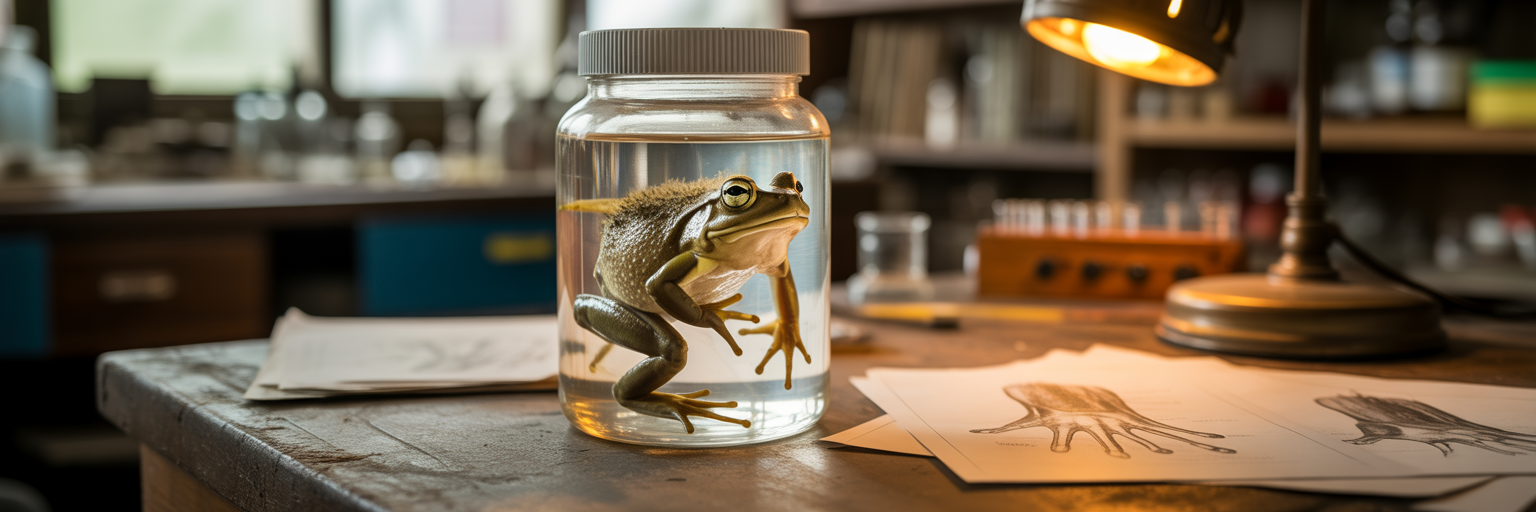
An important part of this animal fact check is understanding how scientists figured this out. Our knowledge of the hairy frog’s claws does not come from high-speed videos of them fighting predators in the wild. In fact, the complete, voluntary deployment of the claws from start to finish has never been formally observed or filmed in a natural setting. The mechanism was pieced together forensically, like detectives solving a biological puzzle.
The primary evidence came from detailed anatomical dissection. Researchers carefully studied preserved specimens of Trichobatrachus robustus, mapping out the musculoskeletal structure of their feet. It was during this process that they discovered the strange arrangement: the sharp terminal bone, the separate bony nodule, and the collagen strap connecting them. The anatomy was so unusual that it demanded an explanation beyond normal locomotion.
The second piece of the puzzle came from handling observations. Herpetologists and local people in Cameroon, where the frog lives, had long known that the frogs were difficult to handle. When captured or held firmly, the frogs would struggle and often inflict sharp scratches. Researchers noted that after such struggles, the bony points would be protruding from the frog’s toes. This provided the crucial behavioral context. The anatomical structures they saw in dissection were linked to a defensive reflex. The “what” (the strange anatomy) was finally connected to the “why” (a response to being grabbed).
This reconstructive approach is powerful, but it has limitations. It means that our understanding is based on a combination of anatomical evidence and inference. We can see the parts and we can trigger the result, but the finer details of the process in a living, undisturbed animal remain assumed rather than directly witnessed. This leaves several fascinating questions unanswered.
The Great Unknowns of the Bone Claws
While science has uncovered the core mechanism of the hairy frog bone claws, several major questions remain unanswered. The 2008 study was a groundbreaking piece of anatomical work, but it also opened the door to a host of mysteries about the life of this frog. These unknowns highlight that science is an ongoing process of discovery.
One of the biggest mysteries is retraction. After the bone has pierced the skin, how does it go back in? Scientists do not know. There are no known muscles that would serve to actively pull the bone back into the toe pad. The most likely hypothesis is that the retraction is passive. Once the flexor muscle relaxes, the surrounding tissues may slowly pull the bone back into place as the toe returns to its normal position. But this has not been confirmed.
Directly related to this is the question of healing. The deployment of the claws is an inherently traumatic event, causing a puncture wound in the skin and a rupture of the internal collagen anchor. How does the frog recover? Does the skin heal quickly? Does the collagen strap regenerate, allowing the claw to be used again? Or is it a one-time use weapon for each toe? There is currently no data on the healing process. This self-damaging defense mechanism, while shocking, is not entirely without precedent in nature, where some creatures endure incredible biological costs for survival, much like a snail that sacrifices itself for a parasite.
This leads to another unknown: the potential for lasting injury. Repeatedly forcing a bone through your skin seems like a recipe for infection, scarring, and long-term damage. Does the frog suffer from these consequences? Or has it evolved a rapid healing ability or powerful immune response to cope with the constant self-injury? This remains entirely unstudied.
Finally, there is the matter of control. Can the frog deploy a single claw on one toe, or is it an all-or-nothing reflex that causes all the claws on a foot to emerge at once? The answer would speak to the level of fine motor control this amphibian possesses over its unique defense mechanism. For now, these questions remain in the realm of speculation, waiting for future research to provide answers.
Function and Family of Clawed Frogs
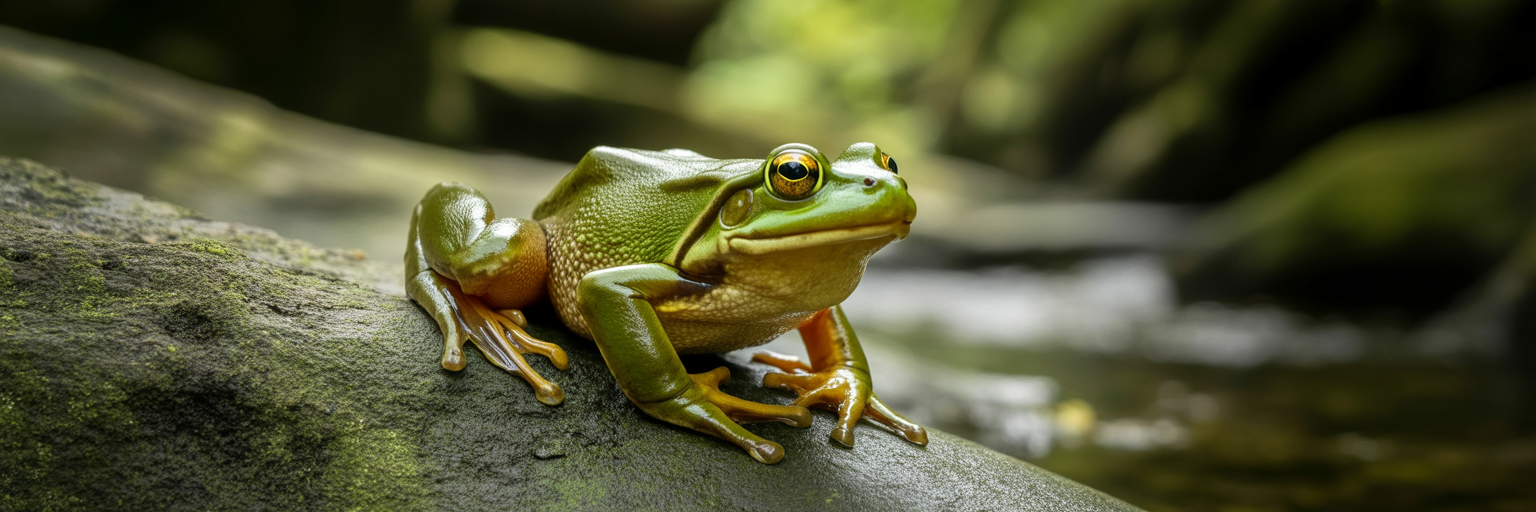
With a clear understanding of the mechanism, we can explore the “why” and “who” of this adaptation. The primary hypothesis for the function of the hairy frog bone claws is, unsurprisingly, defense. Imagine a predator, perhaps a snake or a large bird, snatching the frog. As it squeezes, the frog’s reflex is triggered, and the predator suddenly gets a mouthful of sharp bone spikes. This painful surprise could be enough to make the predator release the frog, allowing it to escape. While piercing an enemy with bone is a rare tactic, nature is filled with bizarre defensive innovations, like the parrotfish that sleeps inside a bubble of its own slime to hide its scent from predators.
While defense is the most likely purpose, researchers have considered other possibilities. Could the claws help the frog grip onto slippery rocks in fast-moving streams? Could males use them in territorial fights or to grasp females more securely during mating? These are plausible secondary uses, but the traumatic nature of the deployment suggests it is a last-resort measure rather than a tool for everyday activities.
The original research also investigated the prevalence of the trait. They found the bony claw structures in both males and females, indicating it is not a feature exclusive to one sex. This supports the defensive hypothesis, as both sexes would face similar threats from predators. Interestingly, this incredible adaptation is not unique to just the Hairy Frog. It is a family trait. The same claw mechanism has been found in 11 other species of frog, all belonging to the Arthroleptidae family. These related frogs, found in the genera *Astylosternus* and *Scotobleps*, share this evolutionary strategy, proving it is a successful, albeit extreme, solution to survival for a specific lineage of African frogs.
Why the ‘Bone-Breaking’ Story Went Viral
Understanding the science is only half the story. The other half is understanding why the simplified, inaccurate version became so widespread. The journey of the hairy frog from a scientific paper to an internet legend is a case study in how science is communicated and sometimes distorted.
The first and most powerful factor was the Wolverine metaphor. Comparing the frog to a famous comic book character with retractable claws created an instant, vivid, and easily understandable image. This pop culture shorthand made the complex biology accessible to a mass audience, even if the details were wrong. The comparison was simply too good to resist, and it ensured the story was memorable.
Second is the nature of media itself. A headline that reads “Frog Breaks Its Own Bones to Make Claws” is far more clickable, shareable, and sensational than one that says “Frog Ruptures Connective Tissue to Unsheathe a Sharpened Phalanx.” Early coverage often prioritized drama over precision. For example, headlines like the one from New Scientist, which declared a ‘”Horror frog” breaks own bones to produce claws,’ helped cement the dramatic but inaccurate narrative in the public consciousness. This isn’t unique to the hairy frog; the internet loves bizarre biological stories, such as the incredible tale of the Suriname toad that gives birth through holes in its back.
Finally, there is the element of morbid fascination. The idea of an animal deliberately harming itself to create a weapon taps into a sense of “body horror.” It is gruesome, counterintuitive, and deeply compelling. The visceral image of bones shattering and piercing skin is the kind of shocking detail that people feel an urge to share. The combination of a great metaphor, sensational headlines, and a gruesome concept created the perfect storm for a piece of scientific misinformation to go viral.
The Verdict on the Hairy Frog’s Claws
After examining the viral claim and comparing it to the anatomical evidence, it is time to deliver a final verdict. The popular story contains a kernel of truth: the Hairy Frog, Trichobatrachus robustus, does indeed possess sharp, bony claws that it can project from its toes by piercing through its own skin. This part of the legend is real and makes it one of the most fascinating amphibians on the planet.
However, the description of the mechanism is fundamentally flawed. The central claim that the frog “breaks its own bones” is incorrect. The bone does not fracture, snap, or shatter. Instead, the frog ruptures a specific collagen strap that holds the sharpened tip of its toe bone in place. This releases the bone, allowing it to pivot and push through the skin. It is a mechanism of tissue rupture, not bone fracture.
Because the popular claim is based on a real phenomenon but gets the specific biological action wrong, the verdict is clear.
Verdict: Technically Inaccurate
The story of the bone-breaking frog is a myth. The reality, however, is arguably more impressive. It reveals a highly specialized and complex anatomical system that allows for the deployment of a skeletal weapon. It is a testament to the strange and wonderful paths that evolution can take, proving that the truth of nature is often more intricate and interesting than the fictions we create about it.
Frequently Asked Questions About the Hairy Frog
Q1: Does it hurt the frog to use its claws?
A: While we can never know an animal’s subjective experience of pain, the process is undeniably traumatic. It involves the tearing of internal connective tissue and the piercing of skin, which would certainly be painful in humans. However, as this is a natural defense mechanism, the frog has evolved to withstand it. It is likely that during a high-stress encounter with a predator, its hormonal stress response would suppress the sensation of pain, much like adrenaline does in humans.
Q2: Can the hairy frog retract its claws?
A: This is one of the biggest unanswered questions. Scientists do not know for sure if the claws can be retracted. There are no muscles that appear to be positioned to actively pull the bone back into the toe. The leading hypothesis is that retraction is a passive process. As the frog’s powerful flexor muscle relaxes, the surrounding skin and tissue may slowly settle, drawing the bone tip back beneath the surface. But this has not been observed or confirmed.
Q3: Are hairy frogs dangerous to humans?
A: No, they are not considered dangerous. The claws are a purely defensive weapon, used as a last resort when the frog is captured and feels its life is in danger. They are not aggressive and would not attack a person. Someone handling the frog roughly might receive a painful scratch, but the animal poses no significant threat to humans.
Q4: Why is it called the ‘hairy’ frog?
A: The name comes from a feature seen only in breeding males of Trichobatrachus robustus. During the breeding season, they develop long, hair-like filaments of skin, called dermal papillae, on their flanks and thighs. These are not true hair but are densely packed with arteries. Scientists believe these filaments increase the skin’s surface area, allowing the male to absorb more dissolved oxygen from the water while he spends long periods underwater guarding his clutch of eggs.