
Why Harmless Looking Animals That Can Kill You Fool Us
Your brain is a wonderful, complex machine that is also a complete sucker for anything with big eyes and a fluffy butt. This biological shortcut is called neoteny, where adult animals retain juvenile features. It’s the same reason we find human babies adorable and want to protect them. Our internal ‘cuddle-o-meter’ is finely tuned to our own species, but when we take it out into the wild, it goes haywire. It’s a fatal miscalculation waiting to happen, convincing you that something is a friend when it’s actually a tiny, furry assassin.
This is where we meet the world of animals that look innocent but are deadly. Nature, it turns out, has a wicked sense of humour and is the undisputed champion of deception. Some creatures evolved to look harmless as a way to sneak up on prey or, more importantly for our purposes, to trick big, clumsy humans into leaving them alone. Think of it as the biological equivalent of a glitter bomb that’s also packed with angry wasps. It’s all fun and sparkles until it’s very, very not.
As noted in a Scholastic Science World article on the topic, our brains are simply not wired to connect the concept of ‘cute’ with ‘imminent danger’. Before we embark on this tour of nature’s most deceptive murderers, let’s get one thing straight: the difference between venomous and poisonous. It’s simple. If it bites you and you die, it’s venomous. If you bite it and you die, it’s poisonous. This is a distinction that suddenly becomes very important when you’re deciding whether to pet a colourful creature or eat it for a survival challenge you are definitely not qualified for.
So, consider this a public service announcement from your chummy, nature-obsessed friend who would really like you to keep all your limbs attached. We’re about to ruin your perception of several cute critters, but we promise to do it in the most entertaining way possible. Let’s begin.
The Venomous All-Stars of Deception
Some of the most dangerous packages come in the smallest sizes. This section is dedicated to the tiny titans of toxicity, the creatures that prove you don’t need big teeth when you have a chemical arsenal. Their entire survival strategy is looking like something you could put in your pocket, right before they put you in a coffin.
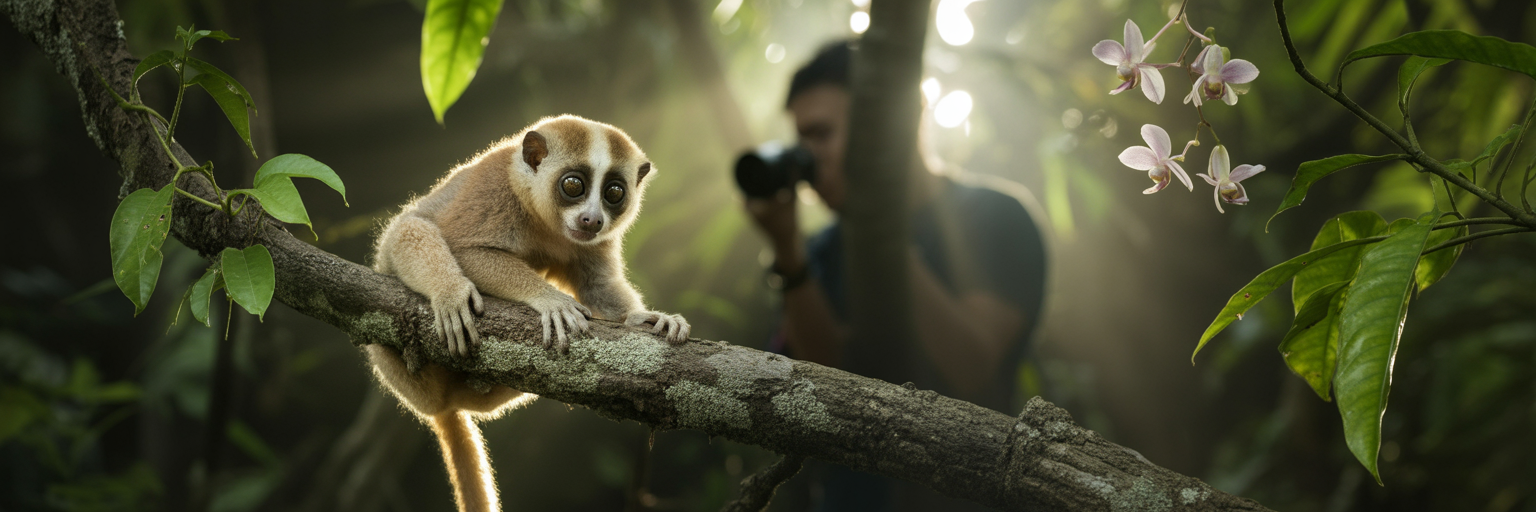
First up is the Slow Loris. With its enormous, soulful eyes and slow, deliberate movements, it looks like a living stuffed animal that escaped from a Disney movie. You just want to give it a tiny hat and watch it eat a grape. But here’s the twist: the Slow Loris is the only venomous primate. It secretes a potent toxin from glands on its elbows, licks it to mix it with saliva, and then delivers a bite that can cause flesh to rot and send you into anaphylactic shock. It’s the one primate that looked at its family tree and thought, “You know what this needs? Elbow venom.”
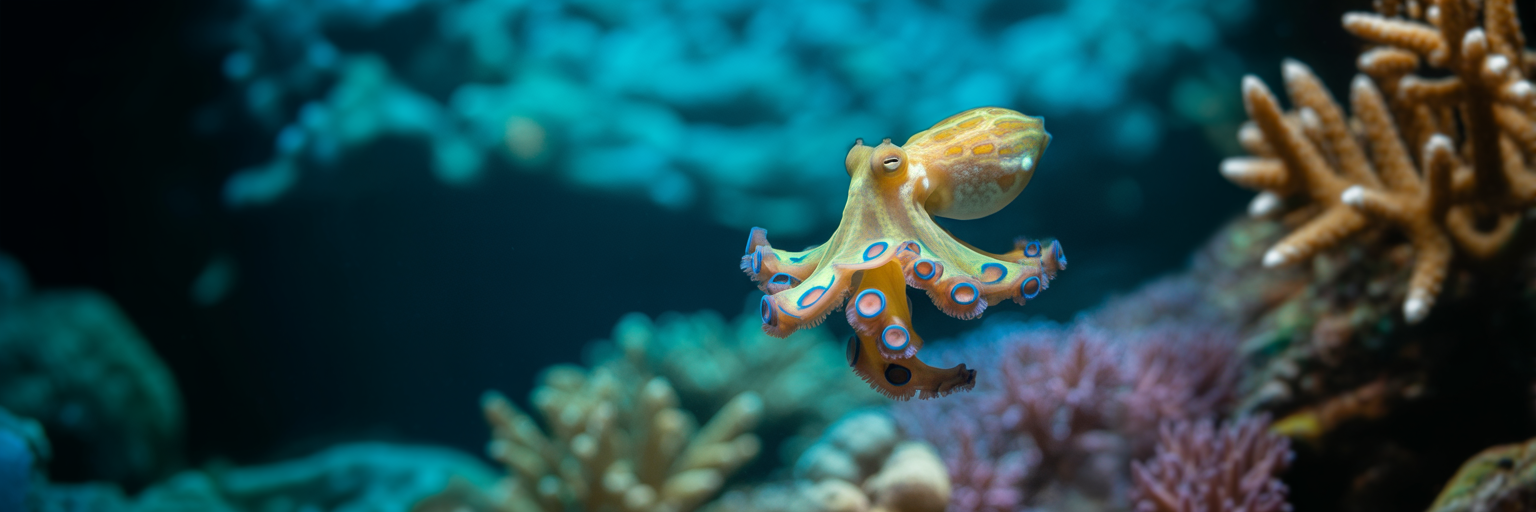
Next, let’s admire the Blue-Ringed Octopus. This creature is a tiny, beautiful marvel that can fit in the palm of your hand. When threatened, its body flashes with mesmerizing, iridescent blue rings. It’s gorgeous, hypnotic, and a screaming biological warning sign. This little octopus carries tetrodotoxin, one of the most powerful neurotoxins on Earth, and there is no antivenom. A bite is often painless, so you might not even know it happened until you find yourself completely paralysed but fully conscious, unable to breathe. It’s nature’s prettiest ‘do not touch’ sign and a prime example of venomous animals you can’t touch.
Finally, we have the Cone Snail. It looks exactly like the kind of pretty, patterned seashell you’d spend hours searching for on a beach vacation. You’d want to take it home and put it on your shelf. This would be a terrible idea. The Cone Snail hides a harpoon-like tooth called a radula, which it can shoot out to inject a complex cocktail of conotoxins. Different species have different venoms, but some are powerful enough to kill a human in minutes. It’s the ocean’s ultimate argument for leaving the pretty shells on the beach and just buying a magnet from the gift shop instead.
| Animal | Deceptive Feature | The Deadly Secret | How It Gets You |
|---|---|---|---|
| Slow Loris | Huge, soulful eyes and slow movements | Toxin-secreting elbow glands | A bite delivering flesh-rotting venom |
| Blue-Ringed Octopus | Tiny size and beautiful, pulsing blue rings | Saliva packed with tetrodotoxin | A painless bite causing paralysis |
| Cone Snail | A beautiful, collectible-looking shell | A hidden, venom-injecting harpoon tooth | A swift, paralyzing sting |
| Stonefish | Looks like a boring rock on the seafloor | Spines that deliver neurotoxic venom | Accidentally stepping on it |
Cuddly Creatures with a Dark Side
Now we move from chemical warfare to brute force. This group of animals looks soft, fluffy, and perfectly designed for hugging. But trying to cuddle them would be like trying to hug a running woodchipper. Their cuteness is a mask for raw, unapologetic power.
Let’s start with the undisputed poster child for cute: the Giant Panda. We all love watching them adorably roll down a hill or sit there munching on bamboo like they don’t have a care in the world. They are the spirit animal for anyone who just wants to be left alone with their snacks. But here’s the reality check: pandas are bears. They possess powerful claws and one of the strongest bite forces in the animal kingdom, perfectly capable of crushing thick bamboo stalks or, you know, human bone. While they’re mostly docile, a threatened or irritated panda is a fluffy tank that will absolutely ruin your day.
Next, meet the Wolverine. It looks like a small, stout bear, maybe a bit scrappy but seemingly manageable. Do not be fooled. The wolverine’s reputation for ferocity is not an exaggeration; it’s an understatement. These animals are legendary for their strength and are known to fight off bears and wolves to protect a kill. A wolverine is the physical embodiment of ‘small dog syndrome,’ except it has the muscle and fury to back it up tenfold. It’s pure, concentrated rage in a compact, furry body.
And then there’s the Sea Otter. They hold hands while they sleep so they don’t float away! They float on their backs and use little rocks to crack open shells! They are weapons-grade adorable. Now, let us pull the rug out from under you. Sea otters are members of the weasel family, a group not exactly known for its chill vibes. They are incredibly territorial and aggressive, with powerful jaws designed for crushing shellfish. They have been known to attack humans, pets, and other animals that wander into their space. Think of them less as cuddly sea puppies and more as the tiny, furry gangsters of the kelp forest.
- Giant Panda: Looks like a clumsy, gentle fluffball. Is actually a bear with bone-crushing jaws that demands personal space.
- Wolverine: Looks like a small, scrappy bear cousin. Is actually a fearless berserker that will fight a grizzly over a half-eaten sandwich.
- Sea Otter: Looks like a playful, hand-holding sweetheart. Is actually a territorial weasel with a strong bite and a short temper.
Feathered Fiends and Platypus Paradoxes
Welcome to the weird corner of the animal kingdom, where the rules of biology were clearly just suggestions. This section is for the birds and monotremes that look like nature was just throwing ideas at a wall to see what would stick. Their methods of mayhem are as bizarre as their appearances.
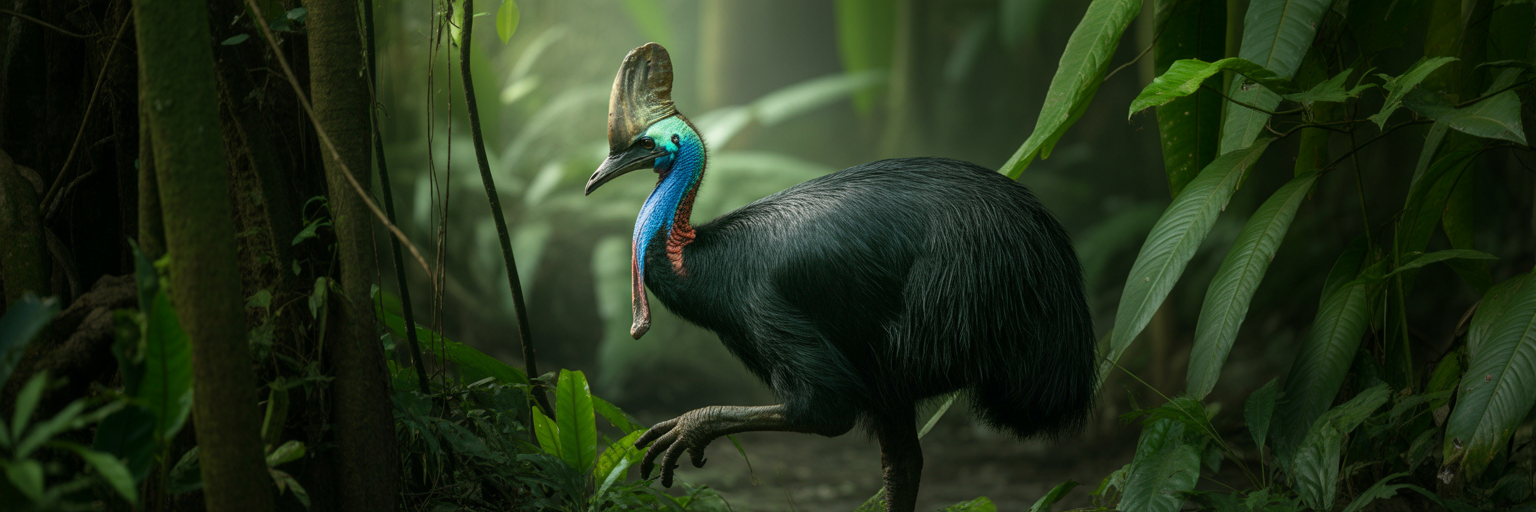
First, let’s unleash the Cassowary. Found in Australia and New Guinea, this large, flightless bird looks like a flamboyant, prehistoric turkey. With its vibrant blue head and bony crest (casque), it’s certainly a striking creature. But its most striking feature is the five-inch, dagger-like claw on the middle toe of each foot. When a cassowary feels threatened, it doesn’t run away. It leaps and kicks forward, using that claw to slice and disembowel predators, including humans. There are many cassowary attack facts, but the most important one is its reputation as the world’s most dangerous bird. It’s a modern-day velociraptor that just happens to have a better colour scheme.
Now for the Mute Swan. It’s the symbol of grace and beauty, gliding across ponds in parks worldwide. They make heart shapes with their necks! They’re the stars of ballets! This pristine image is about to be shattered. Mute swans are fiercely territorial, especially when nesting. They will aggressively attack humans, dogs, kayaks, and anything else that gets too close. They charge, hiss, and beat their powerful wings, which are strong enough to cause serious bruising and even broken bones. They’re less of a delicate ballet dancer and more of the angry, heavyweight bouncer of the lake.
Finally, we must discuss the Platypus. This animal is so strange that when the first specimen was sent to European scientists, they thought it was a hoax made by stitching different animals together. It has a duck’s bill, a beaver’s tail, and webbed feet, and it’s a mammal that lays eggs. It’s goofy, fascinating, and utterly baffling. But the male platypus has another trick up its sleeve: a venomous spur on each hind leg. The venom isn’t lethal to humans, but it causes immediate, excruciating, and long-lasting pain that is famously resistant to morphine. The platypus is nature’s perfect reminder to never, ever judge a book by its bizarre, cobbled-together cover.
When Herbivores Stop Being Zen
There’s a common misconception that plant-eaters are all peaceful, gentle souls. This section is here to violently debunk that myth. These large herbivores may have a vegetarian diet, but their sheer size, power, and territorial instincts make them some of the most dangerous animals you could ever encounter. They’ve completely rejected the ‘live and let live’ philosophy.
Let’s start with the Moose. With its goofy, long-faced appearance and lanky legs, it seems like a gentle giant of the northern woods. That perception is dangerously wrong. Moose are one of the most dangerous animals in North America, injuring more people annually than bears and wolves combined. Their massive size makes them unpredictable, and they will charge anything they perceive as a threat, from a car to a person who just wanted a photo. A mother moose with her calf is especially aggressive. They aren’t gentle giants; they’re half-ton toddlers with a shockingly bad temper.
Next, we travel to Africa to meet the Cape Buffalo. To the untrained eye, it might just look like a large, shaggy cow. This is why it’s often called the ‘Black Death’ or the ‘Widowmaker.’ Unlike their docile domestic cousins, Cape Buffalo are notoriously aggressive and unpredictable. They are also said to hold a grudge, and have been known to circle back and ambush hunters who have wounded them. There’s a reason they are a member of Africa’s ‘Big Five’ group of dangerous game, and it has nothing to do with their looks.
And finally, the Hippopotamus. In cartoons, they’re often depicted as chubby, lazy, and friendly characters who yawn a lot. This is perhaps the single most inaccurate portrayal in animation history. Hippos are extremely aggressive and territorial, responsible for more human deaths in Africa than any other large animal. That ‘cute’ yawn is actually a threat display, showing off canine tusks that can grow up to 20 inches long. They can easily outrun a human on land and have no problem capsizing boats that drift into their watery territory. They are not your friend.
- The Hippopotamus: The undisputed champion of herbivore rage. It looks like a waterlogged beanbag chair but has the temperament of a buzzsaw.
- The Cape Buffalo: It looks like a cow, but it’s famous for actively hunting its hunters. The king of holding a grudge.
- The Moose: The dark horse of danger. Looks goofy, but will charge you for looking at it the wrong way. Never underestimate a cranky giant.
A Healthy Dose of Fear Is a Good Thing
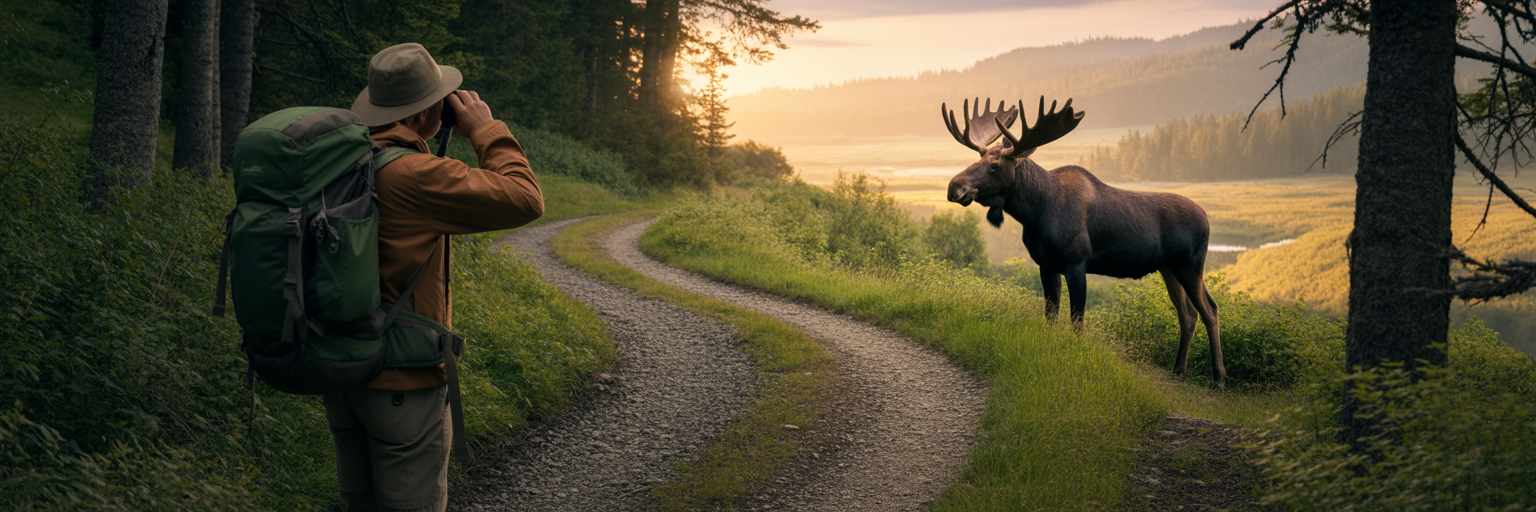
So, what have we learned? We’ve learned that the animal kingdom doesn’t care about our human definitions of ‘cute’ and ‘cuddly.’ Many dangerous cute animals are walking around, and our brains are hardwired to misjudge them. The single most effective survival strategy is to respect all wildlife from a very, very safe distance. The universal rule is simple: look, don’t touch. And for the love of all that is holy, do not try to get a selfie with something that has claws bigger than your fingers.
These animals aren’t evil. They’re just trying to survive using the brilliant, and sometimes terrifying, adaptations that evolution gave them. Our mistake is misinterpreting their appearance as an invitation to get closer. The best advice? Invest in a good pair of binoculars or a camera with a powerful zoom lens. Don’t test your luck, because nature’s customer service department is notoriously unhelpful.
While you should be wary of these specific creatures, there’s no need to live in constant fear of every squirrel in your garden. Although, let’s be honest, your housecat is a tiny predator that would absolutely kill you if it were bigger. So maybe stay a little on guard.