
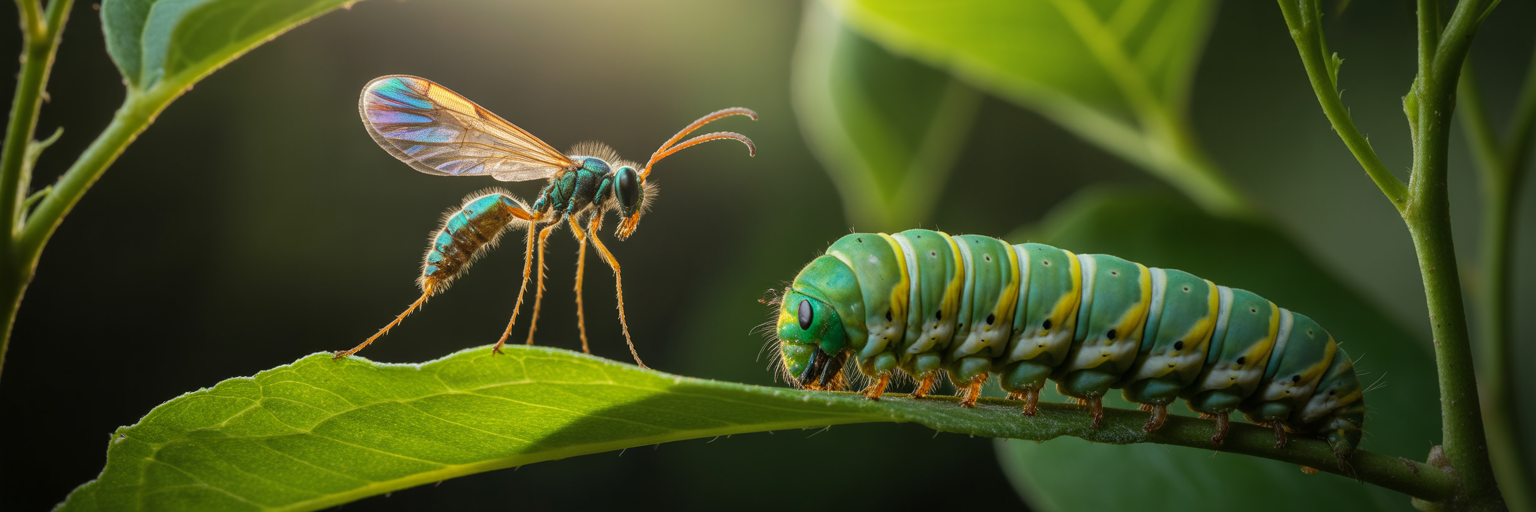
The Ultimate Freeloaders: How Parasites Hijack Animal Behavior
We have all seen horror movies about mind control, but nature was doing it long before Hollywood. And trust us, its version is way weirder. Forget subtle influence, we are talking about a full biological takeover. The way parasites hijack animal behavior is less like a gentle suggestion and more like a hostile corporate merger where the host is the company being liquidated. These freeloaders are not just crashing on the couch, they are redecorating, changing your Spotify playlists to their terrible music, and making you drive them to their sketchy appointments.
This is not just a case of an animal feeling a bit under the weather. This is a complete hijacking. Scientists have a fancy term for it: the “extended phenotype.” In simple terms, it means the parasite’s DNA is wearing the host’s body like a mech suit to get things done. All those bizarre new actions the host is performing are just the parasite’s genes calling the shots from the cockpit. They are not mustache twirling villains plotting world domination. They are just ruthlessly ambitious organisms on a mission to make more of themselves, and their host is the unfortunate, disposable vehicle. This is how parasites control hosts at the most fundamental level.
It is important to understand the difference between an animal being sick and being manipulated. When you get the flu, you feel tired and achy because your body is pulling the fire alarm. It is telling you to lie down and conserve energy to fight the infection. That is your own defense system at work. Parasitic manipulation is when the parasite cuts the wires to the fire alarm and hotwires the sprinkler system to flood the building for its own benefit. The host is not just sick, it is being actively driven toward a specific, often fatal, goal that serves only the parasite.
Brain Invaders and Neurological Nightmares
Some parasites skip the pleasantries and go straight for the command centre: the brain. These are the neurological puppet masters, turning their hosts into fleshy marionettes for their own gruesome theatre. It is a horror show of the highest biological order, and honestly, we are here for it.
The World’s Most Dangerous Love Potion: Toxoplasma gondii
Meet Toxoplasma gondii, a single celled organism with a deviously simple plan. It needs to get from a rodent into a cat’s digestive system to reproduce. The problem? Rodents are, for very good reasons, terrified of cats. So what does Toxo do? It hacks the rodent’s brain, turning that instinctual fear into a fatal attraction. The scent of cat urine, which should scream “RUN AWAY,” suddenly becomes an irresistible cologne. This is the ultimate setup. The parasite creates a doomed romance where the first and last date ends with the rodent being eaten. For the Toxoplasma gondii cat connection, this is the finish line.
The Suicidal Swim Team: Hairworms
Hairworms have an aquatic love life, but they spend their youth growing up inside land dwelling insects like crickets and grasshoppers. When the worm is mature and ready to mingle, it faces a geographical problem. It needs water, and its host is high and dry. The solution is both direct and brutal. The hairworm produces proteins that mess with the cricket’s central nervous system, creating an overwhelming, irresistible urge to find water. The infected cricket, driven by a thirst that is not its own, will frantically seek out the nearest pond, puddle, or swimming pool and take a suicidal leap. As the cricket drowns, the adult worm emerges, ready to find a mate. A tragic end for the insect, but a triumphant homecoming for the worm.
Real Estate and Mind Control: The Zombie-Ant Fungus
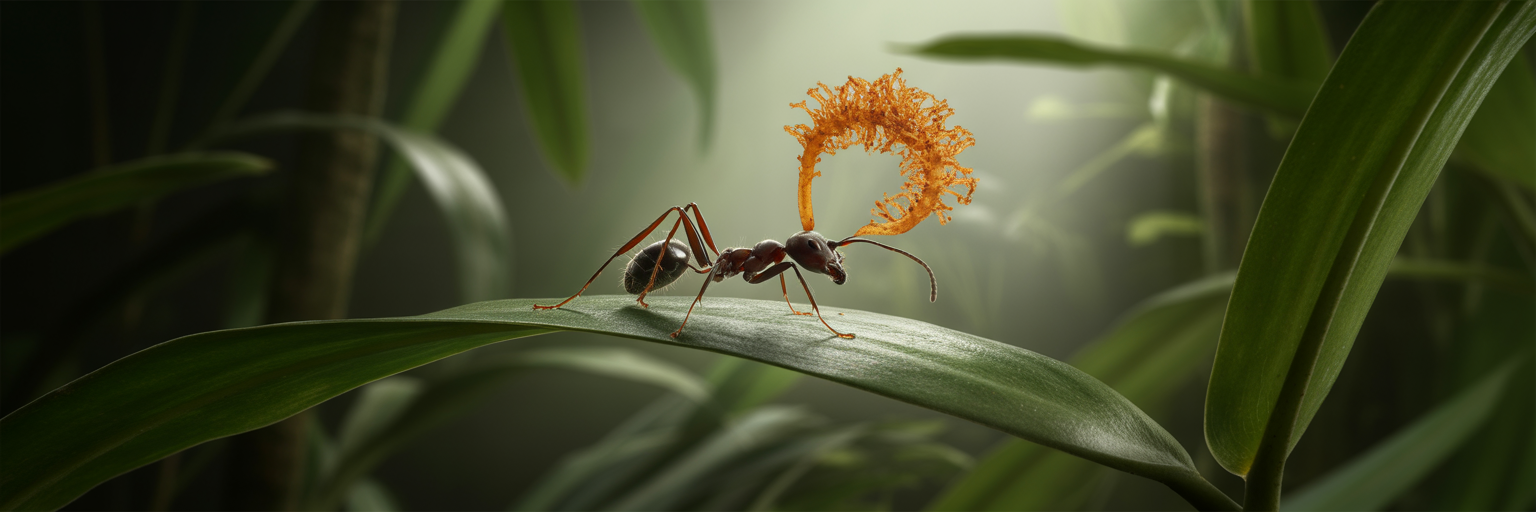
The Ophiocordyceps fungus is a fan favourite among zombie animals parasites, and for good reason. It is a master of diabolical real estate. When a spore infects a carpenter ant, it does not go for the brain directly. Instead, it grows a network of fungal cells throughout the ant’s body, wrapping around muscles and effectively seizing control of its limbs. The ant is forced on a final “death march,” climbing a plant stem to a specific height and orientation, usually about 25 centimetres up on the north side of a sapling. There, it performs its last act: the “death grip,” biting down on a leaf vein with a force it cannot release. Once the ant is locked in place, the fungus consumes it from the inside and erupts a stalk from the back of its head, showering deadly spores onto the unsuspecting colony below. It is the most horrifying housewarming party in the animal kingdom.
| Parasite | Unfortunate Host | Method of Mind Control | The Horrifying Goal |
|---|---|---|---|
| Toxoplasma gondii | Rodents (like rats and mice) | Rewires the brain to make the scent of cat urine attractive instead of terrifying. | Get the rodent eaten by a cat, the only place the parasite can sexually reproduce. |
| Hairworm (Nematomorpha) | Crickets and Grasshoppers | Produces proteins that hijack the host’s central nervous system, creating an irresistible urge to find water. | Force the host to jump into water and drown, allowing the adult worm to emerge and breed. |
| Zombie-Ant Fungus (Ophiocordyceps) | Carpenter Ants | Grows a network of fungal cells around the brain and muscles, seizing control of the ant’s movements. | Force the ant to a perfect high-leaf location to die, allowing the fungus to sprout and rain spores on the colony below. |
This table highlights the distinct strategies these parasites use to manipulate their hosts. While the methods differ, the end goal is always the same: ensuring the parasite’s own survival and reproduction, usually with spectacularly grim results for the host.
Body Snatching Through Back Channels
Not all parasites are brutish brain invaders. Some are more subtle, preferring a bit of psychological warfare from within. They are not kicking in the door to the brain, they are messing with the plumbing and rewiring the house while the owner is still inside. These manipulators use hormones, metabolism, and the immune system to pull the strings, waging a whisper campaign that ends just as badly for the host.
- Forced Makeovers for Predators: Some parasites turn their hosts into a flashing neon sign for predators. A fluke worm, for instance, can infect a fish’s brain, causing its eyes to bulge and its belly to flash silver. The fish starts swimming erratically near the surface, basically wearing a giant, glittering “EAT ME” sign. This is not a fashion statement. It is a calculated move to get the fish eaten by a bird, which is the parasite’s next home. These are some of the most visually striking parasitic manipulation examples.
- Metabolic Meddling: Parasites can also act like a faulty thermostat for the host’s energy. Some, like those infecting killifish, make their hosts sluggish and lethargic, turning them into an easy snack for wading birds. Others do the opposite. A parasite that infects Gammarus shrimp makes them hyperactive daredevils. Instead of hiding in the depths, these infected shrimp swim to the surface and actively seek light, making them perfect, easy to spot targets for ducks. The parasite is essentially fine tuning its delivery service.
- A Cross-Species Conspiracy: The lancet fluke might be the champion of convoluted life plans. This parasite’s journey involves a snail, an ant, and a cow. After being excreted by a cow, the fluke’s eggs are eaten by a snail. The snail coughs up slime balls full of fluke larvae, which are then eaten by an ant. Inside the ant, most of the larvae hang out, but a few “sacrificial” ones travel to the ant’s brain. These brain flukes force the ant to climb to the top of a blade of grass every evening and clamp down with its mandibles, waiting to be eaten by a grazing cow. This phenomenon, where a parasite evolves to control host actions, is a well documented strategy for survival, as detailed in research from Frontiers in Ecology and Evolution.
Twisted Nannies and Devoted Bodyguards
It is one thing to eat your host or use it as a taxi. It is another level of disrespect entirely to turn it into a zombified nanny for your children. The sheer audacity of these parasites is something to behold. It is a mix of pure horror and a begrudging respect for the hustle. These parasites do not just kill their hosts, they humiliate them first by turning them into devoted servants.
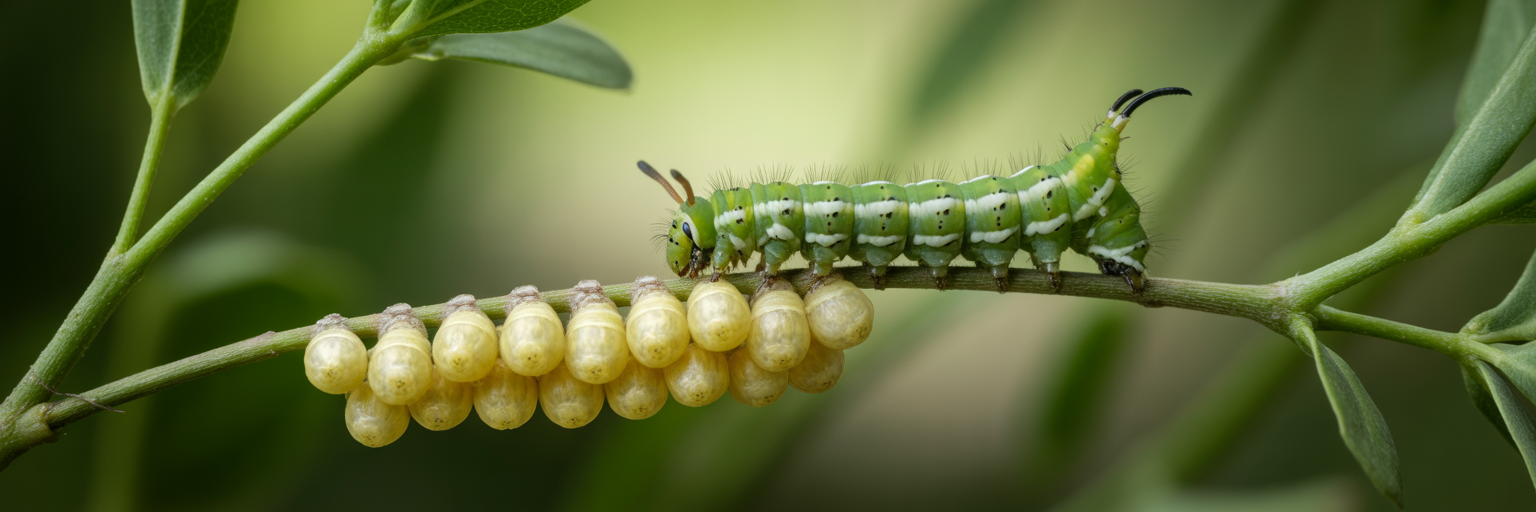
Take the Glyptapanteles wasp. It lays its eggs inside a helpless caterpillar. The larvae grow, feeding on the caterpillar’s fluids. When they are ready, they chew their way out of the host’s body in a scene straight out of a sci-fi horror film. But the nightmare is not over. The caterpillar, now empty but still alive, becomes a lobotomized bodyguard. It stops eating and moving, instead spinning a protective web over the wasp cocoons. If a predator approaches, the zombie caterpillar will thrash violently, head banging to defend the very parasites that just burst from its body. It is nature’s most twisted foster care arrangement, and the caterpillar bodyguard will continue its duty until it starves to death.
If that is not enough for you, allow us to introduce the parasitic barnacle, Sacculina. This creature is the stuff of crustacean nightmares. A female Sacculina larva finds a crab and injects a small part of itself into the crab’s body. From there, it grows a network of tendrils throughout the crab, absorbing nutrients and effectively castrating it. The parasite then creates a large, bulging egg sac right where the crab’s own eggs would have been. The final insult? The parasite hijacks the crab’s brain, tricking it into caring for the parasite’s babies. The crab will meticulously clean, groom, and aerate the sac as if it were its own precious brood, becoming a doting parent to the monster that stole its life and future.
When One Zombie Isn’t Enough: Group Manipulation
What happens when a parasite’s bad influence spreads to a whole group? It is like that one friend who convinces everyone that getting matching face tattoos at 3 AM is a fantastic idea, but with more ecological consequences. The chaos caused by a single infected animal can ripple through an entire community, disrupting social structures that have evolved over millennia.
Consider a school of fish. Their greatest defense is synchronized swimming, a beautiful, shimmering ballet of collective movement that confuses predators. But introduce one fish infected with a brain parasite, and its erratic, clumsy swimming can break the whole formation. It is the classic “one bad apple spoils the bunch” scenario, only the bad apple is being piloted by a worm, making the entire group vulnerable. This kind of weird animal behavior can have deadly consequences for the whole community.
The effects are even more pronounced in highly organized societies like ant and bee colonies. These colonies function as superorganisms, where every member has a specific job. A parasite can turn a diligent worker into the insect equivalent of a terrible employee. It might become lazy, stop foraging, act aggressively toward its own nestmates, or just wander off and get lost. This internal sabotage weakens the colony from within, reducing its efficiency and resilience.
This is not just a collection of freaky anecdotes. These tiny puppet masters can alter entire ecosystems. As a 2026 paper on collective disruption highlights, parasitism can disrupt collective decision making, synchronization, and even construction in social groups. By changing the behavior of a few key individuals, parasites can alter food webs and shift population dynamics on a massive scale.
So, Are We Next? The Human Connection

At this point, you are probably asking the big question: “Can this happen to us?” Finally, a scientific excuse for buying that expensive gadget you did not need. “The brain worm made me do it!” While we are not quite at the zombie apocalypse stage, the line between our free will and the influence of other organisms is blurrier than you might think.
Let us revisit our old friend, Toxoplasma gondii. It infects a huge portion of the human population, and while it does not make us crave the smell of lions, some studies have linked it to subtle behavioral changes. Infected individuals have been observed to be slightly more prone to risk taking or experience minor shifts in personality. No, it is not turning people into mindless zombies, but it is a creepy and compelling hint that the way parasites hijack animal behavior might have faint echoes in our own lives. We may not be the sole captains of our own ships after all.
We can broaden this idea to our microbiome. The trillions of bacteria in our gut are not “parasites” in the same way, but their ability to influence our moods and food cravings is a powerful example of how other organisms can pull our levers. That sudden urge for sugar might not be entirely your own. It is a reminder that our bodies are not single entities but complex, bustling ecosystems where everyone wants a say in what is for dinner.
Parasitic manipulation is one of nature’s most terrifying and brilliant strategies. It is a stark reminder of how deeply interconnected, ruthlessly competitive, and just plain weird life on this planet is. So the next time you see an ant climbing a blade of grass, take a closer look. You might be witnessing a tiny, epic battle for control. And maybe think twice before you blame your cat for your questionable life choices.