A Creepy Industrial Plant Thrives in an Animal’s Gut
Deep inside certain animals, there’s a factory. It’s not made of steel and concrete, but of living tissue. This facility is perpetually damp, warm, and operates around the clock in complete darkness, staffed by trillions of microscopic organisms. They don’t get paid in cash, but in raw materials. Every day, a new shipment of tough, fibrous plant matter arrives, and this dedicated, almost unionized workforce clocks in to break it down.
These aren’t just simple germs. They are specialists, organized into departments. Some are demolition crews, others are chemical engineers, and a few even serve as a waste management team. They work tirelessly in a coordinated, sloshing environment that would seem utterly alien to us. This entire operation runs without a single human supervisor, guided only by ancient, biological programming.
Now, what if you couldn’t digest your food on your own? For many of the world’s largest herbivores, this isn’t a hypothetical question. It’s their daily reality. Their survival is entirely dependent on outsourcing the job of digestion to this bizarre internal factory. Without their microbial employees, they would starve on a full stomach, surrounded by food they are physically incapable of processing.
This strange but essential partnership is the core of what is symbiotic digestion. It’s a biological contract. The animal provides the factory building, which is its gut, and a steady supply of raw materials in the form of grass and leaves. In return, the microbial workers process these materials into usable energy, taking a small cut for themselves as payment. It’s a perfectly balanced, if slightly unsettling, business arrangement that has allowed these animals to thrive on a diet that would be useless to most other creatures.
Meet the Ruminants: Nature’s Most Bizarre Bioreactors
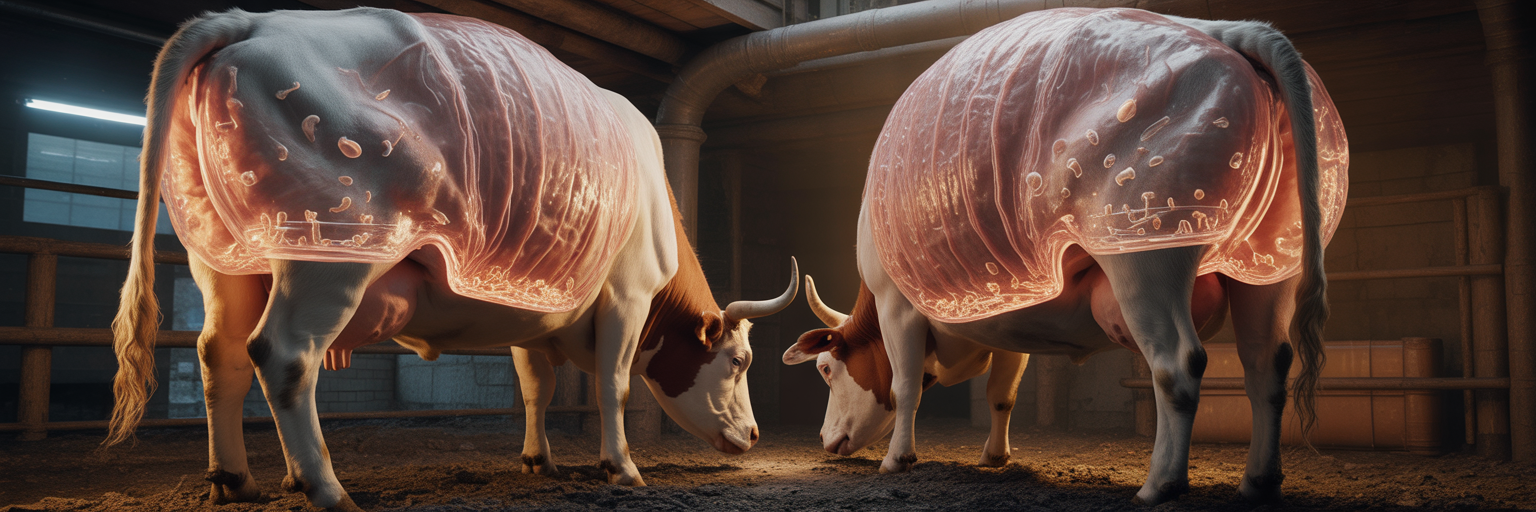
Now that we’ve established the existence of this creepy internal factory, it’s time to meet the hosts. The animals that carry these living power plants inside them are known as ruminants. You know them as cows, sheep, goats, and deer, but it’s more accurate to think of them as unsuspecting, walking bioreactors. Their entire anatomy is built around servicing the microbial metropolis in their gut.
The secret to their success lies in a truly strange piece of biological architecture: the ruminant digestive system. Unlike our simple, single-chambered stomach, a ruminant has a complex, four-chambered organ. The main event, the heart of the entire factory, is the first and largest chamber: the rumen. This isn’t just a holding pouch. It’s a massive, warm, oxygen-free fermentation vat. According to the LSU AgCenter, the rumen is essentially a large microbial fermentation chamber where this entire process kicks off.
This is where things get even weirder. After swallowing a meal of tough grass, the animal will later bring partially digested food back up into its mouth to chew on it again. This process, known as chewing the cud, is the factory’s quality control step. The animal is essentially sending the product back to the floor for reprocessing, mechanically grinding the fibers into smaller pieces to give its microbial workers better access. This strange digestive setup might seem unique, but nature is full of odd adaptations, like the creature that can hear with its knees.
Our own stomachs would utterly fail at this task. If you ate a bowl of grass, your stomach acid would do very little to the tough cellulose fibers. You’d get almost no nutritional value from it. Ruminants, however, have bypassed this limitation by turning their gut into a dedicated fermentation plant, letting their internal workforce handle the heavy lifting.
The Factory Floor: A Tour of the Microbial Metropolis
Let’s take a tour of the factory floor itself: the rumen. The scale of this operation is difficult to comprehend. A single drop of fluid from a cow’s rumen contains billions of microbes, a population density that makes New York City look like a deserted village. This isn’t a random mob of organisms. It’s a highly organized, cooperative society of specialists, each with a specific job. The sheer volume of bacteria in a cow’s stomach is just the beginning.
To understand this microbial metropolis, let’s meet the key members of the workforce:
- Bacteria: These are the tireless assembly line workers. They make up the bulk of the workforce and possess specialized enzymes that act like chemical scissors, snipping apart the long, tough chains of cellulose that form the structure of plants.
- Archaea: Think of these as the waste management crew. As bacteria break down fibers, they produce byproducts like hydrogen and carbon dioxide. Archaea clean up this waste, converting it into methane. They keep the factory environment stable and prevent a toxic buildup of gases.
- Fungi: These are the demolition experts. Before bacteria can get to work, tough plant fibers need to be physically broken apart. Fungi use powerful, root-like filaments to pry open the fibrous structures, creating access points for the rest of the workforce.
- Protozoa: Meet the floor supervisors. These larger microbes patrol the rumen, preying on bacteria. This might sound counterproductive, but they play a crucial role in controlling bacterial populations, preventing any single group from taking over and disrupting the factory’s delicate balance.
This internal world is so vast and complex that we are still just scratching the surface of understanding it. As highlighted by research from The Royal Dick School of Veterinary Studies, scientists have uncovered thousands of previously unknown microbial species within the guts of cattle. We are still building the clearest picture yet of this ecosystem.
This isn’t chaos. It’s a perfect example of a self-sustaining system. The waste product of one group of microbes becomes the food for another. Nothing is wasted. Every role is essential, contributing to an incredibly efficient factory that turns inedible plant matter into life-sustaining energy.
The Assembly Line: From Tough Grass to Pure Energy
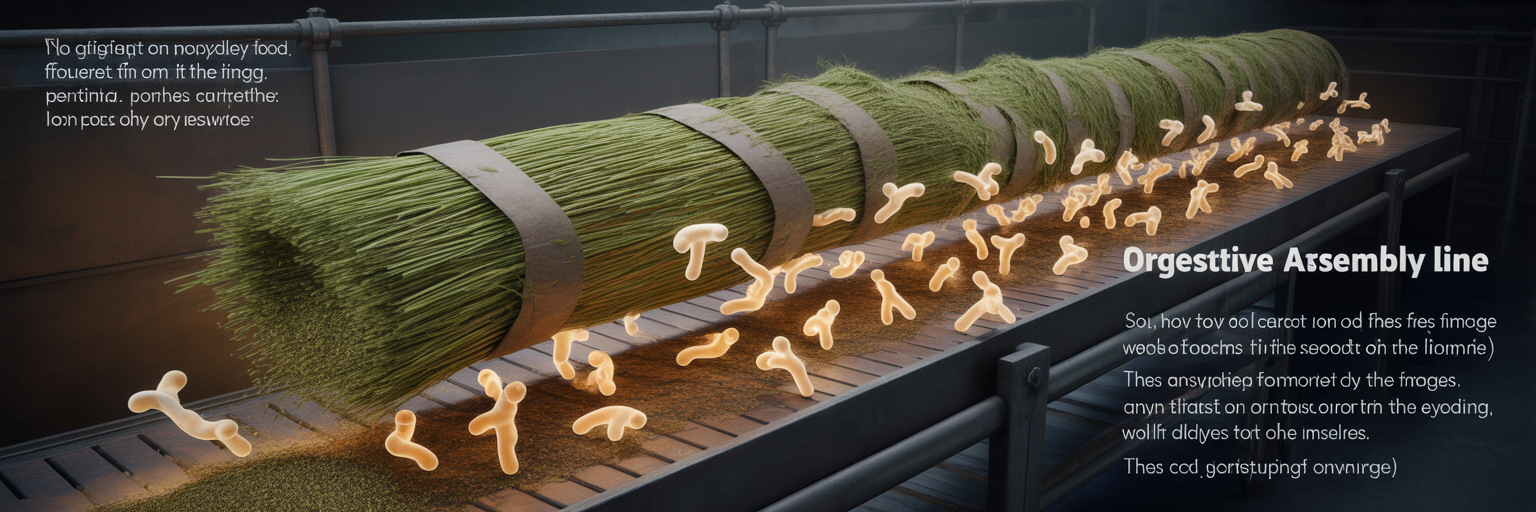
So, how do cows digest food if they can’t break down grass themselves? The answer lies in the factory’s assembly line. The process begins when the raw material, tough grass filled with cellulose, arrives on the factory floor, the rumen. It’s immediately swarmed by the microbial workforce in an environment completely free of oxygen.
This is where anaerobic fermentation begins. The bacterial workers release a flood of specialized enzymes, which act like microscopic chemical scissors. They relentlessly snip the long, complex cellulose chains into simple sugars. But here’s the critical twist: the cow doesn’t absorb these sugars. The microbial workers consume them for their own energy.
The real product of this factory is what the microbes excrete after their meal: Volatile Fatty Acids (VFAs). These VFAs are the energy-rich compounds that the animal’s body can actually absorb. The cow isn’t digesting the grass directly. It’s absorbing the waste products of its microbial employees. This transformation of grass into energy is a form of natural alchemy, a process as ingenious as the animal that uses bubbles as tools to hunt.
This process is not just a helpful supplement. It is the primary source of the animal’s energy. For a cow, nearly 80% of its total energy supply comes directly from absorbing these VFAs through the rumen wall into its bloodstream. The animal is, quite literally, living off the metabolic leftovers of the trillions of organisms it houses. The table below breaks down this bizarre assembly line.
| Factory Stage | Metaphorical Action | Biological Process | Key Output |
|---|---|---|---|
| 1. Raw Material Intake | Tough grass and hay arrive on the factory floor. | The ruminant ingests fibrous plant matter, which enters the rumen. | Cellulose and Hemicellulose |
| 2. Mechanical Softening | The product is sent back for reprocessing. | The animal regurgitates and chews the cud, physically breaking down fibers. | Increased Surface Area |
| 3. Microbial Breakdown | Assembly line workers (bacteria, fungi) swarm the material. | Anaerobic fermentation begins; microbes release enzymes to break down cellulose. | Simple Sugars |
| 4. Product Conversion | Workers convert raw materials into the final product. | Microbes consume the sugars and produce VFAs as their waste. | Volatile Fatty Acids (VFAs) |
| 5. Energy Shipment | The finished energy product is absorbed by the factory owner. | VFAs are absorbed through the rumen wall into the animal’s bloodstream. | ~80% of the Animal’s Energy |
Beyond Digestion: The Factory’s Other Creepy-Cool Products
The microbial factory does more than just produce energy. It has a specialty products division that creates other essential goods the animal can’t make for itself. These value-added services are just as critical for the animal’s survival.
First, there’s the matter of high-quality protein. Here’s where the story takes another creepy-cool turn. The microbes in the rumen are incredibly numerous and reproduce rapidly. As the soupy contents of the rumen are flushed into the rest of the stomach and intestines, these microbes are carried along with them. The animal then proceeds to digest its own factory workers. That’s right: the ruminant gets a significant portion of its protein by eating the very microbes that just fed it energy. It’s the ultimate form of recycling.
Next, the factory synthesizes essential vitamins. The microbial workforce produces all the B vitamins and vitamin K the animal needs. In our factory metaphor, this is like the workers manufacturing their own safety equipment and operational fluids to keep the entire animal machine running smoothly. The host animal is incapable of producing these vitamins on its own, making it completely reliant on its internal workforce for these vital nutrients.
Finally, the factory has a dedicated security department. A healthy and dense gut microbiome in animals forms a protective barrier along the intestinal wall. These beneficial microbes outcompete any harmful, pathogenic invaders for space and resources. They essentially create a living shield that prevents dangerous bacteria from taking hold and causing disease. This internal security force is a powerful defense, similar to how the animal that survives venom by breaking it down mid-attack neutralizes external threats.
When the Factory Goes on Strike: The Dangers of a Dysfunctional Gut
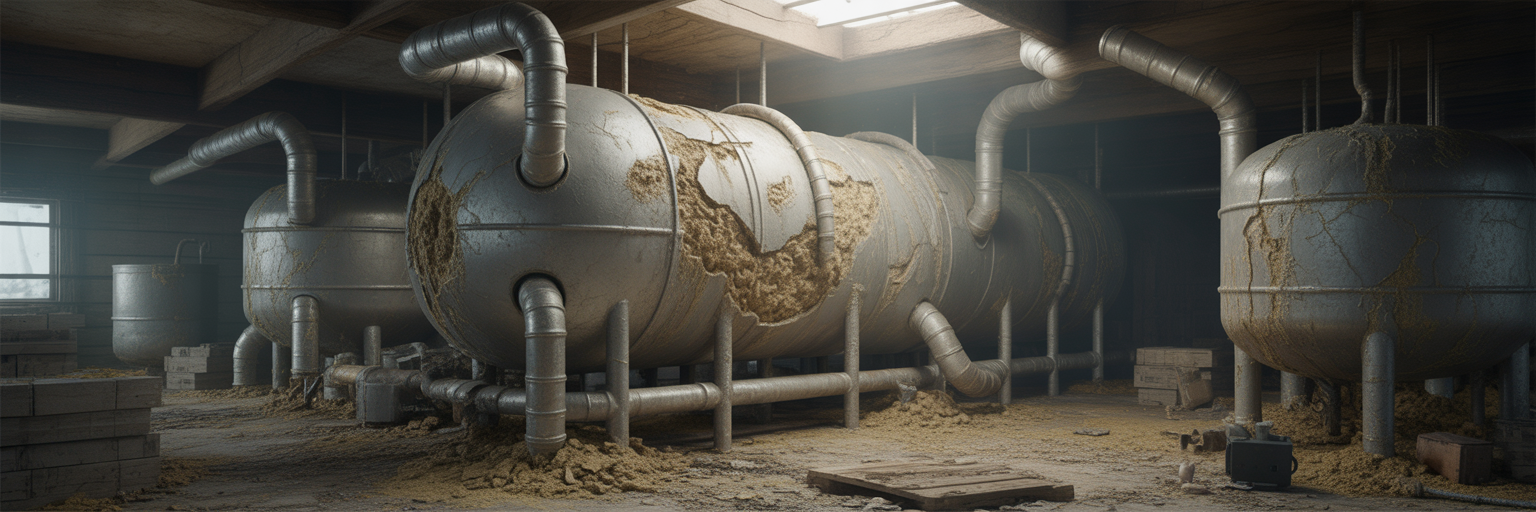
This symbiotic relationship is powerful, but it’s also delicate. When the factory’s internal balance is disrupted, it can lead to an industrial accident or a full-blown worker’s strike, with disastrous consequences for the host animal. This state of microbial imbalance is known as dysbiosis.
One of the most common causes of a factory shutdown is a sudden change in diet. Imagine a factory designed to process tough wood being suddenly flooded with liquid sugar. That’s what happens when a ruminant is abruptly switched from a high-fiber diet of grass to a high-grain diet. The microbes that specialize in digesting fiber are overwhelmed, while sugar-fermenting bacteria proliferate wildly. This new workforce produces huge amounts of lactic acid, causing the rumen’s pH to plummet. This toxic environment, known as acidosis, can cripple the entire operation and make the animal severely ill.
Another major threat is antibiotics. While necessary to fight certain infections, broad-spectrum antibiotics are like a chemical spill on the factory floor. They don’t distinguish between good workers and saboteurs. They wipe out huge portions of the essential microbial workforce, crippling digestive production and leaving the factory vulnerable to invasion by opportunistic pathogens. The factory’s vulnerability to such disruptions is a constant threat, much like the challenges faced by how tiny insects survive fungal artillery fire in their environment.
These disruptions lead to a cascade of negative effects. Some key animal digestion facts are that a dysfunctional gut leads to poor feed efficiency, weight loss, a weakened immune system, and a host of other illnesses. It’s a stark reminder that the animal’s health is completely dependent on keeping its trillions of microbial employees happy, balanced, and productive.
Hacking the System: The Future of Gut Factories
For centuries, we’ve benefited from this natural factory without fully understanding it. Now, scientists are trying to become factory managers, learning to “hack” the system to improve its efficiency and reduce its environmental footprint. This research is opening up new frontiers in agriculture and animal health.
A major focus is the factory’s emissions. The archaea, our “waste management crew,” produce methane as a byproduct. Methane is a potent greenhouse gas, and livestock are a significant source of it. Researchers are now exploring ways to tweak the microbial community, for instance by using feed additives, to reduce the amount of methane produced without harming the animal’s digestive efficiency. It’s like retrofitting the factory to be more environmentally friendly.
Furthermore, understanding the gut factory is changing how we approach animal breeding. As research from The Royal Dick School of Veterinary Studies suggests, analyzing a cow’s microbial makeup can help predict its feed efficiency. This means farmers could one day breed animals that naturally host more efficient microbial workforces. This would allow for more sustainable agriculture, producing more with fewer resources.
Understanding and “hacking” these complex biological systems is a scientific frontier, much like deciphering the plant that can sense when its neighbor is being attacked. These animals are not just individuals; they are walking, breathing ecosystems. The creepy, crawly, and incredibly complex factory churning away inside them is a perfect example of nature’s weird and wonderful solutions. It’s a system that is strange, but absolutely essential.