Why Reality Is Stranger Than Any Sci-Fi Movie
The most terrifying monsters are not born in a writer’s room; they evolve in the wild. Nature’s script for survival is often more bizarre and disturbing than any science fiction plot. While movies give us predictable aliens and lumbering beasts, the real world offers up parasites that hijack minds and animals that treat death as a temporary inconvenience.
This is not fiction. This is a curated exploration of scientifically proven crazy nature facts that sound entirely fabricated. We are peeling back a layer of reality to reveal the weird biology facts underneath, where the rules of life and death are twisted into unrecognizable shapes. Prepare to question what you think is possible as we look at mind-controlling parasites, animals that cheat death, and biological arms races that result in some of the most strange animals facts on Earth. What follows is a collection of truths so unsettling, you will wish they were made up.
Fact 1: The Fungus That Creates Real-Life Zombies
The idea of a zombie apocalypse is a horror staple, but in the insect world, it is a terrifying reality. The parasitic fungus Ophiocordyceps unilateralis is the puppeteer in a real-life horror show, and its star is an unsuspecting ant. The process is a chilling, step-by-step takeover that makes the zombie ant fungus real.
- The Infection: A microscopic spore lands on an ant and begins its silent invasion. It grows a network of fungal cells that wrap around the ant’s muscle fibers, preparing to seize control.
- The Mind Control: The fungus does not infect the brain. Instead, it hijacks the ant’s muscles and central nervous system. The ant becomes a prisoner in its own body, forced to abandon its colony and march to a location of the fungus’s choosing.
- The Final Climb: The fungus compels the ant to perform a “summit behavior,” climbing a plant to a specific height. This spot has the perfect temperature and humidity for the fungus to grow.
- The Death Grip: In its final moments, the ant is forced to bite down on a leaf vein, locking its mandibles in a permanent grip that holds it in place even after death.
- The Eruption: The horror reaches its climax as a fruiting body erupts from the dead ant’s head. As detailed by National Geographic, this stalk rains spores down on the unsuspecting colony below, ensuring the parasite’s life cycle continues.
Fact 2: The Parasite That Becomes a Living Tongue

If a mind-controlling fungus is not enough, nature also offers a prime example of body-snatching horror. Meet the tongue-eating louse, Cymothoa exigua, a crustacean with a uniquely grotesque lifecycle. This is not just parasitism; it is a complete anatomical replacement that stands out among creepy science facts.
The process begins when the louse enters a fish’s gills and makes its way to the mouth. It latches onto the base of the tongue with its sharp claws and begins to feed on the blood. By severing the blood vessels, the parasite cuts off circulation, causing the tongue to wither, die, and eventually detach. But the story does not end there. The louse then firmly attaches itself to the remaining stub of the tongue, positioning itself where the organ used to be. It becomes a functional, living prosthetic. The fish can continue to eat, using the parasite as its new tongue, while the louse feeds on the fish’s mucus. It is a deeply unsettling form of integration, where the host is forced to live with its tormentor as a part of its own body.
Fact 3: The Extreme Arms Race of Duck Anatomy
Evolution is often driven by conflict, and nowhere is this more apparent than in the bizarre reproductive anatomy of certain waterfowl. The concept of “sexual conflict” describes a situation where the reproductive goals of males and females are in direct opposition, leading to a biological arms race that has produced some truly strange results.
In some duck species, intense male competition has led to the evolution of a complex, counter-clockwise, corkscrew-shaped phallus. It is an extreme adaptation for ensuring fertilization. However, females have developed an equally elaborate counter-adaptation. Their vaginal tract is a confusing labyrinth, spiraling in the opposite direction (clockwise) and filled with dead-end sacs and spirals. This is not a passive structure; it is a defensive one. It gives the female physical control over paternity, allowing her to thwart forced copulations from undesirable males and select which one ultimately fertilizes her eggs. This is not a crude joke of nature but a powerful example of how behavioral pressures can shape anatomy in ways that seem almost impossibly engineered.
Fact 4: When Mating Ends with a Meal
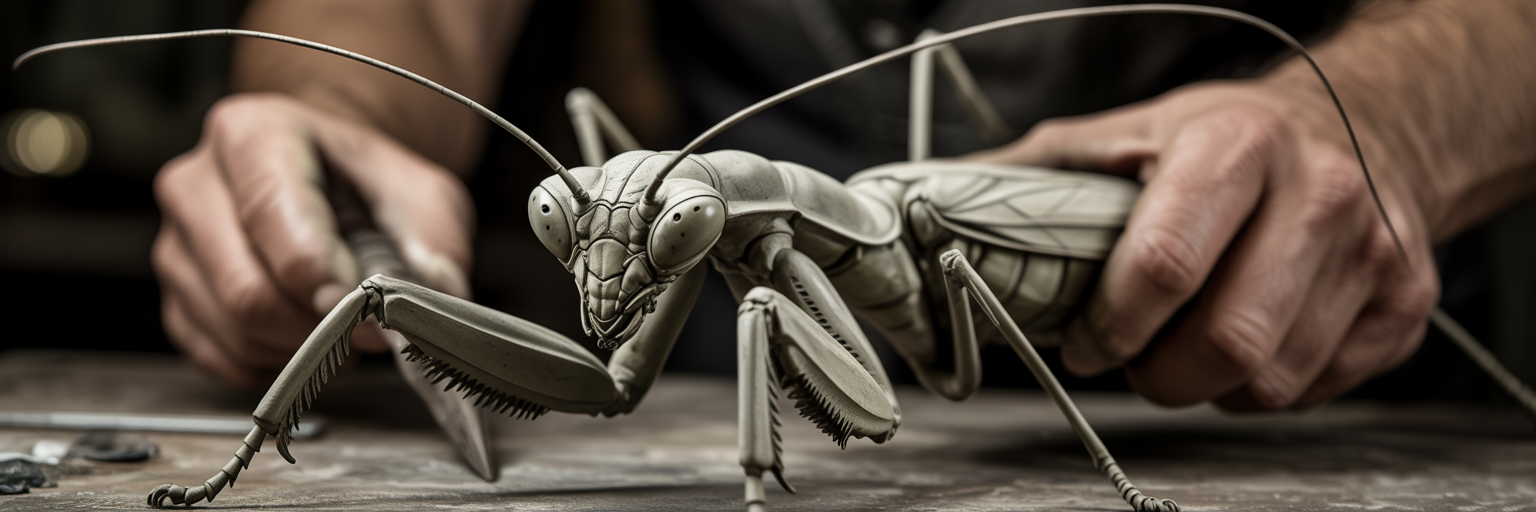
Sexual cannibalism in the praying mantis is one of nature’s most infamous behaviors. While it does not happen every time, the fact that it happens at all reveals a dark pragmatism in the animal kingdom. The “why” behind this act is a grim lesson in evolutionary strategy. The male’s body often serves as a “nuptial gift,” providing the female with a vital source of protein.
This gruesome meal directly improves the quantity and health of her offspring. For the male, it is the ultimate sacrifice, but it dramatically increases the probability that his genetic material will be passed on through a larger, healthier brood. The creepiest biological detail? A male mantis can continue to successfully transfer sperm even after being decapitated, as his mating reflexes are controlled by nerve clusters in his abdomen. This kind of brutal efficiency is a recurring theme in nature, where even cannibalism is a viable reproductive strategy. It is a reminder that survival is not always pretty, and sometimes, as seen when some animals hatch inside their mother and eat their siblings, the competition begins before birth.
Fact 5: The Creature That Can Survive Almost Anything
Meet the tardigrade, also known as the “water bear.” This microscopic animal treats conditions fatal to virtually all other life forms as a minor inconvenience. It is Earth’s ultimate survivor, and its resilience makes for one of the most unbelievable nature facts you will ever encounter. Tardigrades can withstand:
- The vacuum and radiation of outer space
- Pressures six times greater than the deepest ocean trenches
- Temperatures from near absolute zero (-458°F) to well above boiling (300°F)
- Dehydration for decades
The secret to this indestructibility is a state of suspended animation called cryptobiosis. The tardigrade expels nearly all its water, retracts its legs, and curls into a desiccated, lifeless-looking ball called a “tun.” Inside its cells, it produces unique proteins that form a glass-like matrix, preventing them from collapsing. When rehydrated, sometimes after decades, it simply reanimates and goes about its business. This incredible resilience is a testament to how some organisms evolve to withstand extreme threats, much like how the animal that survives venom by breaking it down mid-attack has developed its own specialized defense.
Fact 6: The Real-Life Superpower of Regeneration

Regeneration is a superpower that exists outside of comic books, and the axolotl is its real-world champion. This Mexican salamander possesses an astonishing ability to heal that puts other animals to shame. It can regrow not just limbs and tails, but also complex organs, including parts of its heart, spinal cord, and even brain tissue, all without any scarring.
The cellular process behind this is remarkable. When an axolotl is injured, cells near the wound revert to a stem-cell-like state. These cells form a cluster called a “blastema,” which then perfectly reconstructs the lost body part, complete with bone, muscle, nerves, and skin. This is far beyond the limited regeneration seen in lizards, which can regrow a tail made of cartilage but not a complex limb. Scientists are now studying the axolotl’s genetic code, hoping to one day apply the principles of its perfect regeneration to human injuries and change medicine forever.
Fact 7: Forests That Glow in the Dark
Imagine walking through a dark forest and seeing decaying logs and leaves emitting a faint, ghostly green light. This is not a fantasy; it is the work of bioluminescent fungi, also known as “foxfire.” This natural phenomenon creates an eerie, magical atmosphere in forests around the world, from the Appalachians to Brazil.
The science behind the glow is a simple chemical reaction. A compound called luciferin interacts with an enzyme, luciferase, to produce a cool, green light. It is the same fundamental process that allows fireflies to glow. Scientists are still debating the evolutionary purpose of this light. One leading theory is that it attracts nocturnal insects, which then help spread the fungus’s spores to new locations. Another theory suggests the glow serves as a warning signal to herbivores, indicating that the fungus is toxic and should not be eaten. Whatever the reason, the sight of a glowing forest is an unforgettable and slightly unsettling experience.
Fact 8: The Frog That Freezes Solid and Lives
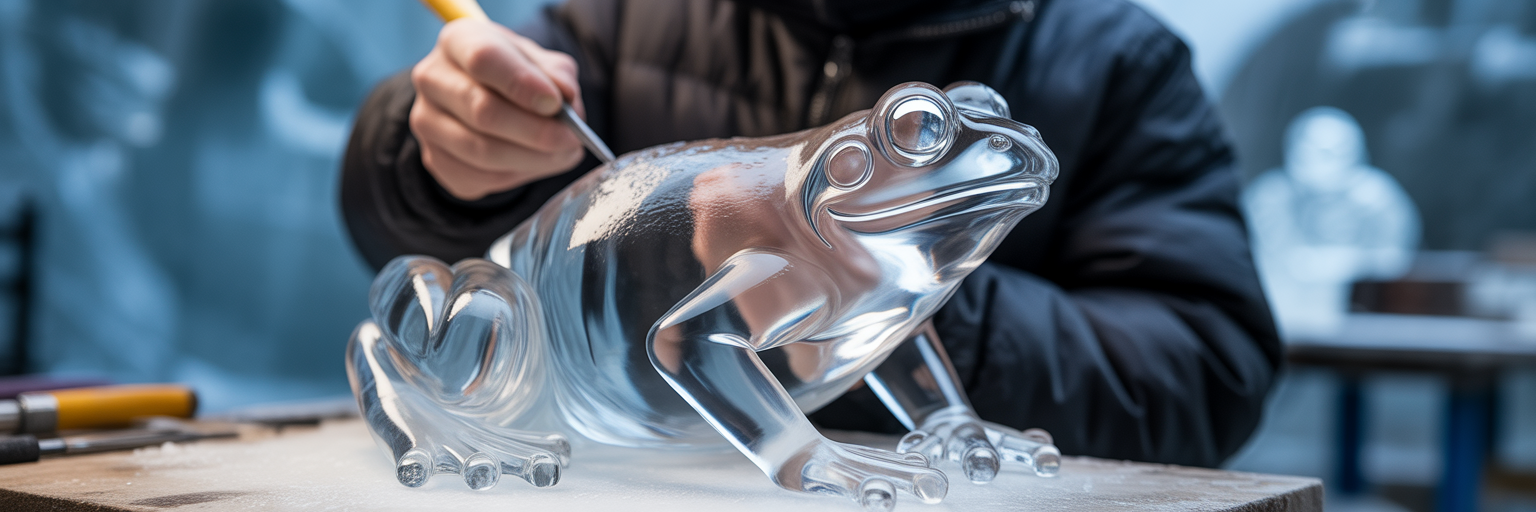
The North American wood frog has a survival strategy straight out of a cryogenic sci-fi plot. As winter approaches and temperatures plummet, this small amphibian does something that should be impossible: it freezes solid. Its heart stops beating, it stops breathing, and up to 70% of the water in its body turns to ice.
How does it survive this? The frog has a biological “antifreeze.” As ice crystals begin to form on its skin, its liver goes into overdrive, pumping massive quantities of glucose into its bloodstream. This sugar-rich syrup concentrates inside its cells, preventing them from dehydrating and being shredded by ice crystals. The frog remains in this state of suspended animation, clinically dead, for months. When spring arrives, a miracle happens. The frog thaws from the inside out. Its heart flickers back to life, its lungs resume function, and within hours, it hops away to mate as if nothing happened. It is one of the most extreme survival adaptations in the vertebrate world.
Fact 9: The Ants That Explode for Their Colony
Altruism in nature can take extreme forms, but few are as dramatic as “autothysis,” or defensive suicide. The star of this grim show is the Malaysian exploding ant, Colobopsis saundersi. This species has a specialized caste of worker ants whose sole purpose is to act as living bombs.
These ants have a pair of enormous glands that run the entire length of their bodies, filled with a toxic, sticky goo. When the colony is threatened by a predator and a worker ant is overwhelmed, it can deliberately and violently contract its abdominal muscles. This causes its body wall to rupture, spraying the corrosive glue all over the attacker. The substance entangles and often kills the threat. This is not a simple death; it is the ultimate act of colony defense. The individual is sacrificed to protect the collective, a powerful and brutal example of eusocial behavior where the group’s survival is paramount.
Fact 10: Nightmares from the Deep Ocean
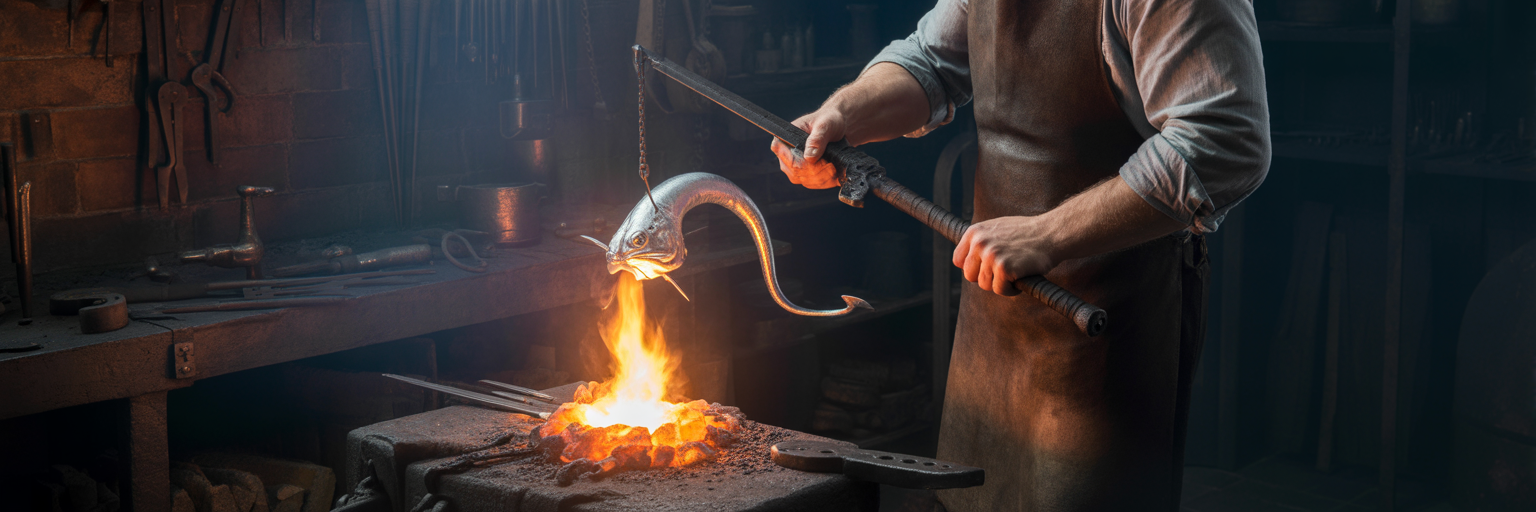
The deep sea is Earth’s final frontier and a factory for nightmares. The extreme conditions of crushing pressure, absolute darkness, and scarce food have forced evolution down some truly bizarre paths. The creatures that live here are not monsters; they are perfectly adapted survivors.
- The Anglerfish: Famous for the bioluminescent lure that dangles before its giant mouth, it also features parasitic males that fuse to the female’s body, withering away into little more than attached sperm banks.
- The Goblin Shark: A “living fossil” with a terrifying, extendable jaw that shoots forward to snatch prey from the darkness.
- The Vampire Squid: Not a true squid, this creature defends itself by flipping its webbed arms inside out to form a spiky, black cloak.
In the deep, bioluminescence is crucial for hunting and communication, as seen in the predator that hypnotizes prey with light. Strange bodies and huge mouths are adaptations for conserving energy and ensuring no meal escapes. The deep sea is full of such oddities, including creatures with unique sensory abilities, like the creature that can hear with its knees, proving that survival in this environment requires radical solutions.
Why Nature Evolves Such Strange Survival Tactics
After reading these examples, you might wonder why nature produces such bizarre outcomes. The answer lies in a core evolutionary principle: selective pressure. Evolution is not a conscious designer with a sense of what is “normal.” It is a blind process that favors whatever works for survival and reproduction, no matter how strange it seems to us.
Extreme environments, like the crushing darkness of the deep sea, demand radical solutions. Intense competition, whether from predators, parasites, or even potential mates, drives biological arms races that result in specialized and often grotesque adaptations. These crazy nature facts are not random oddities; they are highly specialized masterpieces of survival. The wood frog’s ability to freeze is perfect for its cold climate but useless in the tropics. The anglerfish’s lure is a brilliant tool in the dark but pointless in the light. These phenomena are the ultimate expression of life’s relentless, pragmatic, and often brutal creativity in its unending quest to continue.
How These Facts Stack Up: A Creepiness Ranking
To put these bizarre phenomena in perspective, here is a ranking based on three simple criteria: the visceral “yuck” factor (Creepiness), how much it deviates from our understanding of biology (Weirdness), and how unbelievable it sounds at first (Sounds Fake Factor).
| Fact | Creepiness (1-10) | Weirdness (1-10) | ‘Sounds Fake’ Factor (1-10) |
|---|---|---|---|
| Zombie-Ant Fungus | 9 | 9 | 8 |
| Tongue-Eating Louse | 10 | 8 | 9 |
| Duck Anatomy Arms Race | 3 | 10 | 7 |
| Praying Mantis Cannibalism | 7 | 6 | 4 |
| Tardigrade Survival | 2 | 9 | 10 |
| Axolotl Regeneration | 1 | 8 | 6 |
| Glow-in-the-Dark Fungi | 4 | 7 | 5 |
| Freeze-Solid Frog | 2 | 9 | 9 |
| Exploding Ants | 6 | 8 | 8 |
| Deep-Sea Creatures | 8 | 9 | 7 |
Note: These rankings are subjective and intended to spark discussion, reflecting the general reaction these facts often provoke.
Frequently Asked Questions About Nature’s Oddities
What is the craziest fact about nature?
While it is subjective, the tardigrade’s ability to survive the vacuum of space, extreme temperatures, and decades of dehydration pushes the known boundaries of biology, making it a top contender for the craziest fact.
What is the creepiest thing found in nature?
Parasites often win this category. The tongue-eating louse, which destroys a fish’s tongue and then lives in its place as a functional replacement, is a strong candidate due to its body-snatching horror.
Are zombie ants real?
Yes, the zombie ant fungus real. It is a parasitic fungus, Ophiocordyceps, that infects an ant’s nervous system and controls its body to position it perfectly for spreading spores. It is not a fictional reanimation but a real biological takeover.
What animal has the weirdest survival strategy?
The wood frog’s ability to freeze solid during winter and thaw back to life in the spring is arguably one of the weirdest. It is a feat of natural cryogenics that defies our understanding of life and death.
Why are deep-sea animals so strange?
Deep-sea animals look so strange because they are adapted to an extreme environment defined by three main pressures: total darkness, immense water pressure, and a scarcity of food. Their bizarre forms are highly efficient solutions for survival.
What is the most disturbing parasite in nature?
This is debatable, but the zombie-ant fungus is often cited as the most disturbing due to its “mind control” aspect. The idea of an organism being piloted by another is a deeply unsettling concept.
Can animals really come back after freezing?
Yes, but only a few highly specialized animals like the wood frog can. They produce natural antifreezes, like glucose, that protect their cells from being destroyed by ice crystals, allowing them to thaw and resume life.
The Weird and Wonderful World We Live In
Our planet is filled with biological truths that are more astonishing, more creative, and often more terrifying than any work of fiction. Each crazy nature fact we have explored is a testament to the relentless power of evolution to solve problems in the most unexpected ways. From exploding ants to frogs that cheat death, these phenomena are not mistakes or oddities; they are masterpieces of survival, honed over millions of years.
They remind us that the most unbelievable stories are often the true ones, hidden in plain sight in the forests, oceans, and even our own backyards. There is always more to discover about the world we live in, and its strangeness is a source of endless wonder. The wonders do not stop here; explore more of what makes nature so crazy.