Nature’s Gummiest Killers: Deadly Animals That Kill Without Teeth or Claws
When you picture a top predator, your mind probably jumps to a shark with rows of serrated daggers or a lion with canines the size of your thumb. You know, animals that could tear through a steak like it was butter. But nature’s sense of humour is a strange thing. Some of the most efficient killers on the planet couldn’t chew their way out of a paper bag. Forget the bite; it is the other stuff you need to worry about. These are the deadly animals without teeth or claws, and they prove that evolution sometimes skips the cutlery and goes straight for chemical warfare, passive aggression, or just a really, really bad hug.
Evolution is a bizarre inventor. When it decides to ditch the fangs and talons, it gets terrifyingly creative. We are about to take a guided tour of nature’s weirdest and most wonderful murderers. You will meet the floating chemists who mastered the art of the venomous jab, the passive-aggressive poisoners who kill if you so much as look at them funny, and the bone-breaking huggers who love you to death. We will even cover the planet’s tiniest hitmen, who have a body count that makes all the others look like amateurs. So, buckle up. Things are about to get weird, gummy, and surprisingly lethal.
The Floating Chemists: Masters of Venom
First up are the creatures that decided biting was for chumps. Why bother with something as crude as teeth when you can just inject pure, unadulterated doom directly into your victim’s bloodstream? These are the masters of venom, and they have turned their bodies into hypodermic needles of despair.
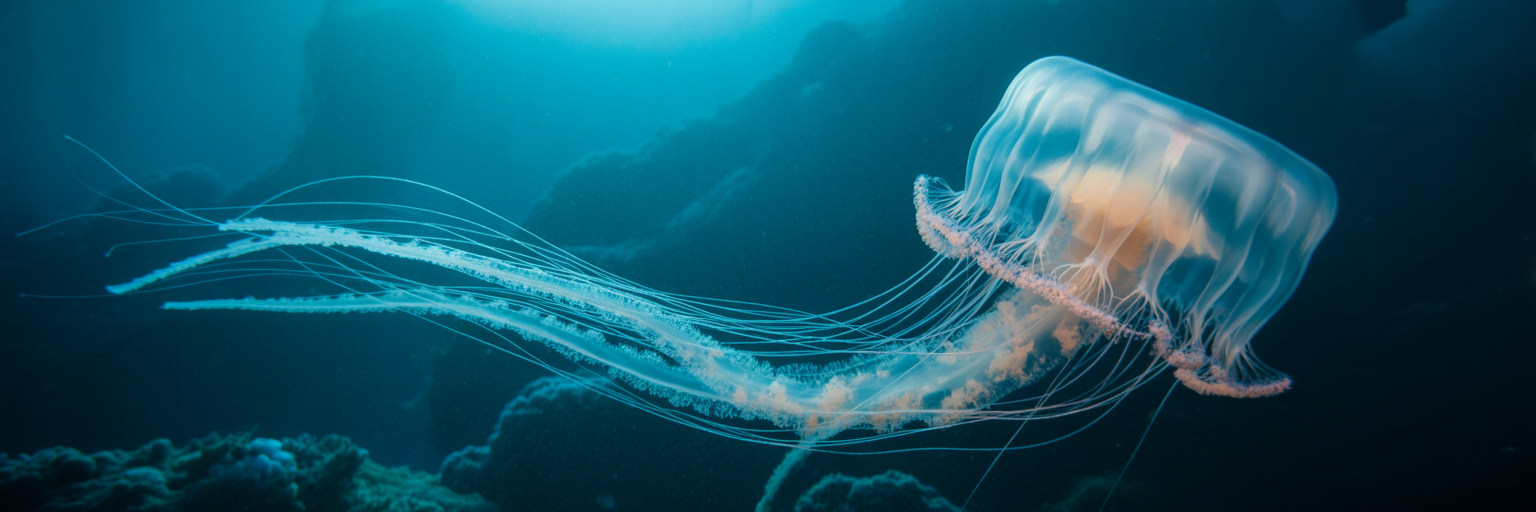
The Box Jellyfish: The Ghost in the Water
The box jellyfish looks less like an animal and more like a sentient, angry plastic bag floating in the ocean. It is almost invisible, which is a terrible design choice for anyone swimming nearby. Its tentacles are covered in millions of microscopic, spring-loaded harpoons called nematocysts. So, how do jellyfish sting? When you brush against a tentacle, these cells fire tiny, venom-filled darts into your skin. It is less of a sting and more of a full-scale invasion by a microscopic army. The venom is so potent it can cause cardiac arrest in minutes. It is the ocean’s way of saying, “Look, but for the love of all that is holy, do not touch.”
The Portuguese Man o’ War: The Ocean’s Deadliest Committee
This one is a real mind-bender. The Portuguese Man o’ War is not a single animal. It is a murderous committee, a floating death-conga-line of individual organisms called zooids, all working together to ruin your day. The floaty bit at the top is one organism, the digestive bits are others, and the long, trailing tentacles are the business end of the operation. Those tentacles, which can stretch up to 30 metres, are armed with the same kind of stinging cells as the box jellyfish. It is a perfect example of teamwork making the dream work, assuming the dream is to be a terrifying, venomous colony.
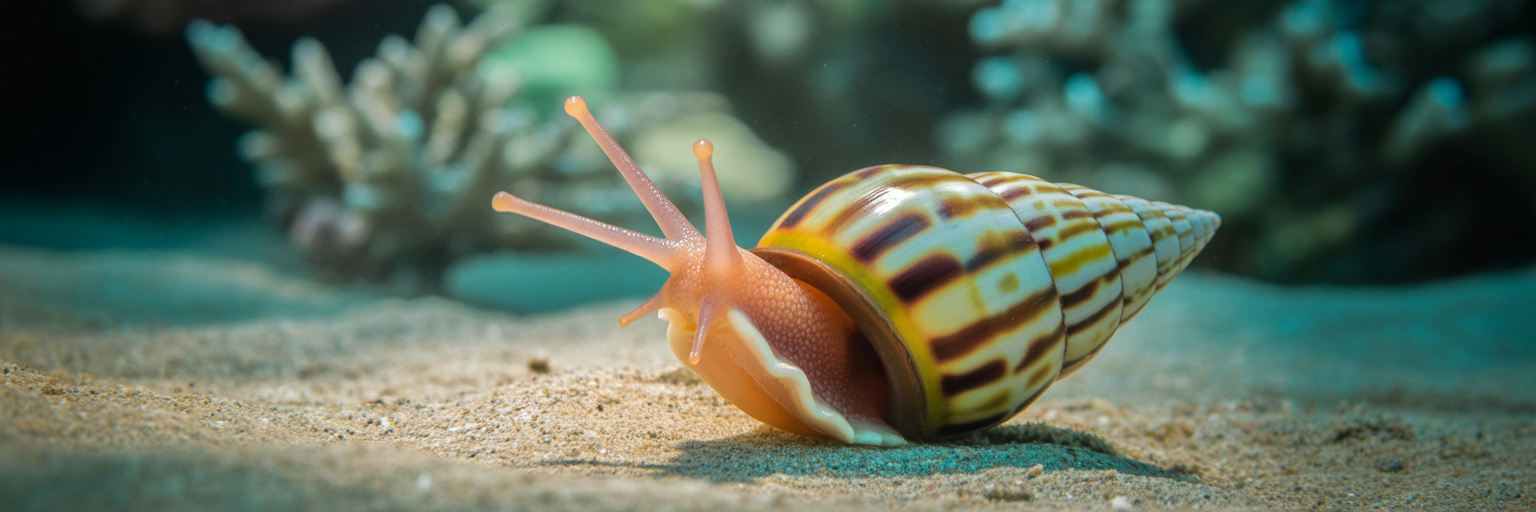
The Cone Snail: The Patient Assassin
Snails are not exactly known for their speed. You would think anything a snail wants to eat could just, you know, walk away. But the cone snail does not need to be fast. It has a venomous harpoon it shoots into its victim’s face. This specialised tooth, called a radula, is fired out of its mouth, delivering a complex cocktail of neurotoxins that paralyses the prey almost instantly. The snail then casually retracts its harpoon and swallows its immobilised meal whole. It is the ultimate proof that you should never underestimate the slow ones.
- Box Jellyfish: Millions of microscopic, pressure-triggered harpoons on its tentacles.
- Portuguese Man o’ War: A whole colony of organisms with specialised stinging tentacles.
- Cone Snail: A single, reusable venomous harpoon it fires at prey.
Look, But Definitely Don’t Lick: The Poison Crew
Now we move from the injectors to the secretors. This is where we need to make a crucial distinction. Venomous animals attack you; poisonous animals make you regret attacking them. It is the difference between getting stabbed and licking a knife. Both are bad ideas, but the responsibility shifts a little. These are the animals that kill with poison, and their motto is simple: you break it, you buy it. And by “it,” we mean a terrible, painful death.
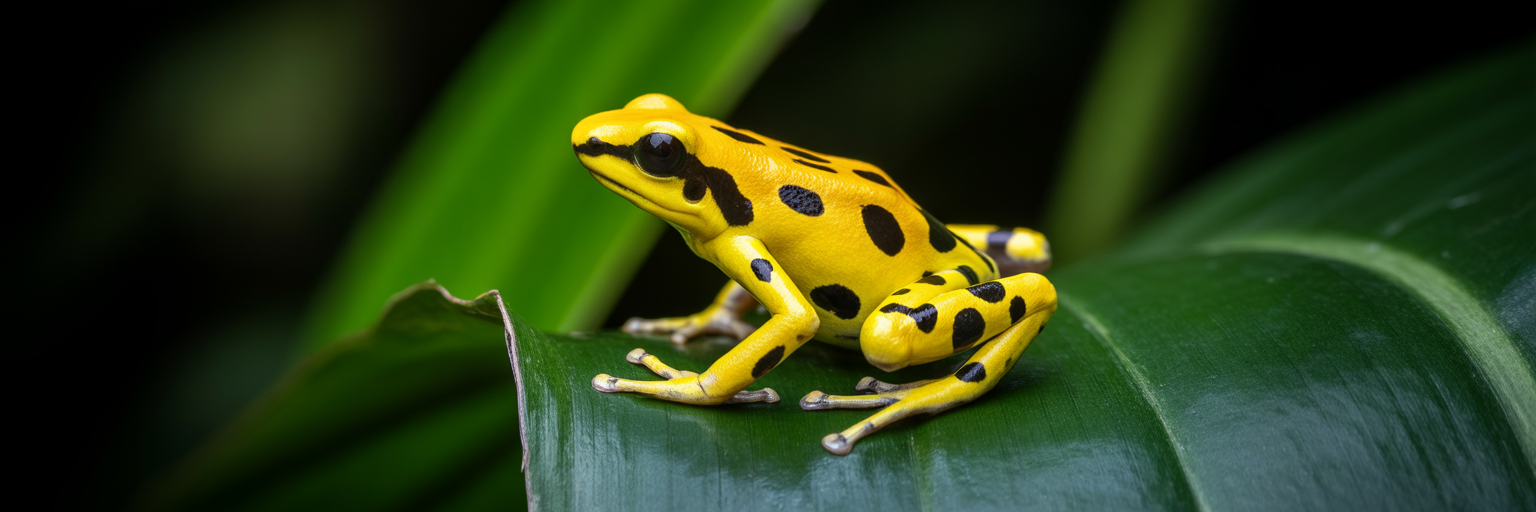
The poster child for this strategy is the Golden Poison Frog. This tiny, brightly coloured amphibian from Colombia is not trying to make a fashion statement. Its vibrant yellow skin is a screaming billboard that says, “I AM A TERRIBLE IDEA.” It does not have fangs or stingers. It just sits there, oozing one of the most potent neurotoxins in the world from its skin. The poison is so powerful that the amount on a single frog could kill ten grown men. The best part? The frog does not even make the poison itself. It gets it from the insects it eats, proving once and for all that you really are what you eat. Other members of this “don’t touch me” club include the pufferfish, whose organs contain enough tetrodotoxin to take out a dinner party.
| Feature | Venomous (The Injectors) | Poisonous (The Secretors) |
|---|---|---|
| Delivery Method | Injected via fangs, stingers, or harpoons. | Secreted through skin; absorbed or ingested. |
| Animal’s Goal | Offensive (hunting prey). | Defensive (discouraging predators). |
| Example Creature | Cone Snail, Box Jellyfish | Golden Poison Frog, Pufferfish |
| How You Get Hurt | The animal attacks you. | You touch or eat the animal. |
| Our Advice | Don’t get in its way. | Seriously, don’t lick it. |
Weird Weapons and Bizarre Body Parts
If you thought venom and poison were strange, get ready for the true weirdos. These are the animals that looked at the evolutionary toolkit and said, “Nah, I’ll make my own.” They use weird animal weapons built from the most unexpected body parts. They are nature’s DIY enthusiasts, and their projects are horrifyingly effective.
The Octopus: All Arms and a Demon Beak
The octopus seems like it should be harmless. It is a squishy, intelligent bag of arms that is great at solving puzzles and opening jars. But hidden in the centre of its soft body, where all its arms meet, is a secret weapon: a hard, chitinous beak that looks like it was stolen from a demon parrot. It is sharp and powerful enough to punch through the shells of crabs and clams. As if that were not enough, many octopuses add a little extra spice by injecting venomous saliva into the wound to paralyse their prey and start digesting it from the inside. It is a one-two punch of brute force and chemical nastiness.
The Uloboridae Spider: The Vomit Killer
Spiders are famous for their venom, right? Well, most of them. The Uloboridae family of spiders decided to be different. They have no venom glands at all. So how do they kill their prey? In the grossest way imaginable. First, they wrap their victim tightly in an absurd amount of silk. Then, they simply regurgitate corrosive digestive enzymes all over the immobilised meal. Why bother with venom when you can just cover your food in flesh-melting vomit? It is efficient, if a little rude. This is not just a weird quirk; it is a complete evolutionary pivot. A 2025 study published in BMC Biology explored how these spiders lost their venom glands but developed the ability to produce lethal toxins in their digestive systems, essentially turning their gut into a weapon.
The Squeeze Play: Death by Cuddling
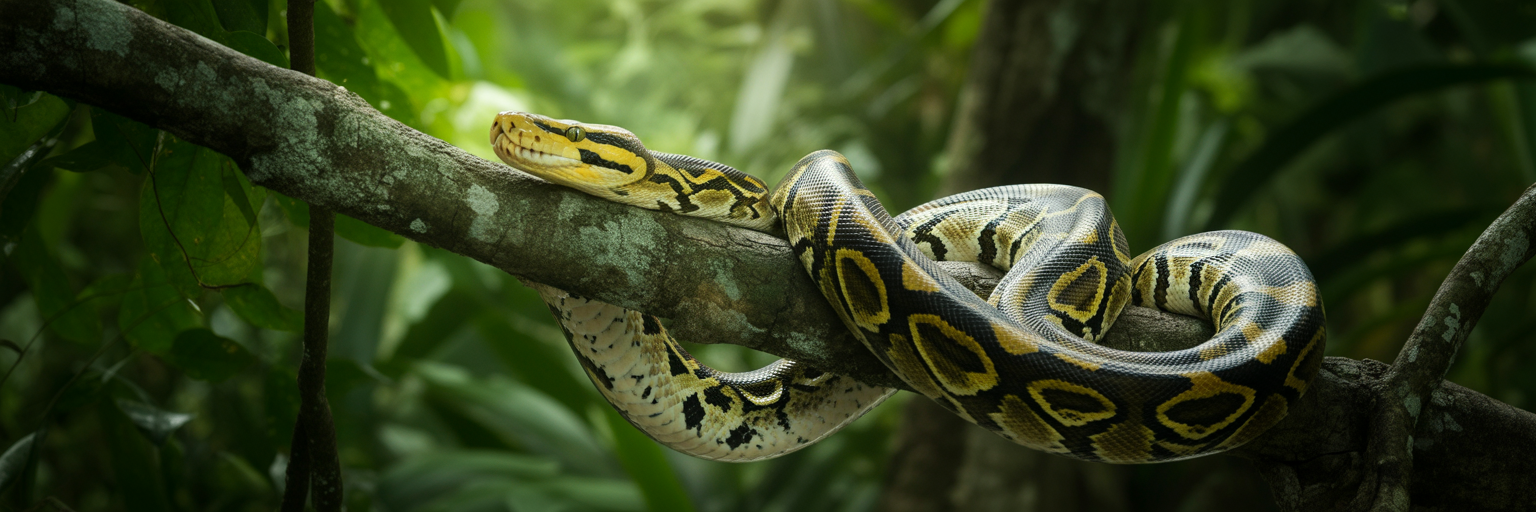
Some animals do not need chemicals or weird body parts. All they need is pure, unadulterated muscle. Meet the constrictors, the masters of the death hug. For years, everyone thought these snakes killed by suffocation, slowly squeezing the air out of their prey’s lungs. That is a good story, but the reality is much faster and far more brutal. The real constrictor snake killing method is circulatory collapse. It is a really, really aggressive hug that stops your heart.
Here is how it works: the snake wraps itself around its prey and waits. Every time the victim exhales, the snake tightens its grip, just a little. It is not crushing bones or blocking the airway. Instead, the immense pressure it exerts is cutting off blood flow. Within seconds, the blood supply to the brain is stopped, leading to a swift blackout. The heart struggles against the pressure and quickly gives out. It is a masterpiece of applied physics, a perfectly calibrated system of death that requires no venom, no fangs, just impeccable technique and a whole lot of muscle.
And if you think that is scary on a python, imagine it on a larger scale. The prehistoric snake *Titanoboa* grew to the size of a school bus and weighed over a tonne. It used this exact same technique to hunt giant crocodiles and turtles. It did not need teeth to be the apex predator of its time. It just needed to be the world’s strongest, deadliest cuddler.
The Tiniest Terrorists: Death by Disease
After all that talk of venom, poison, and death hugs, the grand champion of killing is a bit of an anticlimax. The deadliest animal on Earth is not a snake, a spider, or a spooky jellyfish. It is the uninvited guest at your summer barbecue: the mosquito. This is where we meet the most dangerous small animals, and they do not kill with their own power. They kill by outsourcing.
Mosquitoes do not kill you directly. They are just the delivery drivers for some of the worst diseases known to humanity, like malaria, dengue fever, Zika, and West Nile virus. They are flying biological weapons. That little needle they stick in you is not a simple straw. It is a complex surgical tool called a proboscis, designed to pierce skin, locate a blood vessel, and inject saliva that prevents clotting. That saliva is the gateway for parasites and viruses to enter your bloodstream.
Their impact is staggering. Do not just take our word for it. According to the World Health Organization’s 2023 World Malaria Report, there were an estimated 249 million cases of malaria in 2022, leading to 608,000 deaths. That is a kill count that makes sharks look like amateur hobbyists. It is a sobering reminder that “deadly” does not always mean big and scary. Sometimes, it is the thing you barely notice that is the most dangerous of all.
Nature’s Final, Toothless Punchlines
So, there you have it. Nature’s gallery of gummiest killers proves that you do not need a mouth full of daggers to be at the top of the food chain. Evolution has cooked up some truly bizarre and horrifying ways to get the job done without a single tooth or claw in sight. From venomous harpoons to poisonous skin and flesh-melting vomit, the creativity is boundless.
Let us recap the methods we have seen from these toothless terrors:
- Chemical Warfare: Injecting pure doom with microscopic harpoons (Box Jellyfish, Cone Snail).
- Passive-Aggressive Poisoning: Just sitting there, covered in a “do not eat me” sign made of toxins (Golden Poison Frog).
- Bizarre Body Parts: Using a hidden demon beak or weaponised vomit (Octopus, Uloboridae Spider).
- Deadly Hugs: Squeezing the life out of victims with pure, calibrated force (Constrictor Snakes).
- Biological Warfare: Acting as the world’s worst delivery service for deadly diseases (Mosquito).
–
The next time you see a beautiful frog, a squishy octopus, or a delicate jellyfish, maybe give it some space. It might not have teeth, but it could have a dozen other ways to ruin your day. Nature is crazy like that.