
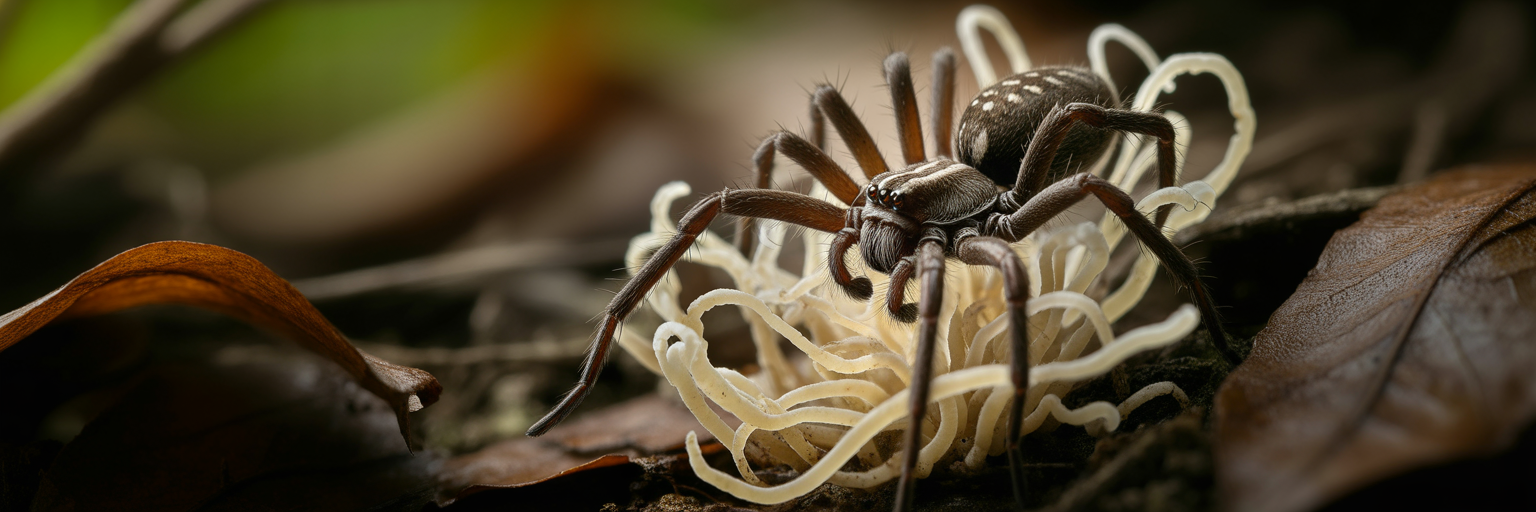
The idea of a fungus turning its host into a mindless zombie has gripped pop culture, but nature has been running that horror show for millions of years. While video games and TV shows have us side-eyeing mushrooms, the real world has something even weirder going on. We’re talking about spiders taken over by fungus, and it’s a spectacle of biological puppetry that makes fiction look tame. This isn’t just a case of a spider getting sick. Oh no, this is a full-blown hostile takeover where the parasite doesn’t just kill its host, it makes it do its bidding first.
Imagine you have a terrible roommate. This roommate doesn’t just eat your food and leave dirty dishes in the sink. This roommate moves into your brain, convinces you to quit your job, climb onto your roof, and then uses your body as a launchpad to fling its children at the neighbours. That’s essentially what this fungus does to a spider. It’s a masterclass in manipulation, turning an unsuspecting arachnid into a vehicle for its own fungal ambitions. The two main characters in this drama are the spider, just trying to live its best eight-legged life, and a parasitic fungus with the moral compass of a Bond villain. If you’re already regretting clicking this, I promise it only gets more disgustingly fascinating from here. Stick with me, pal.
The Creepy Truth About Spiders Taken Over by Fungus
The idea of a fungus turning its host into a mindless zombie has gripped pop culture, but nature has been running that horror show for millions of years. While video games and TV shows have us side-eyeing mushrooms, the real world has something even weirder going on. We’re talking about spiders taken over by fungus, and it’s a spectacle of biological puppetry that makes fiction look tame. This isn’t just a case of a spider getting sick. Oh no, this is a full-blown hostile takeover where the parasite doesn’t just kill its host, it makes it do its bidding first.
Imagine you have a terrible roommate. This roommate doesn’t just eat your food and leave dirty dishes in the sink. This roommate moves into your brain, convinces you to quit your job, climb onto your roof, and then uses your body as a launchpad to fling its children at the neighbours. That’s essentially what this fungus does to a spider. It’s a masterclass in manipulation, turning an unsuspecting arachnid into a vehicle for its own fungal ambitions. The two main characters in this drama are the spider, just trying to live its best eight-legged life, and a parasitic fungus with the moral compass of a Bond villain. If you’re already regretting clicking this, I promise it only gets more disgustingly fascinating from here. Stick with me, pal.
Meet the Puppet Master: Gibellula attenboroughii
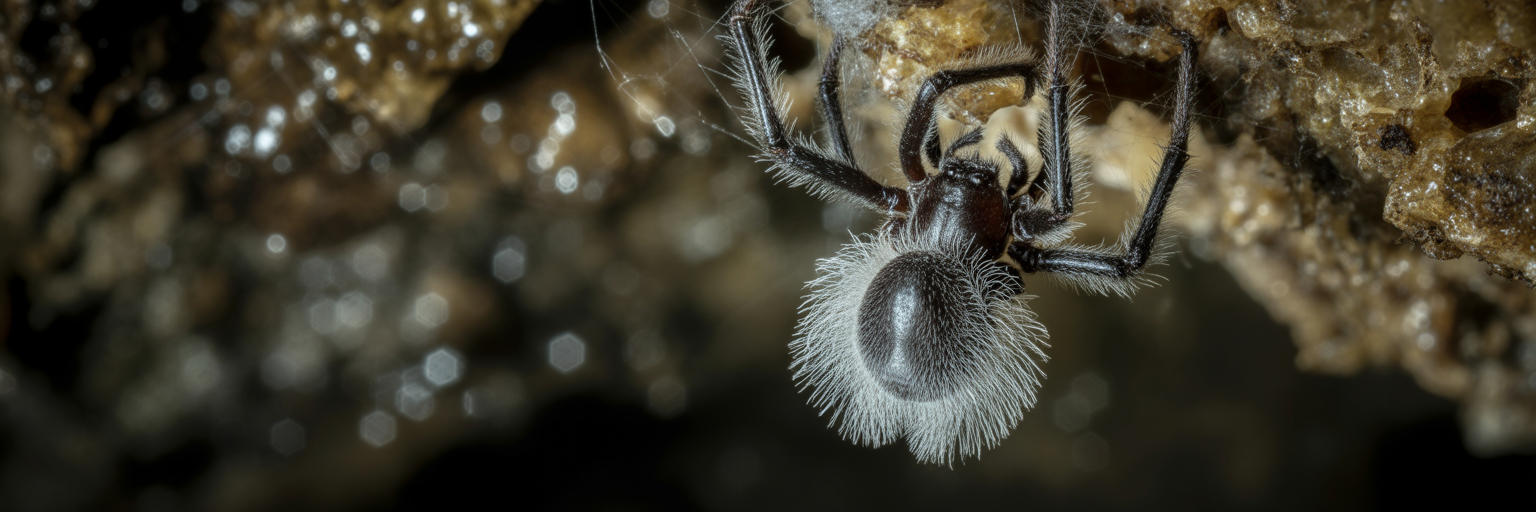
If this whole spider-zombie situation were a movie, our main villain would have a name that’s both distinguished and deeply ironic: the Gibellula attenboroughii fungus. Yes, it’s named after Sir David Attenborough, the planet’s most beloved nature narrator. Talk about a backhanded compliment. It’s like naming a flesh-eating bacteria after a world-renowned chef. This particular fungus is a specialist, targeting spiders that have the misfortune of living in its neighbourhood, which happens to be dark, damp caves.
Its method is both horrifying and strangely artistic. As reported by the BBC, this fungus turns its victims into fuzzy, white mummies. It doesn’t just kill the spider, it consumes it from the inside out, replacing every bit of spider tissue with its own fungal mass until all that’s left is a perfectly preserved, fungus-filled spider statue. It’s like 3D-printing a monument to your victim, using your own body as the material. Efficient, but rude. To make things even more bizarre, this species was discovered in an abandoned gunpowder storage site in Ireland. You’d think the spiders’ biggest worry in a gunpowder shed would be an accidental spark, not a fungus that wants to wear its corpse like a costume.
And don’t think for a second that Gibellula attenboroughii is some lone weirdo. It’s part of the *Gibellula* genus, which is basically a whole family of professional spider-zombifiers. These fungi have been perfecting their craft for ages, each with its own preferred spider victim. It’s a global network of tiny puppet masters, all dedicated to the art of arachnid hijacking.
How a Fungus Hijacks a Spider’s Brain
So, how exactly does a simple fungus pull off a hostile takeover of a creature with eight eyes and a brain? The honest answer is that scientists are still piecing it all together, which somehow makes it even creepier. It’s like a magician who refuses to reveal their tricks, except the trick is turning your neighbour into a mindless puppet. The leading theory is a masterpiece of biochemical warfare, a silent and deadly coup that happens right inside the spider’s head.
The Chemical Mind-Control Hypothesis
The most likely culprit behind this manipulation is a cocktail of chemicals. The fungus that controls spiders isn’t whispering sweet nothings into its host’s ear holes, because spiders don’t have them. Instead, it probably releases psychoactive compounds that mess with the spider’s brain chemistry. Think of it as a biological hack. The fungus might flood the spider’s system with chemicals that interfere with neurotransmitters like dopamine or octopamine, which control behaviour and decision-making. The fungus basically rewires the spider’s brain with a “go do my bidding” command, overriding millions of years of “don’t get eaten” instincts.
From Safe Web to Exposed Perch
Under this chemical influence, the spider begins to act completely out of character. It abandons its carefully constructed web, its safe space and hunting ground, and embarks on a one-way trip. The fungus compels it to climb as high as it can, seeking out an exposed leaf, wall, or ceiling. This is the spider equivalent of quitting your job, selling your house, and deciding to live on top of a flagpole. It’s a suicidal mission, but the spider is no longer in control. It’s just a furry, eight-legged taxi service for its fungal overlord.
Nature’s Evil Genius School: A Comparison
This strategy might sound familiar if you’ve heard of the infamous “zombie ant” fungus. Both are graduates of nature’s evil genius school, but they majored in different subjects. The ant fungus, a type of *Ophiocordyceps*, is often compared to the cordyceps spider relationship, but there are key differences in their methods. Both aim for the same outcome, spore dispersal, but their techniques are tailored to their specific victims and environments.
| Feature | Spider Fungus (e.g., Gibellula) | Ant Fungus (Ophiocordyceps) |
|---|---|---|
| Host | Spiders (often cave-dwellers) | Ants (often in forests) |
| The ‘Zombie’ Move | Climbs to an exposed ceiling or wall | Climbs a plant stem and bites down (‘death grip’) |
| Final Resting Place | Hanging upside down from a high, breezy spot | Clamped onto the underside of a leaf |
| The Ultimate Goal | Spore dispersal via air currents in a cave | Spore dispersal by ‘raining’ down on the colony below |
The Spider’s Last, Fungus-Fueled Climb
Picture this: a spider, once a master of its domain, now a hollowed-out shell of its former self, marching to its doom. It’s a tragicomic scene. The spider leaves its web, the intricate silk trap it spent its life maintaining, and begins its final, fungus-fueled climb. It doesn’t know why it’s climbing, it just knows it must. This isn’t a random stroll, it’s a calculated death march orchestrated entirely for the benefit of its internal passenger.
The whole point of this bizarre journey is spore dispersal. The fungus needs to get its kids out into the world to find new spiders to terrorize, and it has cleverly figured out that altitude is key. It turns the spider into a biological kite for its fungal spores. The spider provides the high ground, and the fungus provides the… well, the everything else. Once the spider reaches a suitable, exposed location, often hanging upside down, its journey is over. It dies, and the final, gruesome act begins.
The zombie spider fungus, having consumed the spider from within, erupts from its body. Fruiting bodies burst through the spider’s exoskeleton, releasing a cloud of microscopic spores into the air currents. These spores drift away, each one a tiny missile searching for a new, unsuspecting arachnid to infect. What’s left behind is a haunting monument: the spider’s body, perfectly preserved and covered in a fluffy white or brightly coloured fungal growth. It’s a tombstone and a nursery all in one. How’s that for multitasking? This isn’t malice, it’s just millions of years of evolution perfecting the art of being an absolute jerk to spiders.
A Global Army of Zombifying Fungi
If you were hoping this was just a one-off, a freak of nature confined to a few damp caves in Ireland, I have some unsettling news for you. This isn’t a local problem, it’s a global spider nightmare. The strategy of turning spiders into spore-launching platforms is shockingly common. In fact, a global review published in 2023 revealed that this type of parasitic fungus on spiders impacts over 40 of the 132 known spider families. That means this is a widespread survival strategy, not just a weird hobby for a few rogue fungi.
This evolutionary dance between parasite and host has been going on for so long that many of these fungi have become highly specialized. Some species of fungus will only infect a specific species of spider, a concept known as host specificity. It’s like a picky eater who will only dine at one restaurant. This long-term relationship means the fungus has developed the perfect chemical toolkit to manipulate its chosen victim, while the spider has been in a constant, and often losing, evolutionary arms race to resist it.
What’s truly mind-boggling is that we’re likely only seeing the tip of the iceberg. These interactions often happen in hidden, hard-to-reach places like dense rainforests, deep soil, or dark caves. Scientists believe there are countless more species of zombifying fungi out there, each with its own unique way of hijacking an arachnid. Think of all the poor, puppeted spiders we don’t even know about. It’s a silent, eight-legged apocalypse happening right under our noses. The sheer diversity and weirdness of it all is a perfect reminder that nature is far stranger than we can imagine.
Are Zombie Spider Fungi… Good for Us?
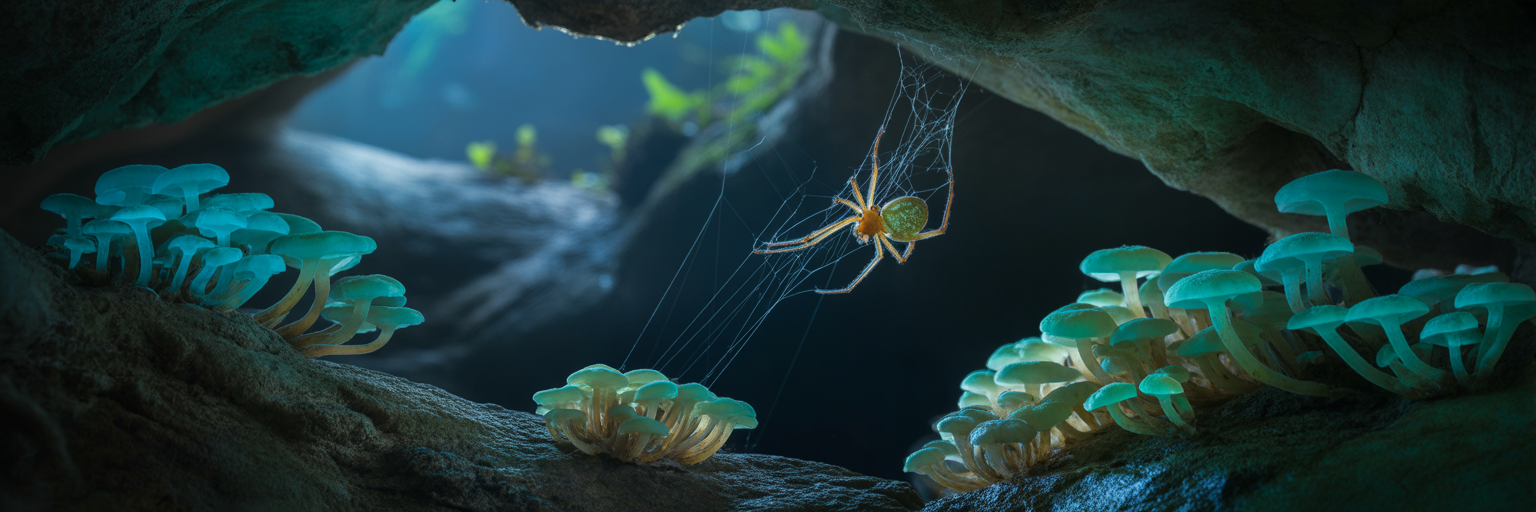
Alright, after all that body-snatching horror, you’re probably wondering if there’s any upside to this. Besides giving us nightmare fuel and a deep-seated distrust of mushrooms, what’s the point? Can anything good come from a fungus that turns spiders into fuzzy puppets? Surprisingly, the answer is yes. These creepy crawly killers play a vital, if gruesome, role in their ecosystems.
First off, they are nature’s pest control. These fungi are a major source of mortality for spiders, helping to keep their populations in check. Without them, we might be up to our knees in spiders, which, depending on your feelings about them, could be a much bigger problem. So, maybe we owe these creepy puppet masters a thank you? A very, very cautious thank you, from a safe distance. They are essentially the mind-controlling janitors of the cave ecosystem.
But the benefits go beyond just population control. Scientists are fascinated by the chemical compounds these fungi produce. Here’s why we should be paying attention:
- Ecological Janitors: By regulating spider populations, they help maintain a healthy balance in their ecosystems, preventing any one species from becoming too dominant.
- Nature’s Pharmacy: The same chemicals that make a spider climb a wall could hold the key to new medicines. History is full of examples, like the life-saving immunosuppressant drug cyclosporine, which was derived from a soil fungus. Nature’s medicine cabinet is often found in its weirdest drawers.
- A Window into Biology: Studying how these fungi manipulate their hosts gives us incredible insights into neurobiology, biochemistry, and evolution. Understanding their complex language helps us decode the fundamental rules of nature.
Should You Worry About Becoming a Fungus Zombie?
Alright, let’s get to the real question that’s been bouncing around in your head this whole time: Can this happen to you? After a long day, could you find yourself inexplicably climbing the curtains because a fungus told you to? Let me put your mind at ease with a clear, emphatic, and resounding NO. You are safe from the spider-zombifying fungus.
These fungi are extreme specialists. They have spent millions of years evolving a very specific set of tools designed to work on spider physiology and nothing else. Your brain is, thankfully, very different from a spider’s. For one, it’s probably not located in your chest. The chemical keys the fungus uses to unlock a spider’s nervous system simply won’t fit the locks in your human brain. So you can sleep soundly tonight, free from the fear of a fungus-fueled urge to hang from the ceiling.
This incredible specificity is one of the most amazing parts of the story. We get to be fascinated observers of this bizarre biological drama without any personal risk. It’s a front-row seat to one of nature’s wildest shows. So next time you see a spider, maybe give it a little nod of respect. It’s navigating a world where the floor can literally turn into a monster that wants to drive its body. And you thought your job was stressful.