
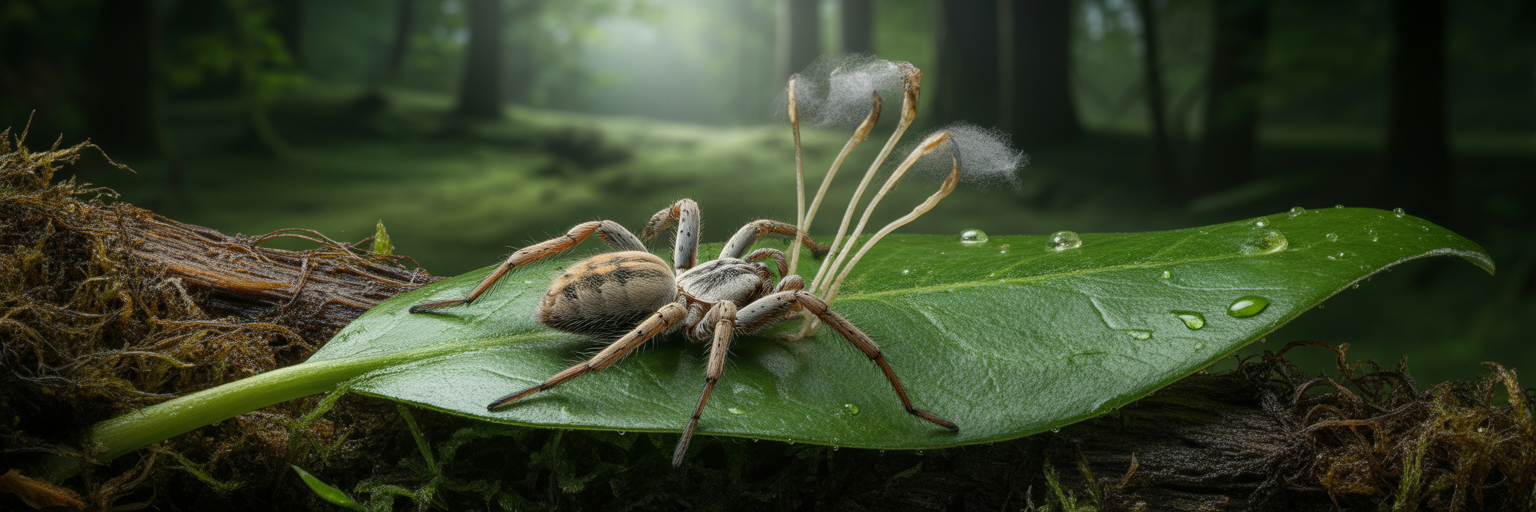
If you thought zombies were just for B-movies and late-night video game sessions, wait until you hear what nature has cooked up in its basement lab. Forget shuffling corpses hungry for brains. We’re talking about something far more sinister and, frankly, much smaller. Meet the zombie spider fungus, a parasitic mastermind that turns unsuspecting arachnids into mindless puppets. This isn’t some one-off freak show. It’s a surprisingly common strategy for fungi in genera like Gibellula and Cordyceps.
The zombie ant fungus gets all the press, probably because it has a better publicist. But spiders have their own fungal puppeteers pulling the strings, and their story is just as bizarre. So grab a coffee, maybe check your corners for any suspicious-looking spiders, and let’s follow this eight-legged horror story from the first spore to the grand, gruesome finale.
The Unsettling World of the Zombie Spider Fungus
The whole terrifying saga begins with something you can’t even see: a single, microscopic fungal spore. It drifts through the air like a piece of dust, completely harmless until it lands on the back of an unsuspecting spider. This isn’t just bad luck for the spider. It’s the beginning of a full-blown hostile takeover, orchestrated by a tiny organism with a very big, very creepy plan.
Think of the spore as a tiny, uninvited houseguest who has absolutely no intention of leaving. Ever. Once it’s settled on the spider’s exoskeleton, or cuticle, it gets to work. The spore germinates, growing a specialized structure called a penetration tube. This isn’t a gentle knock on the door. It’s more like a persistent burglar using a diamond-tipped drill to break into a high-security vault. The spider’s tough exterior doesn’t stand a chance.
Once inside the spider’s body cavity, known as the hemocoel, the fungus transforms. It spreads out into a network of thread-like structures called mycelium, weaving its way through the spider’s insides. But here’s where it gets really clever. The fungus is playing the long game. It starts by consuming non-essential tissues, carefully avoiding the vital organs. It needs its host alive and kicking, at least for a little while. It’s like a parasite with manners, eating the guest room furniture before it even thinks about touching the kitchen.
Infection: The Fungal Invasion Begins
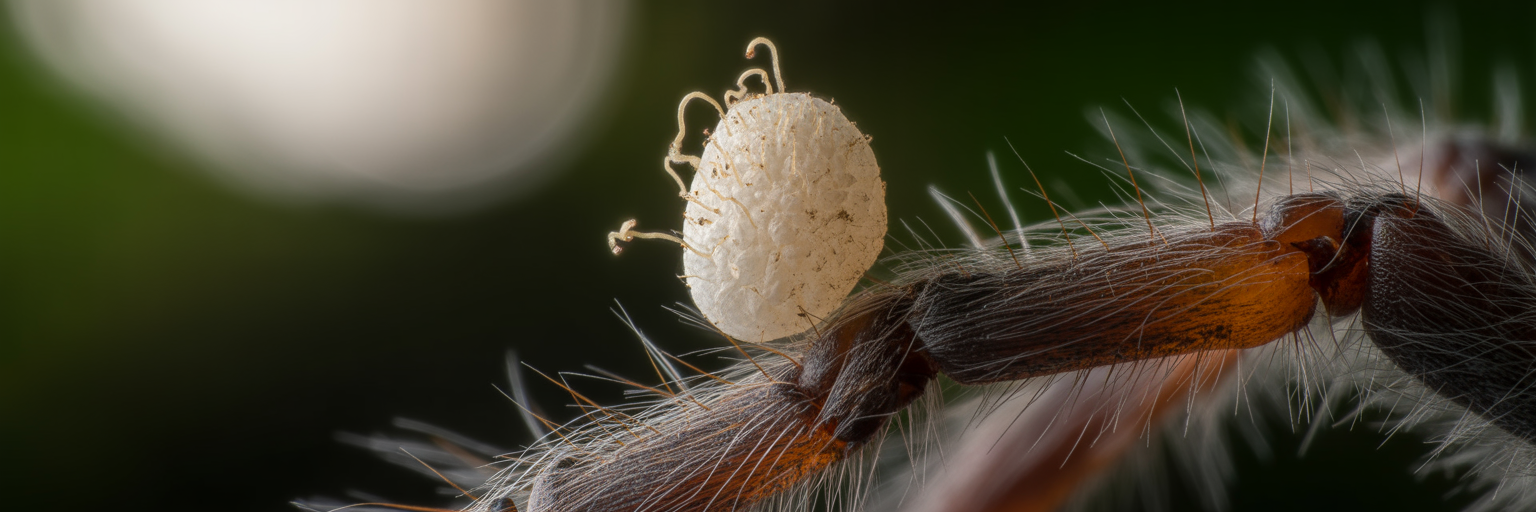
The initial infection is a masterclass in stealth. The fungus quietly multiplies inside the spider, which continues its daily routine of web-building and fly-catching, completely unaware of the freeloader setting up shop in its body. This phase is all about resource acquisition. The fungus is bulking up, preparing for the main event: the mind-control portion of our program. This is the core of how fungi infect spiders, a slow and methodical invasion from within.
As the mycelial network grows, it begins to replace the spider’s own tissues. The host is still mobile, still acting like a spider, but it’s becoming less spider and more fungus with every passing hour. The parasite is biding its time, waiting for the perfect moment to seize control of the cockpit. The spider is no longer just a host. It’s a walking, eight-legged incubator, and the countdown to its zombie transformation has already begun.
Mind Control for Eight-Legged Puppets
At this point, the fungus is no longer just a freeloader. It’s the new pilot, and it’s about to take the spider for one last, fateful ride. The transition from a physical infection to a psychological one is where things get truly strange. The fungus isn’t just eating the spider. It’s rewriting its brain.
The Chemical Cocktail of Manipulation
So how does a simple fungus hijack a complex nervous system? It uses chemistry. The mycelium begins to release a potent cocktail of bioactive compounds directly into the spider’s body. Scientists are still working to decode the exact recipe, but it’s clear these chemicals are designed to manipulate the spider’s behavior. These are fungi that control spiders by acting as neuro-engineers, turning the spider’s own instincts against it. The spider isn’t choosing to act weird. It’s being drugged into submission by its internal overlord.
The Final, Fatal Pilgrimage
Under the influence of this fungal cocktail, the spider’s behavior changes dramatically. A creature that once valued the safety of its hidden web or burrow is suddenly compelled to abandon its home. It’s as if the fungus becomes a terrible life coach, convincing the spider to “get out there and see the world” from the most exposed branch possible. This bizarre behavior is often called “summit disease.”
The infected spider starts climbing, driven by an irresistible urge to get to a high, humid spot. This isn’t a random stroll. It’s a calculated move by the fungus. An elevated perch is the perfect launchpad for its spores, allowing them to disperse over a wider area and infect new victims below. The spider has become a vehicle for the fungus’s reproductive ambitions.
| Behavior | Normal Spider (The Sensible Homebody) | Zombie Spider (The Fungal Puppet) |
|---|---|---|
| Home Location | Cozy, hidden web or burrow. Prefers safety and solitude. | A dangerously exposed leaf or twig. Suddenly loves heights. |
| Daily Routine | Web maintenance, hunting prey, avoiding predators. | Aimless wandering, abandoning its web, climbing compulsively. |
| Life Goal | Survive, reproduce, and maybe catch a juicy fly. | Climb. Just climb. No questions asked. |
| Final Act | Dies of old age (if lucky) in its safe space. | Clamps down on a leaf in a ‘death grip’ at the fungus’s chosen location. |
The Fungus’s Grand, Spore-Filled Finale
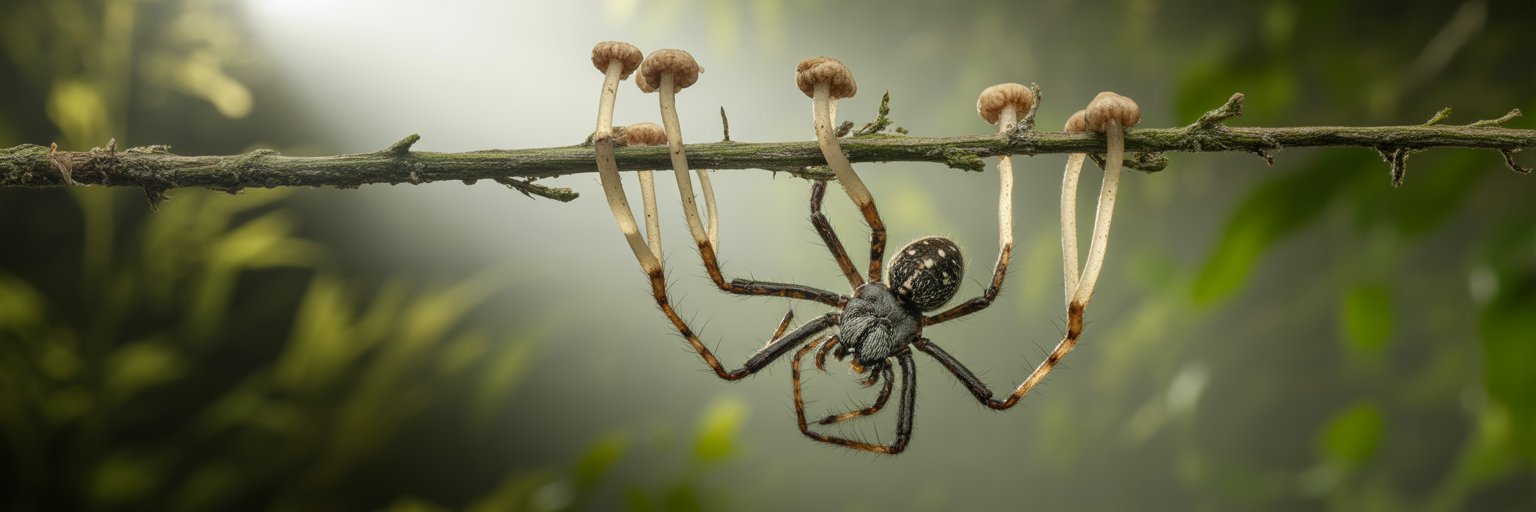
Once the zombified spider has reached the perfect summit, the fungus initiates the final act. The spider is compelled to bite down on a leaf or twig with a “death grip,” permanently anchoring itself in place. With the host secured, the fungus can finally stop being polite. It consumes the remaining vital organs, using the last of the spider’s resources to fuel its grand finale.
This is when the truly spectacular, and gruesome, part happens. Fungal fruiting bodies, known as stroma, erupt from the spider’s corpse. These delicate, often colorful stalks burst through the joints between its legs and body, turning the dead spider into a horrifying piece of natural art. This is a classic move seen with fungi like cordyceps on spiders. The whole process is a masterclass in brutal efficiency:
- The Death Grip: The spider bites down, locking itself in place for the final stage. Its job as a vehicle is over.
- The Nutrient Feast: The fungus consumes all remaining internal tissues, gathering energy for its reproductive push.
- The Eruption: The fruiting bodies emerge, looking like tiny, alien antlers growing from the spider’s body.
- The Sporepocalypse: These stalks release millions of spores into the air, which are carried by wind and rain to rain down on unsuspecting spiders below, starting the cycle all over again.
The fungus has successfully turned its host into a launch platform for the next generation. It’s a funeral and a housewarming party all in one, and the spider is both the venue and the main course.
A Perfectly Preserved Spider Mummy
Just when you think this story can’t get any weirder, it does. The fungus doesn’t just kill the spider and sprout from its body. It mummifies it. After delivering the final blow, the fungus releases another chemical cocktail, this time packed with antimicrobial and antifungal compounds. Why? To turn the spider’s corpse into a stable, long-lasting platform for its fruiting bodies.
The fungus essentially turns the spider into its own personal, non-perishable pantry, warding off other decomposers who want to crash the party. Bacteria or rival fungi that might try to break down the corpse are chemically repelled. This ensures that the spider parasitic fungus has all the time it needs to grow its spore-releasing structures without its launchpad rotting away from underneath it.
This isn’t just a smash-and-grab operation. It’s a carefully managed process that speaks to a long, shared history of co-evolution. The fungus has developed an incredibly sophisticated method for not only controlling its host in life but also preserving it in death. It’s a testament to nature’s morbid creativity.
Victims and Haunts of the Fungal Puppeteer
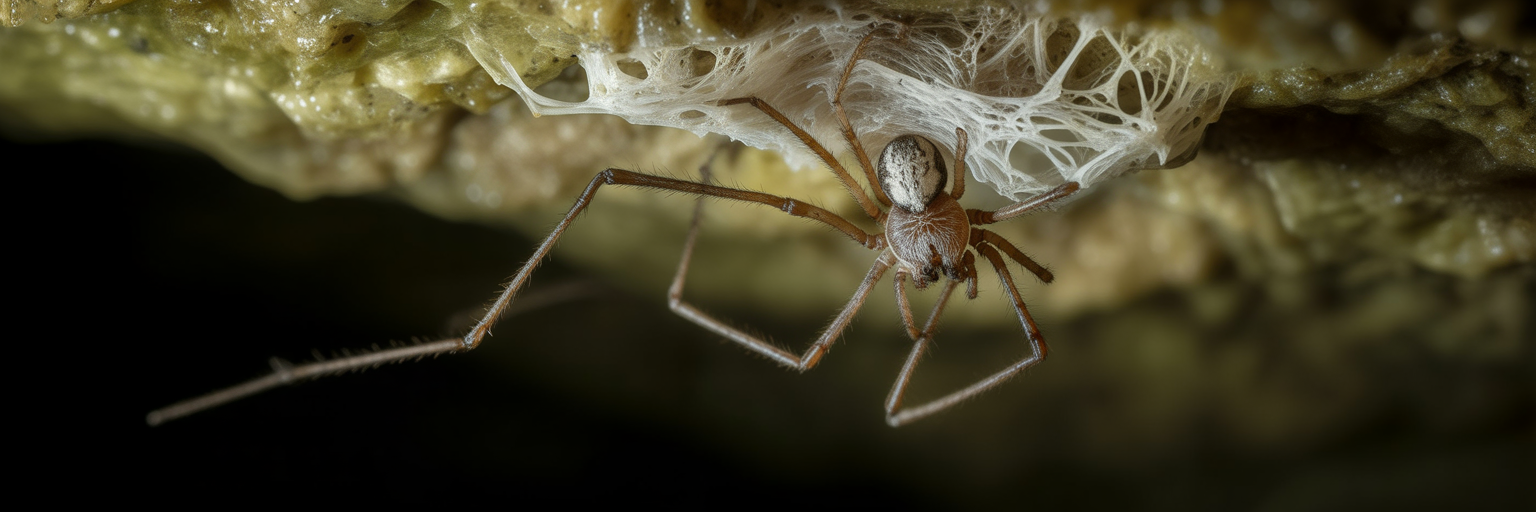
So, where can you find these eight-legged zombies? And which spiders are on the menu? This phenomenon isn’t limited to one obscure species in a remote jungle. The victims include many common spiders you might recognize, like orb-weavers, jumping spiders, and even the lanky cellar spiders that hang out in our basements. Sorry about that.
These fungi thrive in high-humidity environments. You’re far more likely to find a zombie spider in a damp forest, a misty cave, or a neglected, moist corner of your garage than in your sunny living room. They love moisture, which helps their spores survive and their fruiting bodies grow. Many of these fungi are also specialists, having evolved to target a specific family or genus of spider. They’re not just generalists. They’re connoisseurs.
A great example of this is a species named after the legendary Sir David Attenborough. When it comes to Gibellula attenboroughii facts, the most fascinating is its specificity. As reported by Science News, this particular fungus exclusively targets cave-dwelling spiders, showcasing a highly tailored form of biological warfare. It’s a perfect illustration of how these parasitic relationships can become incredibly specialized over time.
Why We Should Care About Zombie Spiders
Alright, so it’s creepy, it’s gross, and it’s the stuff of nightmares. But why should we actually care about the zombie spider fungus? Because this bizarre natural horror show is also a goldmine of biological innovation. Studying these fungi isn’t just about satisfying our morbid curiosity. It could lead to some incredible scientific breakthroughs.
- A Treasure Trove of New Medicines: The chemical cocktails these fungi use to manipulate hosts and preserve their bodies are incredibly complex. They could hold the key to new drugs. The famous immunosuppressant drug, cyclosporine, was derived from a different parasitic fungus, proving that these organisms are powerful biochemists.
- Natural and Targeted Pest Control: Because many of these fungi are host-specific, they have the potential to be developed into eco-friendly biopesticides. Imagine controlling a population of pest spiders without harming beneficial insects like bees or butterflies.
- Understanding Brain Chemistry: Figuring out exactly how these fungal compounds affect a spider’s nervous system can give us valuable insights into neurobiology. The basic principles of how brains work can be surprisingly universal, and these fungi are expert neuroscientists.
This field is still wide open, with new discoveries happening all the time. In fact, as Live Science recently reported, a never-before-seen fungus was found zombifying spiders on the grounds of a destroyed Irish castle. It just goes to show how many of nature’s creepy secrets are still waiting to be found.
You Can Be a Zombie Spider Hunter
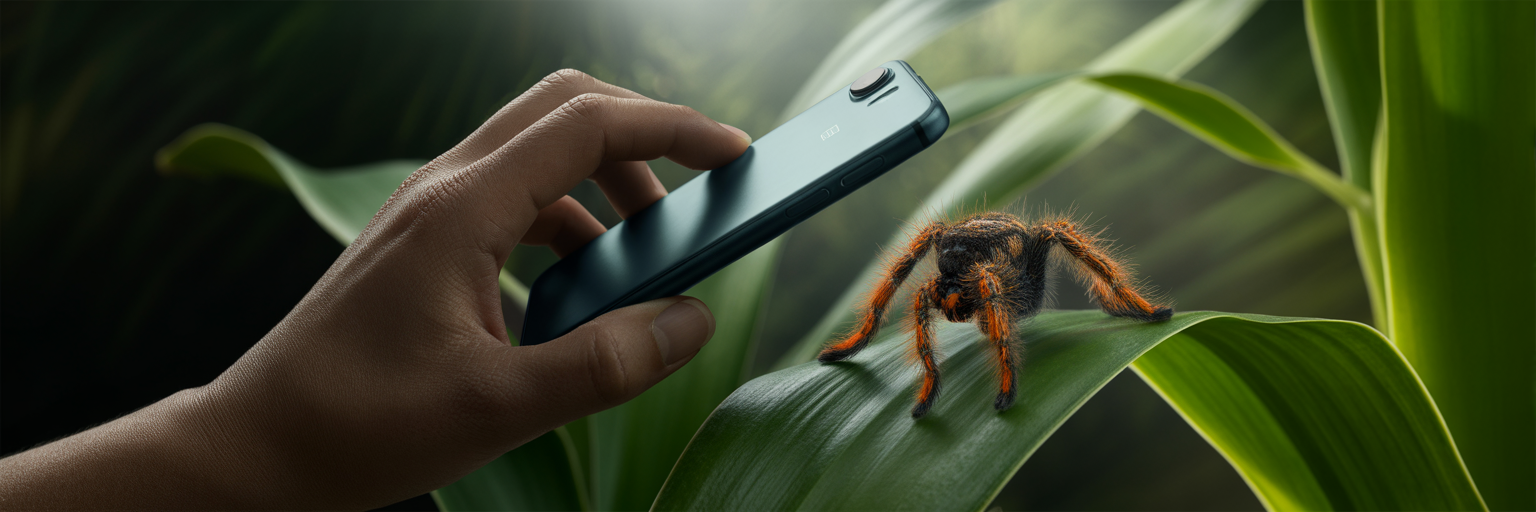
Feeling inspired? A little creeped out? Want to get in on the action? You can. You don’t need a PhD or a fancy lab coat to contribute to our understanding of these amazing fungi. All you need is a smartphone and a bit of curiosity. Welcome to the world of citizen science.
Platforms like iNaturalist allow anyone to become a field researcher. Next time you’re on a walk in the woods, exploring a park, or even just cleaning out a damp corner of your garage, keep your eyes peeled. Look under leaves and on twigs for spiders that seem a little… off. If you spot a spider with strange fungal growths sprouting from its body, you’ve found one.
Snap a picture and upload it. That simple act provides invaluable data for scientists. Your photo can help researchers map where these fungi live, identify which spider species they infect, and track how their populations change over time. You don’t need a safari hat, just your phone. You’ll not only have a great, creepy story to tell your friends, but you’ll also be a zombie spider hunter for science. How cool is that?