
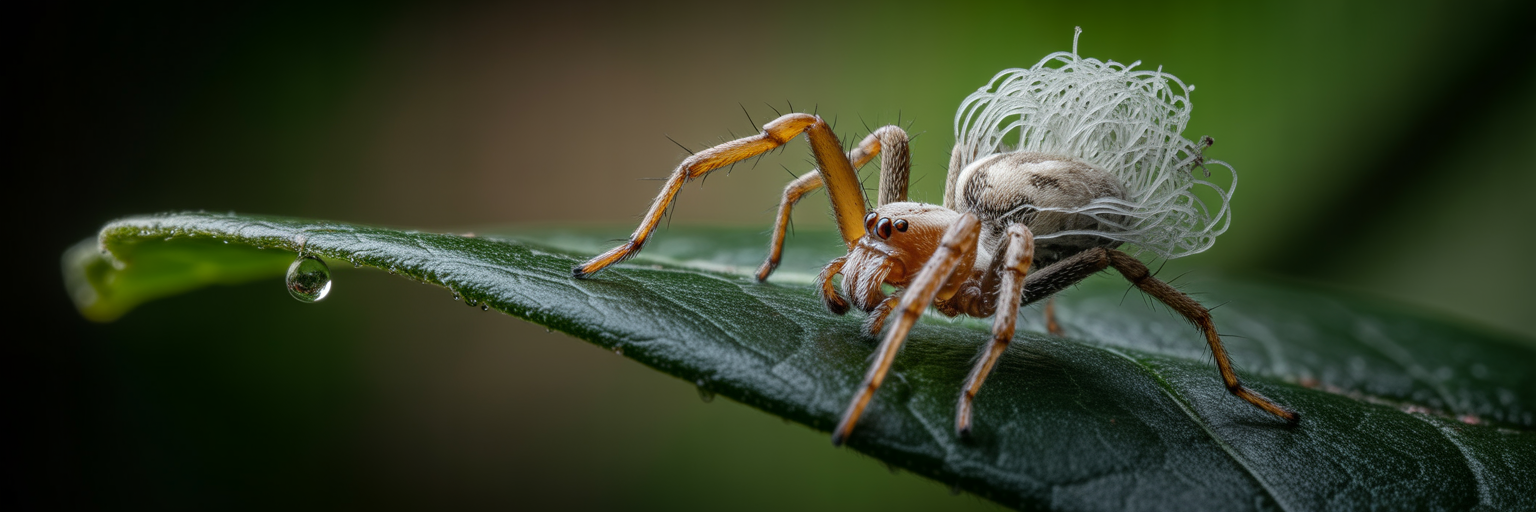
Picture this. It’s late. You’re in the woods. A spider scuttles across a leaf, but something’s wrong. It’s moving like a marionette whose puppeteer has had one too many coffees. Its eight legs jerk unnaturally, its eyes are vacant, and it’s climbing way higher than any self-respecting arachnid should. This isn’t a scene from a low-budget horror flick. This is the very real, very creepy world of Zombie Spiders. The villain here isn’t some ancient curse or a lab-grown virus. It’s a fungus, which is somehow even weirder.
When you hear that a fungus can hijack a spider’s body, turning it into a mindless drone, the next logical question is, of course, “Am I next?” It’s a fair question. If a simple mushroom can pull off a hostile takeover of an eight-legged creature, what’s stopping it from deciding our brains look like a cozy new apartment? Well, my friend, let’s go on a slightly morbid, deeply fascinating investigation together. Spoiler alert: you can probably cancel your order for that anti-fungal flamethrower. Probably.
Nature’s Creepiest Puppet Show
Alright, let’s get into the gory details of this eight-legged horror show. It’s a tale of betrayal, body-snatching, and some truly terrible interior decorating choices by our fungal antagonists. These aren’t just a few rogue spores with a bad attitude. We’re talking about entire families of fungi that have made a career out of arachnid puppetry. So, let’s meet the cast.
The Fungal Overlords
The most famous mob bosses in the world of mind control are from the Cordyceps family. These guys are the godfathers of zombification, with a rap sheet that includes ants, caterpillars, and of course, our spider pals. They are specialists, having spent millions of years perfecting the art of turning other creatures into spore-spreading machines. But new members of this creepy club are being found all the time. As a recent Popular Science article highlights, a new species was discovered in an Irish nature reserve, proving these puppet masters are hiding everywhere. One particularly distinguished member of a related fungal family is Gibellula attenboroughii, named after the one and only Sir David Attenborough. Because even in the world of zombie fungi, everyone respects a legend.
The Hostile Takeover: A Step-by-Step Guide
So how does a humble fungus become the master of a spider’s universe? It’s a gruesome, multi-step process that would make a horror movie director blush. Here’s the play-by-play:
- The Ambush: It all starts with a single, microscopic fungal spore. Think of it as a tiny ninja assassin, silently landing on an unsuspecting spider that’s just trying to live its best life. The spider has no idea its world is about to be turned upside down.
- The Invasion: The spore doesn’t just sit there. It germinates and then drills a hole straight through the spider’s tough exoskeleton. It’s as rude as it sounds, like a houseguest kicking down your front door instead of using the bell.
- The Body Snatcher: Once inside, the fungus gets busy. It grows a network of threads called mycelium, which weaves its way through the spider’s body. This network slowly replaces the spider’s internal tissues, basically eating it from the inside out. The fungus is the ultimate freeloader, consuming its host while keeping it just alive enough to do its bidding.
- The Final Command: When the fungus is ready for the main event, it unleashes a chemical cocktail that hijacks the spider’s central nervous system. This is the behavior-altering fungus at its most sinister. It forces the spider on a final, eerie death march, usually to a high, exposed leaf or branch. This spot is the perfect launchpad for the fungus’s next move.
- The Grand Finale: The spider clamps its jaws onto the leaf and dies. Then, in a final, dramatic flourish, a fruiting body erupts from the spider’s corpse, often right out of its head. This structure then rains down a fresh batch of spores onto any unfortunate spiders crawling below, starting the whole terrifying cycle all over again. It’s a horror show, but you have to admit, it’s a brilliant strategy.
Why Your Brain is a No-Go Zone for Fungi
Okay, take a deep breath. That was a lot. Now that you’re thoroughly creeped out, let’s talk about why you, a glorious, bipedal human, have absolutely nothing to worry about. It turns out our bodies are basically a fortress designed to repel tiny fungal invaders with big ideas.
The ‘Wrong Key’ Problem: Host Specificity
These fungi are not generalists. They are extreme specialists. They’ve spent millions of years evolving to be perfect spider-killing machines. Think of it like a key and a lock. The fungus has a very specific biological “key” that is designed to fit the unique “lock” of a spider’s anatomy and neurochemistry. Trying to use that key on a human would be like trying to unlock your apartment with a car key. It’s just not going to work. The fungus wouldn’t even know where to start. We’re not just off the menu; we’re not even in the same grocery store. The chances of a successful fungal infection in spiders translating to humans are practically zero.
Our Secret Weapon: We’re Hot Stuff
Let’s say, for the sake of argument, a spore did manage to find its way into your body. It would be in for a very nasty surprise. Humans are walking furnaces, maintaining a toasty internal temperature of around 37°C (98.6°F). These fungi are adapted to the cool, variable body temperatures of spiders and other insects. To them, entering a human body would be less like finding a cozy new home and more like trying to set up camp on the surface of the sun. They would be cooked into oblivion long before they could even think about redecorating your brain. Our body heat is one of our most powerful, and most overlooked, defenses against the vast majority of fungal species on the planet.
| Factor | Fungus’s Dream Home (A Spider) | Fungus’s Nightmare (A Human) |
|---|---|---|
| Body Temperature | Cool and variable (ectothermic) | A scorching 37°C (98.6°F) |
| Immune System | Basic, relies on physical barriers and simple cells | A highly advanced, multi-layered defense system with memory cells |
| Neurochemistry | Simple, easily hijacked by fungal chemicals | Incredibly complex; a fortress of neurotransmitters and receptors |
| Anatomy | Small, with an exoskeleton the fungus evolved to penetrate | Large, with tough skin and internal systems designed to fight invaders |
This table highlights the fundamental biological differences that make humans inhospitable hosts for these specialized spider-infecting fungi. Our physiology presents multiple, insurmountable barriers.
Fungi That ARE Actually a Bother
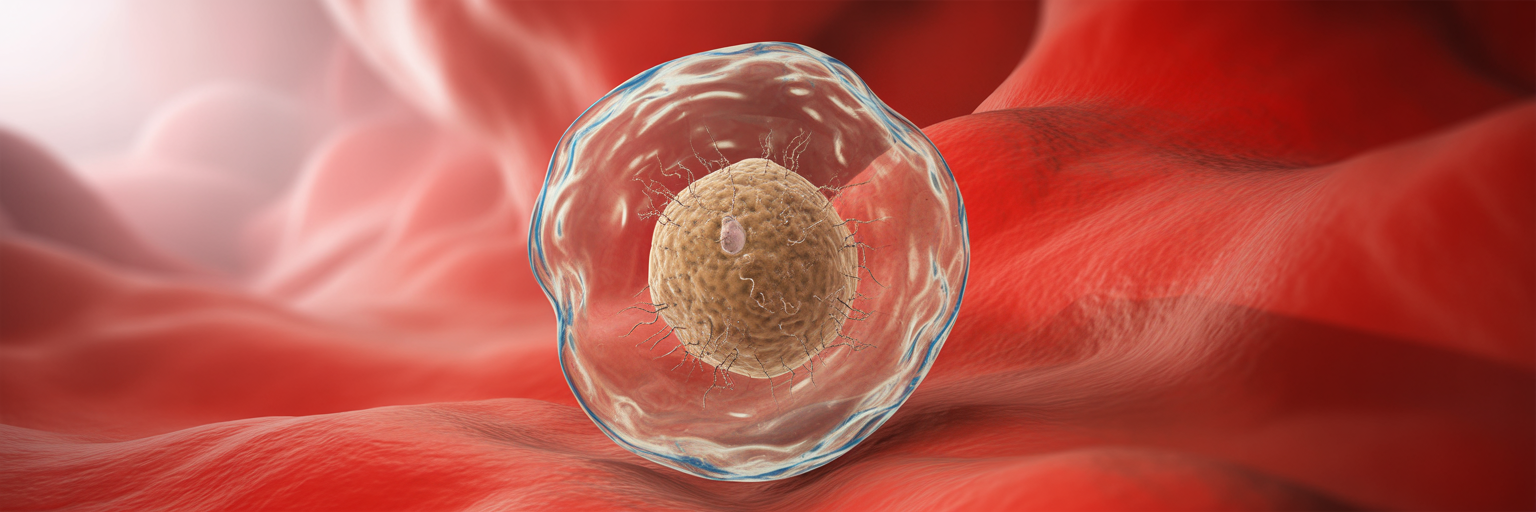
Alright pals, so we’ve established you’re safe from the spider-zombies. You can stop side-eyeing the mushrooms on your pizza. But before you get too smug and start taunting every fungus you see, let’s talk about the ones that *do* see us as a potential home. While they won’t turn you into a puppet, they can be a real nuisance.
Meet *Candida auris*. It’s a type of yeast that has doctors and scientists seriously concerned. Unlike our spider-bothering friends, this one is a genuine problem for modern medicine. It’s known for its impressive drug resistance, making it incredibly difficult to treat, and it has a nasty habit of hanging around in hospitals and healthcare settings. It’s an opportunistic thug that preys on people with weakened immune systems.
This brings us back to our secret weapon: the “thermal barrier.” Our hot bodies protect us from most fungi. However, some scientists are worried that as the planet warms, fungi might adapt to survive in higher temperatures. As National Geographic has explored, a warming world could challenge our natural defenses, potentially making more fungi capable of infecting us. This isn’t a doomsday prophecy about a sudden zombie outbreak. It’s a slow, evolutionary pressure that could make fungal infections more common in the future. The key difference remains: the fungi that are a risk to us are the ones that cause infections, not the sophisticated puppet masters that take over your mind. They’re a problem, but not a ‘The Last of Us’ problem.
So No ‘The Last of Us’ Spider Apocalypse?
Let’s address the Clicker in the room. The TV show and video game *The Last of Us* did an amazing job of bringing the horror of Cordyceps to the mainstream, and we love it for that. It’s a brilliant piece of fiction inspired by real-world biology. But that’s the key word: fiction. The idea of that happening to us is, thankfully, pure science fiction.
For a fungus to do to a human what it does to an ant or a spider would require a series of evolutionary leaps so massive they’re practically impossible. As a Quanta Magazine article explains, it’s not just about surviving our body heat. The fungus would need to crack the code of our ridiculously complex brain. Our neurochemistry, our advanced immune response, and our sheer physical size make us a fortress that is, for all intents and purposes, impenetrable to this kind of manipulation. The answer to the question “are zombie spiders real?” is a resounding yes, but the human version is a firm no.
To put it in perspective, let’s look at a “close-but-no-cigar” example: *Toxoplasma gondii*. This is a tiny parasite that can infect a huge range of animals, including humans. Some studies have suggested it can cause subtle behavioral changes, like making people slightly more prone to risk-taking. But that’s the difference between a targeted ad subtly suggesting you might like a new pair of shoes and a hypnotist making you cluck like a chicken on stage. One is a gentle nudge; the other is total control. The fungi we see in nature are masters of total control, but only for their very specific, very unlucky victims.
You Can Sleep Soundly (Unless You’re a Spider)
So, let’s bring it all home. After our journey into the creepy, crawly, and fungal underbelly of nature, what have we learned? We’ve learned that, yes, Zombie Spiders are 100% real and 110% creepy. Nature is full of bizarre and terrifying wonders, and a fungus that turns a spider into a remote-controlled drone is definitely one for the highlight reel.
But we’ve also learned that we are safe. You can go back to worrying about more mundane things, like taxes or what to have for dinner. The fungi that perform these incredible feats of biological warfare are picky eaters who have spent millions of years perfecting their craft on specific insects and arachnids. We’re not on their menu. Our bodies are inhospitable, fiery fortresses of doom from a fungus’s perspective. The zombie apocalypse will not be delivered by an eight-legged, mind-controlled mailman.
So, while nature is full of these amazing spectacles, zombie spiders are a phenomenon to be marveled at from a very, very safe distance. The only ones who need to add “fungal mind control” to their list of daily worries are the spiders themselves. And let’s be honest, they’re already having a really bad day.