
Since its discovery, the platypus has challenged biological classification, a mammal that lays eggs like a reptile. This ancient lineage raises a fundamental question about how it cares for its young. As one of the world’s few egg-laying mammals, or monotremes, the platypus presents a living paradox. It possesses the bill of a duck, the tail of a beaver, and venomous spurs like a reptile, yet it is undeniably a mammal. This classification means it must produce milk, a defining characteristic of the class Mammalia. The puzzle deepens with the fact that the female platypus has no nipples. This apparent contradiction is solved by a fascinating and primitive system of monotreme lactation that predates the evolution of teats.
The platypus does indeed produce milk, but it does so through a method that seems utterly alien compared to other mammals. This system offers a unique window into our own evolutionary past. This article will explore the mechanics of this nipple-less milk delivery, the unique composition of platypus milk, its powerful antimicrobial properties, and what this ancient system reveals about the development of lactation in all mammals, including humans.
An Egg-Laying Mammal’s Unique Nursery
The platypus belongs to the order Monotremata, a small and ancient group of mammals that also includes the echidna. Unlike marsupials or placental mammals, monotremes reproduce by laying soft-shelled eggs. After a gestation period of about three weeks, the female lays one to three small eggs in a deep, humid burrow. She incubates them by holding them against her belly for around ten days. Upon hatching, tiny, helpless young emerge, setting the stage for one of nature’s most unusual nursing methods.
The central paradox of the platypus is that it is a mammal in every crucial sense. It is warm-blooded, covered in fur, and, most importantly, possesses mammary glands that produce milk to nourish its offspring. However, the absence of nipples forced the evolution of a different solution for feeding. The mother platypus does not present a teat for her young to suckle. Instead, she secretes milk directly onto her skin, providing a meal in a way that feels more like a secretion than a feeding. This method of monotreme lactation is a remarkable adaptation, representing a functional, albeit primitive, solution to the challenge of nourishing young without the specialized anatomy seen in other mammals. It highlights a transitional point in evolutionary history, where the mammalian commitment to providing milk was established long before the familiar delivery system of nipples was perfected.
The Mechanics of Platypus Milk Secretion
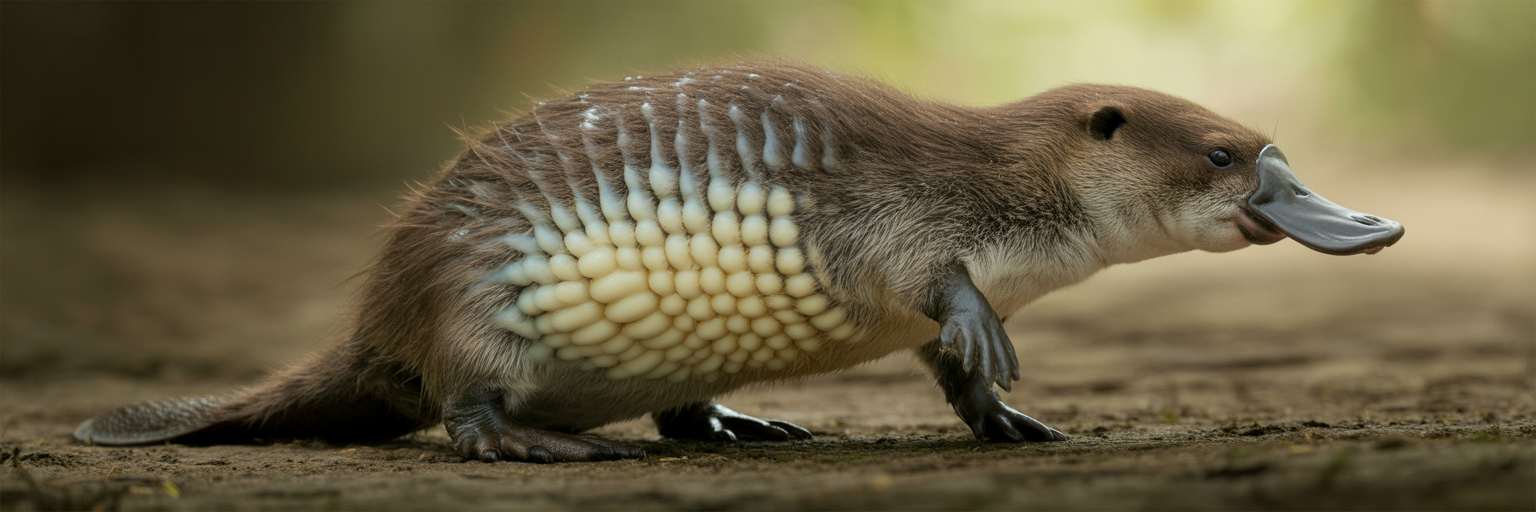
The platypus’s method of milk delivery is a masterclass in evolutionary improvisation. It relies on modified skin and glands to achieve what other mammals do with highly specialized structures. Understanding this process requires looking closely at the mother’s unique anatomy and debunking some common myths.
Mammary Glands Without Nipples
Deep beneath the skin of a female platypus’s abdomen lie mammary glands that are structurally similar to those found in a cow or a human. These glands are complex tissues designed to synthesize and store milk. They respond to the same hormonal cues that trigger lactation in all other mammals. The fundamental difference is not in the glands themselves but in their connection to the outside world. While placental mammals and marsupials evolved a teat, a specialized projection of skin containing the openings of milk ducts, the platypus never did. Its milk ducts simply terminate at the surface of the skin.
The ‘Milk Patch’ Delivery System
Instead of a nipple, the platypus has two “milk patches” or areolae on her abdomen. These patches are specialized areas of skin where the milk ducts open directly through pores. When the mother contracts muscles around the mammary glands, milk is forced through the ducts and oozes out onto these patches. The skin in this area is not smooth; it has grooves and is covered in coarse, stiff fur. This texture is not accidental. The grooves help to channel the milk, and the fur acts like the bristles of a paintbrush, holding the liquid and preventing it from simply running off her body. This creates a small reservoir of milk from which the young can feed. Nature has many strange solutions for survival, and this system is as unique as the parrotfish that sleeps inside a bubble of its own slime.
Debunking the ‘Sweat Milk’ Myth
A persistent misconception asks, do platypus sweat milk? The answer is an emphatic no. This myth arises from the visual of milk appearing on the skin’s surface, but the biological process is entirely different. Perspiration comes from sudoriferous (sweat) glands, which are distributed across the body and secrete a watery fluid for cooling. Lactation involves mammary glands, which are modified apocrine glands specifically designed to produce a nutrient-rich food source. The substance is true mammalian milk, full of fats, proteins, and sugars. Furthermore, it is secreted only from the two designated milk patches on the abdomen, not randomly from all over the mother’s body. The platypus does not sweat milk; it lactates onto its skin.
A Puggle’s First Meal from Fur and Skin
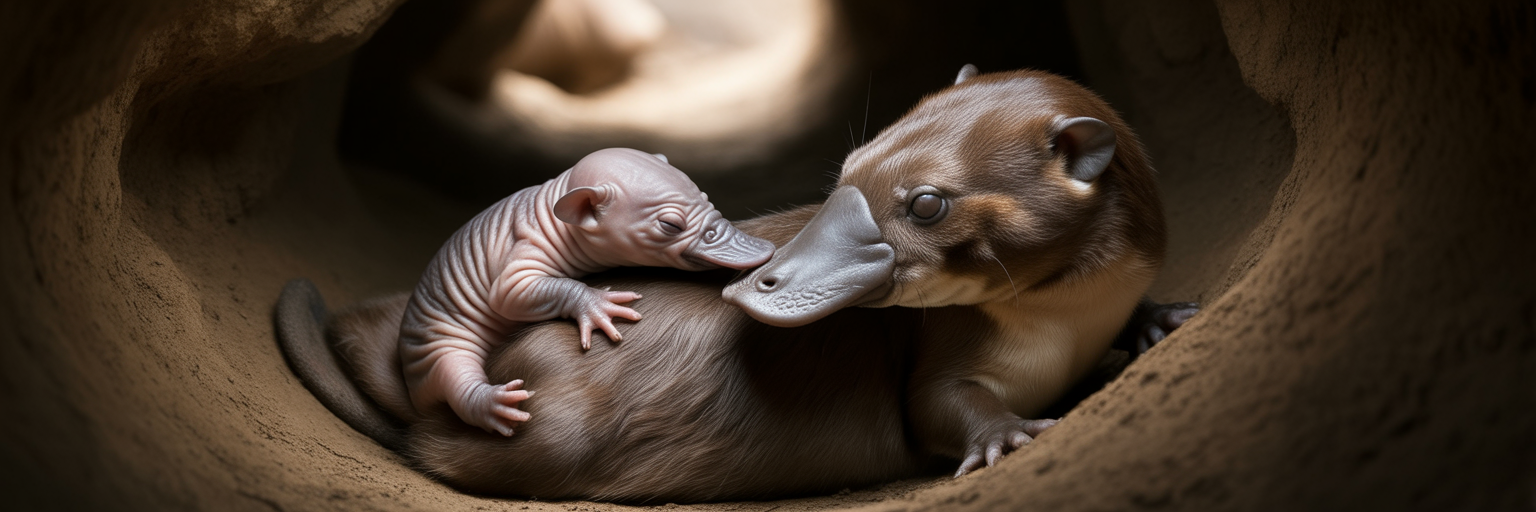
Once the milk has been secreted onto the mother’s abdomen, the focus shifts to the young. A baby platypus, known as a puggle, hatches in a state of extreme vulnerability. It is blind, hairless, and tiny, measuring only about the size of a lima bean. Completely dependent on its mother, its first and only task is to find its way to the milk patches to feed. This is where the question of how do platypus feed their young finds its answer, in a behavior that is as unique as the mother’s anatomy.
The puggles navigate to the milk patches and press their tiny snouts against the mother’s fur. This pressure helps stimulate the let-down reflex, encouraging more milk to flow. Since they have no ability to suckle, they must use a different technique. The puggles lap or lick the milk directly from the grooves in the skin and the dense, wet fur. This lapping method is far less efficient than the direct, sealed transfer of suckling enjoyed by other mammals. It is a slower, messier process, but one that is perfectly suited to the protected environment of the nursery burrow.
This entire feeding drama unfolds deep underground. The mother platypus digs an extensive burrow, often near a creek or river, with a dedicated nesting chamber at the end. This chamber is warm, humid, and safe from predators. In the early weeks, the mother remains with her puggles almost constantly, leaving only for brief periods to forage. The puggles do little more than eat and grow, huddled together for warmth. This intensive nursing period lasts for three to four months. Over this time, the puggles slowly develop fur, open their eyes, and grow strong enough on their diet of platypus milk to eventually emerge from the burrow and learn to find food on their own.
The Changing Recipe of Monotreme Milk
The unusual delivery method of platypus milk is matched by its equally unique composition. This is not a simple, static formula but a dynamic, life-sustaining fluid that changes to meet the precise needs of the growing puggles. The platypus’s ability to alter its milk composition is a remarkable survival adaptation, much like other animals with extreme strategies, such as the animal that survives by shrinking its own organs to conserve energy.
A High-Energy Formula for Growth
Platypus milk is exceptionally rich in lipids (fats) and proteins, packing a powerful caloric punch. This high-energy formula is essential for the rapid growth of the tiny, helpless puggles. In the early stages of lactation, the milk is more dilute, but as the puggles grow and their energy demands increase, the concentration of fat can rise dramatically. This dynamic shift in composition, a trait also seen in marsupials, ensures that the young receive precisely the nutrition they need at each stage of their development within the burrow.
Unique Carbohydrates for Immunity and Nutrition
One of the most striking features of platypus milk is what it lacks and what it has instead. Unlike the milk of most placental mammals, which is rich in the sugar lactose, platypus milk contains very little. Its primary carbohydrate source is a complex group of sugars known as oligosaccharides. Scientists believe these complex sugars serve a dual purpose. They are not only a source of energy but also act as prebiotics, feeding beneficial gut bacteria and playing a crucial role in the development of the puggle’s immune system.
An Unusual Source of Iron
Developing within a sealed, underground burrow, puggles have no external source of essential minerals. Platypus milk solves this problem with a remarkably high concentration of iron. This iron is not free-floating but is bound to a specific protein, similar to transferrin found in other mammals. This ensures a stable and readily available supply of this vital mineral, which is critical for producing red blood cells and supporting the rapid growth that occurs during the long nursing period. The entire nutritional package is perfectly tailored for life in a burrow.
Nature’s Antibiotic for an Exposed Food Source
Secreting milk onto skin creates a significant problem: exposure. The warm, nutrient-rich liquid is an ideal breeding ground for bacteria, fungi, and other pathogens from the environment. For the puggle, drinking contaminated milk could be fatal. The platypus evolved a brilliant solution to this challenge by turning its milk into a potent antimicrobial cocktail, providing an externalized immune defense for its vulnerable young.
The star of this defense system is a unique platypus antimicrobial protein. A 2014 study published in PubMed Central confirmed that this unique protein, dubbed MLP, is highly expressed in monotreme milk and provides significant antimicrobial protection. Scientists discovered that this Monotreme Lactation Protein (MLP) has a unique three-dimensional structure, a tightly wound fold of alpha-helices that has been nicknamed the “Shirley Temple” for its curly appearance. This structure is unlike any other known antibacterial protein and is incredibly effective at killing a broad spectrum of bacteria, including dangerous pathogens like Staphylococcus aureus. It essentially sterilizes the milk on the mother’s belly, ensuring the puggles receive a safe meal.
This protein is just one part of a multi-layered defense system. The milk’s protective strategy includes:
- Monotreme Lactation Protein (MLP): A novel protein with a unique structure that targets and destroys harmful bacteria on contact.
- Specialized Oligosaccharides: The complex sugars in the milk are chemically modified (4-O-acetylated), a structural tweak that makes them resistant to being broken down by bacterial enzymes on the skin, ensuring they reach the puggle’s gut intact.
- Other Bio-active Compounds: The milk also contains a suite of other protective agents, including antioxidants and immune factors, that work together to keep the food source safe and support the puggle’s developing immune system.
This powerful combination of defenses ensures that what seems like a risky feeding strategy is, in fact, remarkably safe. The platypus doesn’t just feed its young; it provides them with a personalized, drinkable antibiotic with every meal.
A Glimpse into the Evolution of Lactation
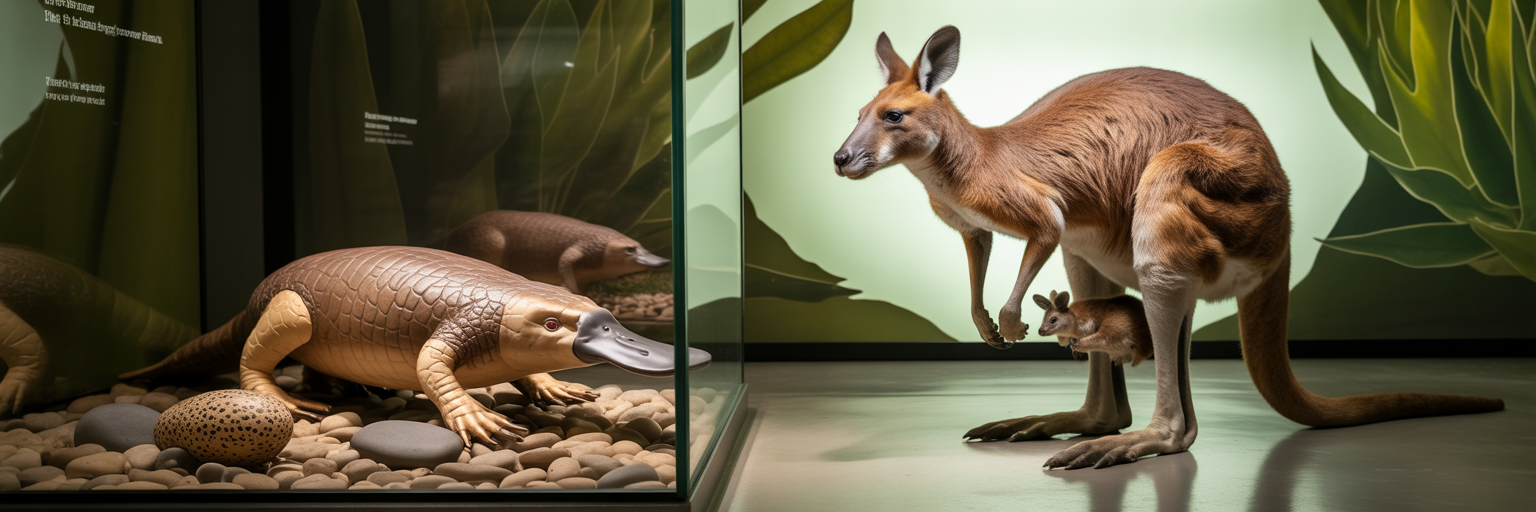
The platypus’s strange method of nursing is more than just a biological curiosity; it is an evolutionary snapshot. Studying monotreme lactation provides a window into a very early stage in the development of mammalian feeding, a time before the evolution of nipples. This system is considered a living fossil, helping scientists piece together the story of how one of our most defining traits came to be.
Scientists theorize that the evolution of lactation began not as a way to feed young, but to protect eggs. The ancestors of mammals likely laid soft-shelled eggs similar to those of modern reptiles, which are vulnerable to drying out and microbial infection. The theory suggests that these early mammals began secreting a protective, antimicrobial fluid from glands in their skin onto their eggs. This would have kept the eggs moist and safe. Over millions of years, this secretion became more and more nutritious, and hatchlings that licked it gained a survival advantage. Eventually, this glandular secretion evolved into true milk, and the primary function shifted from egg protection to infant nutrition. The analysis of the platypus genome, as detailed in a landmark study in Nature, revealed unique genetic signatures that provide clues about the evolution of features like lactation from ancient reptilian ancestors. The platypus, by secreting antimicrobial milk onto its belly where it incubates its eggs, seems to represent a living example of this transitional stage.
Comparing the three major groups of mammals highlights this evolutionary progression.
| Feature | Monotremes (Platypus) | Marsupials (Kangaroo) | Placental Mammals (Human) |
|---|---|---|---|
| Milk Delivery | Secreted onto abdominal skin/fur | Teats located inside a pouch | Teats/nipples for direct suckling |
| Hygiene | Exposed to environment | Protected within a pouch | Direct mouth-to-nipple transfer |
| Offspring State at Birth | Altricial (hatched from egg) | Extremely altricial (joey) | Varies (altricial to precocial) |
| Maternal Anatomy | Mammary glands, no nipples | Mammary glands, teats in pouch | Mammary glands, external nipples |
This table illustrates the clear trend toward a more efficient, hygienic, and direct system of milk delivery. The platypus shows us the starting point, a functional but messy system that set the stage for the later innovations of the pouch and the nipple.
Why Modern Science Is Fascinated by Platypus Milk
The scientific interest in platypus milk extends far beyond evolutionary biology. Its unique properties, honed over 200 million years, may hold solutions to one of the most pressing modern medical challenges: antibiotic resistance. As bacteria evolve to resist our current arsenal of drugs, scientists are desperately searching for new ways to combat infections, and the platypus’s milk offers a promising new frontier.
The focus of this interest is the Monotreme Lactation Protein (MLP). Its unique “Shirley Temple” structure allows it to kill bacteria in a way that is fundamentally different from conventional antibiotics, making it a potential blueprint for a new class of drugs. Researchers are exploring how this protein could be synthesized in a lab and used to develop novel treatments for multi-drug-resistant infections. The potential applications are vast, from new antimicrobial drugs to disinfectant coatings for medical implants and hospital surfaces.
The idea that an animal’s unique biology could hold the key to solving human health problems is a powerful one. This connects to other discoveries where animals show incredible abilities, such as the animal that can smell disease before symptoms even start, highlighting nature’s potential for medical innovation. However, this research is not without its challenges. Platypuses are notoriously difficult to keep and breed in captivity. They are shy, sensitive animals with complex needs, which means that every drop of milk collected for study is incredibly precious. This scarcity makes the research slow and expensive, but the potential rewards are too great to ignore. The platypus, long seen as an evolutionary oddity, is now being recognized as a potential source of biomedical breakthroughs. Its ancient biology may very well hold a key to our future health.
Frequently Asked Questions About Platypus Lactation
- Do platypuses really sweat milk?
No. This is a common myth. Platypuses secrete true milk from mammary glands, which are different from sweat glands. The milk is expressed through pores onto specific “milk patches” on the mother’s abdomen, not all over her body.
- What is a baby platypus called?
A baby platypus is called a “puggle.” At hatching, they are extremely underdeveloped—blind, hairless, and only about the size of a lima bean, relying completely on their mother’s milk and care inside the burrow.
- How is platypus milk different from cow’s milk?
Platypus milk has a very different composition. It is much higher in fat and protein, contains unique complex sugars called oligosaccharides instead of lactose, and is packed with powerful antimicrobial proteins not found in cow’s milk.
- Why did nipples evolve if this method works?
While the platypus method works, nipples represent a significant evolutionary improvement. They provide a more hygienic, efficient, and direct way to transfer milk, reducing the risk of contamination and energy loss. This allowed mammals to thrive in more diverse and less protected environments.
- How long do platypuses nurse their young?
The nursing period is about three to four months. During this time, the puggles remain hidden and safe within the nursery burrow, feeding on their mother’s milk until they are developed enough to swim and forage for themselves.