Fish
How Four-Eyed Fish See Air and Water
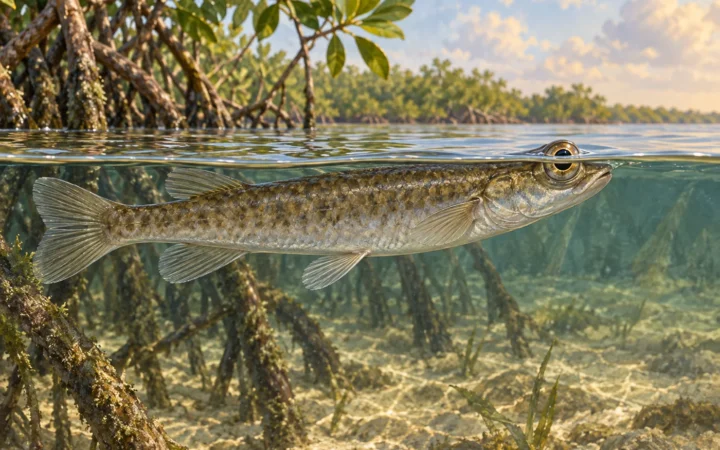
See how four-eyed fish divide two eyes between air and water, with specialized corneas, retinal regions and light-sensitive proteins.
The Complete Field Guide
Explore every strange creature, bizarre behavior and unbelievable survival story, starting with the newest discoveries.
See how four-eyed fish divide two eyes between air and water, with specialized corneas, retinal regions and light-sensitive proteins.
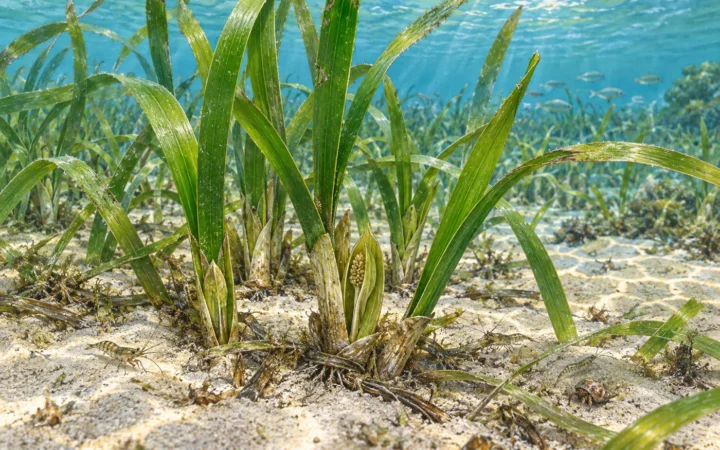
Discover how tiny marine animals transfer turtle grass pollen and how experiments demonstrated animal-assisted pollination underwater.
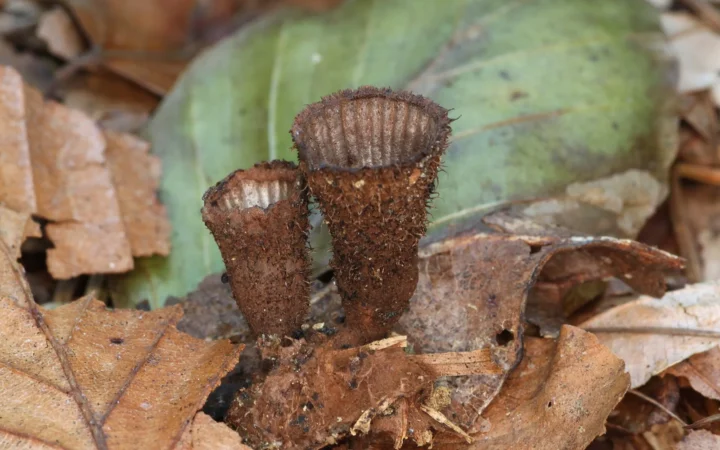
Bird’s-nest fungi use raindrops to launch egg-like spore packets from tiny cups. Discover the splash mechanism and their sticky…
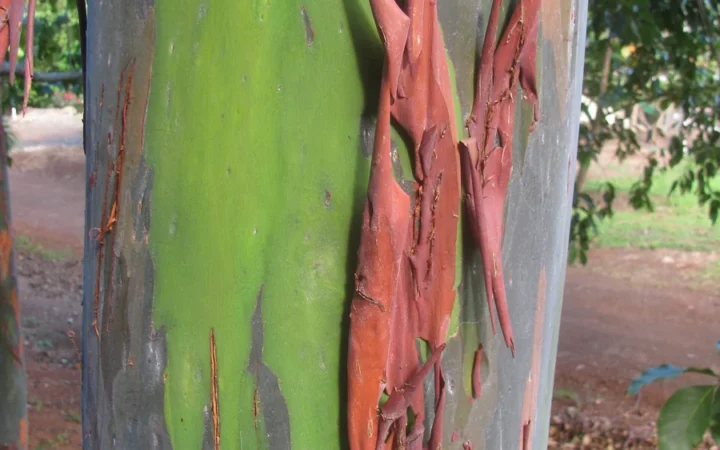
Rainbow eucalyptus reveals green bark as old layers peel away. Learn why patches of different ages create its naturally…
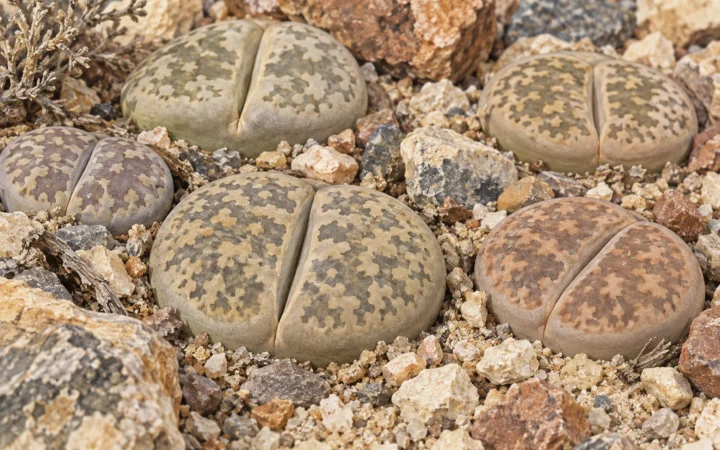
Lithops look like pebbles, but their leaf tops admit light into buried tissue. Explore their windows and the trade-off…
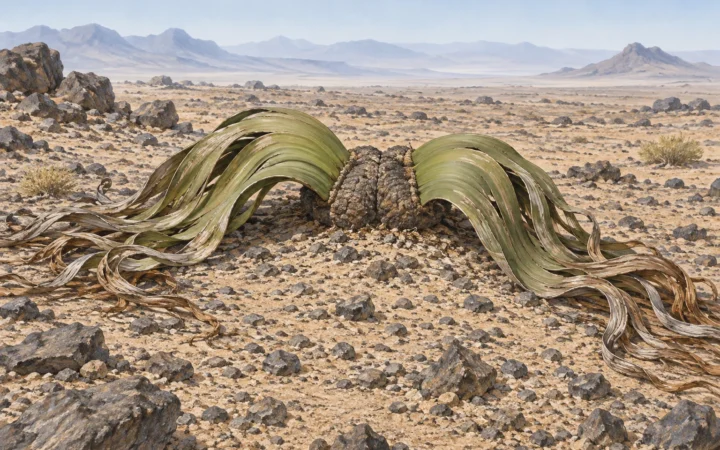
Welwitschia keeps two true leaves growing from their bases for centuries. Learn why its tangled desert foliage is more…
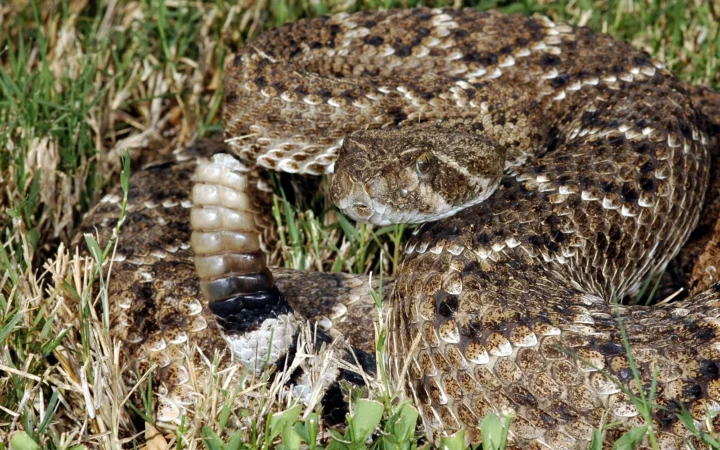
Rattlesnakes can abruptly speed up their rattles, making human listeners judge them as closer. Explore the experiment behind the…
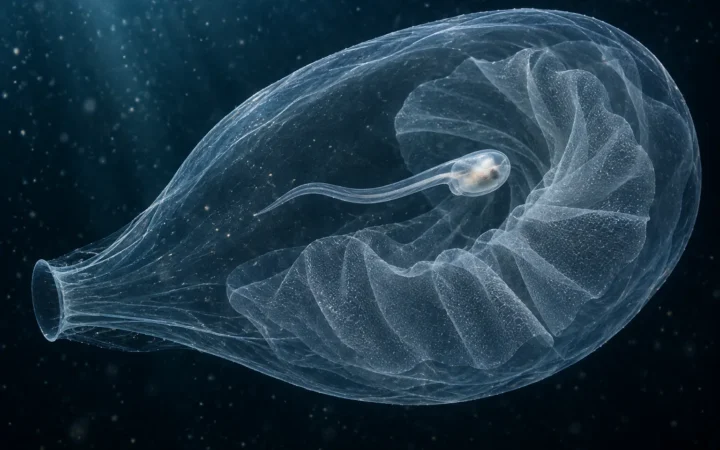
Giant larvaceans filter food through elaborate mucus houses. Learn how they build, abandon, and send these structures into the…
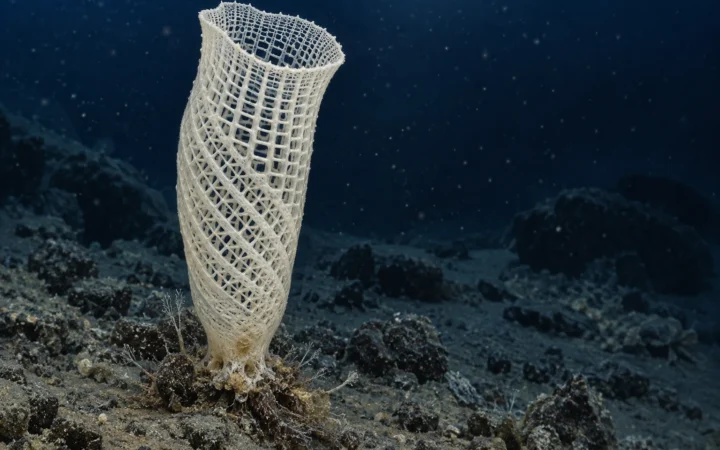
Glass sponges build intricate skeletons from silica. Discover their spicules, lattice structure, and the limits of the fiber-optic comparison.
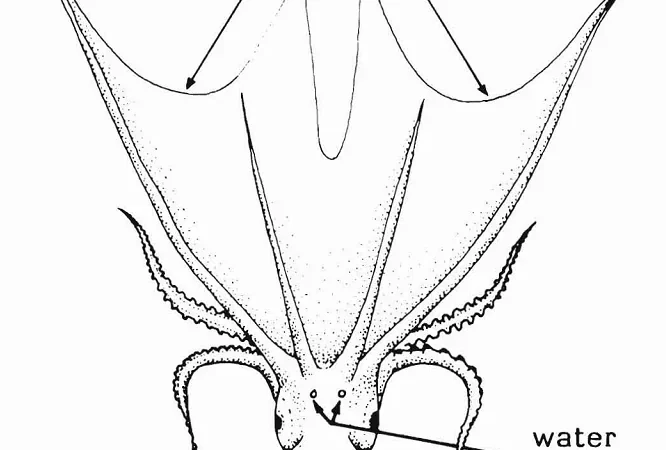
Female blanket octopuses can reach roughly two meters while males stay tiny. Explore the size difference and their unusual…
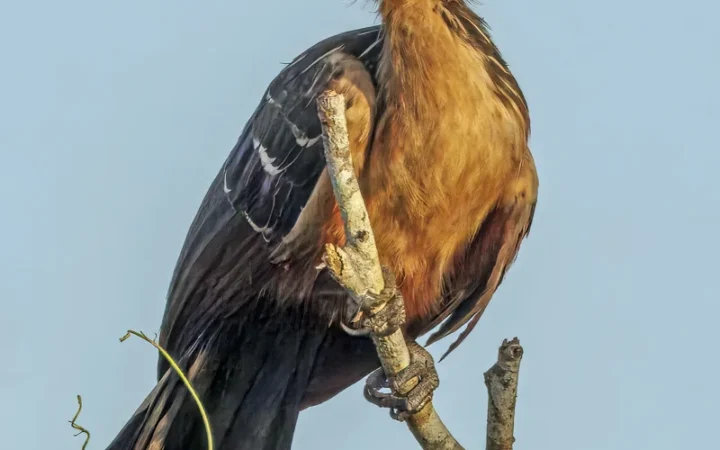
Meet the hoatzin, a leaf-eating bird whose enlarged crop houses microbes that ferment plant material before it reaches the…
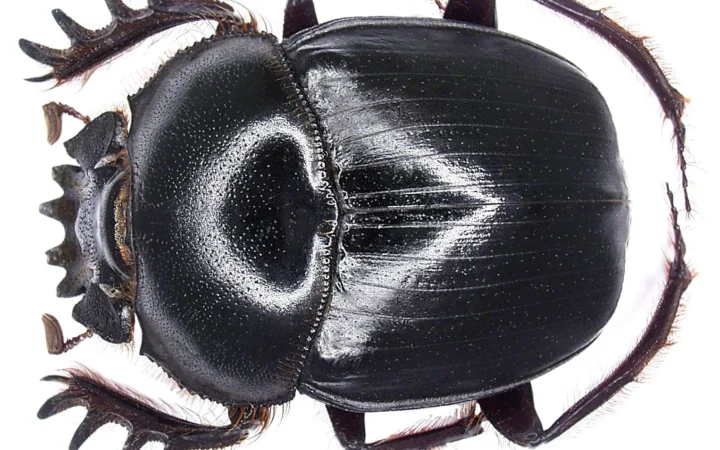
Discover how nocturnal dung beetles use the Milky Way to roll straight, how scientists tested it, and why artificial…