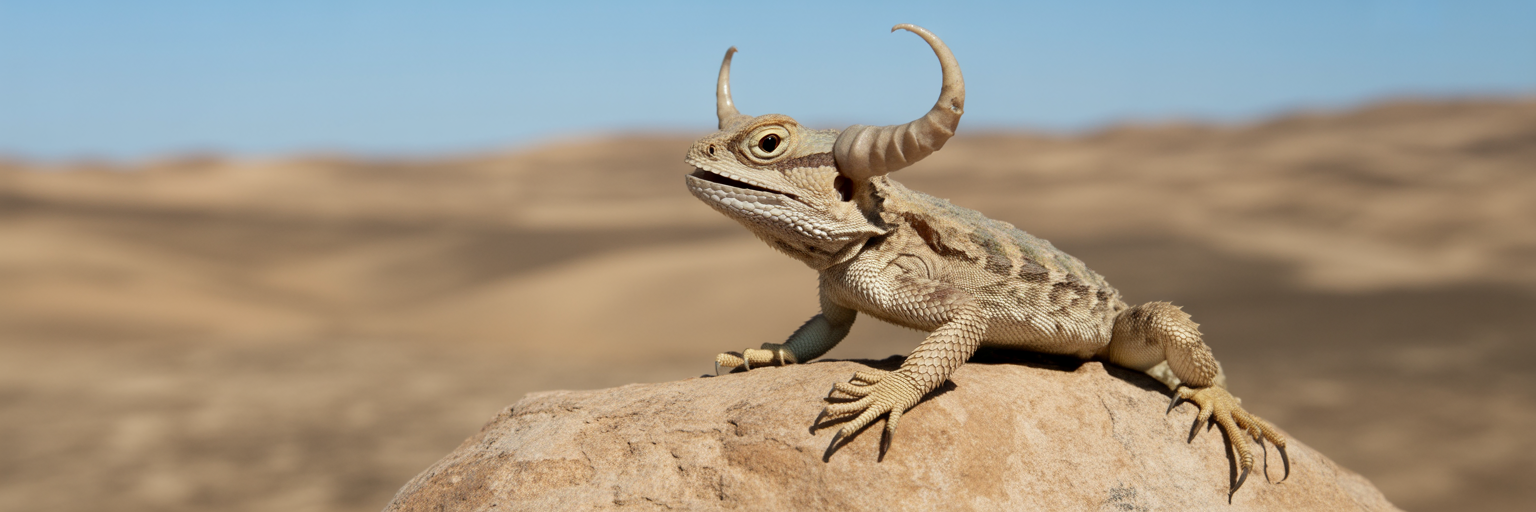
Nature is filled with peculiar survival tactics, but few are as startling as a lizard that shoots blood from its eyes. This dramatic act, however, is only the beginning of the story.
The spectacle of a horned lizard projecting a stream of red from its eye sockets is a well-documented curiosity. This unique horned lizards blood defense is a last resort for a creature that typically relies on spiky armor and exceptional camouflage to survive in the harsh deserts of North America. While many articles stop after describing the event, they miss the most compelling part of the narrative. The scientific term for this behavior is phrynosoma ocular autohemorrhaging, and understanding it requires looking beyond the initial shock. This article investigates the complete event, from the physiological mechanism and specific predator triggers to the unique chemistry of the blood itself and, most importantly, the largely unexamined consequences for the lizard.
The Blood-Squirting Defense of Horned Lizards
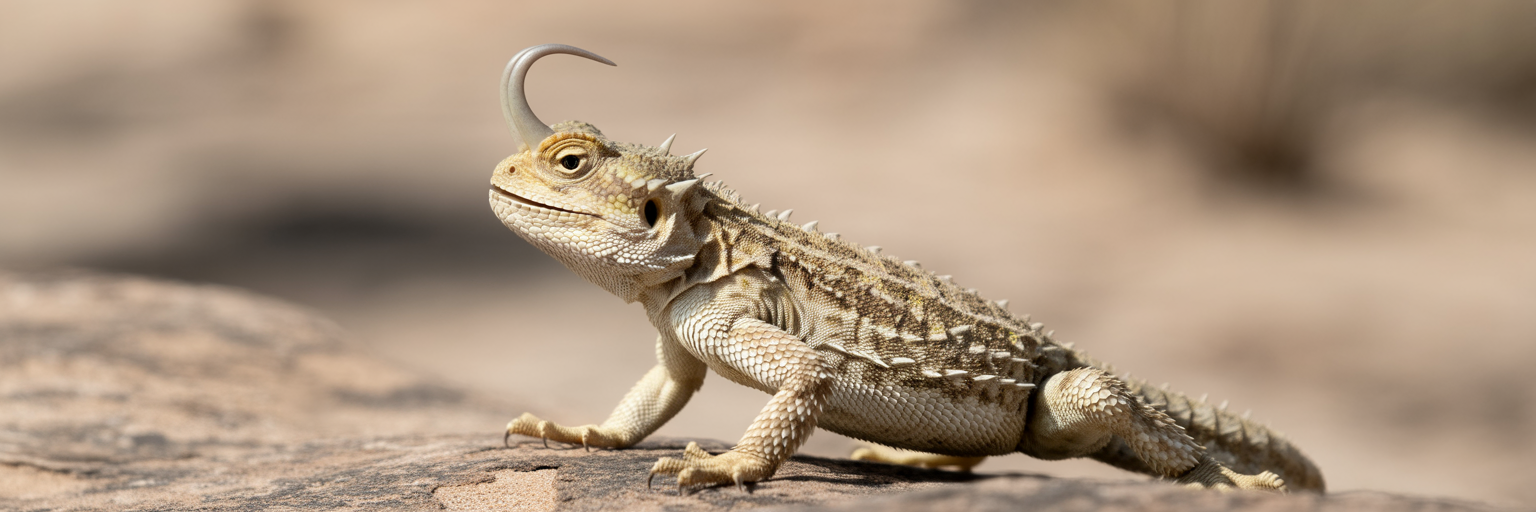
In the arid landscapes of North America, the horned lizard genus, Phrynosoma, faces a constant threat from predators like coyotes, foxes, and birds of prey. Its primary defenses are passive. A flattened body, intricate skin patterns, and an array of horns help it blend into the sandy soil, making it a difficult target to spot. When discovered, its spiky exterior makes it an unappealing meal. But when camouflage and armor fail, some species deploy their most astonishing weapon.
The act of squirting blood is a desperate, high-stakes gamble. It is not a bluff or a simple visual deterrent. It is a targeted, physiological event reserved for specific threats. While the visual is unforgettable, the real story lies in the unseen biological processes. We know they do it, but what is the cost, and what happens to the lizard afterward? This question reveals a significant gap in both popular science writing and formal research, which have long focused on the dramatic act rather than its aftermath.
To understand the full picture, we will explore the precise anatomy of the blood-squirting event and the specific predators that trigger it. We will then examine the fascinating chemistry that makes the blood a potent weapon and delve into the unmeasured physiological toll it takes on the lizard. This journey goes beyond the spectacle to uncover the true story of this remarkable survival strategy.
Anatomy of a Blood-Squirting Event

The ability to squirt blood from the eyes is not a random hemorrhage but a highly controlled and complex physiological process. It involves a deliberate sequence of internal actions that weaponize the lizard’s own circulatory system. Understanding how it works reveals a masterpiece of evolutionary adaptation.
Building Pressure: The Physiological Trigger
The event begins when the lizard intentionally restricts blood flow leaving its head. Using a specific set of muscles, it constricts the major veins that would normally carry blood back to the heart. This action effectively traps blood in the head, causing a rapid and massive spike in cranial blood pressure. The lizard is essentially creating a temporary, localized state of extreme hypertension, turning its head into a pressurized chamber.
The Exit Point: Rupturing the Sinus
This immense pressure forces blood into specialized sacs located in the lizard’s eye sockets, known as the circumorbital sinuses. It is crucial to understand that these are not part of the eyeball itself. They are delicate, thin-walled structures designed to engorge with blood under these specific conditions. As pressure mounts, the sinus walls stretch to their limit until they rupture at their weakest point. This rupture releases a fine, targeted stream of blood through small ducts near the corner of the eyelid. The eyeball remains completely unharmed throughout the process, protected from the extreme pressure changes.
Aim and Fire: Directing the Stream
This defense is far from a chaotic spray. The lizard exhibits remarkable control over the direction of the blood stream. By contracting muscles on one side of its head, it can aim the jet with surprising accuracy, directing it toward a predator’s mouth or nose. Data shows the stream can travel up to five feet, a significant distance for a small reptile. Much like how the archerfish shoots water to hunt, the horned lizard has evolved a way to precisely target its defensive projectile. While the total volume of blood ejected can vary, it represents a calculated loss. Not all horned lizards possess this ability, but it is a defining trait for several species.
- Texas Horned Lizard (Phrynosoma cornutum)
- Regal Horned Lizard (Phrynosoma solare)
- Greater Short-horned Lizard (Phrynosoma hernandesi)
- Coast Horned Lizard (Phrynosoma blainvillii)
- Flat-tail Horned Lizard (Phrynosoma mcallii)
A Highly Targeted Chemical Weapon
The blood-squirting defense is not used indiscriminately. It is a last-resort tactic deployed with incredible specificity, primarily against a particular class of horned lizard predators. This selectivity suggests the defense is more than just a visual shock, it is a targeted chemical deterrent evolved to counter a specific hunting style.
Observational studies consistently show that the response is most reliably triggered by canids, such as coyotes, kit foxes, and domestic dogs. These predators typically investigate potential prey with their mouths and noses, sniffing, licking, and taking tentative bites. It is this close-range oral contact that appears to be the primary trigger. When a coyote or fox mouths a horned lizard, the reptile is far more likely to employ its blood defense than when facing other threats. The reaction from the canid is immediate and telling. Predators are observed to drop the lizard, shake their heads vigorously, gag, and produce excess saliva, indicating the blood is foul-tasting or irritating. A study published in the journal Copeia was one of the first to formally document that canid attacks are a primary trigger for the blood-squirting in Phrynosoma cornutum.
In contrast, the defense is rarely used against other predators. The table below illustrates this stark difference in response, highlighting how the lizard conserves its costly defense for threats it is specifically adapted to deter.
| Predator/Threat | Typical Hunting Method | Likelihood of Blood-Squirting | Observed Predator Reaction |
|---|---|---|---|
| Coyote / Fox | Sniffing, biting, oral investigation | High | Head-shaking, gagging, drooling, retreat |
| Domestic Dog | Sniffing, mouthing, playful biting | High | Confusion, head-shaking, abandoning lizard |
| Predatory Bird (e.g., Hawk) | Aerial dive, talon strike | Extremely Low | Defense is not triggered; lizard relies on armor/camouflage |
| Snake | Ambush, rapid strike and swallow | Extremely Low | Defense is ineffective against strike speed |
| Human | Handling, capturing | Very Low | Lizard may puff up or remain still; rarely squirts |
A blood squirt would be useless against a hawk’s swift talon strike from above or a snake’s rapid ambush. Even when handled by humans, the lizard typically remains still or puffs up its body, reserving its ultimate weapon for the specific sensory assault of a canid’s mouth. This specificity strongly points to a chemical, rather than visual, mechanism of defense.
The Ant-Fueled Blood Chemistry
The foul taste that repels canids is not an inherent property of the lizard’s blood. Instead, it is a borrowed weapon, derived directly from the lizard’s specialized diet. The key to this chemical defense lies in the horned lizard ant diet, which consists primarily of harvester ants of the genus Pogonomyrmex.
Harvester ants are known for their painful, venomous stings. While other animals avoid them, horned lizards consume them in large quantities. They have evolved not only an immunity to the venom but also a remarkable ability to sequester chemical compounds from the ants within their own bodies. This process, known as dietary sequestration, allows the lizard to accumulate specific ant-derived molecules in its bloodstream. This remarkable ability to co-opt another species’ chemistry is seen elsewhere in nature, such as with the caterpillar that tricks ant colonies into raising it by mimicking their pheromones.
Research has confirmed the presence of these compounds in the lizard’s blood. A 2022 study in the journal Herpetologica successfully isolated plasma components and confirmed their dietary origin from Pogonomyrmex ants, providing strong evidence for this chemical link. These compounds are what give the blood its noxious quality, turning it from a life-sustaining fluid into a potent chemical deterrent. The lizard effectively marinates its own blood with the essence of its prey.
However, significant questions remain. While scientists have identified plasma-borne compounds derived from ants, the exact molecular structure of the active repellent has not been definitively isolated or synthesized. The precise mechanism that makes it so unpleasant specifically to canids is still a subject of investigation. This principle of using natural chemical cues is central to chemical ecology, influencing everything from pharmaceutical development to the design of effective fishing lures that mimic the scent of prey. For the horned lizard, its blood is not just blood, it is a complex, diet-derived chemical cocktail, a weapon borrowed from the very ants it eats.
The Unseen Aftermath and Recovery

The most overlooked aspect of this defense is what happens after horned lizards shoot blood. The spectacle is over, the predator has retreated, but the lizard is left to deal with the consequences. This recovery phase is the investigative core of the story, revealing the true physiological price of survival.
Immediate Effects: Blood Loss and Clotting
The rupture of the sinus is not a catastrophic injury. The vessels involved are small and specialized for this purpose, and they appear to clot very quickly, often within seconds of the event. The bleeding stops almost as suddenly as it starts. However, the lizard does lose a measurable amount of blood. Estimates of the volume lost vary widely. In most cases, it is likely a small fraction, perhaps around 2% of its body mass. But some reports suggest a lizard can expel up to one-third of its total blood volume in a single encounter, a significant physiological blow.
The Physiological Cost of Defense
This blood loss carries a substantial energetic burden. The lizard must regenerate lost red blood cells, plasma proteins, and other vital components, a process that requires time and energy. Observations have shown that a lizard can sometimes use the defense on consecutive days, but this almost certainly comes at a high cost. This high-cost defense is an example of the extreme physiological trade-offs animals make for survival, not unlike the animal that survives by shrinking its own organs during lean times. Every drop of blood squirted is a drop that must be replaced, diverting resources away from other essential functions like growth, reproduction, and daily activity.
A Major Gap in Scientific Knowledge
This recovery phase is the most under-researched aspect of the entire phenomenon. While the world has been fascinated by the dramatic display, science has yet to fully measure the price the lizard pays. This lack of data represents not a failure but a frontier of discovery. The key unanswered questions remain:
- How quickly does the lizard’s circulatory system restore homeostasis after a significant blood loss?
- What is the long-term survival cost for a lizard that uses this defense repeatedly?
- Is the lizard more vulnerable to heat stress, dehydration, or secondary predators in the hours and days following the event?
- Does repeated use of the defense cause scarring, tissue damage, or increase the risk of infection around the eyes?
Answering these questions is essential to understanding the complete story. The spectacle of the defense is only half the picture. The other half is the silent, unseen recovery, a testament to the resilience of a creature that weaponizes its own lifeblood to survive.
Answering the Lingering Questions
After investigating the mechanism, triggers, and aftermath of the horned lizard’s unique defense, we can synthesize the findings to answer the most pressing questions about this behavior.
How effective is the defense? It is highly effective, but only within a very specific context. It is not a universal shield but a specialized tool that works exceptionally well against the predators it evolved to counter.
Which predators does it work against? The defense is a specialized weapon against canids like coyotes and foxes. The foul-tasting chemical compounds in the blood, derived from its ant diet, are a powerful deterrent to predators that hunt using their mouths and noses.
Does the lizard injure itself? The mechanism is a controlled and natural process, not a self-injury. The ruptured vessels are small and clot quickly. However, the full physiological cost of losing and regenerating blood is still largely unknown and represents a potential long-term stressor.
What happens after the blood is fired? The bleeding stops almost immediately. The lizard is then left to bear the unmeasured energetic cost of replacing the lost blood and its chemical components. This recovery period may leave it temporarily more vulnerable to other environmental stresses or predators.
The horned lizard’s strategy is a stark reminder of the evolutionary arms race, a theme also seen in the disturbing parasite life cycles that force hosts into self-destructive behaviors. Ultimately, the single biggest unanswered question that remains is: What is the precise long-term energetic and survival cost for a horned lizard that repeatedly uses its most extreme defense? The answer lies in the silent recovery, a chapter of this incredible story that science is just beginning to read.
Frequently Asked Questions About Blood-Squirting
Do all horned lizards shoot blood?
No, this ability is confirmed in at least 8 of the 22 species. It is most famously associated with species like the Texas Horned Lizard (Phrynosoma cornutum).
Does it hurt the lizard to shoot blood from its eyes?
The process is a natural, controlled defense. It involves rupturing tiny, specialized blood vessels, not the eyeball, and is not considered a self-injury. However, the long-term physiological cost of blood loss is still being studied.
Why is the blood defense mainly for dogs and coyotes?
The blood contains foul-tasting chemical compounds that the lizard gets from eating harvester ants. These compounds are highly irritating to the sensitive noses and mouths of canids but are not effective against predators like birds or snakes.
How far can a horned lizard shoot blood?
A horned lizard can accurately project a stream of blood up to five feet away, giving it enough distance to startle a predator and create an opportunity for escape.
Can a lizard run out of blood to shoot?
Yes, it is a finite defense. While a lizard can sometimes squirt multiple times in one encounter or over several days, each use depletes its blood volume and energy. Because it is so costly, the lizard uses it only as a last resort.