Documented Cases of Animals That Survived Being Swallowed
The act of being swallowed by a predator is widely considered the definitive end of a life-and-death struggle. Yet, this assumption is not always correct. In rare and extraordinary instances, the journey into a predator’s gut is not a conclusion but the beginning of a desperate escape. This is not the stuff of myth or folklore but a scientifically verified reality. A small but growing body of research documents cases of animals that survived being swallowed, emerging from the other end of the digestive tract alive and, in some cases, completely unharmed. These accounts, involving creatures from beetles to snails and fish, challenge our fundamental understanding of predator-prey dynamics.
This investigation examines the evidence-based cases of post-ingestion survival, steering clear of unsupported anecdotes to focus on what has been observed and tested in controlled settings. The escape routes are as varied as they are remarkable. Some prey force a violent regurgitation from the stomach. Others actively traverse the entire length of the digestive system to exit through the anus. A third group passively endures the perilous journey, relying on sheer resilience and physical armor to emerge intact hours or even days later.
These incredible feats raise profound biological questions. What specific tools and adaptations are required to survive the lethal environment of a digestive system, an environment designed expressly to break down organic matter? Are these abilities the product of a direct evolutionary arms race, with prey developing specific countermeasures to being eaten? Or are they merely a fortunate accident, a secondary benefit of traits that evolved for entirely different purposes? By exploring the documented evidence, we can begin to answer these questions and appreciate the extreme limits of animal survival.
The Internal Gauntlet: Hurdles to Post-Ingestion Survival
To appreciate the magnitude of escaping a predator’s gut, one must first understand the gauntlet of lethal threats the prey faces. The digestive tract is not a passive tube but a highly efficient, multi-stage disassembly line designed to convert living tissue into energy. Any organism swallowed whole is immediately subjected to a series of chemical, physical, and physiological attacks. Understanding how animals survive digestion requires a clear picture of these formidable obstacles.
The first and most immediate threat is chemical. Upon entering the stomach, the prey is submerged in a bath of highly acidic fluids. The pH in a vertebrate’s stomach can be intensely corrosive, designed to kill pathogens and begin the process of breaking down tissues. Simultaneously, the stomach releases a cocktail of powerful digestive enzymes. These proteins act like molecular scissors, targeting and dismantling the fundamental building blocks of life, such as proteins and fats. For any unprotected organism, this chemical assault is rapidly fatal.
Next are the physical forces. The esophagus and intestines are not static tunnels but are lined with powerful muscles that produce waves of contractions known as peristalsis. This process, which moves food through the system, exerts immense crushing pressure that can physically destroy a small animal. The sheer force is enough to break exoskeletons and shells that are not sufficiently reinforced. The prey is under constant mechanical assault from the moment it is swallowed.
Beyond the chemical and physical dangers lies a critical physiological challenge: anoxia, or a near-complete lack of oxygen. The digestive tract is an anaerobic environment. For most air-breathing animals, including many insects, asphyxiation would occur within minutes. Surviving this internal journey requires a way to either function without oxygen or carry a personal supply. Finally, the prey must contend with the predator’s internal body heat, which can be lethal, and its immune system, which is primed to identify and attack any foreign body. The combination of these threats makes survival seem almost impossible.
- Chemical Threats: Highly acidic stomach fluids (low pH) and powerful digestive enzymes that break down proteins and fats.
- Physical Forces: Muscular contractions (peristalsis) that crush and move contents, along with intense internal pressure.
- Physiological Suffocation: Anoxia, or a near-complete lack of oxygen, within the digestive tract.
- Thermal and Immune Stress: Lethal internal body temperatures and the predator’s immune system attacking the foreign organism.
The Escape Artist’s Toolkit: Traits That Enable Survival
Confronted with the lethal obstacle course of a predator’s gut, surviving prey must possess a specialized toolkit of defensive traits. These adaptations directly counter the chemical, physical, and physiological threats outlined previously. They range from passive physical armor to active behavioral strategies, each providing a critical advantage in the fight for post-ingestion survival.
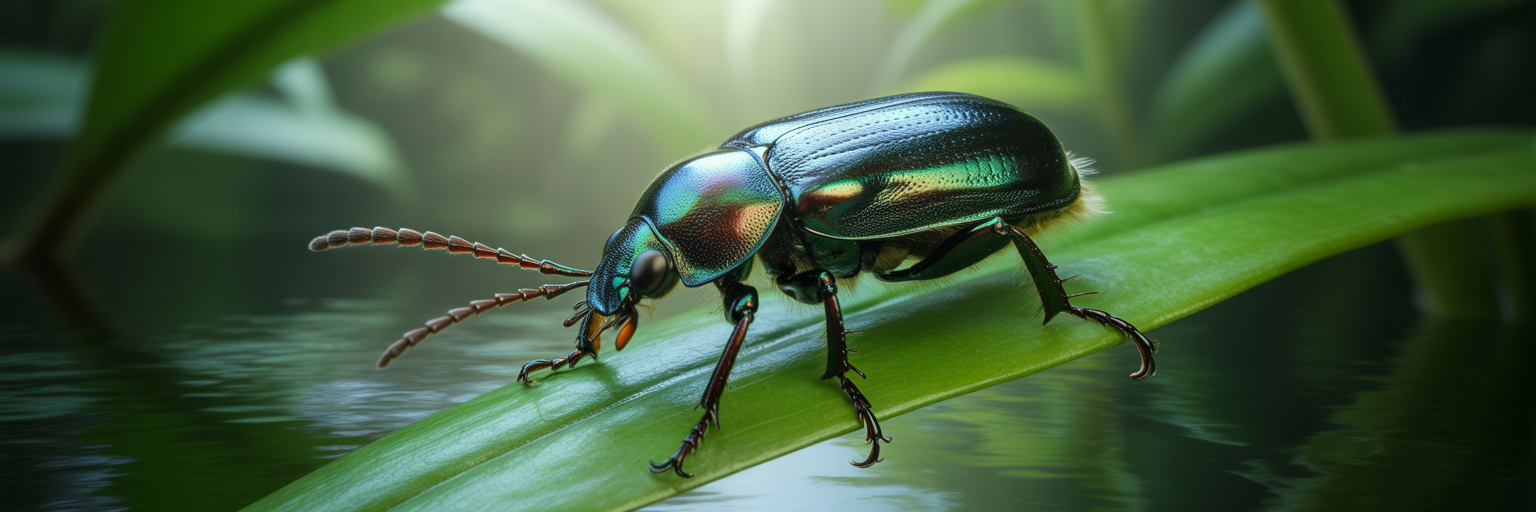
The most straightforward defense is physical armor. The tough, chitinous exoskeleton of an insect or the hard, calcium carbonate shell of a snail can provide significant protection. These structures are inherently resistant to the crushing forces of peristalsis and can act as a barrier against the corrosive effects of stomach acid and digestive enzymes, at least for a limited time. For some snails, this defense is enhanced by an operculum, a trapdoor-like structure that can seal the shell’s opening, effectively turning the animal into a tiny, impenetrable fortress.
Chemical barriers also play a crucial role. Many snails produce thick mucus that can help neutralize acid and protect their soft tissues. Some can even create a hardened mucus plug, or epiphragm, to seal themselves off from the external environment. This use of slime as a protective shield is a fascinating strategy seen elsewhere in nature; for instance, some research has explored how the parrotfish sleeps inside a bubble of its own slime to ward off parasites. For swallowed prey, a similar mucus barrier can buy precious time.
To overcome the lack of oxygen, some aquatic insects have developed an ingenious solution. They can trap a small bubble of air under their wing casings (elytra) before being submerged. This air bubble functions like a physical gill, allowing oxygen from the surrounding water, or in this case, gut fluid, to diffuse into the bubble while carbon dioxide diffuses out. This personal air supply can sustain the insect long enough to complete its escape.
Perhaps the most remarkable adaptations are behavioral. Instead of just enduring the journey, some animals take action. Rapid, powerful movement can help a creature pass through the most dangerous parts of the gut, like the stomach, as quickly as possible, minimizing exposure time. Even more impressively, certain prey can actively stimulate the predator’s body to trigger an escape. By irritating the stomach lining or the hindgut, they can induce vomiting or defecation, effectively turning the predator’s own biological systems into an escape hatch.
Forced Expulsion: Survival by Inducing Regurgitation
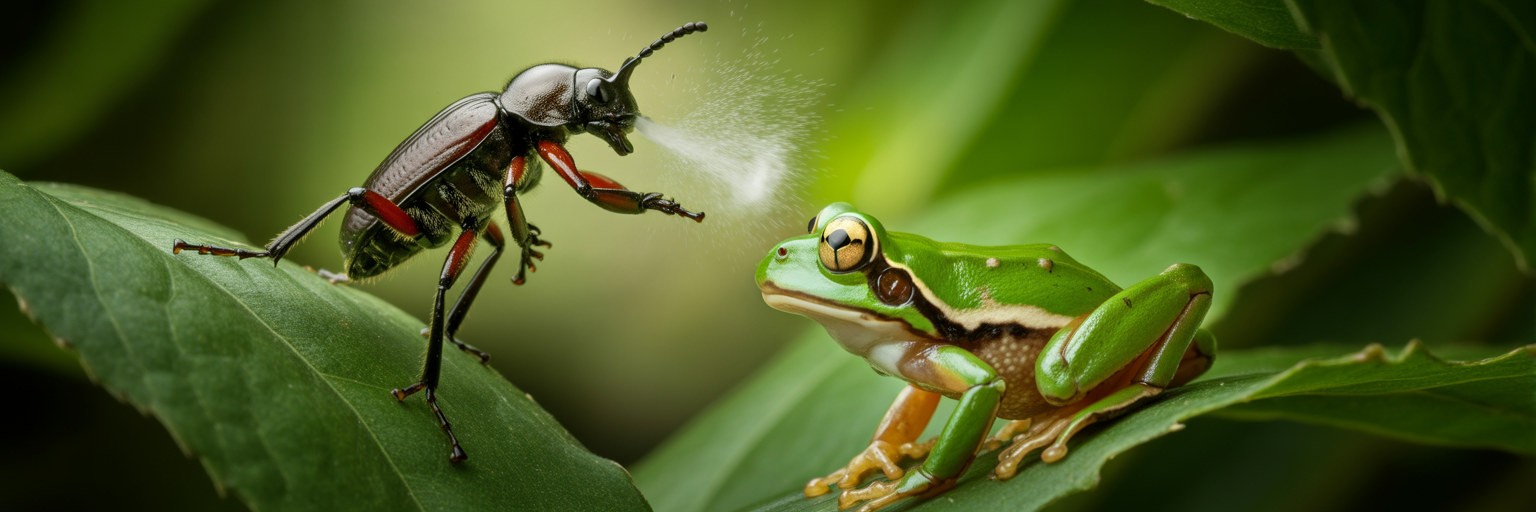
One of the most dramatic examples of an active, post-ingestion escape involves a creature that literally bombs its way out of a predator’s stomach. The bombardier beetle (*Pheropsophus jessoensis*) possesses one of the most sophisticated chemical defenses in the animal kingdom, and it has been scientifically documented using this weapon to survive being eaten by toads.
When a toad swallows a bombardier beetle whole, the beetle is not passive. Inside the predator’s stomach, it initiates a violent chemical reaction. The beetle has two separate internal glands containing precursor chemicals, hydroquinone and hydrogen peroxide. When threatened, it mixes these substances in a reinforced “combustion chamber” with catalytic enzymes. The result is a boiling, noxious chemical spray of benzoquinone that erupts from its abdomen at nearly 100°C (212°F). Aimed directly at the toad’s stomach lining, this spray is a powerful irritant designed to force the predator to reverse its meal.
This incredible bombardier beetle defense is not just an anecdote. A 2018 study published in Biology Letters documented that in 43% of cases, the beetles were able to force the toads to vomit them back up, emerging unharmed. The researchers observed that the toads that swallowed the beetles showed clear signs of distress before regurgitating them. The time between ingestion and expulsion ranged from 12 to 107 minutes. Remarkably, the ejected beetles were not only alive but also active and, in some cases, were later observed to reproduce. This demonstrates that the ordeal did not cause irreversible harm.
The controlled laboratory setting of this research provides powerful evidence that this is an evolved, post-ingestion defense strategy. The beetle’s ability to withstand the initial moments in the stomach and then deploy a targeted chemical weapon that forces its own expulsion is a highly specialized adaptation. It shows that for this particular beetle, being swallowed is a predictable threat for which it has developed a specific and effective countermeasure.
The Great Escape: Active Transit Through the Digestive Tract

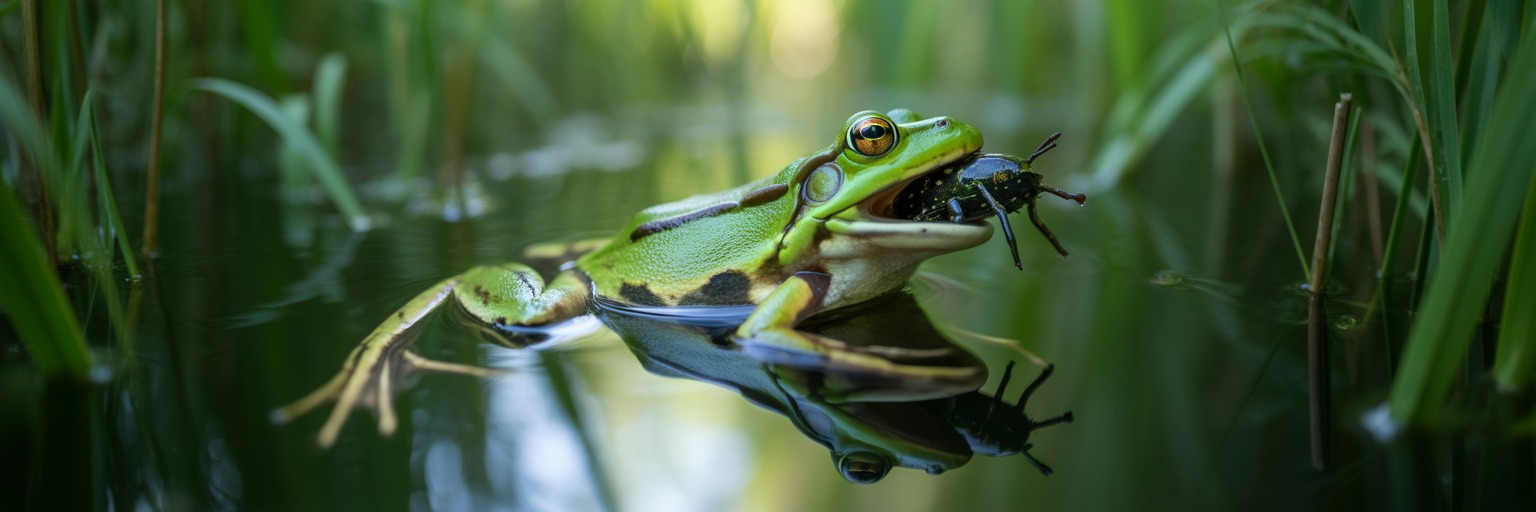
While forcing regurgitation is impressive, an even more astonishing feat is actively navigating the entire length of a predator’s digestive system and emerging from the other end. The most robustly documented case of this belongs to the tiny aquatic beetle, *Regimbartia attenuata*. This beetle has mastered the art of escaping its predators, primarily frogs, by turning their digestive tracts into an escape tunnel.
In a series of landmark experiments, biologist Shinji Sugiura observed what happens when these beetles are swallowed by frogs. As reported in a 2020 Current Biology paper, Shinji Sugiura’s research found that over 90% of the beetles successfully navigated the frogs’ digestive systems. This *Regimbartia attenuata* escape was not only successful but also incredibly fast. The beetles emerged from the frog’s cloaca, the single posterior opening for the intestinal, urinary, and genital tracts, in as little as 1.6 hours. Most escaped in under six hours, a stark contrast to the 24 hours or more it typically takes for a frog to digest and excrete inert items.
What makes this case so scientifically compelling is the control experiment that proved this is an active escape from predator, not just passive endurance. To test whether the beetle’s own actions were necessary for survival, the researchers carefully applied wax to the legs of another group of beetles, immobilizing them before they were fed to the frogs. The result was unequivocal: none of the immobilized beetles survived. They were all digested and excreted as waste. This elegantly simple experiment demonstrated that the beetle’s leg movements are essential for its survival and escape. The beetle physically crawls through the intestines, using its streamlined shape and powerful legs to push its way toward the exit.
The mechanism appears to be a combination of speed and stimulation. By moving quickly, the beetle minimizes its exposure to the harshest digestive enzymes in the stomach and small intestine. Once it reaches the hindgut, its continued movement is thought to stimulate the frog’s defecation reflex, prompting the predator to expel the beetle long before it would normally do so. This is not just survival; it is a deliberate, behavior-driven jailbreak from the inside.
| Feature | Active Escape (Regimbartia attenuata) | Passive Endurance (Aquatic Snails) |
|---|---|---|
| Mechanism | Actively crawls through digestive tract, stimulates defecation | Seals shell with operculum, waits for excretion |
| Required Action | Continuous, directed leg movement | None; relies on static physical armor |
| Time Inside Predator | Typically under 6 hours | Can be over 24 hours, depending on predator’s digestion |
| Survival Rate | Extremely high (over 90% in experiments) | Variable, depends on shell strength and predator |
| Evolutionary Implication | Suggests a specialized, evolved escape behavior | Likely an exaptation (a trait evolved for one purpose serving another) |
Unconventional Exits and Passive Endurance
Beyond the dramatic escapes of beetles, scientific observation has recorded other methods of post-ingestion survival. These cases range from finding alternative exits to simply waiting out the storm, and they highlight the diverse ways life can persist in the face of seemingly certain death.
One of the most unusual escape routes was documented in the Japanese eel. In a remarkable case captured with X-ray imaging, an eel that was swallowed by a larger predatory fish was observed turning around inside the predator’s stomach. It then burrowed through the predator’s body wall and exited through its gills. This is an incredibly risky and destructive strategy, but it demonstrates a powerful drive to escape by any means necessary.
Another complex scenario involves the Gordian worm. These long, thin parasites have a fascinating life cycle that often involves a dramatic escape. The worm develops inside an insect host, such as a cricket or grasshopper. When the host insect is eaten by a predator like a fish or a frog, the Gordian worm is not digested. Instead, it actively escapes the new predator, often seen wriggling out of its mouth or gills. It is important to clarify that this is a survival strategy for the parasite, not its original host, which is consumed. The worm’s escape allows it to complete its life cycle in an aquatic environment. This behavior is a great example of how parasites hijack animal behavior for a joyride, manipulating hosts and even their predators.
In stark contrast to these active escapes is the strategy of passive endurance. This is best exemplified by certain species of aquatic snails. When swallowed by fish, these snails withdraw into their hard shells and seal the opening with their operculum. They do not fight or move; they simply wait. Their tough shells and ability to tolerate low-oxygen conditions allow them to survive the journey through the fish’s digestive tract. They are eventually excreted, often unharmed, and can continue their lives. This “wait-it-out” method is fundamentally different from the active, behavior-driven escape of *Regimbartia attenuata*. Other invertebrates, such as some small bivalves, are also thought to survive digestion passively, relying on their tough shells and physiological resilience, though the evidence is often more observational than experimental.
Evolved Strategy or Fortunate Accident?
The existence of these incredible survival stories raises a central evolutionary question: are these abilities specifically evolved strategies for escaping digestion, or are they simply a fortunate accident? The answer appears to depend on the organism and the mechanism of its escape. The evidence suggests that both explanations hold true, representing a spectrum from deliberate adaptation to coincidental benefit.
On one end of the spectrum, the case for a specifically evolved strategy is overwhelming for animals like the *Regimbartia attenuata* beetle and the bombardier beetle. The *Regimbartia* beetle’s high success rate of over 90%, its rapid transit time, and the proven necessity of its leg movements all point to a highly specialized behavior. It is difficult to argue that such a complex and effective escape is an accident. Similarly, the bombardier beetle’s ability to aim a boiling chemical spray inside a predator’s stomach is too precise and complex to be anything other than a dedicated, evolved defense. These mechanisms appear fine-tuned by millions of years of intense, consistent predation pressure.
On the other end of the spectrum is the concept of exaptation, where a trait that evolved for one purpose serves a new, unintended function. The passive survival of aquatic snails is a textbook example. A hard, sealable shell almost certainly evolved for general protection against being crushed or predated upon in the external environment. Its utility in surviving the internal environment of a fish’s gut is likely a secondary, accidental benefit. The snail is not “trying” to survive digestion; its existing armor just happens to be good enough for the job. This is a fortunate accident of biology, not a targeted evolutionary response to being swallowed.
The truth likely lies along this continuum. For passive survivors like snails, survival is almost certainly an exaptation. For highly specialized actors like the two beetle species, the evidence points overwhelmingly toward a dedicated escape strategy. These complex behaviors are reminiscent of other intricate adaptations seen in nature, such as the caterpillar that tricks ant colonies into raising it, where a specific, high-stakes challenge drives the evolution of a remarkable solution.
Ranking the Evidence: A Scientific Conclusion
In evaluating these extraordinary cases of survival, it is crucial to approach them with scientific rigor, ranking them not by their shock value but by the quality of the evidence supporting them. This allows for a clear understanding of what we know for certain versus what is strongly suggested or merely observed.
The gold standard of evidence belongs unequivocally to the aquatic beetle, *Regimbartia attenuata*. The research on its escape from frogs is a model of scientific inquiry. It features a high success rate, replicated trials, and, most importantly, a definitive control experiment. By immobilizing the beetles’ legs and showing that this eliminated their ability to survive, researchers provided falsifiable proof that the escape is an active, behavior-driven process. This is the strongest possible demonstration of an active escape from inside a predator.
A very strong second is the bombardier beetle. Its ability to force regurgitation from toads is supported by replicated laboratory experiments that demonstrate a clear chemical cause-and-effect. The high survival rate and the direct observation of the beetle’s chemical defense in action make for a compelling case. However, it lacks the same kind of behavioral control experiment seen in the *Regimbartia* study, placing it just a step behind in terms of evidentiary strength.
The case of the Japanese eel escaping through a predator’s gills represents strong observational evidence. The use of X-ray imaging provides a clear, documented record of the event. However, it is an observation of a rare occurrence rather than a replicated, controlled experiment, so its scientific weight is less than that of the beetle studies.
Finally, the passive survival of snails and the escape of Gordian worms are well-documented phenomena, but they fall into different categories. The survival of snails is a case of passive endurance, not active escape, while the Gordian worm’s escape is from the predator of its host, a different context entirely. This ranking reinforces a core principle of science: our understanding is built not on the most spectacular stories, but on the most rigorous and verifiable evidence.
Frequently Asked Questions About Post-Ingestion Survival
Can larger animals survive being swallowed?
No, documented cases of post-ingestion survival are limited to very small animals that are swallowed whole. Larger prey is typically chewed, torn apart, or crushed by a predator’s jaws before being ingested, which is not survivable. The phenomenon relies on the prey entering the digestive tract intact, a scenario that only applies to small creatures like insects, snails, and small fish.
How common is this phenomenon in the animal kingdom?
Scientifically documented and verified cases are quite rare. However, the true frequency of this phenomenon is likely much higher than what has been recorded. The vast majority of predator-prey interactions, especially involving insects and other small invertebrates, occur without human observation. Given the high success rates seen in experimental settings, it is plausible that these escapes happen regularly in nature but simply go unnoticed.
Do predators learn to avoid prey that can escape?
This likely depends on the escape mechanism. A predator that vomits a bombardier beetle experiences immediate, negative reinforcement. The unpleasant experience of regurgitating a boiling, noxious chemical is memorable and could teach the predator to avoid such prey in the future. In contrast, a frog that defecates a *Regimbartia* beetle hours after eating it may not connect the meal with the eventual outcome. The long delay makes it less likely the predator will learn to associate that specific beetle with a failed meal. Predator learning is often tied to immediate consequences, a principle seen in other hunting strategies, like the predator that hunts using invisible pressure waves, where success is instantly confirmed.
What is the main difference between active and passive survival?
The key difference lies in the prey’s behavior after being swallowed. Active survival involves the prey taking specific, deliberate actions to facilitate its escape. This includes the bombardier beetle spraying chemicals to induce vomiting or the *Regimbartia* beetle crawling through the intestines to stimulate defecation. Passive survival, on the other hand, involves no such action. The prey, like an aquatic snail, simply relies on its physical armor and physiological resilience to endure the journey until it is naturally excreted.